
Discovering a smudge of dark pigment on your favorite blouse is a frustrating moment, but learning how to take mascara off clothes effectively can save your wardrobe. Because most modern formulas contain waxes, oils, and deep pigments, they are designed to cling to surfaces, which makes them particularly stubborn when they land on textile fibers.
Whether you are dealing with a fresh smear or a dried-in mark, the key is to address the mascara stains with precision rather than panic. By choosing the right solvent for the specific fabric type, you can lift the pigment without spreading the mess or damaging the integrity of the material.
Initial Assessment and Immediate Action
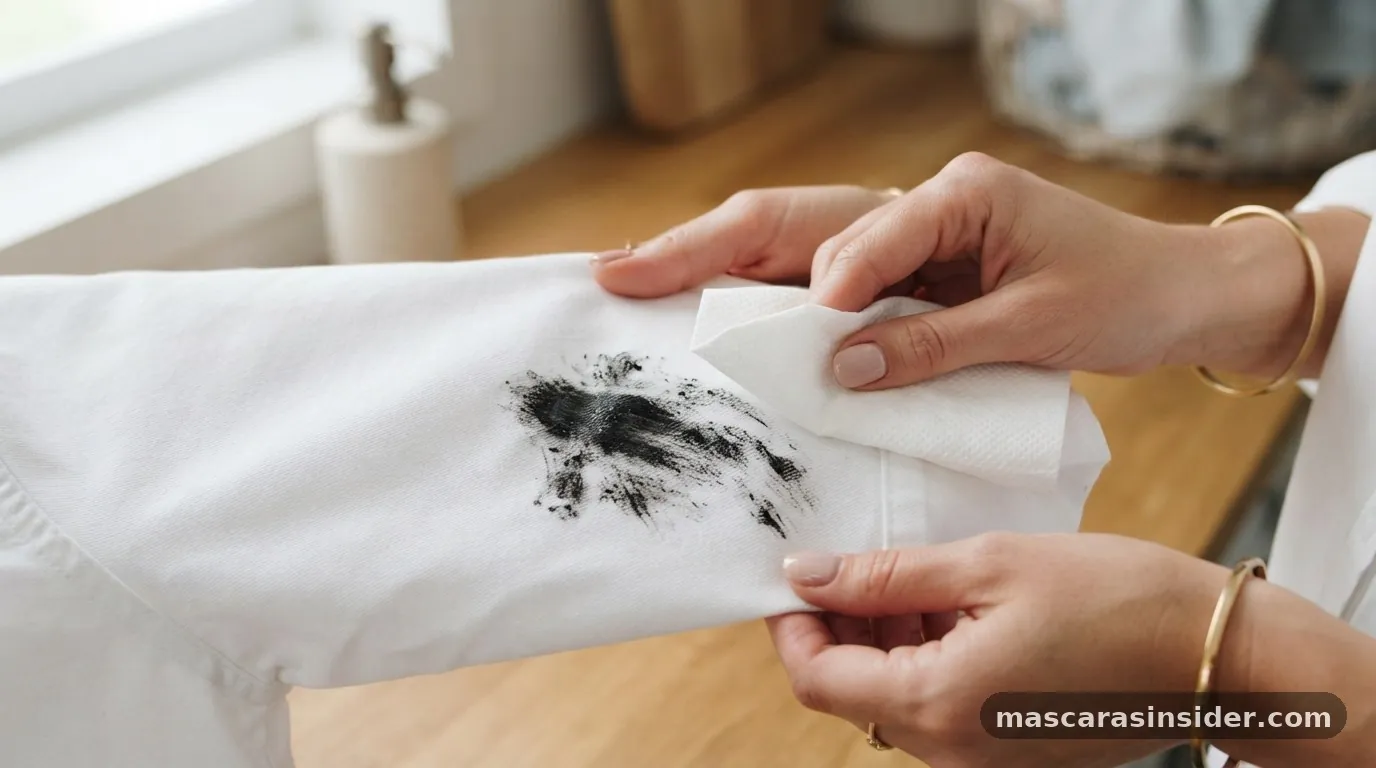
The most important step when you first notice a smudge is to stop the spread of the pigment immediately. If you try to rub or scrub the area while the substance is still wet, you will only push the oils deeper into the weave of the clothing. Instead, gently lift any excess product off the surface using the edge of a credit card or a dull knife.
Once the bulk of the material is removed, you should blot the spot with a clean, dry cloth or paper towel. Never use a circular motion, as this grinds the black particles further into the fibers.
If you are currently on the go—perhaps at work or out for dinner—your goal is stabilization. Do not add water unless you have an absorbent material to back it up, as water can sometimes cause the pigments in certain mascaras to bleed further into the surrounding threads.
If the item is made of a delicate material like silk or rayon, keep it dry until you can get home to a proper cleaning station. For sturdier cottons, a very light dab of a dry paper towel can help pick up residual oils, but keep your pressure light to avoid setting the stain deeper.
Identifying the Type of Mascara
Knowing how to take mascara off clothes depends heavily on the specific ingredients used in the product. Most waterproof formulas are oil-based, meaning they are designed to resist water-based cleaners.
If you try to wash a waterproof stain with only soap and water, you will likely find that the stain remains completely untouched. You need a solvent that breaks down oils, such as a specialized makeup remover or a mild degreasing agent.
Non-waterproof or “tubing” mascaras behave differently. These formulas are usually water-soluble and react well to warm water and gentle agitation. If you are unsure which type you are wearing, perform a small spot test on an inconspicuous part of the garment, such as an inside seam.
This simple test prevents you from accidentally bleaching or discoloring the fabric with a cleaning agent that is too harsh. Always check the garment’s care label before applying any chemical, even if it is a household staple like dish soap.
Using Makeup Remover as a Primary Solution
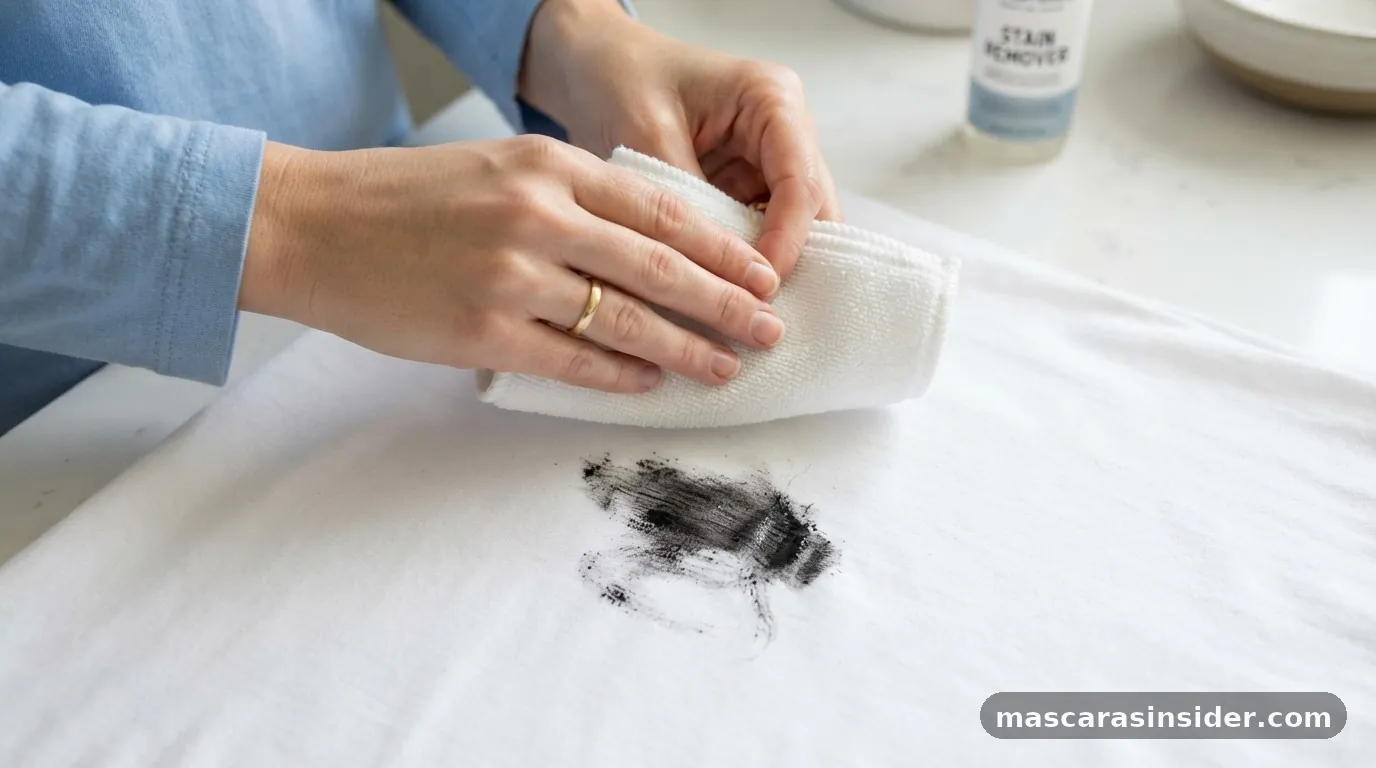
Makeup remover is often the most effective tool because it is specifically formulated to break down the binders and waxes found in eye products. To use this method, apply a small amount of oil-free makeup remover to a cotton ball or a soft towel.
Gently dab the stained spot, allowing the solution to penetrate the fibers. You will notice the pigment beginning to lift onto your cotton ball; replace the cotton frequently so you are not re-depositing the dark color back onto the garment.
Once the stain has faded significantly, you should treat the area with a small amount of liquid laundry detergent. Work the detergent in with your fingers and let it sit for about ten minutes. This helps emulsify the remaining oils.
If you are interested in the chemistry behind cleaning agents, the American Cleaning Institute offers extensive resources on how surfactants work to lift grime from textiles. After the detergent has done its work, rinse the area with cold water to ensure all residue is removed before you put the item in the washing machine.
The Role of Dish Soap for Oil-Based Stains
If you don‘t have a dedicated makeup remover on hand, high-quality dish soap is a surprisingly powerful alternative. Because dish soap is designed to cut through grease on plates and pans, it is highly effective at breaking the bond between the oil-based waxes in your makeup and the fabric of your clothes. This method is particularly useful for heavy, waterproof formulas that seem to resist standard laundry detergents.
Follow these steps for the best results:
1. Lay the garment flat on a clean, white surface to avoid color transfer.
2. Apply a single drop of clear, grease-fighting dish soap directly onto the stain.
3.
Use a clean, soft-bristled toothbrush to gently work the soap into the fabric using a tapping motion.
4. Let the soap sit for at least fifteen minutes to allow the surfactants to lift the pigment.
5.
Rinse the area thoroughly with cold water, checking to see if the stain has vanished.
6. Repeat the process if the dark shadow persists.
Comparing Cleaning Agents for Different Fabrics
Different materials require different levels of care to ensure you don’t destroy the garment while trying to fix the accident. The table below outlines which agents work best for common fabric types when you need to remove mascara.
| Fabric Type | Recommended Agent | Precaution |
|---|---|---|
| Cotton/Polyester | Dish Soap or Detergent | Avoid high heat during drying. |
| Silk/Delicates | Mild Makeup Remover | Do not scrub; blot only. |
| Denim | Heavy-duty Stain Remover | Check for color fading first. |
| Synthetic Blends | Rubbing Alcohol (diluted) | Test on hidden hem first. |
When dealing with synthetic blends, be cautious with solvents. Some alcohols can cause synthetic dyes to run, leaving you with a light-colored ring around the original dark stain. Always prioritize the gentlest method first—starting with plain water or a mild soap—and only move to stronger solvents if the initial attempt fails to get the pigment out.
Handling Stains on White and Light-Colored Clothing
White garments are the most difficult to salvage because they show every tiny trace of pigment. When you are dealing with white clothing, you may be tempted to reach for bleach immediately. Resist this urge.
Chlorine bleach can actually react with certain protein-based or wax-based makeup formulas, potentially turning the stain a permanent yellow or orange color. Instead, use an oxygen-based bleach or a dedicated stain remover that is safe for whites.
If the makeup has dried, you might need a two-pronged approach. First, re-hydrate the stain with a tiny amount of rubbing alcohol on a cotton swab. This helps loosen the dried wax.
Once the area is damp, follow up with an oxygen-based powder mixed into a paste with water. Apply this paste to the spot and let it sit for an hour. The oxygen bubbles will help lift the pigment away from the fibers without the harshness of liquid bleach.
After the soak, wash the garment as usual, but always inspect the area before putting it in the dryer. Heat will permanently set any remaining pigment.
Preventing Future Mishaps
The easiest way to deal with mascara accidents is to prevent them from happening in the first place. Many people apply their makeup while already dressed, which creates unnecessary risk. If you have a habit of getting ready in a rush, consider adopting a “makeup first, clothes second” policy.
If you must apply mascara while wearing your outfit, use a protective cape or a large towel draped over your shoulders. This simple barrier catches any accidental drips or smudges before they touch your sleeves or collar.
Additionally, keeping your lashes properly groomed can prevent the fallout that often leads to these stains. If your formula is prone to flaking throughout the day, it is more likely to end up on your clothes. Using a setting spray or switching to a formula that is less prone to crumbling can significantly reduce the amount of loose pigment around your eyes.
If you do find a smudge on your clothes during the day, do not try to wipe it with a dry tissue. The dry friction often pushes the fine particles further into the fabric weave, making it ten times harder to clean later.
FAQ: Common Concerns
Will hot water help remove mascara stains?
No, hot water is generally a bad idea for makeup stains. High temperatures can cause oil-based waxes to melt and spread further into the fibers, effectively locking the stain into the fabric. Always use cold or lukewarm water when attempting to wash out cosmetic products.
Can I use hairspray to remove mascara from clothes?
While some people suggest using hairspray because of its alcohol content, it is not recommended. Modern hairsprays contain resins and conditioners that can leave their own stains or damage delicate fabrics. It is safer to use a dedicated makeup remover or a simple dish soap solution.
How do I remove mascara from car upholstery?
Treat car fabric similarly to home textiles, but be careful not to oversaturate the material. Use a small amount of makeup remover on a microfiber cloth and blot the stain. Since you cannot throw car seats in the washing machine, blot with a clean, damp cloth afterwards to remove soap residue.
What if the stain is still there after washing?
Do not put the item in the dryer if the stain remains. Heat will set the pigment permanently. Instead, re-treat the area with a stain remover or dish soap, let it soak for another hour, and wash it again. If it persists, consider a professional dry cleaner who has access to industrial solvents.