
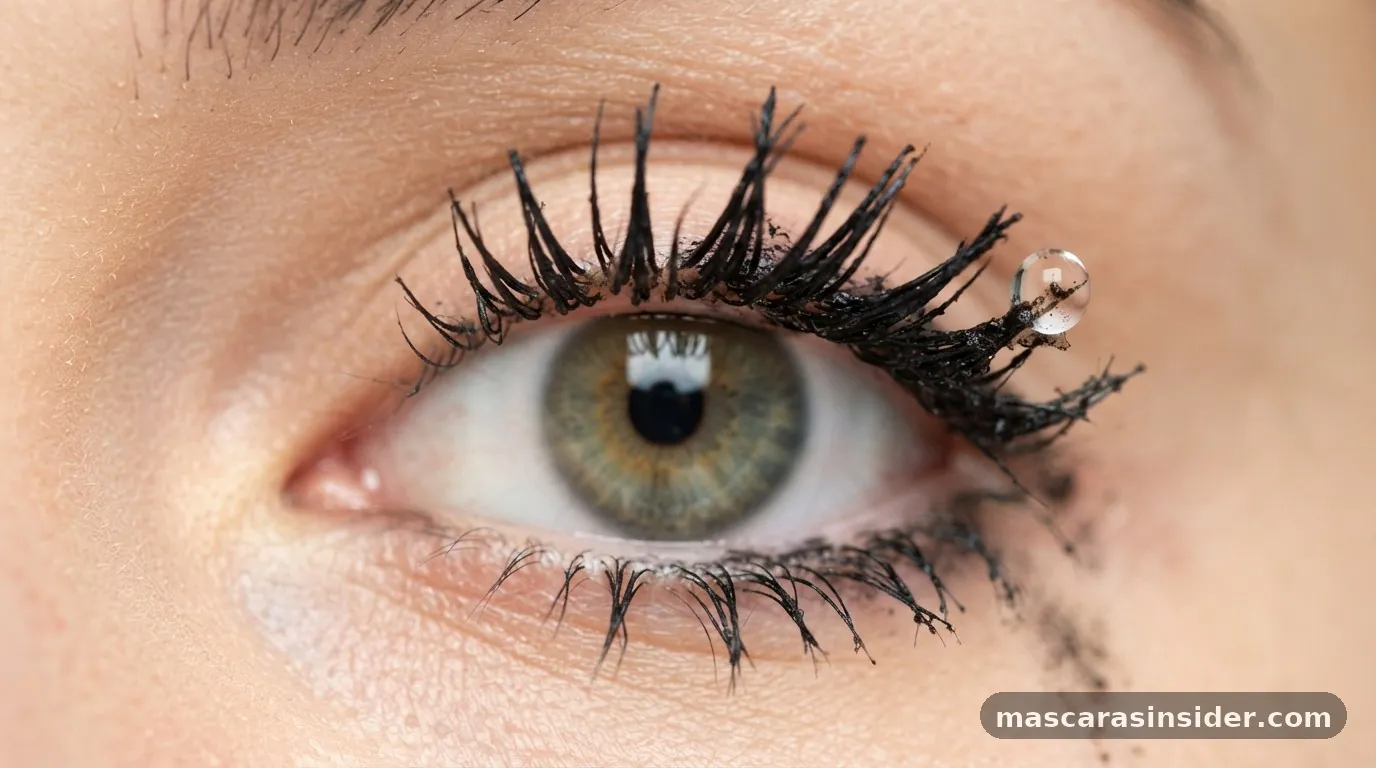
Learning how do i remove waterproof mascara without causing damage to your delicate eye area is a skill every makeup enthusiast needs. Waterproof formulas are designed to resist sweat, tears, and humidity, which makes them incredibly durable but notoriously stubborn to take off at the end of the day.
If you find yourself tugging or pulling at your lashes to get those dark smudges off, you are likely causing unnecessary breakage and irritation. Mastering the right technique involves choosing the right solvent, applying it correctly, and prioritizing the health of the skin around your eyes.
Understanding the Chemistry of Long-Wear Mascara
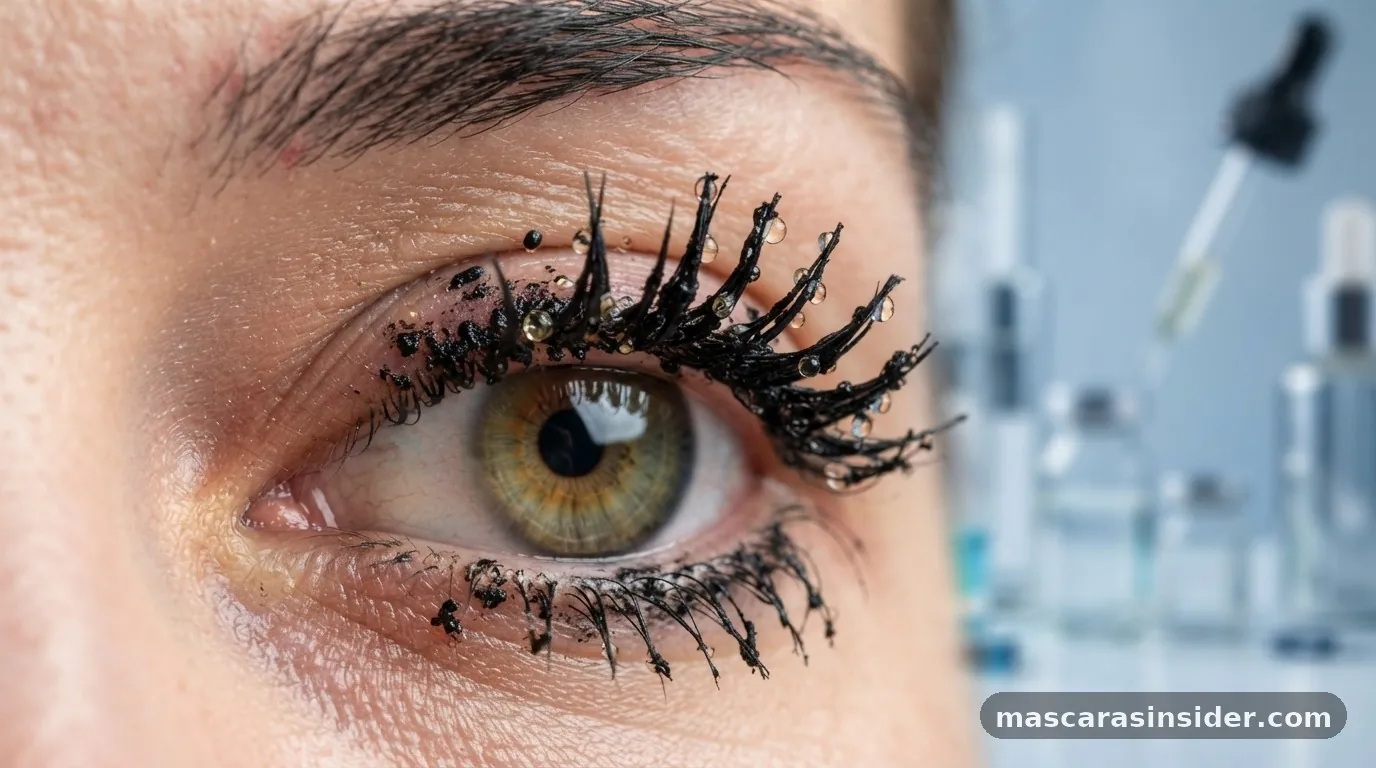
Waterproof mascara stays on through moisture because it contains specialized polymers and waxes that create a hydrophobic barrier. Unlike standard formulas that rely on water-soluble ingredients, these products are formulated to be resistant to the very thing most people reach for first: plain water. When you try to rinse off these products with water alone, the barrier remains intact, often resulting in “raccoon eyes” or, worse, the feeling that you need to scrub your skin aggressively to see any progress.
To effectively break down these bonds, you need a substance that can dissolve waxes and oils. This is why oil-based products are the gold standard for removing waterproof formulas.
The principle of “like dissolves like” applies here; the oils in your cleanser or makeup remover penetrate the waxy coating of the mascara, loosening it from the individual lashes so it can be wiped away with minimal friction. Understanding this chemistry is the first step in protecting your eye area from the inflammation that comes with over-scrubbing.
Selecting the Right Makeup Remover
Choosing the best product for your routine depends on your skin type and personal preference, but generally, you should look for formulas specifically labeled for waterproof use. A dedicated makeup remover often contains a bi-phase formula—a mixture of oil and water—that you must shake before use. The oil component works to dissolve the mascara, while the water-based layer helps sweep away the residue, leaving the skin feeling refreshed rather than greasy.
If you prefer a more luxurious experience, a cleansing balm is an excellent alternative. These solid oils melt into a liquid state upon contact with your body heat, making them incredibly effective at breaking down even the most resilient long-wear products.
Unlike harsh wipes, which can be abrasive, a balm allows you to massage the product over your closed eyes with your fingertips. This method is generally more gentle and provides a more thorough cleanse, ensuring that no pigment is left behind to clog your hair follicles or irritate your eyes overnight.
The Proper Technique for Safe Removal
The most common mistake people make is rushing the process. To safely remove waterproof mascara, you must give the product time to work. Start by saturating a cotton pad or a soft reusable cloth with your chosen oil-based cleanser.
Place the pad directly onto your eye area and hold it there for at least 20 to 30 seconds. This “soaking” period is critical; it allows the oils to soften the mascara, turning the stubborn, crusty formula into a pliable substance that slides off without resistance.
After the hold time, gently sweep the pad downward following the natural direction of your lashes. Never move the pad in a back-and-forth sawing motion, as this promotes lash loss and wrinkles. If you notice remaining residue, resist the urge to scrub.
Instead, take a fresh cotton pad or a dampened Q-tip dipped in a bit of cleanser to carefully address the small areas between the lash line. Patience is the secret weapon of every celebrity makeup artist, as they know that the integrity of the lash line is essential for a polished look.
Utilizing Natural Oils at Home
If you find yourself without a specialized product, many people turn to household staples to get the job done. Natural oils like jojoba, almond, or even coconut oil can act as an effective solvent for waterproof mascara.
These oils are generally safe for most people, but it is important to be mindful of how your skin reacts to them. If you have oily or acne-prone skin, ensure you follow up with a thorough water-based cleanser to remove any remaining oil residue, as this will prevent clogged pores around your eyes.
When using these oils, follow the same “hold and press” method mentioned earlier. Apply a small amount to a clean pad, press it against your lashes, and let the warmth of your skin help the oil penetrate the mascara.
This is a cost-effective and efficient way to take off your makeup without resorting to chemical-heavy alternatives. To learn more about the importance of maintaining eye health during your beauty routine, you can visit the American Academy of Ophthalmology for guidance on safe hygiene practices.
Comparing Common Removal Methods
There are several ways to approach this task, each with its own pros and cons. The table below outlines how different methods perform when dealing with stubborn, long-wear eye makeup.
| Method | Effectiveness | Gentleness |
|---|---|---|
| Bi-phase Liquid Remover | High | Moderate |
| Cleansing Balm | High | Very High |
| Micellar Water (Waterproof) | Medium | High |
| Natural Oils | Medium | High |
As shown in the table, while liquid removers are highly effective, cleansing balms often provide a better balance for those with sensitive skin. Micellar water specifically formulated for waterproof makeup is also a popular choice for those who dislike the feeling of heavy oils on their face, though it often requires a bit more time for the formula to soak into the lashes.
Avoiding Common Pitfalls and Mistakes
Even with the right products, it is easy to fall into bad habits that compromise your lash health. One of the biggest errors is skipping the cleanse entirely because you are tired.
Leaving mascara on overnight leads to stiff lashes that can snap or break when you move during sleep. Furthermore, dried mascara flakes can enter the eye, causing irritation or even small scratches on the cornea.
1. Always wash your hands before touching your eye area to avoid introducing bacteria.
2. Ensure you are using clean pads or cloths every single night to prevent buildup.
3.
Avoid pulling on your lashes while wiping; if the mascara isn’t coming off, apply more product and wait longer.
4. If you wear contact lenses, always remove them before starting your removal process.
5. Pay attention to your lower lash line, as pigment often hides there even after the top lashes look clean.
6.
Use a magnifying mirror to double-check that the roots of your lashes are free of makeup.
7. Integrate a lash serum into your night routine if you feel your lashes have become brittle from frequent waterproof use.
8. Never use harsh household chemicals or soaps that aren’t formulated for the face.
By following these steps, you ensure that your lashes remain healthy and strong, regardless of how often you choose to wear long-lasting formulas. Consistency is the key to maintaining the health of your eyes and the longevity of your natural lashes.
Addressing Frequently Asked Questions
Can I use soap and water to remove waterproof mascara?
It is generally not recommended. Standard soap is formulated to remove surface dirt and oil from the skin, but it is often not strong enough to dissolve the polymers in waterproof mascara. Using soap frequently can dry out the delicate skin around your eyes and lead to irritation.
Is micellar water enough for waterproof formulas?
Only if the bottle explicitly states that it is for waterproof makeup. Standard micellar water is designed for light makeup and will struggle to break down the waxy, water-resistant ingredients in long-wear mascara, leading you to rub your eyes more than necessary, which is harmful to your lashes.
How do I know if I am rubbing too hard?
If you notice redness, swelling, or a stinging sensation after removing your makeup, you are likely applying too much pressure or using the wrong product. Your lashes should never feel like they are being tugged or pulled. If you lose lashes during the process, your technique is too aggressive.
What should I do if my eyes feel irritated after removal?
Immediately rinse your eyes with cool, clean water or a saline solution to ensure no residue is trapped in the eye. If the irritation persists, avoid wearing eye makeup for a few days to allow the skin and the lash follicles to recover and return to their natural state.