
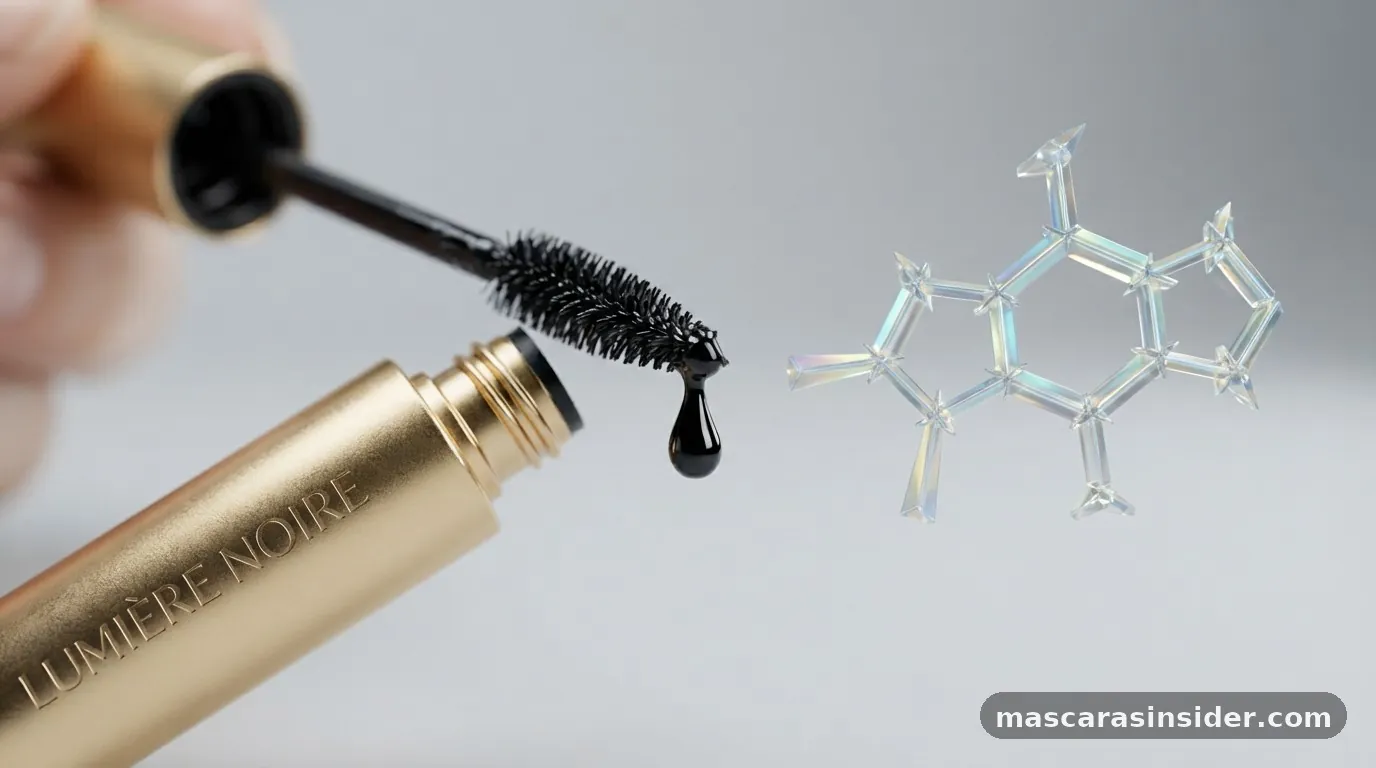
The persistent question of whether mascara is made with bat poop has circulated in beauty forums and urban legend circles for decades. It is a classic example of how a grain of scientific truth can be twisted into a bizarre, widespread misconception.
While the reality of cosmetic chemistry is fascinating, it is far less scandalous than the idea that your favorite eye makeup contains animal waste. To understand why this rumor exists, we must look at the actual chemical components that give mascara its deep, dark pigment and its ability to adhere to your lashes.
At its core, the rumor likely stems from a confusion between the word “guanine” and “guano.” Guano is the term for the excrement of bats and seabirds, which is rich in nitrogen and phosphorus. Guanine, on the other hand, is a crystalline substance that creates a pearlescent or shimmering effect.
Because the two words share a similar phonetic root, it is easy to see how a game of “telephone” could lead someone to believe that their jet-black mascara is derived from bat droppings. In reality, the cosmetic industry relies on precise, lab-tested compounds to ensure safety, consistency, and the desired aesthetic effect.
The Chemical Confusion: Guanine vs. Guano
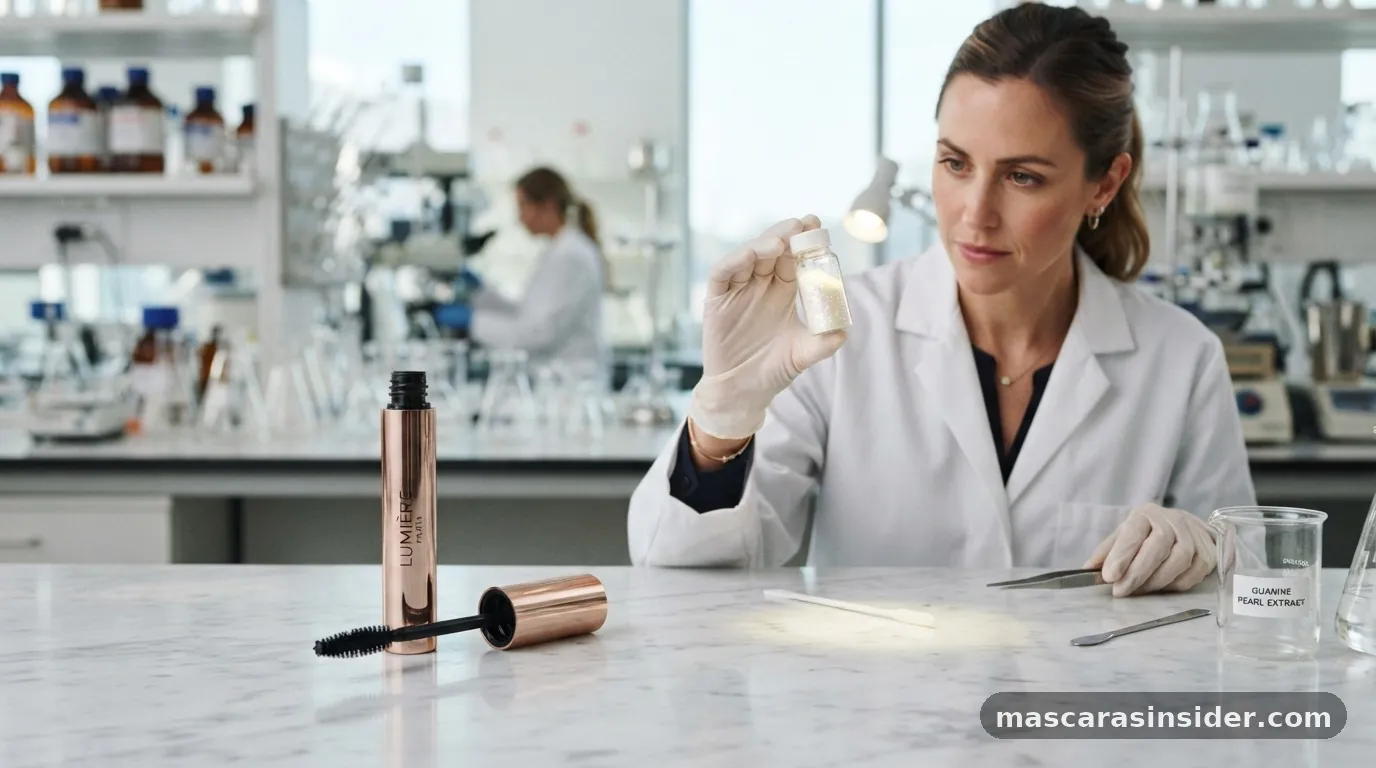
The confusion regarding whether mascara is made with bat poop is fundamentally a linguistic misunderstanding between the chemical compound guanine and the biological substance guano.
Guanine is a naturally occurring nucleobase, one of the four main components of DNA and RNA. In the context of the beauty industry, it is often processed to create a shimmering, iridescent effect in products like eyeshadows, nail polishes, and sometimes highlighters.
Because it reflects light, it provides that “pearl” finish that many consumers find attractive. However, this substance is typically synthesized or extracted from fish scales—specifically those of herring—rather than being harvested from caves.
1. Guano refers specifically to the accumulated excrement of bats or seabirds.
2. Guanine is a crystalline material used for its reflective, pearlescent properties.
3.
The names share an etymological root but describe entirely different substances.
4. Cosmetic manufacturers do not use waste products in the formulation of eye makeup.
When people ask if their makeup contains bat waste, they are often conflating the shimmering agents found in high-end cosmetics with the organic material found in nature. It is important to clarify that even if a product contains guanine, it has undergone rigorous purification processes. You are not applying raw biological matter to your eyes.
The ingredient lists on your makeup are regulated, and any substance used must meet strict safety standards set by health authorities. The idea that a major beauty brand would include bat droppings in a formula is not only scientifically inaccurate but also commercially nonsensical, as it would pose significant contamination risks and violate basic hygiene standards in manufacturing.
What Is Mascara Actually Made Of?
Mascara is a complex emulsion consisting of pigments, oils, waxes, and polymers designed to coat, thicken, and darken lashes. When you open a tube, you are interacting with a carefully balanced chemical cocktail designed for performance.
The primary goal of mascara is to provide a rich, dark color and to hold a curl. To achieve this, manufacturers use a variety of specific ingredients that serve distinct functional roles.
The “black” color is rarely, if ever, derived from anything organic like waste. Instead, it comes from synthetic or mineral-based pigments.
The Role of Pigments and Waxes
The most common pigment used in dark cosmetics is iron oxide, particularly black iron oxide. This mineral provides the intense, opaque color that defines the “mascara look.”
Another common ingredient is carbon black, which is a finely divided form of amorphous carbon. These substances are inert, stable, and widely used because they do not trigger allergic reactions in the vast majority of users.
* Waxes: Beeswax, carnauba wax, and paraffin are used to provide the structure of the mascara. They help the product adhere to the lash and stay in place without smudging.
* Oils: Mineral oils, castor oil, or plant-based oils act as solvents that keep the mascara in a liquid state while it is inside the tube.
* Polymers: These are the unsung heroes of the formula. They help form a film that coats lashes, providing water resistance and preventing the product from flaking off during the day.
* Preservatives: Because mascara is a liquid product used near the eyes, it must contain preservatives like parabens or phenoxyethanol to prevent the growth of bacteria and fungi.
Understanding these ingredients makes it clear that the focus of cosmetic chemistry is on stability and safety. The industry does not look for “cheap” fillers like animal waste; it looks for high-performance chemicals that can survive the heat of a human face and the moisture of the eye area.
The Science of Film-Forming and Adhesion
A high-quality mascara must do more than just color the lashes; it must stay on throughout the day. This is achieved through the sophisticated use of polymers that form a film, which coats the lashes and locks the pigment in place.
The polymer form acts as a structural bridge between the wax and the pigment. When you apply the wand to your lashes, the solvent evaporates, leaving behind a thin, flexible layer of product.
This film coats lashes effectively, ensuring that each hair is separated and thickened. If you have ever noticed that your mascara feels “stretchy” or forms tiny tubes when you remove it, you are experiencing the work of these specialized polymers.
The development of these formulas is a major part of cosmetic research. A company might spend years testing different polymers to find the perfect balance between smudge-proof longevity and easy washability. This level of technical precision highlights the absurdity of the “bat poop” myth.
Using an unrefined, organic waste product would be chemically incompatible with the sophisticated film-forming technologies required for modern beauty standards. Raw organic materials are unpredictable; they vary in composition based on the animal’s diet and the environment. Conversely, the ingredients used in makeup must be consistent down to the molecular level to ensure that every tube sold performs exactly the same way.
Debunking the “Ingredients Mascara” Conspiracy
The rumor that mascara contains “bat poop” persists because people often look at long, complex-sounding chemical names on a label and assume the worst. In the age of viral misinformation, a scary-sounding ingredient list can quickly become the basis for an unfounded health panic.
It is helpful to view the ingredient list as a map of the product’s performance. When you see terms like “stearate” or “polyglyceryl,” you are looking at emulsifiers—substances that keep the oil and water components of the mascara from separating.
When you see “iron oxide,” you are looking at the pigment. None of these are mysterious or dangerous, and certainly, none of them come from bats.
| Ingredient Category | Primary Function | Common Examples |
|---|---|---|
| Pigments | Provides color | Black Iron Oxide, Carbon Black |
| Waxes | Provides structure | Beeswax, Carnauba Wax |
| Polymers | Forms film for longevity | Acrylates Copolymer |
| Solvents | Keeps formula liquid | Water, Isododecane |
| Preservatives | Prevents bacterial growth | Phenoxyethanol, Ethylhexylglycerin |
As shown in the table above, every component of your makeup serves a specific, documented purpose. The idea that a company would hide “guano” in a product is impossible because of the strict labeling requirements enforced by organizations like the FDA in the United States and the European Commission in the EU. You can check the safety of any ingredient through the Environmental Working Group’s Skin Deep database, which provides detailed reports on the toxicity and purpose of thousands of cosmetic ingredients.
How the Beauty Industry Ensures Safety
The beauty industry is subject to some of the strictest manufacturing regulations in the world. Because cosmetics are applied directly to the skin and eyes, the risk of infection or reaction must be minimized through rigorous quality control.
Before a product hits the shelves, it must pass a series of safety tests. This includes “preservative efficacy testing,” which ensures that the formula can resist contamination from the bacteria on your skin or in the air.
If a product were to contain any animal waste, it would be teeming with pathogens such as Salmonella or E. coli. The very first time a batch was tested for microbial content, it would fail, and the entire production line would be halted.
Furthermore, the supply chain for cosmetic ingredients is highly specialized. Companies purchase raw materials from certified chemical suppliers who provide certificates of analysis. These documents prove the purity of the material.
There is no scenario where a supplier would ship “bat droppings” to a cosmetics factory, and there is no scenario where a factory would accept such a shipment. The entire industry is built on the premise of purity and consistency. If you are concerned about what is in your beauty products, the best approach is to read the official ingredient list and look for certifications rather than relying on internet rumors.
Addressing the Topical Gaps in Cosmetic Myths
Many people wonder if there are any animal-derived ingredients in cosmetics, which often leads to the confusion about bat products. While bat poop is not an ingredient, other animal-derived substances can sometimes be found in beauty products, which is why the rise of vegan beauty has become so significant.
For example, carmine is a red pigment derived from crushed cochineal insects. While it is not “poop,” it is an animal product, and it is a common point of contention for vegans. Similarly, lanolin is a grease derived from sheep’s wool.
Because some consumers prefer to avoid these ingredients, they look for products labeled as “vegan” or “cruelty-free.” This movement toward transparency has actually helped clarify what is in our products.
The “bat poop” myth is a distraction from the real, legitimate conversations happening in the beauty space regarding sustainability and animal welfare. By focusing on whether or not a company uses animal byproducts like beeswax or carmine, consumers can make informed choices that align with their ethics.
However, when we focus on myths about waste products, we move away from the reality of chemical safety and toward fear-based misinformation. The beauty industry has moved significantly toward synthetic alternatives that perform better and are more ethical, making the inclusion of any animal-based ingredient increasingly rare.
Frequently Asked Questions
Is it possible that some cheap mascaras use bat poop?
No. Regardless of the price point, all mascara manufacturers must adhere to strict health and safety regulations. Using raw organic waste would result in a product that is highly contaminated and illegal to sell in any regulated market. The myth has no basis in reality.
What if I see “guanine” on my mascara label?
If you see guanine on an ingredient list, it is a crystalline pigment used to create a pearlescent, shimmering effect. It is typically derived from fish scales or synthesized in a laboratory. It is not, and has never been, related to bat or bird droppings.
Why do people think mascara is made from bat droppings?
The myth exists primarily due to a confusion between the words “guanine” (a shimmering cosmetic ingredient) and “guano” (the term for bat/bird excrement). Their similar sound has led to the persistent, false belief that the two are related, which has been amplified by internet rumors.
Are there any animal products in my mascara?
Some mascaras may contain beeswax or other animal-derived waxes. If you are concerned about animal ingredients, look for products labeled “vegan,” which will contain only synthetic or plant-based waxes and pigments. None of these products, however, contain animal waste or excrement.