
When you swipe on your favourite lengthening formula every morning, wondering if does mascara have metal in it is probably the last thing on your mind. However, beauty consumers are increasingly scrutinising product labels to uncover what chemical substances actually touch their sensitive skin.
From trace heavy metals to intentional mineral pigments, navigating the complex formulations of modern beauty supplies requires a closer look at what goes into your daily routine. Understanding these components helps you make informed choices about your eye health and overall wellness.
The Presence of Heavy Metals in Commercial Cosmetics
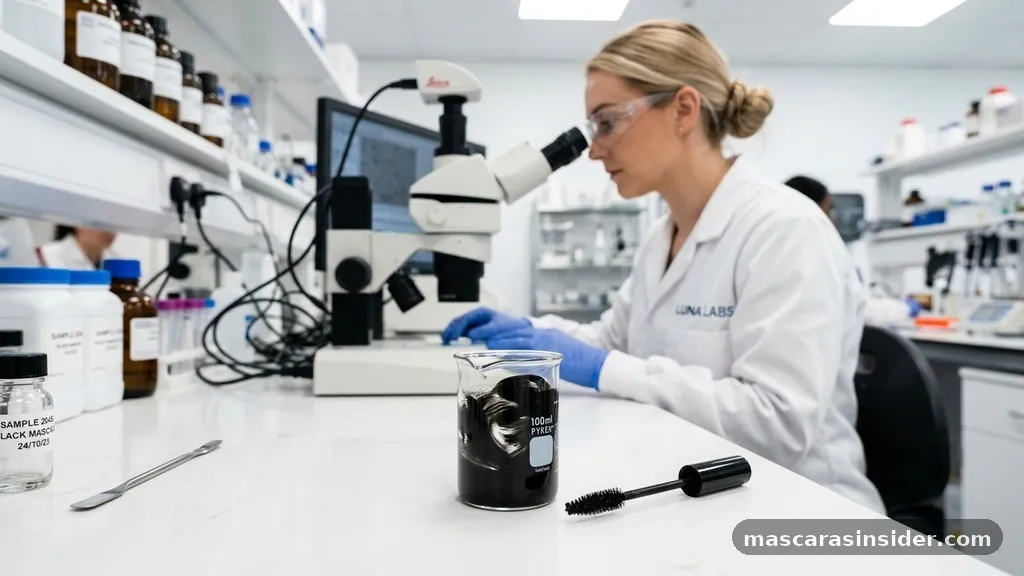
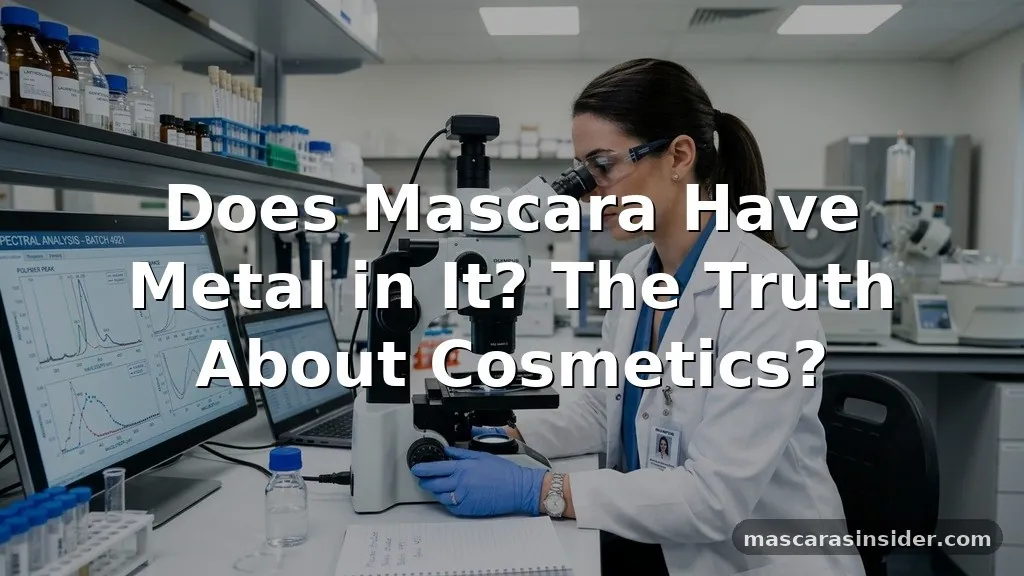
Heavy metals can indeed be found in various beauty preparations, often appearing as unintended trace contaminants rather than active ingredients. When laboratories test standard cosmetics, they frequently detect low levels of elements like lead, nickel, and arsenic.
These substances typically enter the manufacturing chain through raw earth-mined minerals used for coloration. Because the earth naturally contains these elements, extracting mineral pigments means minor traces inevitably carry over into finished formulas.
It is important to distinguish between deliberate additions and unintended byproducts. Manufacturers do not intentionally list lead or arsenic on the back of a tube.
Instead, these trace amounts are the result of imperfect purification processes during raw mineral sourcing. Regulatory bodies monitor these levels closely, establishing permissible limits to ensure that daily application does not pose an immediate health threat to consumers.
Pigments and Colorants: Where Iron Oxides Fit In
One of the primary reasons people ask whether mascara contains metal is the use of rich colorants like iron oxides. Iron oxides are metallic compounds formed by the combination of iron and oxygen, prized for their ability to create deep blacks, warm browns, and vibrant reds. Without these mineral pigments, achieving the rich pigmentation expected from modern eye makeup would be chemically challenging.
Despite containing the word “metal,” iron oxides are chemically stable and widely considered safe for external application around the eyes. Unlike pure elemental metals, these bonded oxides do not easily break down or absorb into the bloodstream through the dermal barrier. They remain on the surface of the hair strands, providing intense color without the systemic risks associated with heavy metal toxicity.
| Ingredient Type | Common Purpose | Metallic Nature |
|---|---|---|
| Iron Oxides | Pigmentation and color | Metal-oxygen compound |
| Titanium Dioxide | Brightening and opacity | Metallic oxide mineral |
| Carbon Black | Jet-black tinting | Non-metal carbon source |
Magnetic Resonance Imaging Concerns and Eye Makeup
A major reason beauty enthusiasts investigate metallic content relates to medical imaging procedures, particularly magnetic resonance imaging scans. Because certain metallic particles can react to powerful magnetic fields by heating up or shifting, medical professionals often advise patients to arrive bare-faced. For comprehensive safety insights on medical imaging preparations, consult guidance from the Food and Drug Administration regarding scan procedures.
While heavy metal traces exist in minute quantities, traditional formulas rarely contain enough ferromagnetic material to cause physical discomfort during a standard scan. However, certain formulations containing magnetic particles or heavy mineral layers can cause localized irritation or artifact interference on brain and orbital scans. Removing all eye makeup before entering the imaging suite remains the gold standard for patient safety.
Evaluating Potential Toxicity and Health Risks
The conversation surrounding toxicity in beauty products often generates anxiety, but context matters significantly when evaluating daily items. Chronic exposure to heavy metals through contaminated items can theoretically lead to cumulative health concerns over many decades. However, the dermal absorption rate of trace impurities found in eye cosmetics is generally extremely low.
Regulatory agencies set strict safety thresholds to prevent adverse reactions, ensuring that cumulative daily use remains well below harmful limits. Despite these safeguards, individuals with reactive skin or underlying sensitivities may experience irritation. Choosing certified clean brands can drastically reduce unwanted contact with heavy metal impurities.
Navigating Clean Beauty and Metal-Free Alternatives
Consumers seeking to avoid all forms of heavy metal contamination often turn to specialized clean beauty brands and plant-based formulations. These alternatives typically replace earth-mined mineral colorants with carbon-based plant dyes or certified organic ingredients. Transitioning to these specialized products offers several distinct advantages for sensitive eyes:
- Elimination of earth-mined mineral pigments that carry trace heavy metal impurities.
- Reduced risk of allergic contact dermatitis and chronic eye irritation.
- Greater transparency regarding ingredient sourcing and independent laboratory testing.
- Utilization of nourishing botanical waxes and oils to condition delicate eyelashes.
Evaluating these alternative options requires reading ingredient labels carefully, as terms like “natural” can sometimes be unregulated. Independent third-party certifications help verify that a product meets strict purity standards.
Addressing Common Misconceptions About Makeup Formulation
Misinformation regarding beauty formulations spreads rapidly across social media platforms, leading to widespread confusion about what is actually inside standard tubes. One prevalent myth is that manufacturers deliberately add toxic elements to enhance performance or longevity. In reality, modern formulation science relies on polymers, waxes, and preservatives to achieve smudge-proof wear.
Another common misconception is that hypoallergenic products are entirely devoid of any metallic compounds. Hypoallergenic simply means the formula is engineered to minimize allergic reactions, not that it is chemically pure in an elemental sense. Understanding how cosmetic chemistry actually works demystifies these products and empowers better consumer choices.
Frequently Asked Questions
Can you wear mascara during an MRI scan?
Technicians generally recommend removing all eye makeup prior to an MRI. While most formulas lack enough magnetic metal to cause severe harm, some pigments can distort imaging results or cause minor skin irritation.
Does Maybelline or L’Oreal mascara contain heavy metals?
Major commercial brands comply with strict FDA and international safety regulations, meaning any heavy metal presence is limited to trace background impurities from mineral colorants rather than intentional ingredients.
How can I find out what is inside my favorite cosmetic products?
Reviewing the ingredient deck on the packaging or checking specialized consumer safety databases like the Environmental Working Group’s Skin Deep database provides detailed breakdowns of product components.
Are there completely metal-free options available on the market?
Yes, several clean beauty brands offer certified organic alternatives that substitute traditional mineral pigments with plant-derived colorants to completely avoid earth-mined impurities.
Conclusion
Navigating the complex world of beauty ingredients ultimately comes down to understanding the distinction between intentional additives and trace mineral impurities. While conventional tubes may contain microscopic traces of heavy metals from earth-mined colorants, these levels are heavily regulated to protect consumer health.
Making informed purchasing decisions allows you to balance beauty goals with peace of mind. Share your thoughts or favorite clean beauty alternatives in the comments below.