
If your eyelids feel swollen, red, and itchy after applying your favorite cosmetic, you might wonder what a mascara allergy look like in real life. Cosmetics can harbor hidden irritants that trigger unexpected immune responses right along the sensitive lash line. Understanding these visual and physical cues helps you distinguish between a simple temporary irritation and a true hypersensitivity to your daily beauty products.
Identifying Physical Signs on Eyelids and Lashes
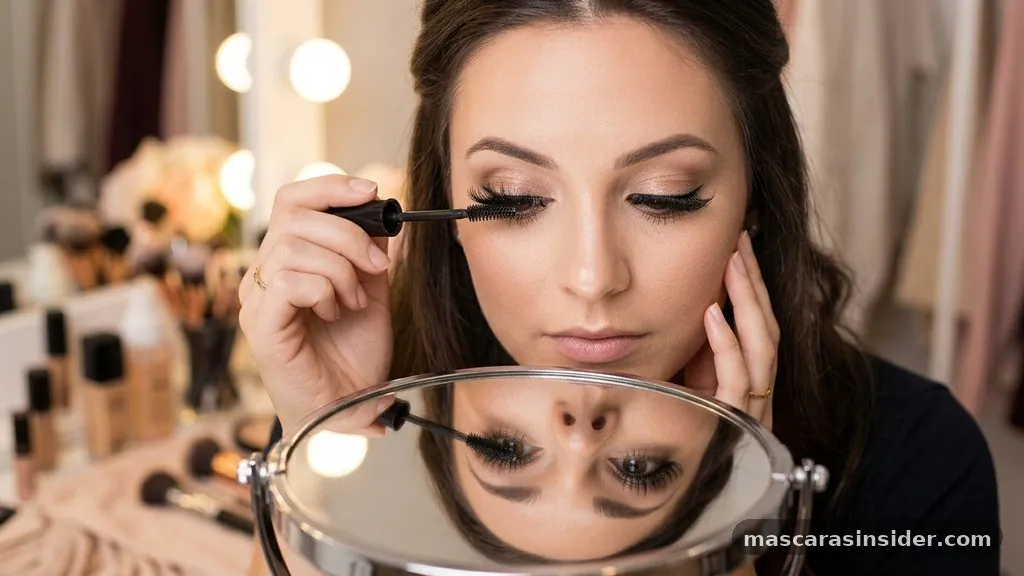
When experiencing an adverse reaction to cosmetics, the delicate skin around your eyes often bears the brunt of the damage. A typical mascara allergy look like sudden redness, flaking, and inflammation along the upper and lower lash lines.
Unlike a general skin breakout, this localized response targets the thin epidermis of the eyelids, making them appear puffy, tight, and occasionally scaly. You might also notice tiny, microscopic bumps forming where the wand touched your skin, signaling that your body is actively fighting off an invading allergen.
Beyond the skin itself, the actual lashes can become crusty or gummed up with inflammatory discharge if the reaction causes mild conjunctivitis. Many people mistake this for a standard stye or dry eye syndrome, but the symmetry of the irritation usually gives it away. If both eyes show identical patterns of discomfort and distress after you use a new cosmetic item, your daily makeup routine is a prime suspect for the underlying cause.
Common Triggers and Chemical Culprits
The formulation of modern cosmetic items involves a complex mix of waxes, preservatives, and pigments that can easily provoke sensitive skin. One frequent allergen found in dark-tinted tubes is black iron oxide or other synthetic colorants used to achieve that dramatic look. Additionally, chemical preservatives like parabens or formaldehyde releasers are notorious for triggering delayed allergic reactions in susceptible individuals.
Another hidden compound to watch out for is propylene glycol, a common humectant that helps keep formulas smooth but frequently leads to localized dermatitis. Even luxury formulations marketed as gentle can contain botanical extracts or fragrance oils that instigate trouble. Reviewing the ingredient label carefully helps you pinpoint which specific component might be responsible for your physical discomfort.
| Reaction Type | Primary Symptoms | Typical Timeline |
|---|---|---|
| Irritant Contact Dermatitis | Burning, stinging, immediate surface redness | Minutes to hours after application |
| Allergic Contact Dermatitis | Intense itching, swelling, blistering, scaling | 24 to 72 hours post-exposure |
| Allergic Conjunctivitis | Watery, red eyes with mild mucous discharge | Shortly after makeup makes contact |
Differentiating Contact Dermatitis from Simple Irritation
It is medically vital to separate true immunological responses from standard mechanical irritation caused by stray brush bristles or flaky debris. True contact dermatitis is an immune-mediated condition where T-cells react to a specific chemical agent, meaning the reaction worsens with repeated exposure. If your eyelids remain swollen for days after you stop wearing makeup, your immune system has likely formed a lasting memory against that specific formula.
Conversely, mechanical irritation usually resolves quickly once you flush the area with saline or water. If you want to dive deeper into how the body handles these immune responses, you can read more about eyelid skin care and reactions provided by dermatological experts. Knowing the difference ensures you treat the underlying issue rather than just masking the surface discomfort.
Diagnostic Approaches and Patch Testing
Pinpointing the exact culprit behind your eye discomfort often requires a methodical investigative approach. A professional dermatological patch test remains the gold standard for identifying delayed hypersensitivity to specific cosmetic components. During this procedure, tiny amounts of common cosmetic ingredients are taped to your back for forty-eight hours to monitor for localized reactions.
At home, you can perform a simplified elimination process by resting your skin from all beauty products for at least one week. Once your skin returns to its baseline state, reintroduce items one by one with a multi-day buffer between each trial. This careful tracking helps you isolate the offending product without subjecting your delicate facial skin to unnecessary flare-ups.
Managing and Treating Eyelid Flare-Ups
When a flare-up occurs, your immediate priority should be soothing the inflamed tissue and preventing secondary infections from scratching. Stop applying all eye makeup immediately and avoid rubbing the area, as friction worsens the inflammation. Applying a cool, damp compress for ten to fifteen minutes several times a day can significantly reduce swelling and calm the burning sensation.
For persistent or severe flare-ups, consult a healthcare professional who may recommend a short course of mild topical treatments or over-the-counter soothing agents. Emollients and barrier-repair creams can also help restore the compromised skin barrier around your eyes. Always prioritize gentle, fragrance-free skincare until your skin completely heals from the episode.
Navigating Hypoallergenic and Alternative Options
Finding a safe cosmetic alternative after experiencing a bad reaction can feel like navigating a minefield of marketing claims. The term hypoallergenic is largely unregulated in many regions, meaning it simply implies the formulation is less likely to cause a reaction, rather than guaranteeing complete safety. Always look for mineral-based formulas with minimal ingredient lists, as fewer components mean fewer opportunities for an adverse immune response.
Here are several practical steps to take when shopping for alternative formulas:
- Request travel-sized samples or tester tubes to check compatibility before committing to a full purchase.
- Check labels for the absence of synthetic fragrances, parabens, and common metal-based colorants.
- Inspect expiration dates strictly, as degraded chemical preservatives often turn gentle formulas into skin irritants.
- Avoid waterproof varieties if possible, since they require harsher chemical solvents to remove at the end of the day.
Frequently Asked Questions
How do I know if I am allergic to my mascara?
You can suspect an allergy if you consistently experience localized itching, redness, scaling, or swelling on your eyelids every time you apply the product. If these symptoms subside when you stop wearing the makeup and return upon reapplication, a sensitivity is very likely.
What mascara can I use if I am allergic?
Look for ophthalmologist-tested, fragrance-free formulas designed for sensitive eyes, typically featuring mineral pigments and natural waxes. Brands that explicitly omit common chemical preservatives and harsh binding agents offer the safest alternatives for reactive skin.
How long does it take for a makeup allergy to go away?
Once you completely stop using the offending product and begin gentle care routines, mild symptoms usually improve within three to five days. More severe cases of contact dermatitis can take up to two weeks to resolve entirely.
Can popular drugstore brands cause eye irritation?
Yes, any cosmetic brand—regardless of price point or popularity—can cause irritation if it contains chemical components your unique skin system rejects. Even widely praised formulations can trigger sensitivities depending on individual biological factors.
Conclusion
Recognizing the visual and physical signs of a cosmetic sensitivity empowers you to protect your delicate eye area from ongoing discomfort. By identifying triggers, embracing patch testing, and selecting truly gentle alternatives, you can maintain a comfortable beauty routine without compromising your skin health. Listen closely to your body’s signals, and never hesitate to consult a professional if your symptoms persist.