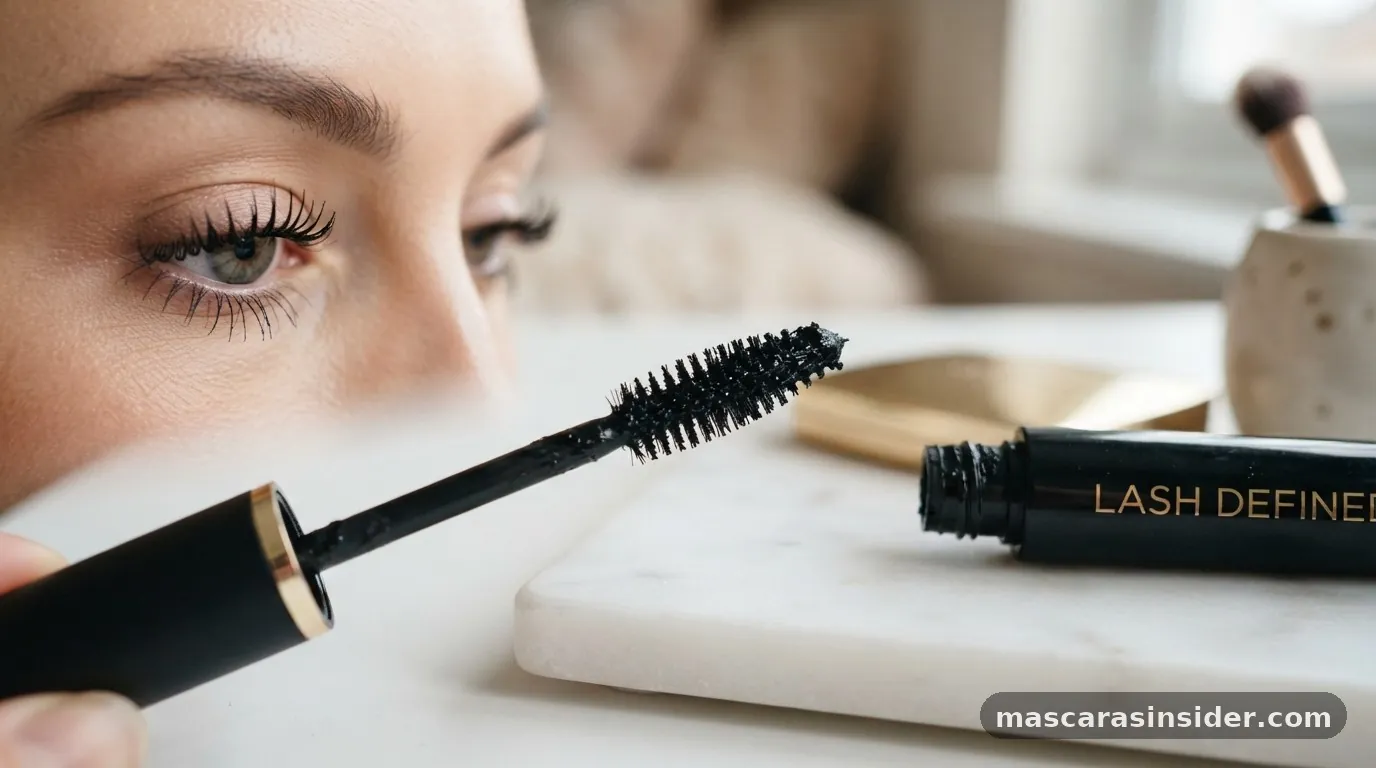
When you stand in front of a mirror and reach for that familiar tube of makeup, you are engaging in a ritual that spans centuries. At its core, mascara is a cosmetic product specifically designed to darken, thicken, lengthen, and define your eyelashes.
Whether you want a subtle, natural enhancement or a bold, dramatic flair, this single tool acts as the centerpiece of most beauty routines. It transforms the appearance of your eyes by framing them with darker, more prominent lashes, effectively creating a focal point for your entire face.
Defining the Essence of Mascara
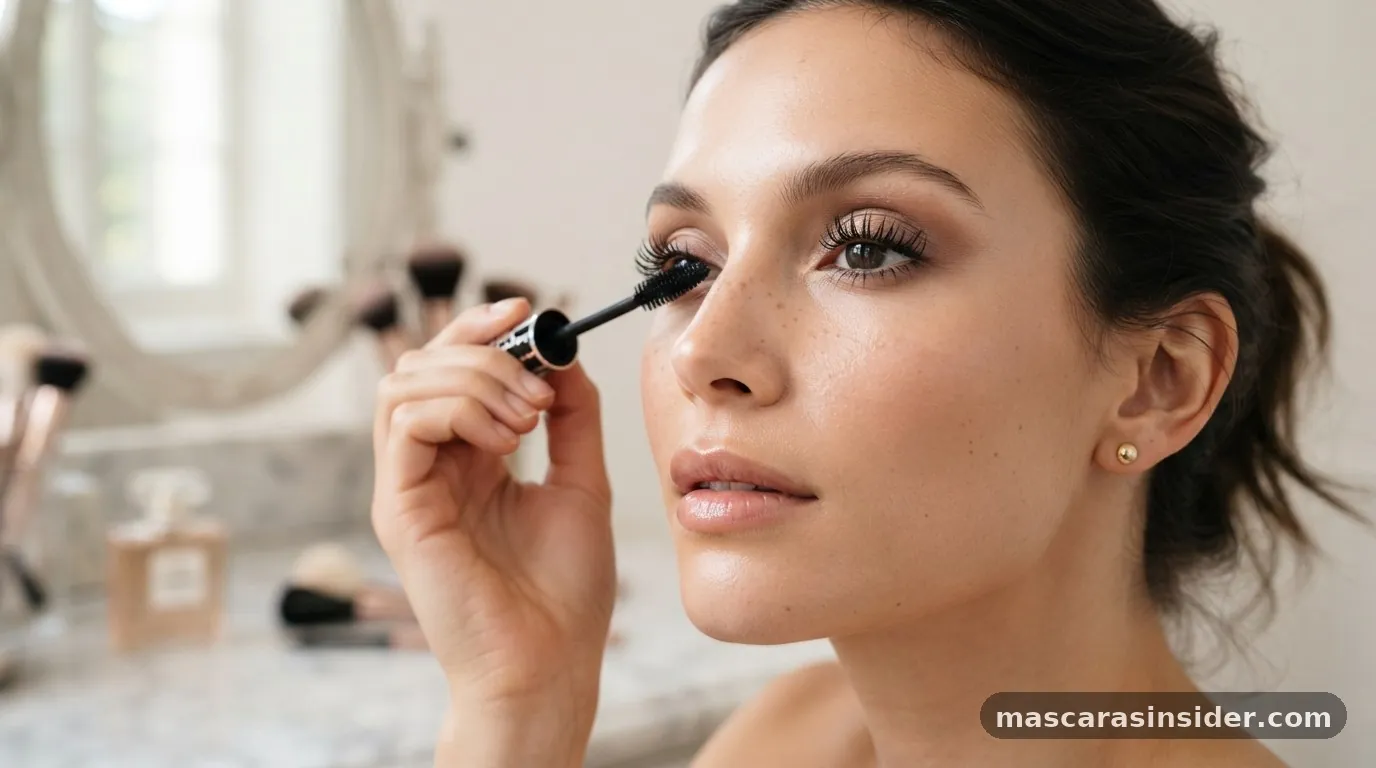
Mascara is a cosmetic formulation typically applied to the eyelashes using a specialized wand or brush to enhance their length, volume, and color. By darkening the fine hairs that surround your eyes, the product creates an optical illusion of depth and intensity.
It is fundamentally a tool for framing the eye, making the whites appear brighter and the iris more vivid. While modern formulas are sophisticated chemical blends, the basic objective remains unchanged: to accentuate the natural beauty of the lash line.
The word “mascara” itself has an interesting linguistic history. It is believed to have roots in the Italian word “maschera,” which means mask or stain, and the Spanish “máscara.” Historically, the term was used to describe anything that acted as a temporary cover or enhancement.
In a modern dictionary, you will find it classified as a noun referring to the pigment-heavy substance used specifically for the ocular region. It serves as a bridge between simple grooming and artistic expression, allowing individuals to customize their look based on the occasion.
The Chemical Composition of Modern Lash Products
Modern mascaras are complex emulsions designed to adhere to individual lashes without clumping or smudging throughout the day. A standard product typically contains a precise balance of pigments, oils, waxes, and polymers.
Pigments like iron oxides provide the deep black or brown color, while waxes such as carnauba, beeswax, or paraffin help the formula maintain its structure and coat each hair evenly. Polymers are the unsung heroes of the tube, as they create a flexible film that holds the curl and prevents the product from flaking off as it dries.
Beyond these basics, manufacturers often add conditioning agents to keep the lashes supple. Ingredients like panthenol, vitamin E, and various plant-derived oils are frequently included to ensure the hair does not become brittle or dry. Because the eye area is incredibly sensitive, these formulas must be rigorously tested to prevent irritation.
You might notice that some labels emphasize “ophthalmologist-tested” status; this is a vital safety standard that confirms the product is unlikely to cause adverse reactions during daily use. Understanding what goes into your makeup helps you make informed choices about which formula will best suit your specific needs.
The Evolution of Lash Enhancement Tools
The history of lash darkening is nearly as old as civilization itself. Ancient Egyptians were known to use kohl—a mixture of galena, malachite, and other minerals—to darken their lashes and eyelids.
They believed this served both a spiritual and a practical purpose, protecting the eyes from the harsh glare of the sun and keeping away evil spirits. While the materials have shifted from crushed minerals to refined synthetic compounds, the fundamental desire to emphasize the eyes remains a constant human trait.
In the late 19th century, the product as we recognize it today began to take shape. Eugene Rimmel, a French perfumer, developed the first non-toxic commercial version using petroleum jelly and coal dust. Later, in 1915, T.L.
Williams created a similar product for his sister, Maybel, which eventually led to the creation of one of the world’s most famous cosmetic brands. The transition from cake-based formulas, which required a damp brush to activate, to the modern tube-and-wand system in the 1950s revolutionized how people apply makeup, making the process faster and far less messy.
How to Achieve the Perfect Application
Applying this product effectively is as much about technique as it is about the formula itself. To get the best results, start at the very base of your lashes. Place the brush against the root and wiggle it slightly from side to side before pulling it upward through the tips.
This “wiggling” motion ensures that you deposit enough pigment at the base to create volume, while the upward stroke lengthens the individual hairs. By layering, you can build intensity, but be careful not to let the first coat dry completely if you want to avoid a spiky or clumpy texture.
1. Start with clean, dry lashes to ensure the product adheres properly.
2. Use an eyelash curler before application to provide a lift that opens the eyes.
3.
Remove excess product from the brush by wiping it on the tube rim to prevent clumping.
4. Apply the wand to the roots and wiggle horizontally to distribute the pigment.
5. Sweep the brush upward through the length of the lashes in a slow, steady motion.
6.
Use the tip of the wand to touch up smaller lashes in the inner and outer corners.
7. Allow the first coat to set for a few seconds before deciding if a second layer is needed.
8. Use a clean spoolie brush to separate any lashes that have stuck together.
Comparing Different Types of Mascara Formulas
Not all tubes are created equal. Depending on your goals—whether you want waterproof durability, extreme volume, or a natural flutter—you will need to select the right category. The following table illustrates the common variations you will find on the market today.
| Formula Type | Primary Benefit | Best For |
|---|---|---|
| Volumizing | Thickens the appearance of lashes | Thin or sparse lashes |
| Lengthening | Extends the reach of each lash | Short or blunt lashes |
| Waterproof | Resists moisture and smudging | High humidity or long events |
| Tubing | Forms polymer tubes around lashes | Those with sensitive or oily skin |
Waterproof versions are particularly popular for weddings or summer days, as they rely on waxes and volatile solvents that do not dissolve in water. However, they can be tougher to remove and require a dedicated oil-based cleanser.
Tubing mascaras are a modern innovation that uses tube-forming polymers. Instead of painting the lash, they wrap it in a tiny sleeve that slides off easily with warm water, making them a gentle option for those who find traditional formulas too harsh to scrub away.
Addressing Common Concerns and Topical Gaps
One question that often arises is whether men should use lash-enhancing products. While the beauty industry has historically marketed these items to women, the rise of grooming awareness has led many men to adopt subtle, clear, or brown formulas to define their eyes without looking like they are wearing heavy makeup. Another common concern involves the health of the lashes.
Many people worry that frequent use will cause their natural lashes to fall out. In reality, the loss of lashes is usually caused by aggressive removal rather than the product itself. Always be gentle when taking off your makeup.
If you are curious about the official standards for safety and labeling, you can check the Food and Drug Administration’s cosmetic guidelines to understand how ingredients are monitored. This ensures that the pigments and preservatives used in your favorite tube meet public health expectations. Another gap in common knowledge is the shelf life of these items.
Because the wand goes in and out of the tube, it introduces bacteria into the container. Experts generally recommend replacing your product every three months to ensure it remains hygienic and effective. If you notice a change in smell, texture, or if you develop an eye infection, stop using it immediately.
The Role of the Brush in Final Results
The applicator, or brush, is arguably as important as the formula itself. Different brush shapes are engineered to achieve different looks. A thick, fluffy brush is usually designed to pick up a lot of product, making it ideal for creating massive volume.
Conversely, a thin, plastic-bristled brush is perfect for precision, allowing you to reach those tiny, hard-to-access lashes at the inner corner of the eye. Some brushes are curved to mimic the natural arc of the lash line, which helps in lifting the lashes as you apply the color.
If you find that your current product isn’t giving you the look you want, try a different brush style before giving up on the formula. You can even buy disposable spoolies to better control the distribution of the pigment. The way you hold the brush also matters.
Holding it vertically allows for more targeted application, while holding it horizontally provides a broader sweep across the entire lid. Experimenting with these small adjustments can make a massive difference in how your eyes look and how much time you spend on your morning routine.
FAQ
How long should I keep my mascara?
You should replace your tube every three months to prevent bacterial growth. Even if the product hasn’t run out, the wand picks up germs from your lashes and introduces them into the container, which can lead to eye infections over time if used for too long.
Can I use waterproof formulas every day?
While waterproof options are great for longevity, they can be drying and difficult to remove. Using them daily may lead to lash breakage during the removal process. It is generally better to reserve them for special occasions or humid weather and use a standard formula for daily wear.
What is the best way to remove it?
Use an oil-based makeup remover or a gentle micellar water. Soak a cotton pad and hold it against your closed eyelid for about thirty seconds. This breaks down the waxes and polymers, allowing you to wipe the product away gently without pulling or tugging on your delicate lash hairs.
Does it help lashes grow?
Standard products do not contain ingredients that stimulate hair growth. While some brands include conditioning peptides that may help prevent breakage—which can make lashes look healthier and fuller—they are primarily decorative, not medicinal. If you want growth, look for specific lash serums rather than makeup.