
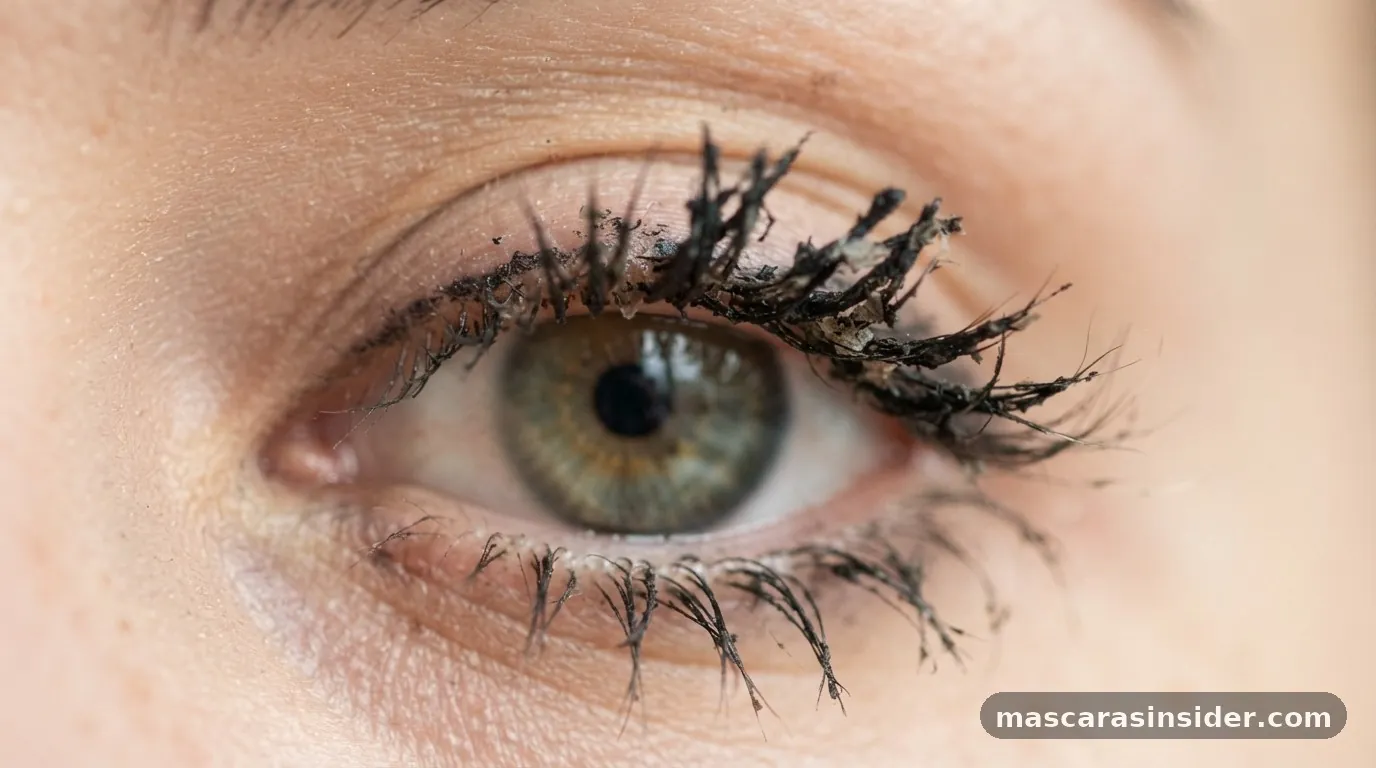
Many people who invest in professional eyelash extensions find themselves missing the added drama and thickness that a coat of mascara provides. While the initial application of extensions creates a beautiful, full look, it is natural to wonder: can I put mascara on my lash extensions without ruining the investment? The short answer is generally no, but there are specific nuances and rare exceptions that require a deep dive into how these products interact with the adhesive used to bond your extensions to your natural lashes.
When you pay for a professional set of extensions, you are essentially paying for a maintenance-free morning routine. The moment you introduce mascara, you complicate the cleaning process and threaten the longevity of the bond.
Most technicians advise against it entirely, yet the desire for extra volume often leads clients to search for alternatives. Understanding the chemistry behind your lashes is the best way to keep them looking fresh for as long as possible.
Why Standard Mascara Harms Your Lash Extensions
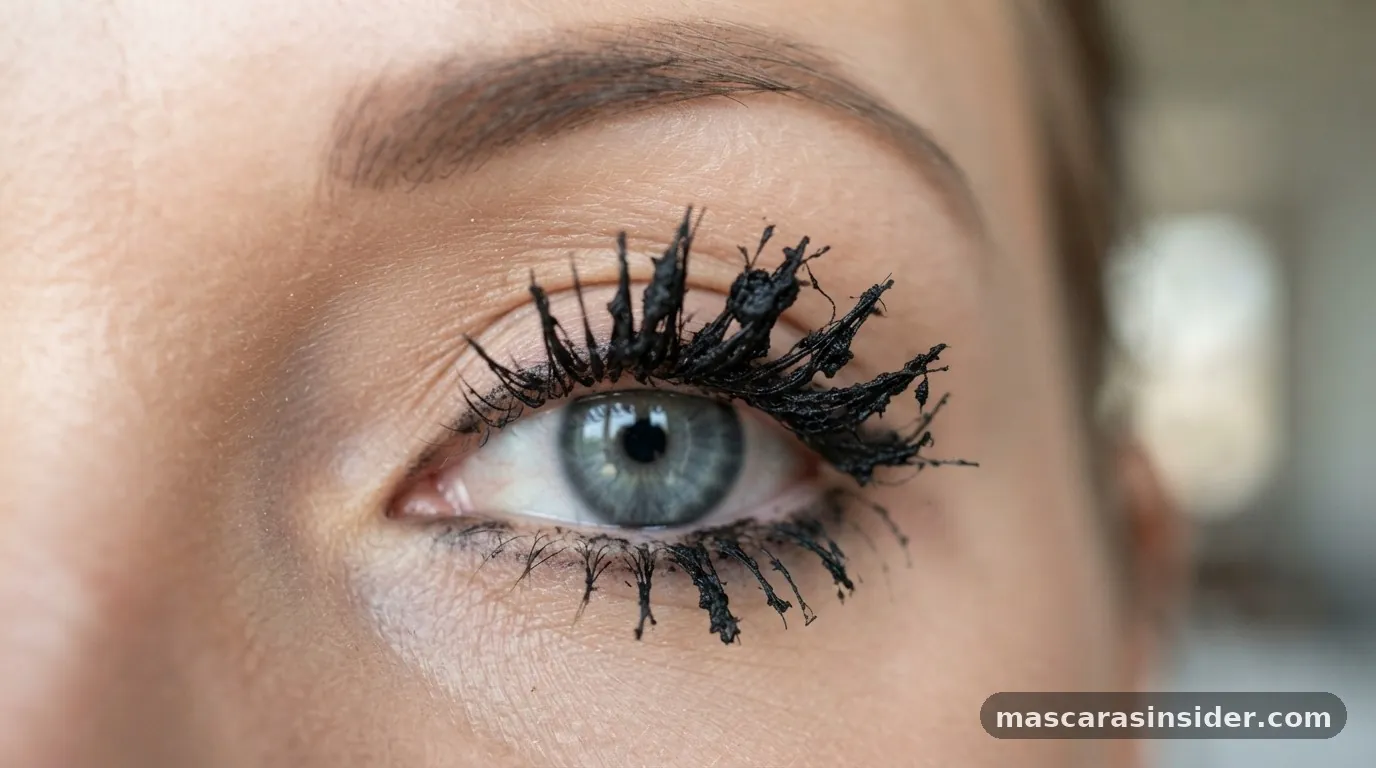
Standard mascara is formulated with waxes, pigments, and often oils that are designed to coat and thicken hair strands. When you apply these products to lash extensions, they create a heavy, clumpy layer that is incredibly difficult to remove without tugging at the delicate fibers.
The primary reason you should avoid traditional products is the potential for chemical breakdown. Most mascaras contain ingredients that can dissolve the adhesive bond between your extension and your natural hair.
1. The weight of standard mascara can cause the extension to droop or lose its curl, leading to premature shedding.
2. Ingredients like mineral oils or beeswax in traditional formulas act as a solvent, causing the glue to soften and eventually fall off.
3.
Because extensions are synthetic or silk, they don’t absorb product the same way natural hair does, leading to a “crusty” buildup that attracts bacteria.
4. Removing stubborn makeup requires mechanical force, which leads to breakage of your natural lashes.
When the bond is compromised, you aren’t just losing the money spent on the service; you are also risking the health of your own lashes. If you find yourself consistently needing more volume, it usually means your current set of extensions is either thinning out or wasn’t designed for the density you desire. Instead of reaching for a tube of mascara, the better approach is to talk to your lash artist about moving to a “volume” or “mega-volume” set during your next fill.
The Danger of Oil-Based Ingredients
The relationship between oil and extension glue is one of the most critical concepts for any client to understand. Almost all professional-grade lash adhesives are cyanoacrylate-based, and these compounds are notoriously sensitive to lipids.
If you use an oil-based product anywhere near your eyes, that oil will eventually migrate down to the lash line. Once the oil hits the bond, it begins to break down the polymerization of the glue.
This process doesn’t happen instantly, which is why some people think they can get away with using their favorite makeup for a few days. However, you will notice that your extensions start shedding much faster than they should. If you are determined to use a product, you must strictly avoid any ingredient list that features castor oil, mineral oil, or petroleum-based derivatives.
If you are curious about the specific chemical interactions involved in lash care, you can read more about the safety of eye cosmetic products as outlined by official health guidelines. Knowing what to avoid is half the battle in maintaining the integrity of your beauty investment. Always check the label of your facial cleansers and moisturizers as well; if they are oil-heavy, they might be the silent killers of your lash retention.
Identifying Extension-Safe Mascara Options
If you absolutely must wear extra makeup for a special event, you should only use products specifically labeled as extension safe. These formulas are typically water-based and designed to be easily removed with a gentle, oil-free cleanser.
They lack the heavy waxes and oils that destroy the glue bond. Even then, you should only apply these products to the very tips of the extensions rather than the base where the adhesive is located.
Characteristics of safe formulas:
- They contain no oils or waxes that degrade cyanoacrylate.
- The texture is lightweight, preventing the “clumping” effect.
- They are designed to be removed with simple water or a mild, non-oily lash bath.
- They are usually fiber-free to prevent snagging on the extensions.
When you shop for these, look for terms like “oil-free,” “water-soluble,” or “lash-extension friendly.” Be aware that even with these specialized products, your retention will likely suffer if you use them daily. Frequent application and removal of any product, even safe ones, adds friction to the lashes.
Friction is the enemy of longevity. If you want to keep your extensions looking perfect for the full three-week cycle, it is best to treat your eyes as a “makeup-free zone” as much as possible.
How to Properly Apply Makeup Around Your Extensions
If you decide to proceed with a safe, water-based product, the right application technique is paramount. Never start at the root. The base of your extension is the most vulnerable area, and applying any product there will lead to buildup that is impossible to clean away.
Instead, focus your efforts on the outer third of the lash length. This provides the appearance of added darkness and definition without interfering with the structural integrity of the attachment point.
5. Use a clean, disposable spoolie to brush through your lashes before applying any product.
6. Apply the mascara only to the tips of the lashes, using a very light hand.
7.
Allow the product to dry completely without blinking excessively, which can cause transfer onto your eyelids.
8. At the end of the day, use a specialized lash cleanser to gently wash the area.
Consistency in your cleaning routine is just as important as the product you choose. If you leave any residue behind, it becomes a magnet for dirt, dust, and natural skin oils, which will eventually cause the extensions to clump together.
A proper lash bath using a foaming cleanser and a soft brush is the only way to ensure your lashes stay clean and healthy. If you find your lashes looking messy, it is usually a sign that you need to prioritize your cleaning schedule.
Topical Gaps: Managing Expectations and Maintenance
Many people ask, “Can I use mascara on lash clusters?” The answer differs slightly from professional semi-permanent extensions. Cluster lashes are often applied with different adhesives, sometimes even temporary strip-lash glue.
If you are using DIY clusters, you have a bit more freedom, but you must be careful not to glue the clusters to your eyelid skin. However, the same rule applies: avoid oil.
Another common gap in knowledge is the impact of water-resistant mascaras. Many people assume “waterproof” means “long-lasting,” but in the world of extensions, waterproof is a disaster. Waterproof formulas are designed to be removed only with harsh oil-based removers.
Using a waterproof product on extensions is a guaranteed way to ruin them in a single day. You will have to scrub so hard to get the product off that you will inevitably pull out the extensions and your natural lashes along with them.
Finally, consider the look you are trying to achieve. If you find yourself reaching for mascara, it is a clear indicator that your current style isn’t meeting your aesthetic needs. Instead of masking the problem, communicate with your lash artist.
Ask them to increase the volume or try a different curl pattern. A skilled artist can create a look that is so full you won’t even think about adding extra makeup.
Table: Comparing Product Types for Lash Extensions
| Product Category | Compatibility | Impact on Retention | Removal Difficulty |
|---|---|---|---|
| Standard Mascara | Incompatible | High (Damages bond) | Very High |
| Waterproof Mascara | Strictly Avoid | Severe (Destroys bond) | Extreme |
| Water-Based Mascara | Conditional | Low (if used on tips) | Low |
| Clear Lash Sealant | Recommended | Improves retention | None |
This table highlights the clear distinction between products that can potentially be used and those that are strictly off-limits. If you are looking to enhance the appearance of your lashes, a clear lash sealant is a much better investment than any colored mascara. Sealants are designed to protect the bond from oils and environmental debris, effectively lengthening the time between your fill appointments.
Frequently Asked Questions
Can I use a lash curler on my extensions?
No, you should never use a mechanical lash curler on extensions. The pressure can snap the synthetic fibers or cause the adhesive bond to crack. If your extensions have lost their curl, it is time for a professional fill or a lash bath to fluff them back up.
How often should I wash my lash extensions?
You should wash your lashes at least once every day, especially if you wear makeup or have oily skin. Using an oil-free, gentle foaming cleanser is essential to remove sweat, salt, and debris that accumulate at the lash line and degrade the adhesive over time.
Is it okay to wear eyeliner with extensions?
Yes, but you must use an oil-free, felt-tip liquid liner. Avoid pencil or gel eyeliners, as they contain waxes and oils that will migrate into the lash line. Always use a gentle, oil-free makeup remover to wipe away the liner without touching the lashes themselves.
What if I accidentally got oil on my lashes?
If you accidentally use an oil-based product, wash your eyes immediately with a lash-safe cleanser. While one incident likely won’t ruin your entire set, repeated exposure will definitely cause premature shedding. Blot the area gently with a lint-free cloth rather than rubbing to minimize friction.