
Many people wonder if waterproof mascara is bad for you, especially when they notice their lashes feeling brittle or thinning after daily use. While these long-lasting formulas provide an incredible defense against humidity, sweat, and tears, they often require more aggressive removal techniques that can stress delicate hair follicles.
Choosing between a smudge-proof look and the long-term health of your eyes involves balancing aesthetic goals with proper hygiene. By understanding how these specific polymers interact with your natural lashes, you can make informed decisions about your daily beauty routine without compromising the health of your eyes.
The Chemical Composition of Waterproof Formulas
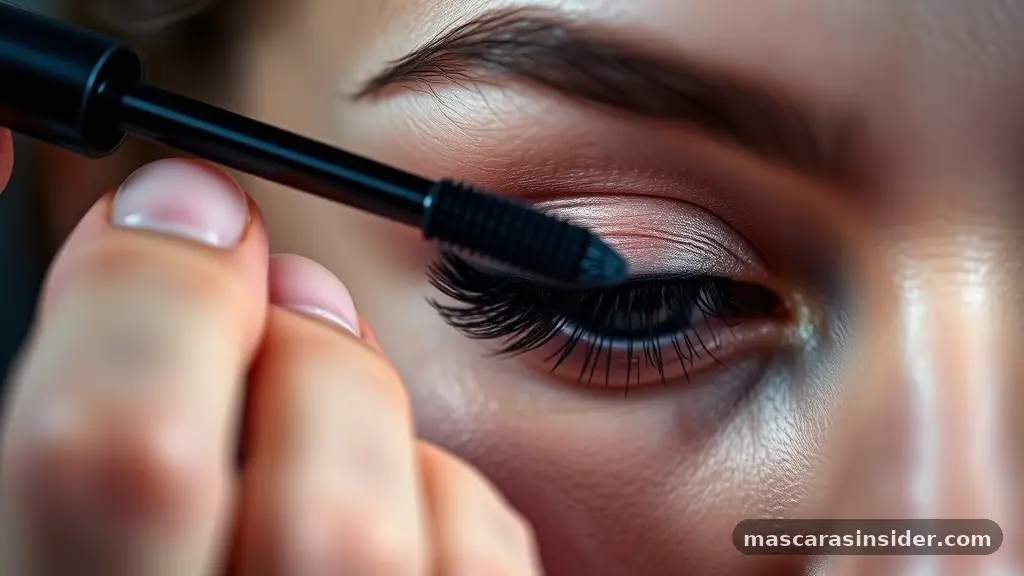
Waterproof mascara relies on a distinct set of chemical properties to stay in place. Unlike standard formulas that use water as a primary solvent, these versions utilize waxes and volatile silicones that repel moisture.
When you apply these products, the liquid carrier evaporates, leaving behind a hydrophobic film that coats each individual hair. This creates a seal that prevents the pigment from bleeding or running when exposed to wet conditions.
The primary ingredients often include isododecane, which is a lightweight hydrocarbon that provides excellent spreadability while ensuring the product dries quickly. Because this substance does not dissolve in water, the mascara remains intact even during intense physical activity or humid weather. However, this same durability makes it resistant to standard facial cleansers.
Manufacturers often add synthetic polymers to increase adhesion, ensuring the product clings to the lash shaft for long periods. While these ingredients are generally safe for external use, their persistence can lead to complications if they are not removed thoroughly every single night.
Why Removal Technique Matters for Lash Health
The most common reason people find that waterproof mascara is bad for you stems from the removal process rather than the formula itself. Because the product is designed to resist water, rubbing, tugging, or using harsh mechanical friction to clean your eyes can lead to significant lash loss.
When the mascara is still hardened from the day, the lashes become stiff. If you pull on these stiffened hairs with a cotton pad or towel, you are putting immense physical stress on the root.
To mitigate this risk, you must use an oil-based makeup remover or a dedicated bi-phase cleanser. Oil effectively breaks down the hydrophobic waxes and silicones, allowing the product to slide off the lash without requiring forceful rubbing.
When you use the right solvent, the mascara dissolves into a gentle emulsion that can be wiped away with minimal effort. Prioritizing a soft, dissolving approach protects the hair cuticle and prevents the premature shedding that many users mistakenly blame on the mascara formula itself.
Potential Risks of Long-Term Daily Wear
Frequent, daily use of heavy-duty formulas can lead to a state of dryness for your lashes. Because these products encapsulate the hair, they can prevent natural oils from reaching the shaft, which may leave the lashes feeling brittle over time.
If you do not allow your lashes to “breathe” or if you skip proper conditioning, the structural integrity of the hair can weaken. This is particularly true if you are also using a mechanical eyelash curler after the mascara has already dried.
Another factor to consider is the accumulation of residue. If you are not meticulous about cleansing, tiny flakes of old product can remain trapped at the base of the lash line. This buildup can clog the follicles and irritate the sensitive skin around the eye.
While it is rarely a medical emergency, persistent irritation can lead to redness, itching, or even blepharitis, which is an inflammation of the eyelid. Maintaining a strict hygiene routine is the best way to ensure that your choice of makeup doesn’t negatively impact your ocular health.
Comparing Waterproof and Regular Mascara
Choosing the right type of mascara often comes down to your lifestyle and the specific environment you navigate. Regular mascara is water-soluble, meaning it washes off easily with soap and water or a gentle face wash.
This makes it a better candidate for everyday office wear or situations where you want to minimize the time spent on your evening routine. However, it lacks the staying power needed for high-moisture environments.
| Feature | Waterproof Mascara | Regular Mascara |
|---|---|---|
| Removal Method | Oil-based cleanser required | Water or gentle cleanser |
| Moisture Resistance | High (pool, sweat, rain) | Low (smudges easily) |
| Lash Stress | Higher due to removal | Lower |
| Best For | Events, humid weather | Daily office wear |
Understanding these differences helps you rotate your products. You might choose to use a waterproof formula for a wedding or a gym session, while opting for a standard formula for your daily commute. By limiting the use of heavy-duty products, you reduce the cumulative stress on your lashes and simplify your nighttime cleansing process.
The Impact of Ingredients on Sensitive Eyes
Many people who find that waterproof mascara is bad for them actually have an undiagnosed sensitivity to specific preservatives or waxes. Ingredients like carnauba wax, beeswax, or iron oxides are standard in the beauty industry, but they can trigger contact dermatitis in some individuals. If you notice swelling, burning, or persistent itching after applying your makeup, you may be reacting to a specific chemical agent rather than the “waterproof” aspect itself.
Checking the ingredient list is a vital step for anyone with sensitive skin. Look for products that are ophthalmologist-tested and fragrance-free, as these are less likely to cause irritation near the delicate eye area.
If you struggle with chronic dryness, you might find that some formulas contain alcohol, which can exacerbate the issue by stripping moisture from the lashes. Finding a formula that balances performance with soothing ingredients like panthenol or vitamin E can make a significant difference in how your eyes feel throughout the day.
Best Practices for Safe Application
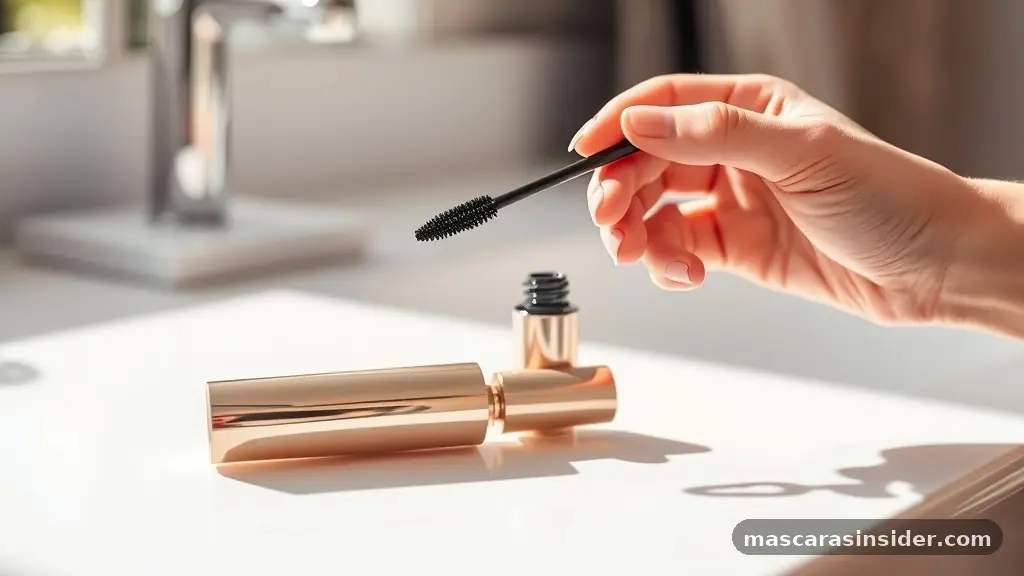
Applying mascara correctly is just as important as removing it. Many people make the mistake of pumping the wand inside the tube, which introduces air and bacteria into the container.
This practice can lead to the product drying out faster and becoming a breeding ground for microorganisms. Instead, gently swirl the wand to pick up the right amount of product.
You should also ensure that you are not applying too many coats. While layering can provide dramatic volume, it also increases the weight on your lashes, which can cause them to droop or break under the strain. Aim for two coats maximum and focus the product at the roots, brushing outwards to the tips.
Keeping the application light ensures that the product doesn’t become too heavy or difficult to remove later in the evening. If you want a more natural look that still lasts, consider using a tubing mascara, which forms tiny water-resistant cylinders around the lash and slides off easily with warm water.
Addressing Topical Gaps: The Truth About Lash Growth
A common misconception is that wearing waterproof mascara permanently stunts lash growth. In reality, your lashes have a natural growth cycle that lasts several weeks before they shed and are replaced.
If you are noticing significant lash loss, it is often a result of physical trauma during the removal process rather than the mascara inhibiting the follicle itself. If you suspect your lashes are thinning, take a break from all makeup for a week to see if the shedding slows down.
For those who want to support lash health, incorporating a nourishing serum can be highly effective. These serums often contain peptides or amino acids that strengthen the hair shaft from the inside out.
When you combine the use of a high-quality serum with gentle makeup removal techniques, you can enjoy wearing your favorite products without fearing long-term damage. According to the American Academy of Ophthalmology, maintaining clean makeup habits is essential for preventing eye infections and protecting your vision.
When to Replace Your Mascara
Even if you love a particular waterproof formula, you must replace it every three months. Mascara is a liquid product that sits in a dark, warm environment—the perfect place for bacteria to grow. Using an expired tube increases your risk of developing a stye or a bacterial infection, which can be far more damaging to your lashes and eyes than the makeup itself.
If you notice that the texture of your mascara has changed, or if it has developed an off-putting smell, discard it immediately regardless of how long you have had it. Do not attempt to “revive” dried-out mascara by adding water or oil, as this alters the chemical balance of the preservative system and renders it ineffective. Keeping a fresh supply is a fundamental part of responsible beauty care.
Choosing the Right Tools for Removal
The tools you use to remove your makeup are just as important as the cleanser. Avoid using rough cotton rounds that have a textured surface, as these can snag on your lashes. Instead, reach for soft, reusable microfiber cloths or high-quality cotton pads that are saturated with your oil-based remover.
Hold the saturated pad against your closed eyelid for at least thirty seconds. This “soaking” period allows the oil to dissolve the wax bonds of the waterproof formula. Once the product has softened, gently sweep downward in the direction of your lash growth.
Never rub back and forth in a horizontal motion, as this tangles the lashes and encourages them to break. By treating the removal process as a gentle ritual rather than a chore, you ensure the longevity and health of your eyelashes.
Integrating Mascara into a Healthy Routine
If you find that waterproof mascara is bad for you, it is likely because it has become the default option for every day. By treating it as a “special occasion” product, you can enjoy the benefits of its durability without the drawbacks of constant, high-intensity removal. Consider using a standard, water-resistant formula for your daily look, which offers a middle ground between the extreme hold of waterproof options and the ease of regular formulas.
Additionally, always prioritize a double-cleansing method. Use an oil-based cleanser first to melt away the waterproof makeup, followed by a gentle, water-based face wash to remove any remaining residue.
This two-step process ensures that your skin and lashes are perfectly clean before you go to bed, allowing your eyes to rest and recover overnight. Being mindful of these small adjustments will help you maintain beautiful, healthy lashes for years to come.
FAQ
Does waterproof mascara cause eyelashes to fall out?
Waterproof mascara does not directly cause lashes to fall out, but the aggressive removal process often does. When you scrub or pull on hardened, waterproof lashes, you create physical trauma that leads to breakage. Using an oil-based cleanser to dissolve the product prevents this damage.
Is it safe to wear waterproof mascara every day?
You can wear it daily if you are diligent about your removal routine and use high-quality, hydrating products. If you notice your lashes becoming brittle or dry, consider switching to a standard formula for your daily look and reserving the waterproof version for events or high-humidity days.
How do I know if I am having a reaction to my mascara?
Signs of an allergic reaction or sensitivity include persistent redness, itching, burning, or swelling around the eyelid. If you experience these symptoms, stop using the product immediately. If the irritation persists after you have washed the makeup off, consult an eye care professional for advice.
What is the best way to remove waterproof makeup without damaging lashes?
The best method is the “soak and slide” technique. Apply an oil-based makeup remover to a soft cotton pad, hold it against your closed eye for thirty seconds to break down the wax, and gently wipe downward. This avoids the mechanical friction that causes lashes to break or fall out.
Conclusion
Ultimately, determining if waterproof mascara is bad for you depends largely on your personal hygiene and how you approach your evening cleansing routine. These formulas are not inherently dangerous, but their durability requires a more intentional approach to removal to avoid damaging your natural lashes. By using oil-based cleansers, avoiding harsh scrubbing, and knowing when to give your lashes a break, you can safely enjoy the benefits of a smudge-proof look.
Remember that your eyes are incredibly sensitive, so choosing quality products and replacing them regularly is the best way to maintain long-term ocular health. If you have been struggling with lash health, try switching up your removal technique tonight and see the difference a gentler touch can make for your beauty routine.
Meta Description: Is waterproof mascara bad for you? Learn how to protect your lashes, choose the right formulas, and remove makeup safely for long-term eye health.