
Deciding whether you can put mascara on eyelash extensions is a common dilemma for those who want that extra bit of drama without sacrificing their investment. While many lash technicians advise against it, there are specific situations where a light touch might be necessary. Understanding the delicate relationship between your lash bond and cosmetic products is key to maintaining your look.
By learning which formulas are safe and how to apply them without damaging the adhesive, you can enjoy the best of both worlds. This article explores the nuances of using eye makeup with extensions, ensuring your natural lashes stay healthy and your extensions last as long as possible.
Understanding the Lash Extension Bond
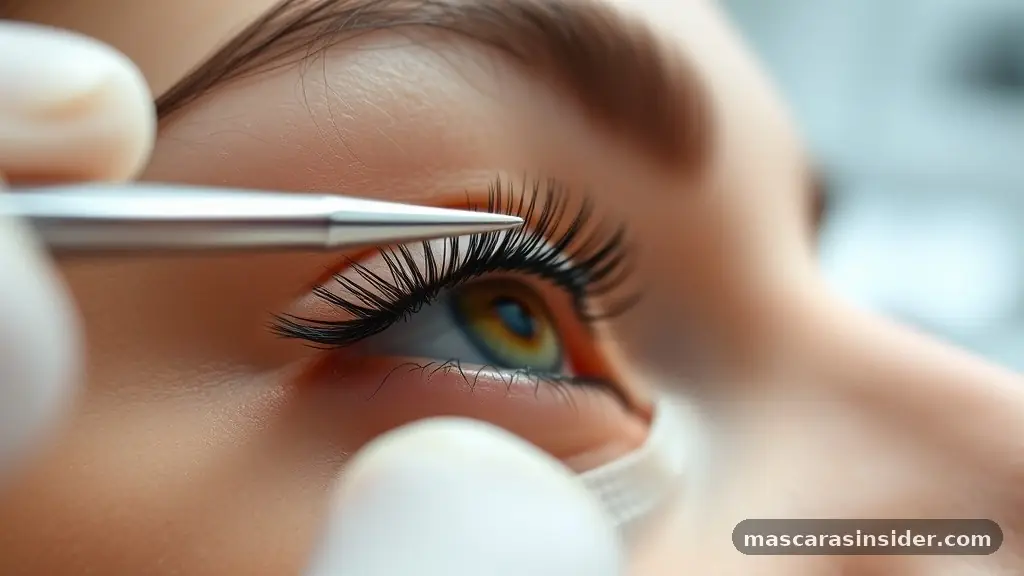
To grasp why adding extra product is often discouraged, you must first understand how your extensions stay in place. Lash extensions are attached to your natural lashes using a medical-grade cyanoacrylate adhesive.
This bond is extremely sensitive to foreign substances, particularly oils and high-friction movements. When you introduce a traditional cosmetic product, you risk disrupting the polymerization process of the glue.
If you frequently apply heavy products, the weight can cause the extensions to droop or twist. This physical stress, combined with the chemical composition of many beauty products, weakens the bond prematurely.
Most technicians want you to avoid heavy makeup because the removal process is where the most damage occurs. Scrubbing at your eyes to clean off pigment is the fastest way to pull out your extensions before their natural shedding cycle.
The Risks of Using Traditional Mascara
Most standard mascaras found in drugstores contain waxes, oils, and polymers designed to coat and thicken natural hair. These ingredients are the primary enemies of professional lash extensions.
Oil-based formulas, in particular, will break down the glue bond, causing your extensions to slide off or clump together. Even if you think you are applying it carefully, the product inevitably creeps toward the base of the lash where the adhesive is most concentrated.
Beyond the chemical interaction, the viscosity of traditional products poses a mechanical risk. As the formula dries, it hardens around the synthetic fibers, making them stiff and brittle.
This lack of flexibility means that every time you blink, you are tugging at the bond. Over time, this constant mechanical stress leads to premature lash loss, leaving you with gaps that are difficult to fill until your next professional appointment.
Why Oil-Free Formulas Are Essential
If you are determined to wear a dark pigment, you must strictly stick to oil-free options. The industry standard for those who insist on using extra product is a water-based formula. These are specifically manufactured to be extension-safe, meaning they do not contain the solvents that dissolve medical-grade adhesives.
When you shop for these products, look for labels that explicitly state they are compatible with lash extensions. An oil-free formula will glide onto the synthetic fibers without leaving a residue that softens the bond. Even with these specialized products, moderation is vital.
You should only ever apply the product to the tips of the lashes, never the base. Treating your lashes like a delicate silk garment rather than a durable surface will help you maintain your desired look for the full duration of your fill cycle.
Proper Application Techniques for Lash Wearers
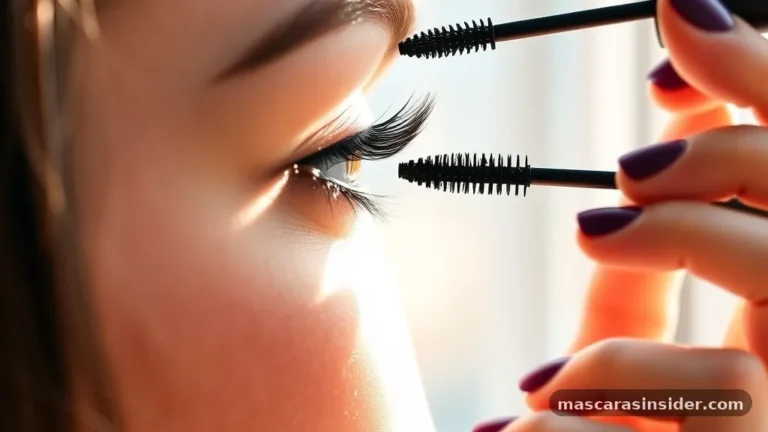
Applying product to extensions requires a different approach than applying it to your natural lashes. You should never use a standard wand, as the spoolie can snag on the synthetic fibers and pull them out. Instead, use a clean, disposable micro-swab or a very fine-tipped brush to apply the product.
Start by wiping off any excess product from the applicator until it is nearly dry. Gently brush the pigment onto the very tips of the extensions, avoiding the root area entirely. This technique provides the darkening effect you want without weighing down the base or interfering with the adhesive.
If you find yourself needing to wiggle the wand to get coverage, you are likely using too much product. Precision is the best way to ensure your extensions remain fluffy and separated rather than clumped.
The Importance of Gentle Removal
The most critical part of the process isn’t the application; it is the removal. You must use a dedicated lash cleanser that is formulated to be gentle on the adhesive bond. Avoid standard makeup removers, as many contain hidden oils or harsh surfactants that can strip the bond instantly.
A high-quality, oil-free foam cleanser is the gold standard for maintaining the health of your extensions. You should use a soft, fluffy brush to work the cleanser into your lash line, moving in a downward motion to lift away the makeup. Rinse with lukewarm water and pat dry with a lint-free cloth or a paper towel.
Never rub your eyes with a cotton pad, as the fibers will snag on the extensions and create a messy, tangled look. For more information on maintaining your natural lash health, you can visit the American Academy of Ophthalmology for general eye care guidance.
Evaluating Your Lash Style
Not all extensions are created equal, and your specific style will dictate whether you even need extra pigment. Classic lashes, which involve a single extension per natural lash, provide a clean, mascara-like look on their own. Adding more product to a classic set often looks clumpy because there are fewer fibers to separate the product.
Volume lashes, on the other hand, are composed of lightweight fans. These fans are already quite full and fluffy, so applying extra product is usually unnecessary and counterproductive.
The product will fill in the gaps between the fans, destroying the airy, textured look that volume lashes are famous for. If you find yourself consistently needing more drama, it is almost always better to talk to your technician about switching to a thicker diameter or a fuller volume set during your next refill rather than reaching for the makeup bag.
Topical Gaps: Addressing Common Concerns
A common question is whether you can apply products to lash clusters. Clusters are often applied with different adhesives than individual extensions, and they are usually intended for temporary use. If you are wearing clusters, you have more freedom, but you must still be careful not to damage your natural lashes during the removal process.
Another gap in common knowledge is the difference between an eyelash lift and extensions. If you have had a lift, you have essentially permed your natural hair. In this case, you are perfectly safe using any mascara you like, as there is no glue bond to compromise.
However, if you have extensions, you must remember that you are working with a synthetic material. The synthetic fiber does not absorb the product like a natural lash, so the pigment simply sits on the surface, waiting to be cleaned off.
Common Mistakes to Avoid
Many people fall into the trap of applying the product too close to the eyelid. This creates a buildup of dried makeup and dead skin cells at the base of the lash line, which can lead to infections like blepharitis. Keeping the root area clean is non-negotiable for eye health.
Another frequent error is applying the product while the lashes are damp or tangled. Always brush your extensions with a clean, dry spoolie before doing anything else.
This ensures that the lashes are perfectly aligned and separated. If you apply makeup over tangled lashes, you are essentially “locking” that tangling in place, which makes it nearly impossible to fix without a professional deep-clean session.
Maintaining Your Look Between Appointments
If you want to keep your lashes looking fresh, focus on maintenance rather than masking. Use a lash sealant to protect the adhesive from humidity, oils, and environmental debris. A good sealant acts as a barrier, keeping your bond strong and your extensions perfectly in place.
Consistency is your best friend when it comes to lash maintenance. Clean your lashes daily, brush them morning and night, and avoid sleeping on your face.
When you treat your extensions with care, you will find that you don’t even miss the extra makeup. The goal of getting extensions is to simplify your routine, not to add more steps that could potentially damage your natural lashes.
Comparison of Lash Enhancement Methods
The following table compares the compatibility of various lash enhancement methods with traditional mascara.
| Lash Enhancement Method | Mascara Compatibility | Maintenance Level |
|---|---|---|
| Classic Lash Extensions | Low (Requires specialized formula) | High |
| Volume Lash Extensions | Very Low (Not recommended) | High |
| Lash Lift & Tint | High (Any formula) | Low |
| Natural Lashes | High (Any formula) | Low |
Essential Tips for Lash Longevity
- Always use an oil-free, water-based cleanser to remove makeup.
- Avoid waterproof mascaras entirely, as they require oil-based removers.
- Use a clean spoolie to separate your lashes daily.
- Apply any extra product only to the tips of the lashes.
- Schedule your refill appointments every 2 to 3 weeks.
- Consult your technician before trying new eye products.
FAQ
What happens if you use regular mascara on extensions?
Using regular mascara on extensions will likely cause the glue to break down, leading to premature shedding. The ingredients in standard formulas are often oil-based or waxy, which soften the adhesive bond. Additionally, the stiff nature of the dried product can pull on your natural lashes and cause tangling.
Are there specific mascaras safe for lash extensions?
Yes, there are water-based, oil-free formulas specifically designed for extensions. These products provide a darkening effect without compromising the integrity of the adhesive. Always verify the ingredients list to ensure there are no oils, glycols, or silicones that might weaken the bond between the extension and your natural lash.
How do I clean my lashes after wearing makeup?
To clean your lashes, use an oil-free foam cleanser specifically made for lash extensions. Apply the foam with a soft, clean brush, gently working it through the lashes in a downward motion. Rinse thoroughly with lukewarm water and pat dry, ensuring all residue is removed to prevent buildup at the base.
Can I wear mascara on the bottom lashes?
Yes, wearing mascara on your bottom lashes is generally safe because those lashes do not have extensions attached. However, be careful during application to ensure the product doesn’t transfer to your upper lash extensions when you blink. Use a waterproof formula on the bottom if you are prone to smudging.
Final Thoughts on Lash Care
Deciding whether you can put mascara on eyelash extensions ultimately comes down to your willingness to prioritize the longevity of your set. While it is technically possible to use specific, oil-free formulas, most experts agree that the risk of damaging your natural lashes or causing the extensions to clump is rarely worth the result. By investing in a high-quality set of extensions and maintaining them with proper, oil-free cleansing, you can achieve a dramatic look that lasts.
If you find yourself reaching for the makeup wand, take it as a sign that it is time for a fill or a change in your lash style. Treat your extensions with care, keep your lash line clean, and enjoy the convenience of waking up ready to go every single day.
Meta Description: Thinking about using mascara with your extensions? Learn if you can put mascara on eyelash extensions safely and how to protect your lash bond.