
Deciding whether to add definition to your lower lash line is a classic makeup dilemma that balances personal style with eye shape anatomy. Many people wonder, do you put mascara on bottom lashes, or is it better to leave them bare to keep the focus strictly on the top? The truth is that there is no universal rule written in the makeup handbook; rather, it depends on the look you want to achieve and how your specific eye structure reacts to cosmetic products throughout the day.
The Aesthetic Impact of Mascara on Lower Lashes
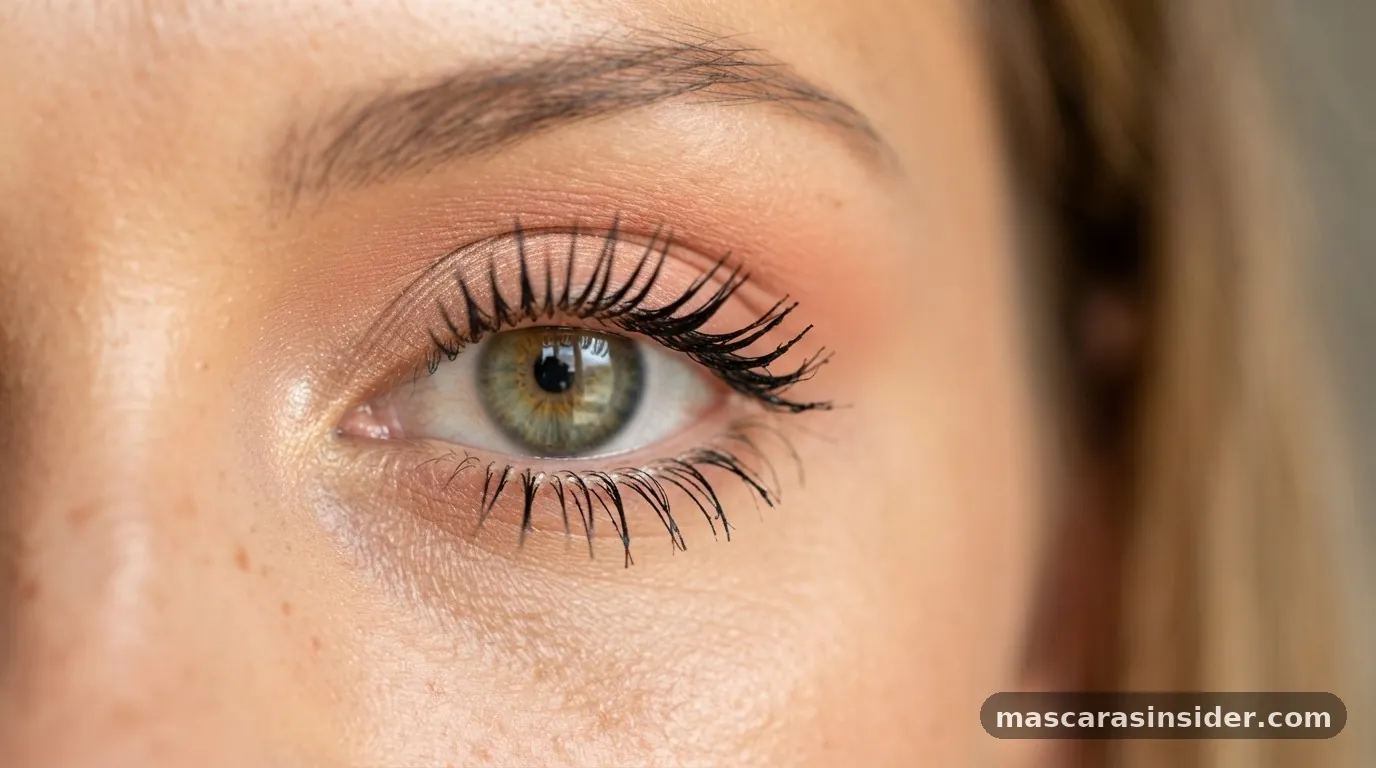
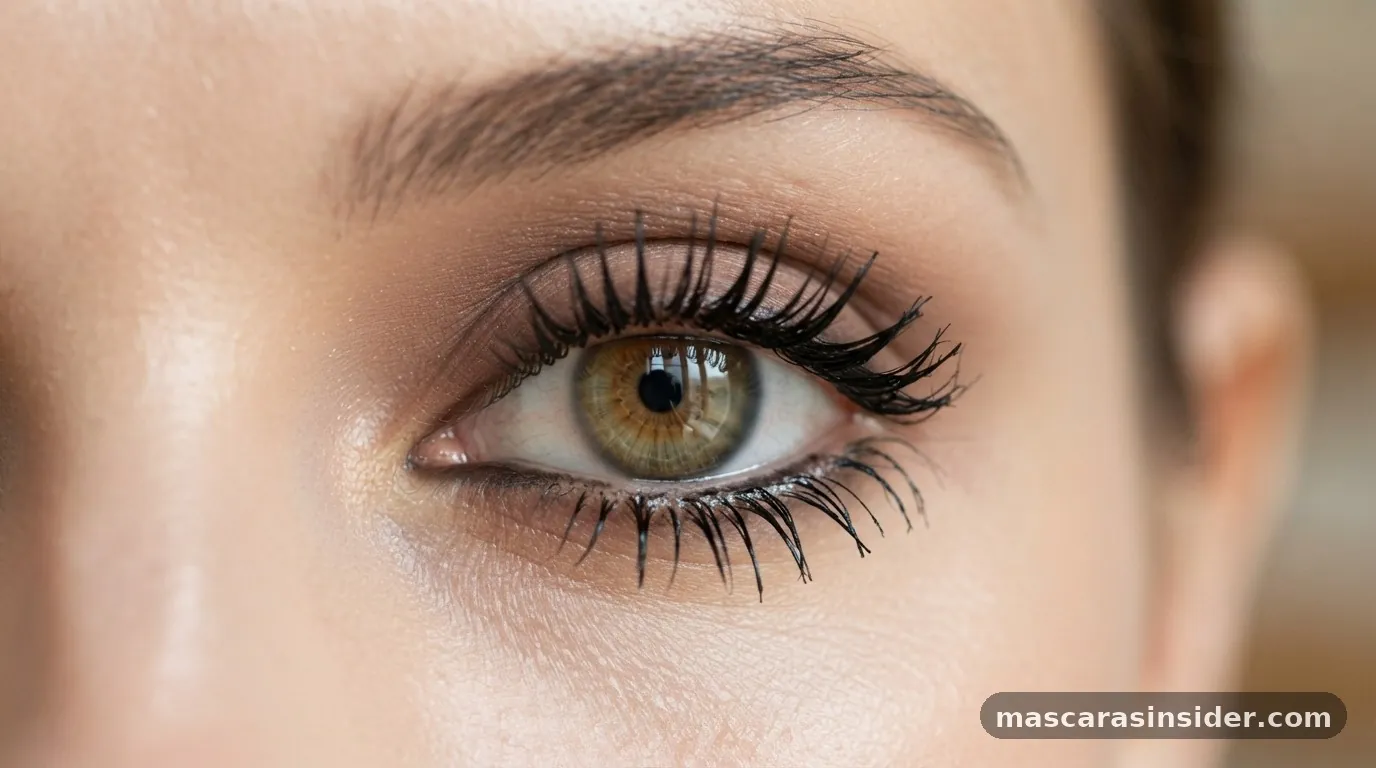
Adding product to your lower lashes creates a more defined, doll-like appearance that draws significant attention to the center of the face. When you apply pigment to these fine hairs, you essentially create a frame for the entire eye, which can make the irises pop and contribute to a more finished, formal aesthetic. This technique is often favored in high-glamour makeup routines because it balances the weight of heavy eyeshadow or bold eyeliner on the top lid.
However, the impact isn’t always about making the eyes look larger. Sometimes, emphasizing the bottom lash line can actually close the eye off if the application is too heavy or the formula is too thick.
If you have deep-set eyes or significant dark circles, adding dark pigment right underneath can inadvertently emphasize shadows, making the area look tired rather than bright and awake. The choice to include this step should be guided by your natural eye shape and the specific occasion for which you are getting ready.
Common Concerns and Potential Downsides
One of the most frequent reasons people skip this step is the tendency for product to smudge or migrate onto the skin during the day. Because the lower lash line sits right against the delicate skin of the under-eye area, any oil, sweat, or moisture can cause the pigment to travel downward. This creates the dreaded “raccoon eye” effect, which is often more noticeable with standard formulas that aren’t designed to resist movement.
Beyond smudging, some individuals find that applying product to the bottom creates a look that feels dated or overly dramatic for casual settings. Trends shift frequently; while the 1960s mod look relied heavily on clumpy, defined lower lashes, modern minimalist trends often lean toward clean, bare lower lash lines to maintain a fresh, youthful appearance. If you choose to skip this step, you aren’t breaking a rule—you are simply opting for a more diffused, natural aesthetic that lets your top lashes do the heavy lifting.
How to Apply Mascara to Lower Lashes Without Smudging
If you decide to embrace this step, mastering the technique is essential for a clean, long-lasting result. The primary goal is to deposit enough pigment to define the lashes without overloading them with a heavy, wet formula that will inevitably end up on your concealer.
1. Start by wiping the excess product off your mascara wand using a tissue before moving toward your face.
2. Hold the wand vertically, rather than horizontally, to gain more control over individual hair placement.
3.
Use the very tip of the brush to lightly coat the lashes, starting from the root and wiggling outward.
4. Try using a waterproof formula specifically for the lower lashes to ensure the pigment stays locked in place even if your eyes water or the skin becomes oily.
5.
If you struggle with a full-sized brush, consider using a specialized fan-shaped brush or a disposable spoolie to apply the product with precision.
6. Let the product dry completely before you blink heavily or look up, which prevents the wet tip of the lash from touching your under-eye skin.
Comparing Application Styles for Different Looks
Your choice of application can drastically change your overall makeup vibe. The following table outlines how different techniques affect your final look and the level of maintenance required.
| Technique | Visual Effect | Maintenance Level |
|---|---|---|
| Bare lower lashes | Natural, fresh, youthful | Very low |
| Light coat (Brown/Clear) | Subtle definition, soft | Low |
| Full coat (Black/Volumizing) | Bold, dramatic, retro | High (prone to smudging) |
| Lower-outer corner only | Cat-eye lift, subtle | Medium |
Addressing the Aging Concern: Does It Make You Look Older?
There is a persistent myth that applying pigment to the lower lash line automatically adds years to your appearance. This isn’t inherently true, but the way you apply it matters significantly.
As we age, the skin around the eyes becomes thinner and more prone to fine lines. If you apply a thick, clumpy layer of black product, it can settle into these fine lines or emphasize dark shadows, which might contribute to a tired look.
To avoid this, many makeup artists recommend switching to a brown or soft charcoal shade for the bottom lashes rather than a harsh, deep black. A softer color provides definition without the stark contrast that highlights skin texture.
Additionally, focusing the product only on the outer third of the lower lash line can provide a subtle, lifting effect that opens the eye without the risk of heavy smudging or shadow enhancement. Always ensure your concealer is set well with a translucent powder before applying any liquid product to the area; this creates a barrier that prevents the oils in your skin from breaking down the formula.
Topical Gaps: What Most Guides Miss
Many discussions about lower lash application focus entirely on the product itself, ignoring the role of the lash anatomy and the environment. One key factor often overlooked is the length and thickness of your natural lower lashes.
If your lashes are extremely short or sparse, trying to force a thick, voluminous look will almost always result in an untidy finish. In these cases, it is often better to use a lengthening formula with a thin, plastic-bristle wand that can grab tiny hairs without clumping them together.
Another gap in common advice is the importance of the cleaning process. Because the lower lash area is so close to the tear duct, it is imperative to use a gentle, oil-based cleanser at the end of the day to ensure every trace of pigment is removed. Leaving residue behind can lead to irritation or clogged follicles, which can eventually cause lashes to break or fall out.
If you wear contacts, be particularly mindful of the formula you choose; fibers or thickening agents in some formulas can flake off and get trapped behind the lens, causing significant discomfort. Prioritizing eye health alongside your aesthetic choices is the most professional way to handle your beauty routine.
Expert Tips for Long-Wearing Results
Achieving a look that stays put from morning until night requires more than just a good product; it requires a strategy. If you have naturally oily lids or skin, you might find that no matter how hard you try, standard formulas just don’t work for you. In this case, you don’t necessarily have to give up on the look.
Instead, try using a tubing formula. Tubing mascaras form tiny, water-resistant “tubes” around each lash rather than painting them with wax-based pigment. Because these tubes don’t smudge or run when exposed to oil or sweat, they are the gold standard for anyone who struggles with pigment traveling onto the under-eye area.
* Choose a formula with a small, tapered wand to avoid accidental skin contact.
* Apply your lower lash product after your concealer and powder have been set.
* Use a small bit of translucent powder under the lower lashes to “catch” any accidental transfer.
* Consider only applying to the outer half of the lower lash line to create a more modern, lifted shape.
* If you have very long lower lashes, keep the application light to prevent them from hitting your cheekbones.
Frequently Asked Questions
Does putting pigment on my lower lashes make my eyes look smaller?
It can if you apply too much or if the formula is too dark. To keep eyes looking wide and open, apply a very light, thin coat, or focus only on the outer corners to create a lifting effect rather than a closing one.
What should I do if my mascara always smudges under my eyes?
Smudging usually happens because of natural oils on the skin or the formula itself. Try using a tubing mascara, which resists oil, or set your under-eye area thoroughly with a translucent setting powder before applying any product to your lashes.
Is it okay to skip this step entirely?
Absolutely. Many people prefer a clean, minimal look, especially for daytime or casual settings. Skipping the bottom lashes can make your eyes look brighter and more youthful, as it avoids any potential for shadows or smudging that might occur throughout the day.
Can I use the same wand for my top and bottom lashes?
You can, but it is often difficult to achieve precision with a large, fluffy wand. Many people prefer to use a smaller, spoolie-style brush or a specialized fan brush for the lower lashes to prevent clumping and ensure the product goes exactly where you want it.