
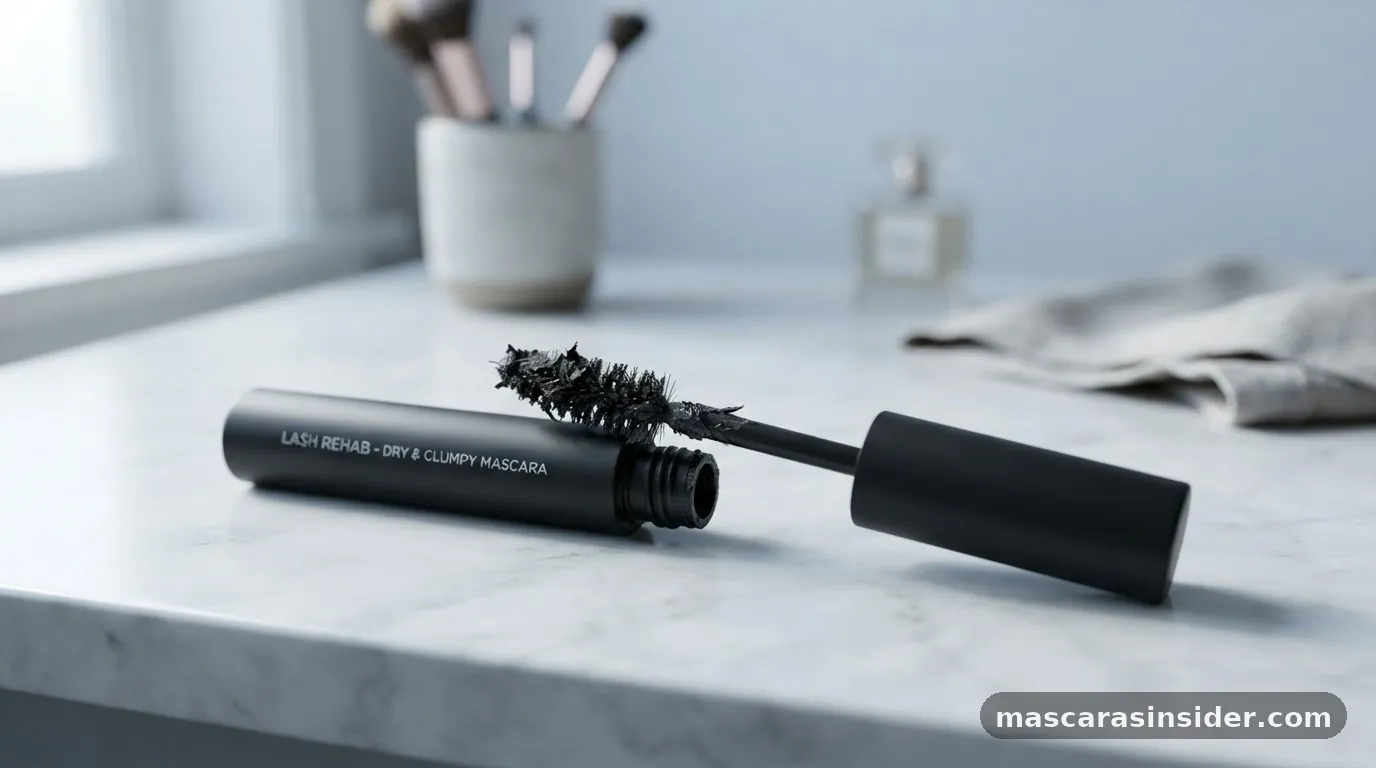
Discovering that your favorite tube of makeup has become clumpy or thick right before you need to leave the house is a common frustration. You don’t necessarily need to rush to the store to buy a new one every time the formula inside starts to feel a bit stiff.
Learning how to fix dried mascara is a practical skill that can save you money and extend the lifespan of your beauty products. By understanding how the ingredients in your cosmetic tubes interact with external moisture or temperature, you can easily restore a smooth, glide-on consistency.
Understanding Why Mascara Formulas Harden Over Time
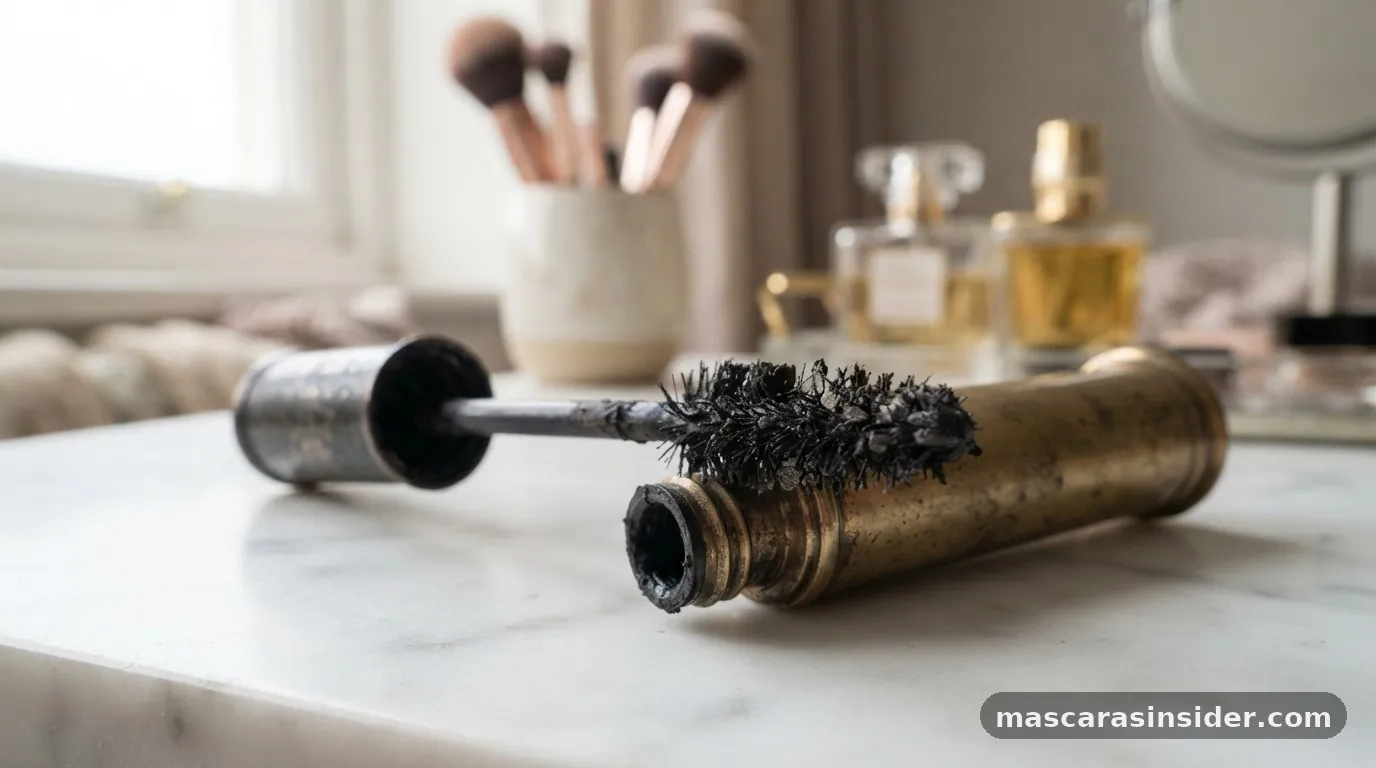
Mascara formulas harden because the volatile ingredients that keep the product liquid evaporate whenever the tube is opened and exposed to air. Every time you pull the wand out to apply product to your lashes, you introduce oxygen into the container.
Over time, this exposure causes the solvent base of the mascara to dissipate, leaving behind the thicker waxes and pigments. This physical change is why your once-smooth application starts to look clumpy or flaky.
It is important to recognize that this process is a natural part of a product’s lifecycle. Most manufacturers design these items to remain stable for about three months of regular use. If your product is brand new and already thick, it might have been stored in a warehouse with poor climate control, or the seal may have been compromised.
However, if you have been using the item for several months, the thickening is simply a sign that the formula is reaching its natural expiration. While you can revive it, you should never attempt to extend the life of a product indefinitely, as the accumulation of bacteria within the tube can lead to eye infections.
The Hot Water Method for Quick Restoration
The hot water method is often considered the safest way to fix dried mascara because it doesn’t require adding any foreign substances to the formula. This technique relies on heat to soften the waxes inside the tube, allowing the product to regain a more fluid consistency without changing the chemical composition of the makeup.
1. Bring a small cup or bowl of water to a boil, then remove it from the heat source and let it sit for a minute so it isn’t dangerously hot.
2. Ensure the cap of your mascara tube is tightly closed to prevent any water from leaking inside.
3.
Submerge the tube in the hot water for about three to five minutes.
4. Remove the tube, dry it off, and roll it between your palms to distribute the heat evenly.
5. Open the tube and swirl the wand inside to pick up the now-softened product.
This process is particularly effective for high-quality formulas that have simply become a bit sluggish due to cold temperatures or minor evaporation. Because you are not introducing external liquids like oils or saline, you minimize the risk of bacterial growth or formula separation. This is a gentle, low-risk approach that works well for most standard mascaras.
Using Saline Solution or Contact Lens Drops
If heat alone isn’t enough to bring the product back to life, you can add a few drops of sterile saline solution or contact lens solution. These products are specifically designed to be safe for use near the eyes, making them a much better choice than tap water or other liquids. The salt content and pH balance of contact solution are generally compatible with the ingredients found in most eye makeup.
1. Start by adding only two or three drops of saline solution directly into the tube.
2. Insert the wand and move it in a circular motion to incorporate the drops into the existing formula.
3.
Avoid “pumping” the wand in and out of the tube, as this forces more air inside and will only make the product dry out faster in the future.
4. Test the consistency on the back of your hand to ensure it is smooth and free of large clumps.
Be cautious not to over-dilute the formula. Adding too much liquid can make the mascara runny, causing it to smudge or flake off your lashes throughout the day.
If the product remains clumpy after the first few drops, you can add one more, but stop there. If the texture doesn’t improve after a small amount of saline, the product is likely too far gone to be saved.
The Role of Natural Oils for Conditioning
Some makeup enthusiasts prefer using a tiny amount of natural oil to revive their mascara. This method is excellent if your lashes tend to feel brittle, as oils can provide a conditioning effect.
However, you must be extremely careful with the type of oil you choose. A heavy oil can cause the mascara to lose its holding power, leading to raccoon eyes by the end of the day.
* Use a light oil like jojoba or sweet almond oil for the best results.
* Add only a single, tiny drop to the tube; a little goes a very long way.
* Avoid using heavy oils like mineral oil or thick essential oils, as these can irritate the delicate skin around your eyes.
* Ensure the oil is pure and free of additives that might cause an allergic reaction.
While oils can make the formula feel smooth and luxurious, they can also break down the water-resistant properties of certain mascaras. If you are using a waterproof formula, adding oil is generally not recommended as it will interfere with the product’s ability to resist moisture, effectively turning your waterproof mascara into a standard, smudge-prone version.
Comparing Methods for Reviving Your Makeup
Choosing the right technique depends on the type of formula you are using and how dry it has become. Use the table below to determine which method might work best for your specific situation.
| Method | Best For | Pros | Cons |
|---|---|---|---|
| Hot Water | Mildly dried formulas | No additives; safe | Temporary effect |
| Saline Drops | Thick or clumpy formulas | Restores texture | Risk of over-dilution |
| Natural Oils | Dry, brittle mascara | Conditions lashes | Can cause smudging |
Each of these approaches has its place, but they all serve the same purpose: to extend the utility of a product that still has plenty of pigment left inside. The key is to start with the least invasive method—the hot water bath—before moving on to adding external drops.
When to Buy a New One and Prevent Future Drying
Even with the best hacks, there comes a time when you must admit that a product has reached the end of its life. If you notice a strange smell, a change in color, or if the formula causes any irritation or itching, stop using it immediately. These are signs that the preservatives in the product have broken down and bacteria have begun to grow.
You can find more information about eye health and cosmetic safety at the U.S. Food and Drug Administration website.
To prevent your mascara from drying out prematurely in the future, follow these simple maintenance habits:
- Always tighten the cap completely after every use to create an airtight seal.
- Store your makeup in a cool, dark place away from direct sunlight or heat sources.
- Avoid pumping the wand, as this forces air into the tube and accelerates evaporation.
- Wipe the excess product off the wand onto a tissue before application to prevent buildup around the neck of the tube.
- Consider the date of purchase; if it has been more than three months, it is time for a new one.
Taking these small steps will help your products last their full intended lifespan. While it is satisfying to fix a dried-out tube, preventing the issue is always better for your hygiene and the health of your eyes.
Addressing Common Questions About Mascara Care
Can I use eye drops to fix dried mascara?
Yes, lubricating eye drops are a great alternative to contact lens solution. Since they are formulated to be safe for your eyes, they are one of the safest liquids you can add to your tube to restore a smooth, workable consistency.
Is it safe to use water to revive my makeup?
While you can use a drop of filtered water, it is generally discouraged. Tap water often contains minerals or microorganisms that can cause the formula to spoil rapidly. Sterile saline or eye drops are always a better choice because they are designed to be contamination-free.
How do I know if my mascara is truly expired?
If the product has a distinct, unpleasant odor, if the texture has become stringy and impossible to apply, or if it causes irritation when you use it, you should throw it away. Never prioritize saving a few dollars over the health of your vision.
Will these hacks work on waterproof mascara?
Waterproof formulas are specifically designed to repel moisture, so adding saline or water often has little effect. Because these formulas rely on wax and oil-based ingredients, adding a tiny amount of oil might help, but it will likely compromise the waterproof properties of the product.