
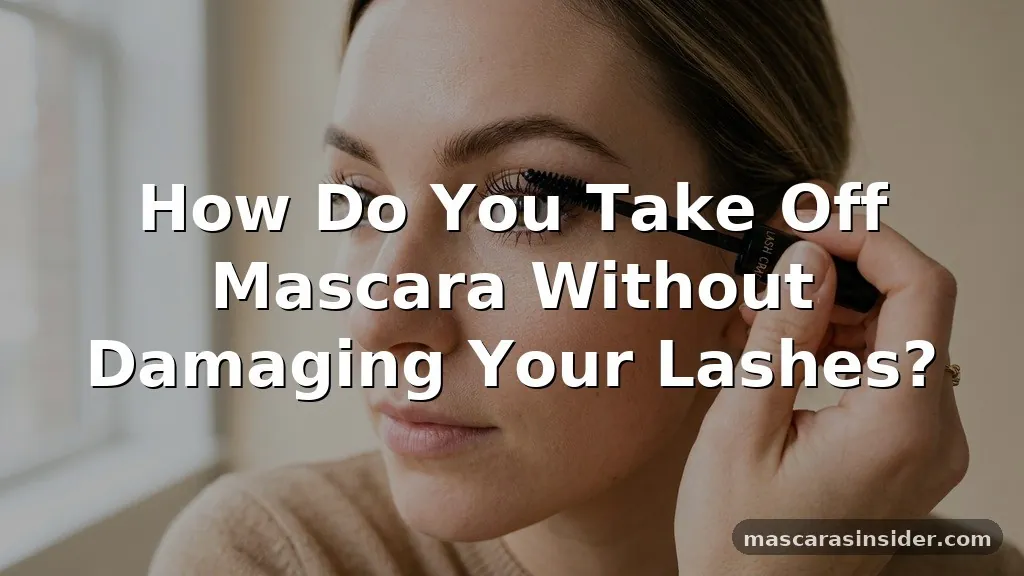
Working out how do you take off mascara without pulling out your natural hairs can save your delicate eye area from premature aging and irritation. Figuring out the proper technique for removing mascara is essential for maintaining strong lashes and preventing stubborn raccoon eyes the next morning.
Understanding Eye Anatomy and Lash Vulnerability

To master how do you take off mascara safely, you first need to appreciate just how fragile the orbital area really is. The skin surrounding your eyes is the thinnest on the entire human body, lacking the oil glands found elsewhere, which makes it exceptionally prone to dryness and fine lines. Each individual lash grows from a sensitive follicle that anchors the hair into the eyelid margin.
When you apply waterproof mascara, the formula uses volatile silicones, waxes, and heavy polymers designed to resist moisture, sweat, and tears. These long-wearing ingredients create a rigid coating around each hair shaft, binding tightly to the keratin.
If you attack this coating with harsh friction, you risk triggering breakage, pulling out hairs from the root, or causing micro-tears in the delicate skin. Respecting this natural anatomy means shifting your mindset from scrubbing away pigment to melting it away with patience and chemistry.
Many people wonder why their daily cosmetic routine leaves their eye area feeling sore or inflamed by bedtime. The culprit is almost always aggressive physical manipulation rather than the pigments themselves. When your skin is subjected to daily tugging, the collagen fibers weaken, leading to drooping eyelids and crow’s feet over time.
Furthermore, trapped cosmetic residue left overnight can clog the meibomian glands along your lash line, which often cause dry eye syndrome, styes, or blepharitis. By understanding that your fringe acts as a protective filter for your eyes, you can adopt a preservation-first mindset that prioritizes long-term follicular health over quick, aggressive cleansing habits.
Choosing the Right Cleansing Agents
Selecting the correct makeup remover transforms an exhausting nighttime chore into a soothing, effortless ritual. Different formulations require distinct solvents to break down their chemical bonds without stripping the skin of its natural moisture barrier. Below is a breakdown of common dissolving agents and how they interact with various cosmetic formulations.
| Remover Type | Best Suited For | Primary Mechanism |
|---|---|---|
| Micellar Water | Standard, washable formulas | Suspends dirt and pigment in microscopic oil micelles |
| Bi-Phase Liquid | Stubborn waterproof mascara | Combines nourishing oils with purifying water for fast melting |
| Cleansing Balm | Heavy eye makeup and heavy waxes | Melts into an rich oil upon skin contact to dissolve polymers |
| Natural Oils (Jojoba/Coconut) | Chemical-sensitive skin types | Conditions individual hairs while naturally breaking down fats |
When you are removing mascara, the choice between water-based and lipid-based solvents dictates your entire technique. For traditional, water-soluble products, a simple micellar solution applied to a soft cotton pad will lift the pigment cleanly. However, if you are removing waterproof layers, lipid-rich balms or bi-phase liquids are mandatory.
These rich formulas work by mimicking the hydrophobic nature of long-wear polymers, surrounding and lifting them off the hair shaft. For safe guidance on maintaining ocular health during your routine, consult the American Academy of Ophthalmology for expert dermatological recommendations.
Step-by-Step Breakdown for Safe Removal
Mastering the mechanical execution of dissolving eye cosmetics prevents accidental trauma to your face. Rushing through this step is the number one reason people wake up with panda eyes or broken hairs on their pillowcase. Follow this structured process to clear your fringe efficiently:
- Dispense a generous amount of your chosen solvent onto a flat, high-density cotton pad until it is thoroughly saturated, not just damp.
- Close your eyes and press the damp pad gently against your closed eyelid, holding it stationary for thirty to sixty seconds to let the product penetrate.
- Allow the weight of the pad and the chemistry of the cleanser to do the heavy lifting, giving the solvent time to break down the hardened waxes.
- Swipe downward softly in the natural direction of growth, avoiding any horizontal sawing motions that tangle or snap individual hairs.
- Fold the pad to a clean edge and use a damp cotton swab dipped in micellar water to trace along the lash line, clearing away residual pigment trapped between the roots.
This deliberate technique ensures that every trace of cosmetic build-up is lifted away without requiring excessive pressure. When you press the pad firmly yet gently against the closed lid, you warm the wax formulations with your body heat, making them significantly easier to dissolve. Never peel or flake dried pigment off your face with your fingernails, as this strips the outer cuticle of the hair shaft and leads to permanent thinning.
Tackling Stubborn Waterproof Formulations
Heavy-duty, smudge-proof cosmetics are notoriously difficult to dissolve because their chemical architecture is engineered to withstand moisture. When standard cleansers fail, you need a targeted strategy that targets the specific polymers used in long-wear items.
Waterproof formulas often rely on volatile cyclomethicones and synthetic waxes that repel standard soaps and simple tap water. To dissolve these stubborn layers without rubbing your skin raw, you must employ a double-cleansing method that pairs an oil-based melting balm with a gentle foaming wash.
Begin by massaging a dime-sized amount of cleansing balm directly onto dry skin, using your fingertips to work the rich texture along your lash line in delicate circular motions. You will literally feel the grit and hardened pigment melt away as the lipids break down the synthetic seal. Once the cosmetic is fully liquefied, emulsify the balm with a few drops of warm water before rinsing thoroughly.
This prevents any greasy film from clouding your vision while ensuring that every last trace of pigment is washed down the drain. Finish your routine with a hydrating cleanser to cleanse the surrounding area completely.
Natural and Alternative Removal Methods
If you run out of commercial cosmetics solvents or prefer to avoid synthetic fragrances, several household pantry staples can rescue your evening routine safely. Pure plant oils make exceptional natural dissolvers because their molecular structure easily breaks down the fatty acids found in cosmetic waxes.
Cold-pressed jojoba oil, extra virgin olive oil, and sweet almond oil are fantastic options that condition the hair while cleaning. To utilize these kitchen remedies, apply a single drop of oil to a damp cotton pad, press it against your closed eye for a minute, and wipe downward.
Beyond oils, plain warm water can actually remove specialized tubing formulas, which are designed to slide off the hair shafts in little cylinders when exposed to thermal change. If your cosmetic is water-washable, running a clean washcloth under comfortably warm water and holding it over your face can soften the pigment naturally without requiring harsh chemical solvents.
This minimalist approach is ideal for individuals with reactive or eczema-prone skin who experience irritation from commercial preservatives and surfactants. Always make sure to rinse away any residual kitchen oils thoroughly to prevent milia—tiny white cysts—from forming around the delicate eye contour.
Addressing Common Removal Mistakes and Topical Gaps
Even seasoned beauty enthusiasts often fall into bad habits that compromise their skin health and hair density. One of the most common oversights is sleeping in your cosmetics, which suffocates the follicles and dramatically increases the risk of bacterial infections and styes.
Another frequent error is using standard facial wipes, which feature abrasive textured surfaces that tug at the delicate eye contour and leave behind irritating chemical residues. To correct these mistakes, transition to a dedicated liquid solvent and a ultra-soft microfiber cloth that glides smoothly across the skin.
People also frequently neglect proper post-removal hydration, assuming that the cleansing process alone is sufficient. After you finish clearing your face, the skin barrier is temporarily stripped of its protective mantle and requires immediate replenishment with a nourishing eye cream or lightweight serum.
Furthermore, many individuals forget to clean their reusable cotton pads and makeup brushes regularly, turning these tools into breeding grounds for acne-causing bacteria. By washing your tools weekly and treating your eye area with gentle care, you preserve both your skin’s youthful elasticity and your natural lash health for the long run.
Frequently Asked Questions
What is the absolute best way to remove mascara?
The best method involves pressing a cotton pad soaked in a bi-phase makeup remover or cleansing oil against your closed eyes for thirty seconds. This allows the solvent to break down the wax polymers before you gently wipe downward, preventing unnecessary friction and lash breakage.
Is it okay to leave mascara on overnight?
Leaving makeup on overnight is strongly discouraged. It suffocates your hair follicles, increases the risk of bacterial eye infections, causes inflammation along the eyelid margin, and makes the formula brittle, leading to severe breakage when you finally wash your face the next morning.
How can I take off stubborn waterproof mascara without special products?
You can use pure natural oils like jojoba, coconut, or olive oil as an effective substitute. Massage a tiny drop onto your closed eyelids using your fingertips, let it sit for a minute to melt the formula, and then wipe clean with a warm, damp cloth.
Why does my mascara feel impossible to wash off?
Long-wearing and waterproof formulas use heavy synthetic waxes, silicones, and film-formers specifically designed to resist moisture and sweat. Standard water and basic facial cleansers cannot penetrate these hydrophobic bonds, which is why specialized lipid-based solvents are required to dissolve them.
Conclusion
Mastering how do you take off mascara properly is a small adjustment that yields massive benefits for your skin and hair health. By replacing aggressive scrubbing with patient, oil-based melting techniques, you protect your delicate eye contour from premature aging and keep your fringe full and strong.
Take your time each night to treat your skin with the care it deserves, and your eyes will look bright, healthy, and refreshed every single morning. Try implementing these gentle habits tonight and notice the difference in your daily routine.