
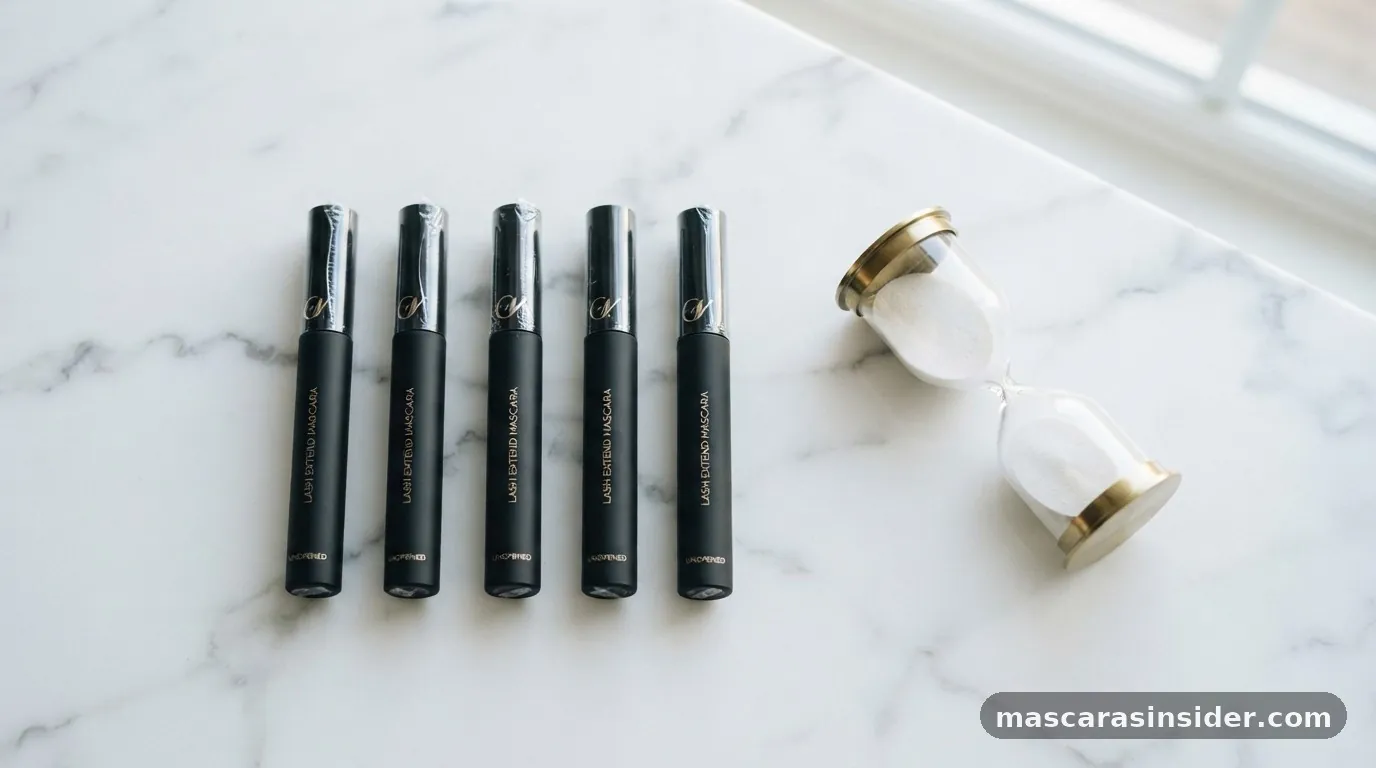
Many beauty enthusiasts stash away extra tubes of their favorite lash-defining formula, assuming that if the seal remains unbroken, the product will wait patiently for its turn. However, understanding how long is unopened mascara good for requires a deeper look at the chemical composition of liquid cosmetics and the reality of storage environments.
While a sealed tube is significantly safer than one that has been exposed to air, it is not an immortal object. Most industry experts and dermatologists agree that even in its pristine state, the ingredients inside will eventually begin to degrade, separate, or lose their efficacy.
Understanding the Shelf Life of Sealed Cosmetics
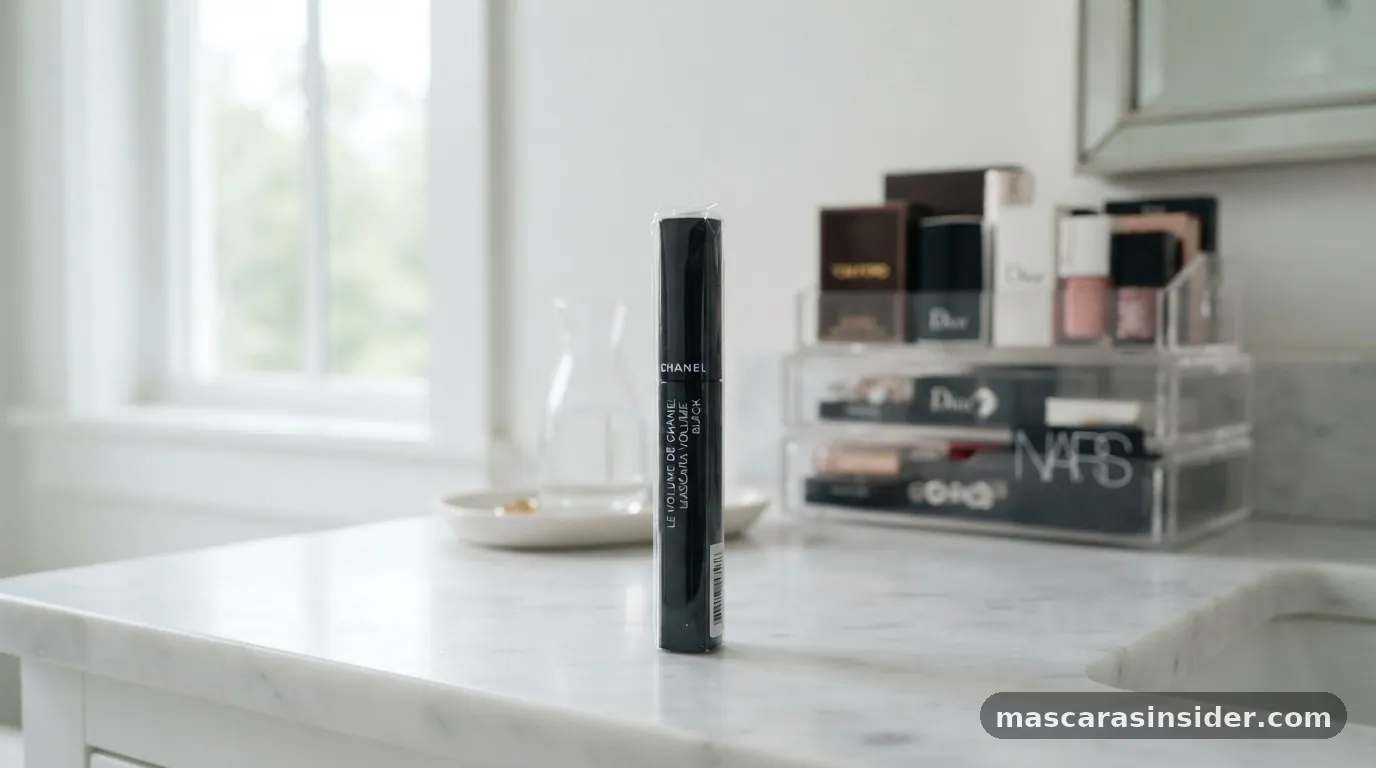
The shelf life of unopened mascara typically ranges from two to three years when stored under optimal conditions. This timeframe is dictated by the stability of the emulsion—the mixture of water, waxes, pigments, and preservatives that makes up your typical mascara.
Because makeup is a chemical formulation, it is subject to the same laws of physics as any other liquid product. Over time, the volatile components can evaporate even through microscopic gaps in the packaging seal, and the preservatives—which are designed to keep the formula safe—slowly lose their potency.
When you purchase a new tube, you are essentially starting a countdown. If you keep a product in a cool, dark, and dry environment, you maximize its chances of reaching that three-year mark.
However, if the tube is exposed to fluctuating temperatures—such as sitting in a bathroom that gets steamy from daily showers—the chemical bonds within the formula can break down much faster. Once the emulsion separates, the mascara will likely become clumpy, thick, or develop an off-putting smell, signaling that it is no longer safe to use on your lashes.
The Impact of Storage Conditions on Product Integrity
Storage plays a critical role in determining whether your mascara will be usable when you finally decide to break the seal. Many people make the mistake of storing their beauty collection in the bathroom, where the cycle of heat and humidity acts as a catalyst for chemical degradation.
Heat can cause the waxes in the mascara to melt and re-harden, leading to a gritty texture that ruins the application process. Furthermore, moisture can encourage the growth of mold or bacteria if there is any microscopic breach in the seal, even if the tube appears perfectly intact.
To keep your products in the best possible condition, aim for a consistent environment. A vanity drawer in a bedroom or a dedicated cool closet is far superior to a humid bathroom cabinet.
If you live in an area with extreme seasonal temperature swings, try to avoid placing your makeup storage against exterior walls where heat transfer is more pronounced. By stabilizing the temperature, you protect the delicate balance of the preservatives, ensuring that when you finally open the tube, the formula remains as smooth and effective as the day it was manufactured.
Identifying Signs of Degradation in Unopened Tubes
Even if you have been careful with storage, you should always perform a sensory check before applying a tube that has been sitting for a long time. While you cannot see inside a sealed tube, the moment you open it, your senses provide the best diagnostic tools.
If the product has a sharp, chemical, or sour odor, this is a clear indicator that the preservatives have failed and the product has turned. Another red flag is an unusual texture; if you pull the wand out and the mascara looks stringy, dried out, or separated into oily and pigment-heavy layers, it is time to discard it.
It is helpful to track your inventory to avoid hoarding. Many savvy beauty users use a permanent marker to write the date of purchase on the bottom of the tube.
By keeping a simple log or following a “first-in, first-out” system, you ensure that you aren’t digging up a tube that has been sitting for four or five years. Using expired mascara is a gamble that rarely pays off, as the risk of irritation or infection far outweighs the cost of replacing a single tube of makeup.
Comparing Shelf Life Across Beauty Products
Not all cosmetics share the same longevity, and understanding these differences helps you manage your entire vanity effectively. While powders can often last for years, liquid products like foundation and mascara have a much tighter window of utility. The following table provides a general reference for the shelf life of various common beauty items, assuming they remain unopened and properly stored.
| Product Category | Typical Unopened Shelf Life | Post-Opening Lifespan |
|---|---|---|
| Liquid Mascara | 2–3 Years | 3 Months |
| Liquid Foundation | 2 Years | 6–12 Months |
| Powder Blush/Eyeshadow | 3–5 Years | 18–24 Months |
| Lipstick | 2–3 Years | 12–18 Months |
This comparison highlights why mascara is one of the most sensitive items in your kit. Because it is used directly on the eyes, a highly sensitive area, the standards for hygiene and product freshness are much stricter than for products used on the cheeks or lips.
The Risks of Using Old or Expired Eye Makeup
The primary concern when using old mascara is the introduction of eye infections. Even if the mascara was unopened for a long period, once you expose the formula to air and your lash line, you introduce a pathway for microbes.
If the preservatives in an old tube have already degraded, they will be unable to fight off the bacteria that naturally occur on your skin. This can lead to conjunctivitis, styes, or more severe irritation that requires medical intervention.
1. Always check for a “Period After Opening” (PAO) symbol on the packaging, which looks like a small open jar with a number inside.
2. Monitor the consistency of the mascara; if it feels dry or flaky, it is past its prime.
3.
Never add water or other liquids to a dried-out tube to “revive” it, as this creates a breeding ground for germs.
4. If you experience any redness, itching, or swelling after using a product, stop immediately.
5.
Replace your mascara every three months after opening, regardless of how much product is left.
6. Avoid sharing your makeup with others to prevent cross-contamination.
For more detailed information on cosmetic safety and identifying potential hazards, you can consult the official FDA guide on shelf life and safety for cosmetics. Following these guidelines helps maintain the health of your eyes while ensuring your makeup look remains flawless.
Addressing Common Misconceptions and Topical Gaps
A frequent point of confusion involves the idea that “natural” or “organic” mascaras last longer or shorter than conventional ones. In reality, natural formulations often rely on gentler, plant-based preservatives, which may actually mean they have a shorter overall shelf life than traditional synthetic formulas. If you prefer clean beauty products, you must be even more diligent about checking the date of purchase and the condition of the formula, as these products are often more susceptible to bacterial growth once the seal is broken.
Another gap in common knowledge is the role of the wand. Many people believe that the mascara itself is the only part that expires, but the applicator wand can also become a reservoir for debris and bacteria.
Even if you have a “fresh” tube, if you have been using an old, improperly cleaned wand, you are introducing contamination into the new product. This is why it is best to use the wand provided with the specific tube and avoid reusing old applicators, regardless of how much you like the shape of a particular brush.
Maintaining Hygiene After You Start Using Your Mascara
Once you have finally cracked open that new tube, the clock starts ticking in earnest. The time you have to enjoy your mascara is limited to approximately three months once air enters the chamber. Every time you pump the wand in and out of the tube, you force air inside, which accelerates the oxidation of the formula and dries it out.
Instead of pumping, try to swirl the wand gently to pick up the product. This small habit can keep the formula smoother for longer and prevent the product from becoming clumpy prematurely.
Furthermore, keep the neck of the tube clean. Mascara often builds up around the opening, where it dries and flakes. When you push the wand back through this crusty residue, the flakes fall into the main reservoir, ruining the texture of the remaining liquid.
Wipe the neck of the tube with a clean tissue occasionally to ensure a tight seal when you screw the cap back on. This simple maintenance step preserves the integrity of the product and helps you get the most out of every application.
FAQ: Common Questions About Mascara Longevity
Can I put my unopened mascara in the fridge to make it last longer?
While storing makeup in a cool, dark place is ideal, the refrigerator is often too cold and humid. Extreme cold can cause the waxes and oils in the formula to separate permanently, ruining the texture. Stick to a cool, dry room-temperature environment instead.
What happens if I use mascara that is slightly past its expiration date?
Using expired mascara increases the risk of eye infections and irritation. Because the preservatives have likely broken down, the product can no longer inhibit bacterial growth. You might notice flaking, clumping, or, more seriously, redness and itching around the lash line. It is not worth the risk.
How can I tell if my mascara has gone bad before I put it on?
The best indicators are smell and texture. If the mascara has a sharp, chemical, or “off” odor, discard it immediately. If the formula is clumpy, looks stringy, or has separated into different layers, it has reached the end of its life and should be replaced.
Does the type of mascara (waterproof vs. regular) change the shelf life?
Generally, all liquid mascaras follow the same three-month rule after opening. Waterproof formulas may dry out slightly faster due to the volatile solvents used to make them water-resistant. Regardless of the type, once the seal is broken, the three-month window is the industry standard for eye safety.