
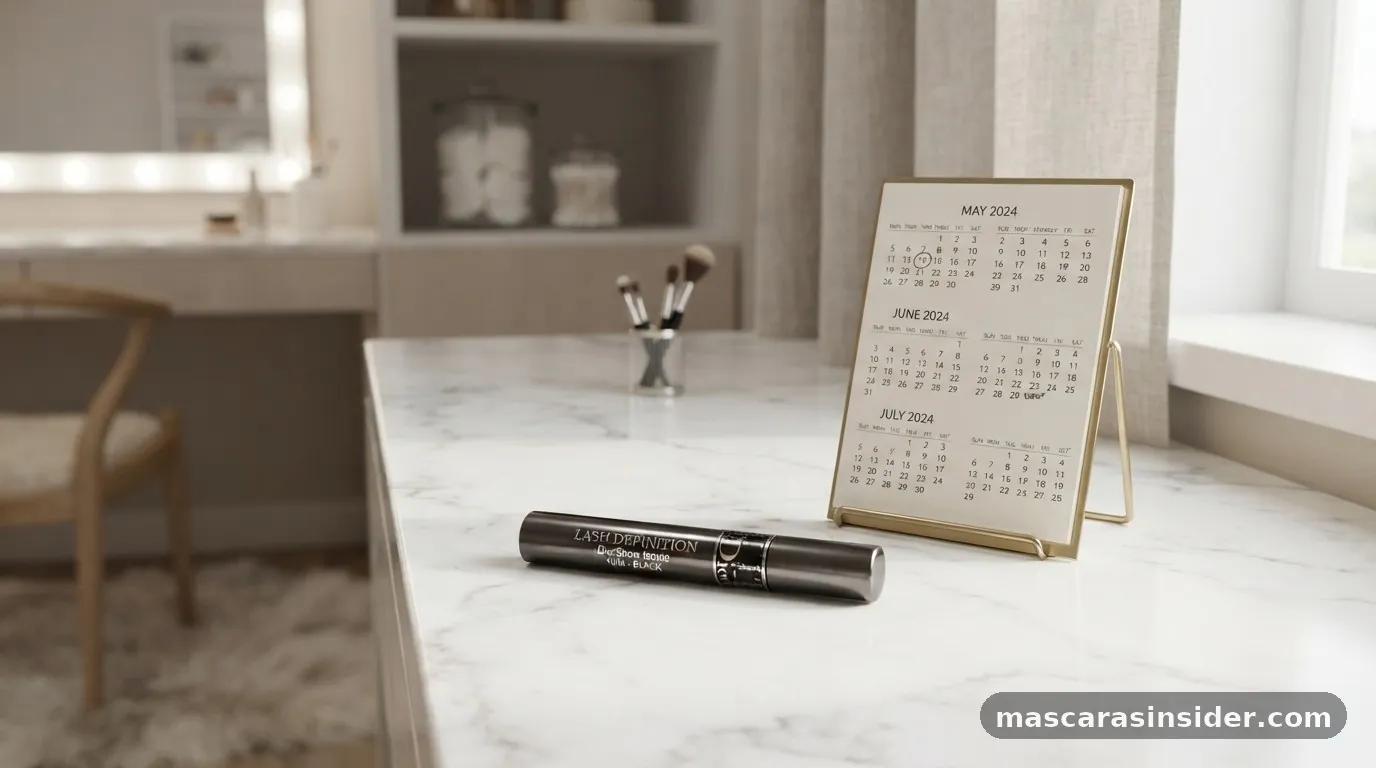
Maintaining a pristine beauty routine involves more than just selecting the right shades; it requires strict adherence to hygiene standards for your eye makeup. Many users wonder how often should mascara be replaced, and the consensus among dermatologists and beauty experts is clear: you should replace your mascara every three months.
This timeframe is not a marketing ploy to encourage more sales; it is a critical safety threshold designed to minimize the risk of ocular infections and irritation. Because your eyes are highly sensitive, any contamination within your makeup tube can lead to significant health issues.
When you open a new tube, you introduce environmental elements into the formula. Every time you pull the wand out and push it back in, you pump air into the container. This process, combined with the natural moisture found near the eye, creates an environment where bacteria can thrive.
Once these microorganisms colonize the inside of the product, every application becomes a potential vector for infection. Understanding the shelf life of your cosmetics is essential for protecting your ocular health while ensuring your look stays crisp and smudge-free.
The Three-Month Rule for Eye Hygiene
The standard recommendation for replacing mascara is to discard it after three months of use. This three-month window accounts for the average rate of microbial proliferation in a liquid cosmetic product that is used daily.
While some might be tempted to stretch the life of a premium product, the chemical preservatives in makeup degrade over time. Once these preservatives lose their efficacy, the product becomes a breeding ground for harmful pathogens.
If you are a casual user who only applies makeup on weekends, you might wonder if the clock starts the moment you open the seal. Yes, it does. Oxidation occurs regardless of how frequently you use the product.
Once the seal is broken, the clock begins ticking. Using an old product increases your exposure to staphylococcus and other common microbes that can cause conjunctivitis, styes, or more severe corneal abrasions.
Why the Tube Environment Matters
The design of the mascara container is inherently problematic for long-term storage. The narrow neck of the tube is designed to wipe excess product off the wand, but this also acts as a trap for debris and skin cells. Over several weeks, the accumulation of organic material inside the neck serves as a food source for bacterial growth. Even if the mascara appears to have plenty of liquid left, it is likely compromised by the time you reach the 90-day mark. Prioritizing your health over the cost of the product is the best way to avoid a trip to the optometrist.
Recognizing the Signs of Expired Makeup
Even if you haven’t reached the three-month mark, your makeup may show signs that it has expired prematurely. If you notice any of these changes, you should stop using the product immediately. Ignoring these warning signs can lead to redness, itching, or swelling around the lash line.
1. A noticeable change in scent: Fresh mascara should smell neutral or slightly chemical. If it develops a sharp, sour, or “off” odor, the preservatives have failed.
2.
Changes in texture: If the product has become clumpy, dry, or stringy, it has likely begun to oxidize or dry out significantly.
3. Separation of ingredients: While some formulas naturally separate, if you cannot restore the consistency by rolling the tube between your palms, it is time to toss it.
4. Eye irritation: If you experience stinging, burning, or watery eyes immediately after application, the product may be contaminated or past its prime.
Always pay attention to how your eyes feel. Your body is often the best indicator that something has changed within the formula.
If you are unsure, it is always safer to err on the side of caution. You can find more information on managing cosmetic safety through the official guidelines provided by the FDA regarding product shelf life.
Impact of Improper Application Habits
How you handle your mascara wand significantly influences the speed of bacterial growth. Many people have a habit of “pumping” the wand in and out of the tube to get more product onto the bristles.
This is one of the worst things you can do for your eye health. Pumping forces air into the tube, which accelerates the oxidation process and dries out the formula while introducing airborne contaminants.
Instead of pumping, gently swirl the wand inside the tube to pick up the desired amount of product. Furthermore, never share your mascara with friends. Sharing products is a primary cause of cross-contamination.
If a friend has a dormant eye infection, you could easily introduce that bacteria into your own eye. Keeping your makeup strictly personal is a fundamental rule of beauty hygiene.
Common Mistakes That Shorten Product Life
* Storing makeup in the bathroom: The humidity and temperature fluctuations in a bathroom create the perfect incubator for mold and bacteria. * Leaving the cap loose: If the cap isn’t tightened completely, air enters the tube and accelerates the drying process. * Using old mascara after an eye infection: If you have had a stye or conjunctivitis, throw away any eye makeup you were using at the time, as it is likely contaminated with the bacteria that caused the infection. * Touching the wand to your face: Avoid letting the wand touch anything other than your lashes to prevent picking up skin oils or environmental debris.
Comparing Lifespans of Common Eye Products
Not all makeup has the same expiration timeline. While mascara is one of the most short-lived products due to its liquid nature and direct contact with the eye, other items may last longer. Understanding these differences helps you maintain an organized and safe vanity.
| Product Category | Recommended Replacement Window |
|---|---|
| Mascara | 3 Months |
| Liquid Eyeliner | 3 to 6 Months |
| Cream Eyeshadow | 6 Months |
| Powder Eyeshadow | 1 to 2 Years |
| Foundation | 6 to 12 Months |
As shown in the table, liquid products generally have a shorter life span than powders. This is because bacteria require moisture to thrive.
Powder products are much less hospitable to microbial life, which is why they can last for over a year if kept clean. If you use cream-based products, treat them with the same caution you apply to your mascara.
Addressing Topical Gaps in Beauty Hygiene
There is often confusion regarding whether expensive, high-end mascaras last longer than drugstore brands. The reality is that the price point of a product has almost no correlation with its shelf life.
A luxury mascara will still harbor bacteria after three months just as quickly as a budget-friendly option. In fact, some natural or “clean” beauty formulas may expire even faster because they often contain fewer synthetic preservatives, which are designed to keep the product stable.
Another common misconception is that you can “revive” dried-out mascara by adding water or contact lens solution. You should never do this. Adding foreign liquids into the tube disrupts the chemical balance of the preservative system, effectively creating a “soup” that encourages rapid microbial growth.
If your mascara is dry, it is at the end of its functional life. Trying to extend it is not worth the risk of a painful eye infection.
Establishing a Consistent Replacement Routine
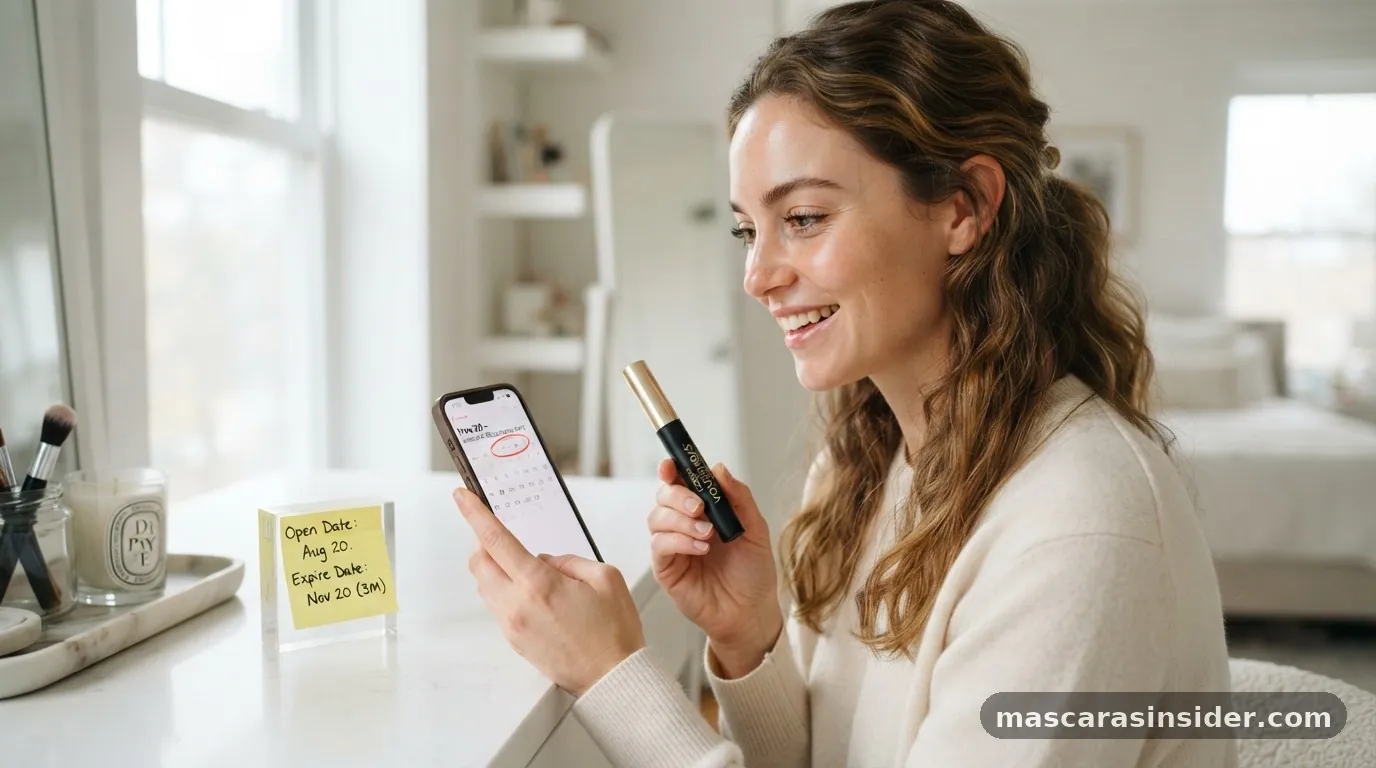
To ensure you never lose track of when to replace your items, consider creating a system. Many people find it helpful to write the date they opened the tube on the bottom of the container with a permanent marker. This simple step removes the guesswork and helps you stay disciplined.
If you are a frequent user, you will likely finish a tube within three months anyway. However, if you have a large collection, you might find yourself with several half-used tubes. It is better to have one or two high-quality products that you use up within the three-month window than to have a dozen half-empty tubes that are all expired.
Final Tips for Eye Health
1. Always remove your makeup before bed. Sleeping in mascara can cause the product to flake into your eyes, leading to irritation or clogged oil glands. 2. Clean your tools regularly. If you use a lash comb or a separate spoolie, wash it with gentle soap and water at least once a week. 3. Be mindful of expiration dates printed on the packaging. Many products feature a “period after opening” (PAO) symbol, which looks like a little open jar with a number inside (e.g., 6M for six months). While this is a guideline, for mascara, the three-month rule remains the gold standard for safety. 4. Replace your eyelash curler pads. These can also trap bacteria and should be replaced every few months to prevent build-up.
Frequently Asked Questions
Can I use mascara for longer than three months if I don’t use it every day?
No. Even if you use it sporadically, the formula begins to degrade and oxidize once the seal is broken. The three-month limit is based on the exposure to air and potential for contamination, not just the number of times the wand touches your lashes.
Does waterproof mascara last longer than regular mascara?
Waterproof formulas may feel more resistant to smudging, but they are still subject to the same expiration rules. The ingredients used to make the mascara waterproof do not prevent bacterial growth once the tube has been opened and exposed to the environment.
What should I do if I get mascara in my eye?
Rinse your eye immediately with clean, lukewarm water or a sterile saline solution. If you experience persistent redness, pain, or blurred vision, contact your eye doctor. Do not try to rub your eye, as this can push particles deeper into the tissue or cause scratches.
How can I tell if my mascara has gone bad?
Aside from the three-month rule, look for changes in smell, texture, and consistency. If the product develops a sharp, chemical odor, becomes thick and clumpy, or causes any itching or irritation upon application, it has likely expired and should be discarded immediately.