
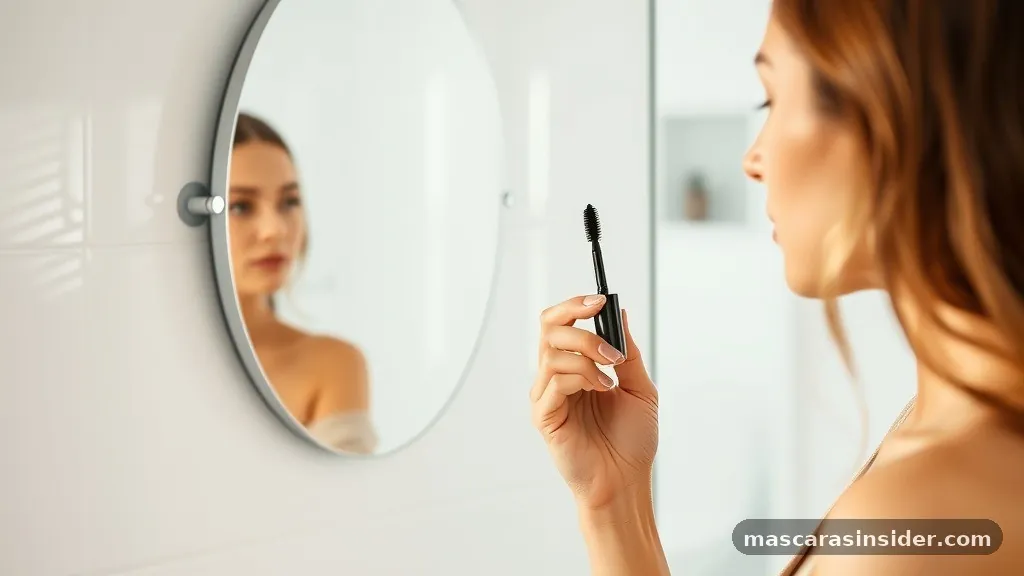
You reach into your makeup bag, pull out that trusty tube, and swipe on a coat before running out the door. Simple, right?
Except that mascara you’ve been reaching for might’ve been sitting there since last spring. And if it has, you could be swiping bacteria straight onto your lash line every single morning.
Mascara is one of the shortest-lived products in your entire beauty stash. Yet most people hold onto it far longer than they should, usually because it still seems to work fine.
The truth is a bit less comfortable. Knowing how often should you change mascara isn’t just about performance, it’s about protecting your eyes from irritation, infections, and gunk you can’t even see.
The Short Answer: Every Three Months
Dermatologists and ophthalmologists tend to agree on one number. You should replace mascara every three months. That’s the window most experts point to, and it’s shorter than almost any other product you own.
Why so quick? Mascara is a wet, dark, closed environment. Every time you pump the wand in and out, you push air and bacteria down into the tube.
That warm, moist space is basically a hotel for microbes. Unlike a powder eyeshadow that stays dry, liquid formulas give bacterial growth exactly what it needs to thrive.
The American Academy of Ophthalmology recommends tossing mascara after roughly three months, and you can read more of their eye-safety guidance on the AAO’s cosmetic safety page. Three months feels aggressive if you paid $30 for a tube. But your eyes are delicate, and the cost of an eye infection is a lot higher than a fresh mascara.
Here’s the thing about that timeline. It starts from when you open the product, not from when you buy it.
An unopened tube sitting sealed in a drawer can last longer, often up to its printed expiration or two years unopened. Once air hits it, the clock starts ticking.
Signs It’s Time to Throw Out Mascara
Even if you can’t remember when you opened it, your mascara will tell you when it’s done. You just have to pay attention to the cues.
- The formula has gone dry, clumpy, or flaky no matter how much you pump the wand.
- You notice a strange or sour smell when you open the tube. Fresh mascara shouldn’t really smell like much at all.
- The texture has changed, gotten stringy, or separated.
- Your eyes feel itchy, red, or irritated after application.
- You’ve had any kind of eye infection or stye recently. Toss it immediately, no exceptions.
That dryness is the sneakiest one. When mascara starts drying out, a lot of people add water or saliva to loosen it up. Please don’t.
Adding moisture introduces even more bacteria and speeds up spoilage. If it’s dry, it’s telling you it’s time.
The smell test is underrated. A funky, chemical, or gassy odor is a clear signal that microbes have moved in.
Trust your nose here. And if you’ve been fighting anything like conjunctivitis or a stye, old mascara can reinfect you the second you’re better, so replacing mascara after any infection is non-negotiable.
Can I Use Mascara for 2 Years?
Short answer: no, not once it’s open. This is one of the most common questions people ask, and the confusion usually comes from the little symbol on the packaging.
Look on the bottom or side of the tube for a small jar icon with a number and the letter M, like “6M” or “12M.” That’s the Period After Opening symbol.
It tells you how many months the product stays good after you first break the seal. Even if a mascara shows “6M,” most eye-care pros suggest you still swap it around the three-month mark because eye products carry more risk than, say, foundation.
An unopened, sealed mascara is different. It can typically sit safely for two years or so before its shelf-life runs out.
So if you stocked up during a sale and have a spare still wrapped, you’re fine. The two-year figure only applies to product that’s never been opened.
Bottom line, using an opened mascara for two years is a genuine bad idea. Around the one-year mark you’re well past safe. Somewhere between three and six months is where it belongs in the trash.
How Long Does Mascara Last With Daily Use?
Daily use changes the math. If you apply mascara every single morning, you’re pumping that wand in and out five, ten, sometimes twenty times a day depending on your routine. Each pass drags fresh bacteria in.
Someone who wears mascara daily will hit that three-month replacement window right on schedule, and honestly might benefit from swapping even sooner if the formula starts drying. Someone who only wears makeup on weekends could stretch a tube a little, but even then, three months remains the safe outer limit because bacteria keep multiplying whether you use the product or not.
A quick tip that actually helps. Don’t pump the wand. Pumping is the single worst habit for introducing air.
Instead, twist and gently pull the wand out in one motion. If you need more product, swirl the brush inside the tube rather than jamming it up and down. Small change, real difference for keeping things fresh longer.
How Mascara Compares to the Rest of Your Makeup Bag
Mascara isn’t the only product with an expiration date, though it’s usually the first to go. Different formulas and different parts of your face carry different risks, so replacement timing varies quite a bit across your kit.
| Product | Replace After (Once Opened) | Why |
|---|---|---|
| Mascara | 3 months | Wet, dark tube near the eye; high infection risk |
| Liquid eyeliner | 3 months | Same eye-area and moisture concerns as mascara |
| Pencil eyeliner | 1 to 2 years | Sharpening exposes a fresh surface each use |
| Liquid foundation | 6 to 12 months | Water-based, but not near the eyes |
| Concealer | 6 to 12 months | Similar to foundation; watch for texture changes |
| Powder blush | 1 to 2 years | Dry powders resist bacterial growth |
| Powder eyeshadow | 1 to 2 years | Dry formula; replace cream versions sooner |
| Lipstick | 1 to 2 years | Waxy base is more stable; toss if it smells off |
See the pattern? Anything liquid and anything near the eyes gets the shortest life. Mascara and liquid eyeliner sit right at the top of the “replace often” list.
Dry powders last the longest because bacteria struggle to grow without moisture. When in doubt, the eye-area products are the ones to be strict about.
What Happens if You Don’t Replace Old Mascara
Ignoring the three-month rule doesn’t always cause immediate drama. That’s part of why people get lazy about it. But the risks build quietly, and when they show up they aren’t fun.
Old mascara becomes a breeding ground for bacteria and sometimes fungus. Applying it can lead to eye infections like conjunctivitis, styes, or general irritation and redness.
In more serious cases, contaminated eye makeup has been linked to corneal issues. Your eyes have almost no protective barrier compared to the skin on the rest of your face, so anything you introduce goes in easy.
There’s also the everyday annoyance factor. Dried-out formula clumps, flakes into your eyes, and refuses to give you a clean coat.
You end up frustrated, rubbing at your lashes, which only spreads more irritation around. Fresh mascara simply performs better, so replacing it regularly is as much about results as it is about health.
One more note for anyone wondering about lower lashes and aging. Heavy, clumpy mascara on the lower lash line can emphasize under-eye shadows and creases, which some people feel reads as older.
That has more to do with application and how fresh the product is than the practice itself. A light hand with a clean, non-flaky formula tends to look softer and more flattering.
Frequently Asked Questions
How do you know when to throw out mascara?
Go by the calendar first: three months from opening is the standard. Beyond that, toss it if it’s dried out, clumpy, smells strange, or if it irritates your eyes. Any recent eye infection also means it goes in the bin right away, no matter how new it is.
What is the #1 best mascara?
There isn’t a single universal winner, since the best mascara depends on your lashes and what you want, whether that’s length, volume, or a smudge-proof waterproof finish. What matters more for your eye health is that whatever you pick gets replaced every three months and stored properly with the cap tight.
Does mascara on lower lashes age you?
Not on its own. Heavy or flaky product on the lower lashes can draw attention to under-eye lines and shadows, which some feel looks aging. A thin coat of fresh mascara applied lightly usually looks flattering, so it’s really about technique and keeping the formula from clumping.
Can I add water to dried-out mascara to save it?
No. Adding water, eye drops, or saliva introduces more bacteria and dilutes the preservatives, which speeds up spoilage and raises your infection risk. If mascara has dried out, that’s your signal to replace it, not revive it.
Does unopened mascara expire?
Yes, but slowly. A sealed, unopened tube generally stays usable for around two years before its shelf life runs out. Once you open it and air gets in, the three-month countdown begins regardless of the printed expiration date.
Final Takeaway
Three months. That’s the number to remember.
Mascara lives closer to your eyes than almost anything else you use, and its wet, dark tube is a perfect home for bacteria the moment you open it. Swapping it every three months protects you from irritation and infections while keeping your lashes looking their best.
Watch for the warning signs between replacements: dryness, odd smells, clumping, or any irritation. Skip the pumping habit, keep the cap sealed tight, and never share your tube.
And when the three months are up, let it go, even if it still seems to work. Your eyes are worth a fresh tube.