
We have all been there. You have had a long, exhausting day, and the only thing you want to do is collapse into bed. You brush your teeth, maybe splash some water on your face, but the thought of scrubbing away your eye makeup feels like an impossible chore.
You tell yourself that skipping your nighttime routine just once won’t hurt, but you might be wondering, is it ok to sleep with mascara on? The short answer is a definitive no. While one night might not lead to a medical emergency, making a habit of sleeping with mascara on creates a cascade of negative effects for your lashes, your skin, and your ocular health that you simply cannot ignore.
The Immediate Impact on Your Eyelashes
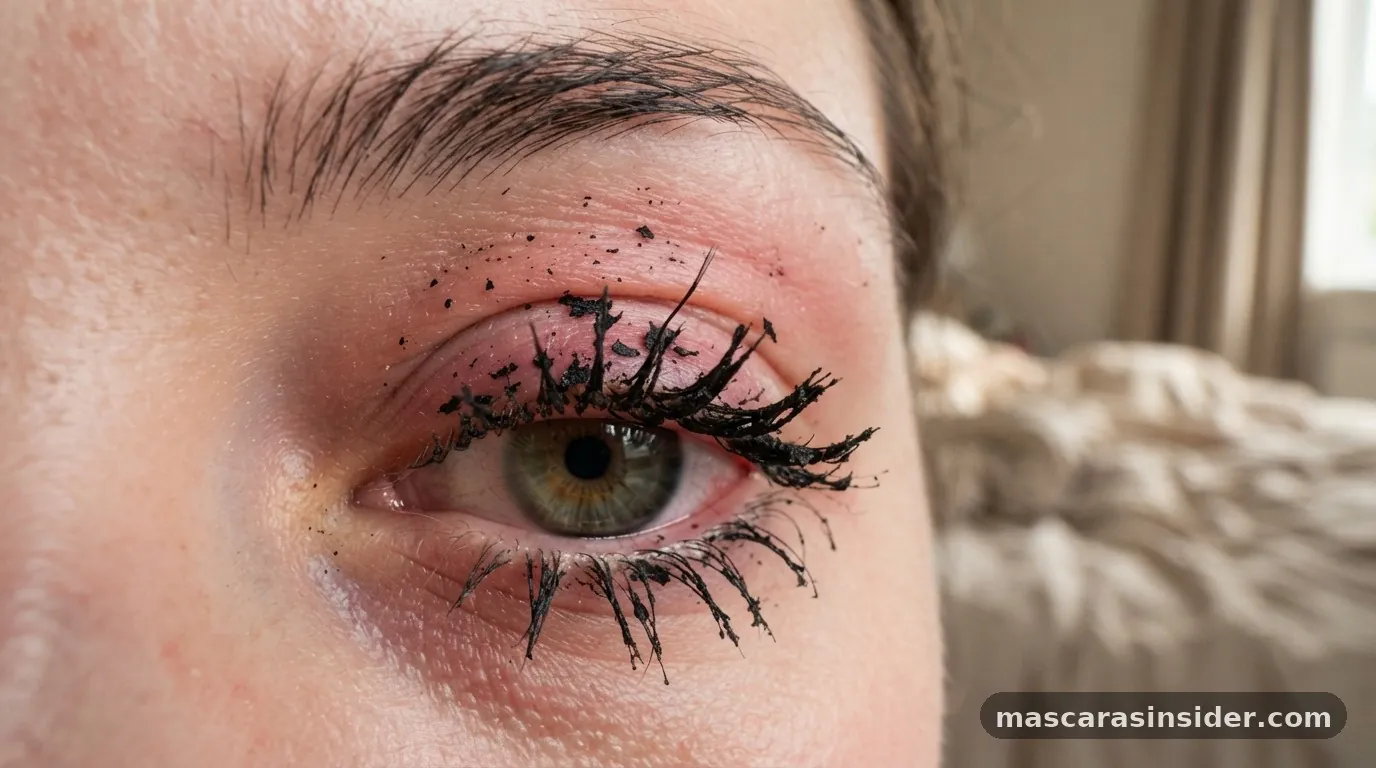
Is it ok to sleep with mascara on? No, because it compromises the structural integrity of your hair follicles. Eyelashes are delicate, and they serve a vital purpose: protecting your eyes from dust, debris, and sweat.
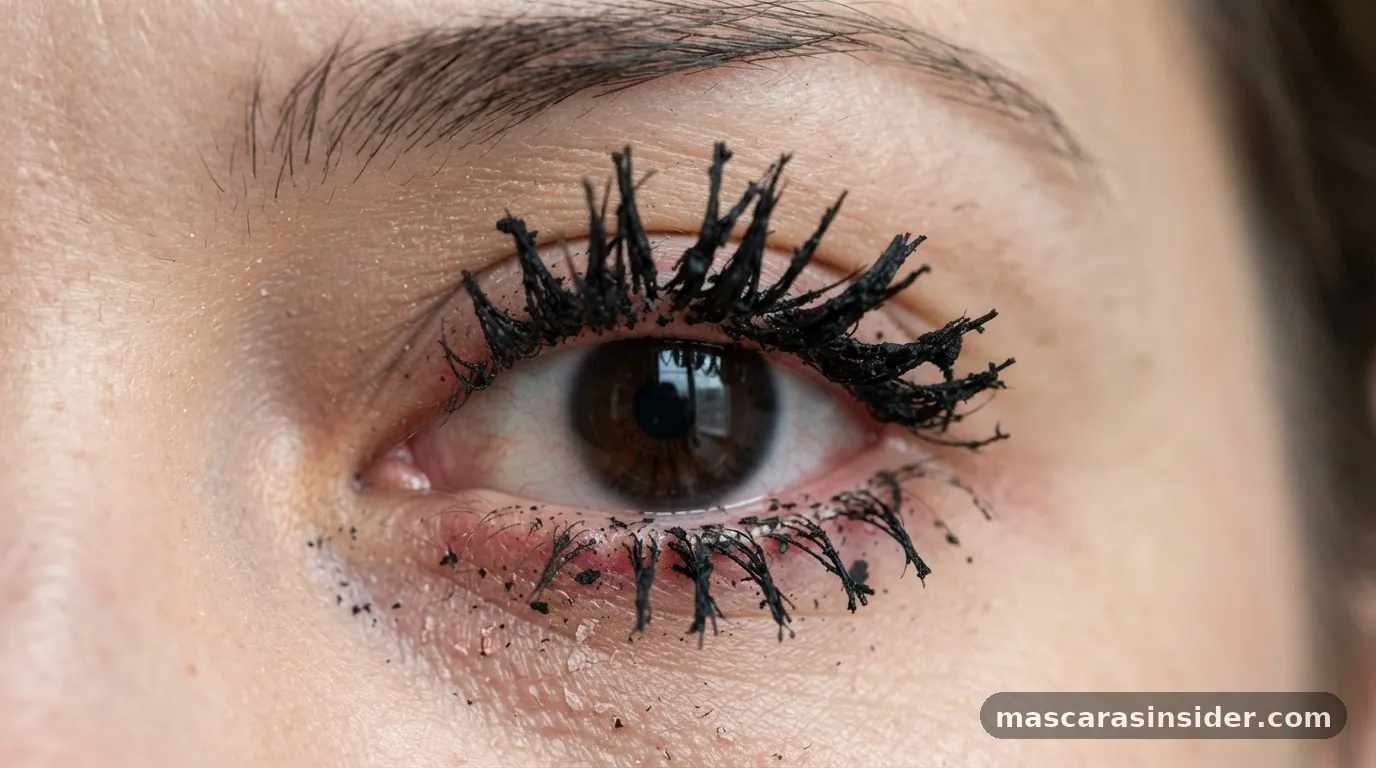
When you apply mascara, you are coating these fine hairs in polymers, waxes, and pigments. If you leave that product on while you sleep, your lashes become stiff and brittle.
As you toss and turn, your pillowcase creates friction against your face. Because your lashes have lost their natural flexibility due to the dried product, they are significantly more prone to breakage.
1. Dried mascara acts like a hardening agent, turning soft lashes into stiff, fragile spikes.
2.
The mechanical friction against your pillow causes these hardened lashes to snap off prematurely.
3. Over time, this cycle of breakage leads to thinner, shorter lashes that struggle to grow back healthy.
Think of it like hairspray. If you were to spray your hair until it was rock hard and then sleep on it, you would expect some breakage or tangles in the morning. Your eyelashes are far more sensitive than the hair on your head.
By failing to remove the product, you are essentially guaranteeing that your lashes will suffer from mechanical stress throughout the night. If you value the longevity and fullness of your natural fringe, you must prioritize removing these layers before your head hits the pillow.
Ocular Health and the Risk of Concretions
The most significant danger of sleeping with eye makeup involves your vision. Your eyes are incredibly sensitive environments, and foreign substances have no place near your tear ducts or lash line while you rest. When you sleep with mascara on, small flakes of the product can migrate from your lashes into your eyes.
This isn’t just a minor annoyance; it is a genuine medical concern. These microscopic particles can cause significant irritation, redness, and even scratching of the cornea.
One of the more alarming, though rarer, outcomes of chronic neglect is the formation of concretions. These are hard, calcified deposits that can form under the eyelid. They are often caused by the accumulation of makeup particles and natural oils that are never properly cleansed away.
If you don’t remove your makeup, these substances build up in the meibomian glands—the tiny oil glands along your lash line—and create blockages. A study by the American Academy of Ophthalmology highlights how improper hygiene practices regarding eye cosmetics can lead to chronic inflammation and discomfort.
4. Mascara flakes can fall into the eye, scratching the ocular surface.
5.
Particles can migrate into the tear film, causing blurry vision and persistent redness.
6. Blocked oil glands can lead to styes or chalazions, which are painful, swollen bumps on the eyelid.
If you find that your eyes are constantly bloodshot or feel “gritty” in the morning, your nightly habits are likely the culprit. The eyes need to be clean to produce the healthy oils required for a clear tear film. When you block these glands with layers of dried pigment, you are essentially starving your eyes of the lubrication they need to function comfortably.
How Sleeping in Makeup Affects Your Pores
While we often focus on the eyes themselves, we must also consider the skin surrounding them. The skin around your eyes is the thinnest on your entire body. It is highly susceptible to irritation and premature aging.
When you leave mascara on, you are also likely leaving behind eyeliner and eyeshadow. This combination of products, when left on overnight, creates a seal that traps dirt, oil, and environmental pollutants against your skin.
This buildup is a direct cause of clogged pores. Even if you don’t typically struggle with acne, the area around your eyes can develop tiny, white, hard bumps known as milia. These occur when dead skin cells become trapped beneath the surface of the skin rather than shedding naturally.
By failing to cleanse your face, you are essentially encouraging the formation of these stubborn bumps. Furthermore, the chemicals found in many cosmetic formulas, including potential traces of lead in certain pigments, are designed to stay on for hours. Keeping them on for an additional eight hours of sleep allows your skin to absorb these ingredients, which can cause irritation or allergic reactions over time.
7. Clogged pores around the lash line lead to the development of milia.
8.
Trapped debris accelerates the degradation of collagen, leading to fine lines and wrinkles.
9. Persistent contact with cosmetic pigments can trigger contact dermatitis, resulting in itchy, flaky skin.
Your skin undergoes a vital repair process while you sleep. It sheds dead cells and produces new ones to keep your complexion clear and resilient.
When you leave a barrier of makeup on your face, you are actively interfering with this natural renewal cycle. You are essentially forcing your skin to work against the weight and toxicity of your daytime cosmetics instead of focusing on rejuvenation.
The Difference Between One Night and Long-Term Habits
Is it ok to sleep with mascara on just once? While one night is unlikely to cause permanent damage, it sets a dangerous precedent. The “just this once” mentality is how bad habits form.
If you rationalize skipping your routine tonight because you are tired, you will be much more likely to do it again tomorrow. The cumulative effect is where the real damage happens.
If you are a chronic offender, your eyelashes will never have the chance to recover. They will continue to break, thin out, and lose their luster.
Your eyes will remain in a state of low-grade inflammation, which can eventually lead to chronic dry eye syndrome. This condition is not only uncomfortable but can also impact your long-term vision health.
| Aspect | One-Night Impact | Long-Term Impact |
|---|---|---|
| Eyelash Health | Minor breakage, temporary stiffness | Permanent thinning and stunted growth |
| Skin Condition | Potential for minor irritation | Development of milia and premature aging |
| Eye Comfort | Temporary grittiness or redness | Chronic inflammation and oil gland blockage |
| Risk Level | Low | High |
The table above illustrates that while the immediate consequences of a single night might seem manageable, the long-term reality is much harsher. It is far easier to prevent damage through a consistent nightly routine than it is to treat the resulting conditions once they become chronic. If you find yourself frequently too tired to remove your makeup, consider keeping a pack of gentle, oil-based makeup wipes on your nightstand as a safety net.
Choosing the Right Tools to Remove Mascara
Since we have established that you must remove your eye makeup, the next step is doing it correctly. Many people damage their lashes during the removal process because they are too aggressive.
You should never scrub or pull at your lashes. The goal is to dissolve the product so that it slides off effortlessly.
10. Use a dedicated eye makeup remover or a gentle cleansing balm.
11. Saturate a cotton pad or a soft cloth with the remover.
12.
Hold the pad against your closed eyelid for 20 to 30 seconds to break down the formula.
13. Gently wipe downward in the direction of hair growth; avoid rubbing back and forth.
14. Follow up with a mild facial cleanser to remove any oily residue left behind.
If you use waterproof mascara, you absolutely need an oil-based remover. Water-based cleansers simply cannot break down the polymers in waterproof formulas, which means you end up pulling and tugging at your lashes to get them clean. This is the primary reason many people think their lashes are “naturally” falling out.
In reality, they are breaking off due to physical trauma during the cleansing process. Invest in a high-quality, gentle remover that allows the makeup to melt away. Your lashes will thank you for the extra care.
Addressing Topical Gaps: Why Mascara Quality Matters
There is a common misconception that “natural” or “organic” mascaras are safer to sleep in. This is a dangerous myth. Regardless of the ingredients, any product that coats your lashes is designed to adhere to them.
If that product remains on your lashes while you sleep, it will still cause the same mechanical issues, pore clogging, and eye irritation as a conventional product. The “safety” of a formula refers to its impact during the day, not its suitability for overnight wear.
Another gap in common knowledge is the role of your pillowcase. Many people do not realize that silk or satin pillowcases can actually help reduce the friction that causes lash breakage. While you should never sleep with makeup on, switching to a smoother fabric is a great way to protect your lashes even when you are clean-faced.
Furthermore, some people believe that applying lash serums or oils after failing to remove mascara will “cancel out” the damage. This is incorrect. You cannot nourish a hair follicle that is already encased in hardened, waxy product.
The barrier created by the mascara prevents any beneficial oils from reaching the lash root or shaft. You must remove the makeup first, then apply your treatments.
15. Natural ingredients can still cause irritation if they enter the eye.
16.
Oils and serums cannot penetrate a layer of dried mascara.
17. Silk pillowcases reduce friction, but they do not replace the need for proper cleansing.
By understanding that there is no “safe” mascara for sleeping, you can take a more disciplined approach to your beauty regimen. It is about respecting the health of your eyes and the delicate nature of your skin. If you are going to invest in your appearance, you must also invest in the maintenance that keeps that appearance healthy and sustainable.
Frequently Asked Questions
Is it ok to sleep with mascara on if I am using a hypoallergenic formula?
No, it is not. Even hypoallergenic products contain waxes and pigments that can clog your oil glands and cause irritation. The label only means the product is less likely to cause an allergic reaction, not that it is safe to leave on your face overnight.
What is the fastest way to get mascara off when I am exhausted?
Keep a bottle of micellar water or pre-soaked makeup remover wipes on your nightstand. These require no rinsing and allow you to remove the product while lying in bed, ensuring you don’t have to walk to the bathroom when you are already ready to sleep.
Can leaving mascara on for two days cause permanent vision loss?
While it is unlikely to cause immediate blindness, leaving makeup on for two days significantly increases the risk of severe bacterial infections and corneal abrasions. If you notice persistent pain, extreme sensitivity to light, or discharge, you should see an eye doctor immediately to prevent long-term damage.
Does sleeping with mascara on really cause acne?
Yes, it can. Mascara and other eye products often contain ingredients that are comedogenic, meaning they block pores. When you leave these products on, they mix with your skin’s natural oils and sweat, creating a breeding ground for bacteria that leads to breakouts, especially around the eyes and temples.