
We have all been there. You have had an exhausting day, the clock is pushing past midnight, and the thought of standing in front of the bathroom mirror to scrub away your eye makeup feels like an insurmountable mountain.
You might find yourself wondering, is it okay to sleep with mascara on just this once? While skipping your nighttime routine occasionally might feel like a harmless shortcut, the reality of what happens to your delicate eye area while you snooze is often more complex than a simple “yes” or “no.”
Leaving cosmetic products on your lashes overnight is generally discouraged by dermatologists and optometrists alike. When you go to bed without cleansing your face, you aren’t just leaving pigment on your hair follicles; you are creating a mechanical and chemical barrier that prevents your skin from performing its natural overnight repair processes. Understanding the specific physiological impact of this habit is the first step toward better eye health and clearer skin.
The Biological Impact of Leaving Mascara Overnight
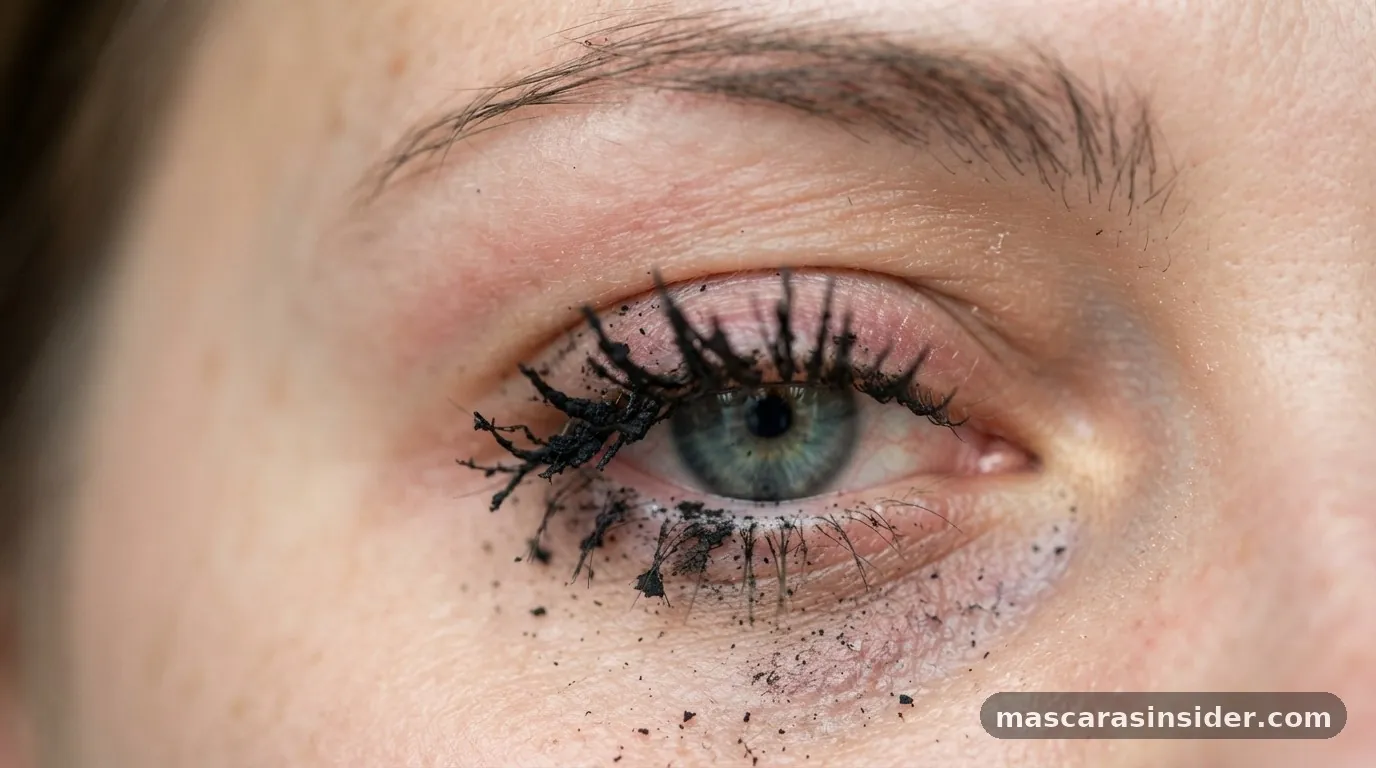
Is it okay to sleep with mascara on? Scientifically speaking, no. When you leave eye makeup on during the hours you are resting, you are essentially leaving a foreign substance in contact with your eyes for eight or more hours.
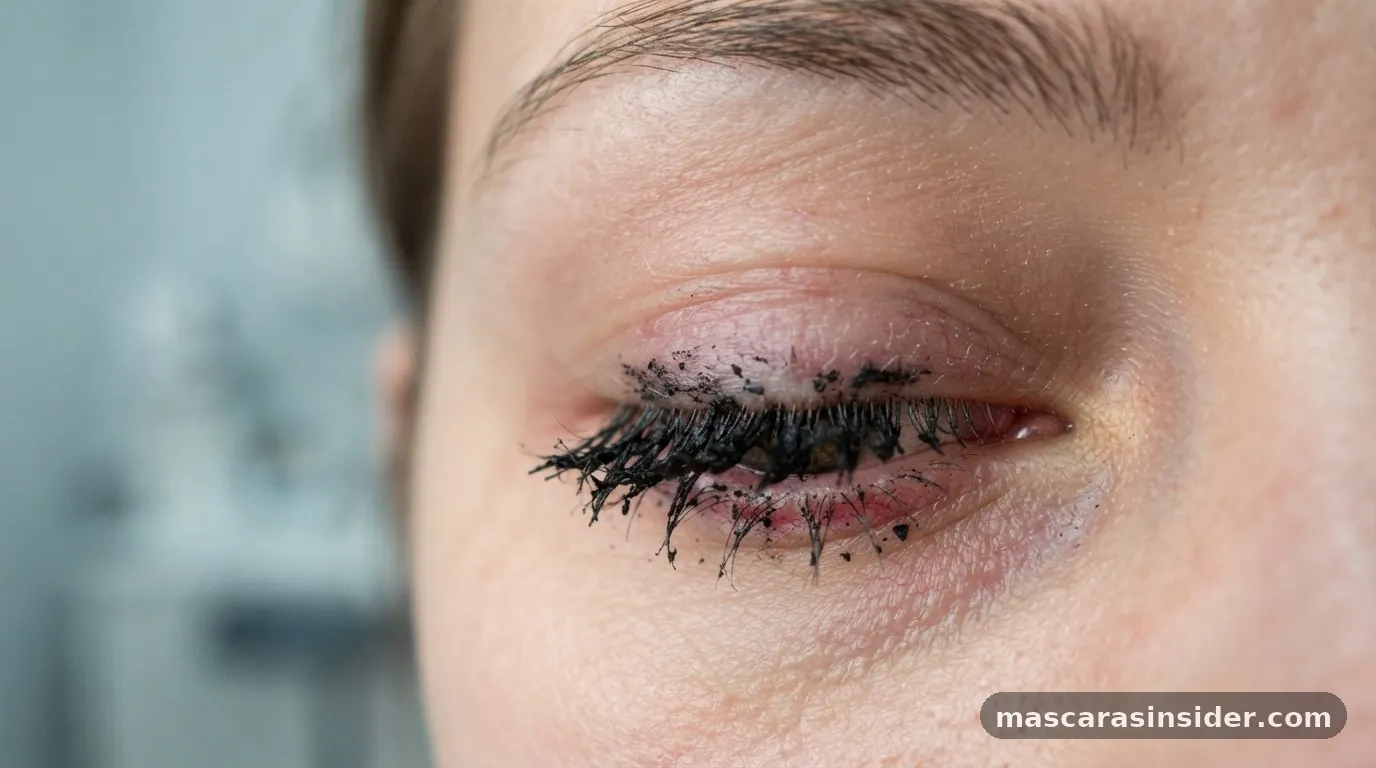
Mascara is formulated with waxes, polymers, and pigments designed to adhere to your eyelashes. When these substances remain on the hair for an extended period, they can harden and become brittle.
As you toss and turn in your sleep, your lashes rub against your pillowcase. Because the mascara has dried and stiffened, the lashes lose their natural flexibility. This friction causes the lashes to become brittle, leading to breakage and premature shedding.
Over time, this mechanical stress can result in thinner, sparser eyelashes. Furthermore, the weight of the product, combined with the lack of proper cleansing, can cause the hair follicles to become clogged.
Your lashes, like the hair on your head, need to be able to breathe and shed naturally. When you block the follicle with product, you disrupt the hair growth cycle, potentially leading to weaker lashes that struggle to regrow properly.
Increased Risk of Eye Irritation and Infection
The primary concern with sleeping with makeup is the direct impact on your ocular health. The skin around your eyes is the thinnest on your body, and your eyes themselves are highly sensitive to external particles.
When you sleep, your eyes continue to produce moisture, and small amounts of makeup can flake off into the tear film. This is not just a minor annoyance; it can lead to significant discomfort.
1. Conjunctivitis: Small particles of dried mascara can get trapped under your eyelids, causing inflammation of the conjunctiva.
2. Corneal Abrasions: If a sharp, dried flake of mascara gets stuck in your eye, it can physically scratch the surface of your cornea, leading to pain, redness, and potential infection.
3.
Clogged Meibomian Glands: Your eyelids contain tiny oil glands that keep your eyes lubricated. If these become blocked by residual makeup, you may experience chronic dry eye or the development of uncomfortable styes.
According to the American Academy of Ophthalmology, improper removal of eye makeup is a frequent cause of preventable ocular irritation. The accumulation of product near the lash line can trap bacteria, creating a breeding ground for infections that require medical intervention to resolve.
The Link Between Overnight Makeup and Skin Health
Beyond the lashes themselves, the rest of your face suffers when you neglect your evening skincare routine. Many people ask if it is okay to sleep with mascara on, but they forget that mascara often transfers to the surrounding skin.
When you leave makeup on, you are essentially sealing your pores for hours. This is an overnight cause of congestion that can lead to breakouts and dullness.
Your skin undergoes a process of cellular turnover and oil regulation while you sleep. By leaving a layer of cosmetic product on your face, you interfere with this cycle. The makeup can mix with the natural sebum produced throughout the night, further clogging pores and potentially causing acne flare-ups.
Even if you only wear mascara, the residue can migrate onto your cheeks and under-eye area, leading to localized irritation or contact dermatitis. If you have sensitive skin, the preservatives and fragrances found in many commercial mascaras can trigger an inflammatory response when left in contact with the skin for an extended time.
How Mascara Residue Affects Lash Health
Many users believe that if they use a “gentle” or “natural” formula, the rules don’t apply. However, the physical presence of any mascara is the issue.
Even hypoallergenic formulas are meant to be removed. When you leave these products on, you are essentially coating your lashes in a film that prevents them from being cleaned by your natural tear production.
The following table summarizes the common issues associated with failing to remove eye makeup before bed:
| Condition | Cause | Potential Outcome |
|---|---|---|
| Mechanical Breakage | Dried, stiffened mascara + pillow friction | Thinning or loss of eyelashes |
| Folliculitis | Clogged lash follicles | Swelling, tenderness, and infection |
| Ocular Concretions | Accumulated makeup residue | Hard, gritty deposits under the eyelid |
| Dermatitis | Prolonged contact with chemical pigments | Redness, itching, and flaking skin |
When you consistently skip your nightly cleanse, you are asking for trouble. Over time, the cumulative effect of these small nightly lapses leads to noticeable changes in the quality and quantity of your lashes. You might notice they feel shorter, look thinner, or seem to be growing in different directions because the follicles are under constant, unnecessary stress.
Addressing Topical Gaps: The Truth About “Sleeping” Mascaras
A common point of confusion involves products marketed as “sleeping” or “24-hour” formulas. Some brands suggest their products are safe for extended wear, but it is crucial to interpret these claims correctly.
These products are generally tested for long-wear performance, not for their safety as a substitute for a nightly skincare regimen. There is no such thing as a mascara that is “healthy” to leave on overnight.
Even if a product is labeled as “long-lasting,” it is still a cosmetic that relies on polymers to lock pigment onto the hair. These polymers do not “nourish” the lash; they simply harden. If you find yourself frequently going to bed with makeup on, it is likely a sign that your current removal process is too time-consuming or difficult.
Instead of looking for a product you can sleep in, look for a more efficient way to remove your existing makeup. Using a dedicated eye makeup remover or a double-cleansing method can make the process feel much less like a chore, ensuring you reach your bed with a clean face every time.
Best Practices for Effective Makeup Removal
If you want to maintain healthy, long, and strong lashes, you must prioritize the removal process. The goal is to get the product off without pulling or tugging, as that causes just as much damage as leaving the makeup on.
- Use an oil-based cleanser or micellar water specifically formulated for the eye area to dissolve the mascara.
- Soak a soft cotton pad with your cleanser and hold it against your closed eyelid for 20 to 30 seconds. This allows the product to break down the mascara bonds.
- Gently wipe downward—never scrub side-to-side—to lift the mascara away from the lashes.
- Follow up with a gentle facial cleanser to remove any remaining oily residue from the skin.
- Consider using a lash conditioner or serum after cleansing to help hydrate and strengthen the hair follicles overnight.
By following these steps, you ensure that your lashes are clean and free to go through their natural cycle of growth and repair. It takes less than two minutes to perform this routine, and the long-term benefits for your eye health are substantial.
If you are ever too tired to perform a full routine, keep a pack of high-quality, oil-free makeup remover wipes on your nightstand. While not as effective as a proper double cleanse, they are a much better option than going to sleep with the product left on.
FAQ: Common Questions About Sleeping With Mascara
Is it okay to sleep with mascara on if I’m just taking a nap?
Even short naps can be risky if you wear heavy makeup. If you are only sleeping for a short time, the risk of significant infection is lower, but you still risk eye irritation from flakes falling into your eyes. It is always better to remove makeup before any sleep.
Will my eyelashes grow back if I’ve been sleeping in mascara?
In most cases, yes, your eyelashes will recover once you stop the habit of sleeping in makeup. It may take a full growth cycle—usually several weeks—for you to notice the difference. Be patient and use a gentle lash conditioner to support the recovery of your hair follicles.
Is it bad to leave mascara on for two days?
Leaving mascara on for two days is significantly worse than leaving it on for one night. The product will become even more brittle, significantly increasing the risk of mechanical damage to your lashes, and the accumulation of bacteria near your lash line can lead to serious eye infections.
What happens if I get mascara in my eye while sleeping?
If you wake up with eye pain or redness, rinse your eye immediately with sterile saline solution or clean, lukewarm water. If the irritation persists, or if you notice discharge or blurred vision, you should see an eye care professional to ensure you have not scratched your cornea.