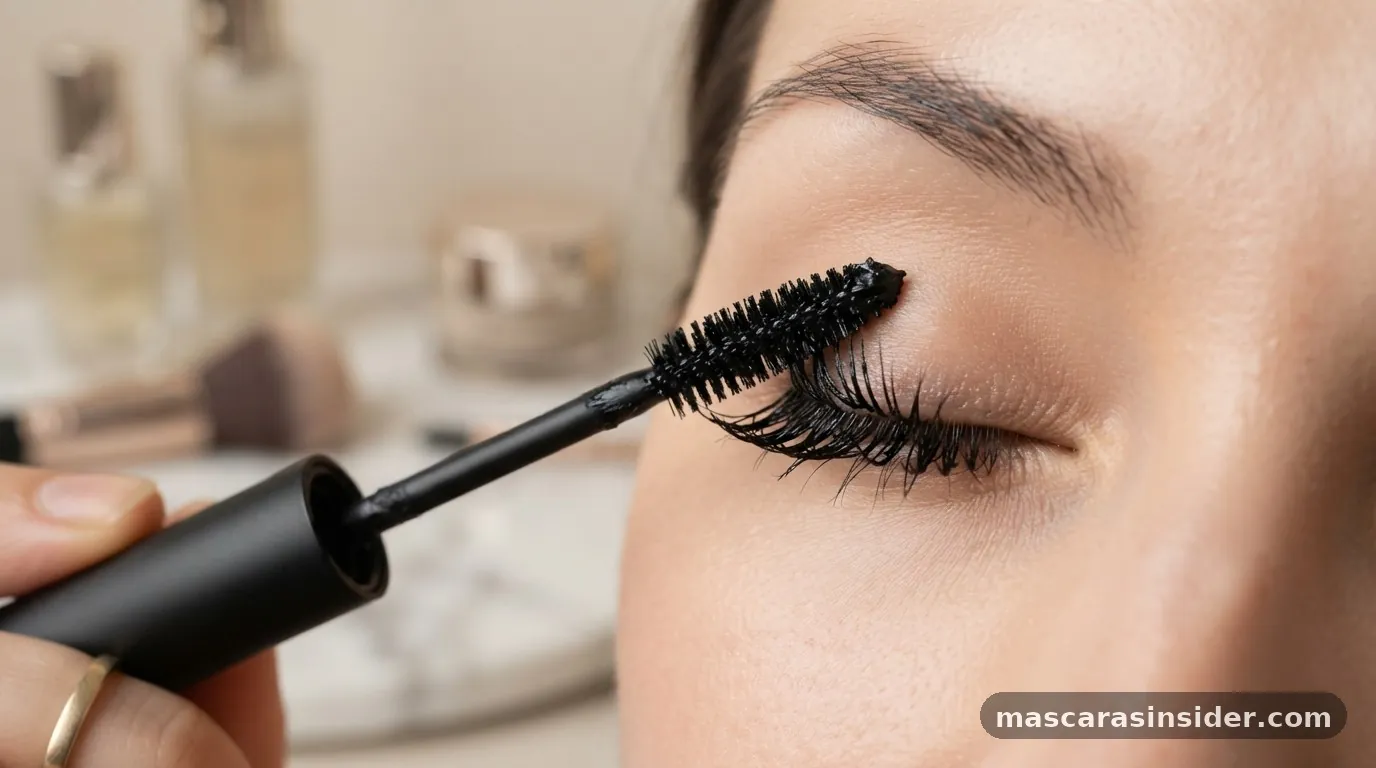
Mascara is widely recognized as a fundamental element of the cosmetics industry, and yes, it is definitively classified as makeup. When you look at the broad category of beauty products designed to enhance or alter the appearance of the face, lashes, and eyes, this dark, pigment-rich substance sits right at the center.
It functions by darkening, thickening, lengthening, and defining the eyelashes, which are features that change the aesthetic expression of the eyes. While the industry often distinguishes between skincare, which focuses on health and maintenance, and cosmetics, which focus on color and temporary alteration, mascara bridges the gap for many users who view their daily routine as a single, cohesive process.
The Categorization of Mascara in the Beauty Industry
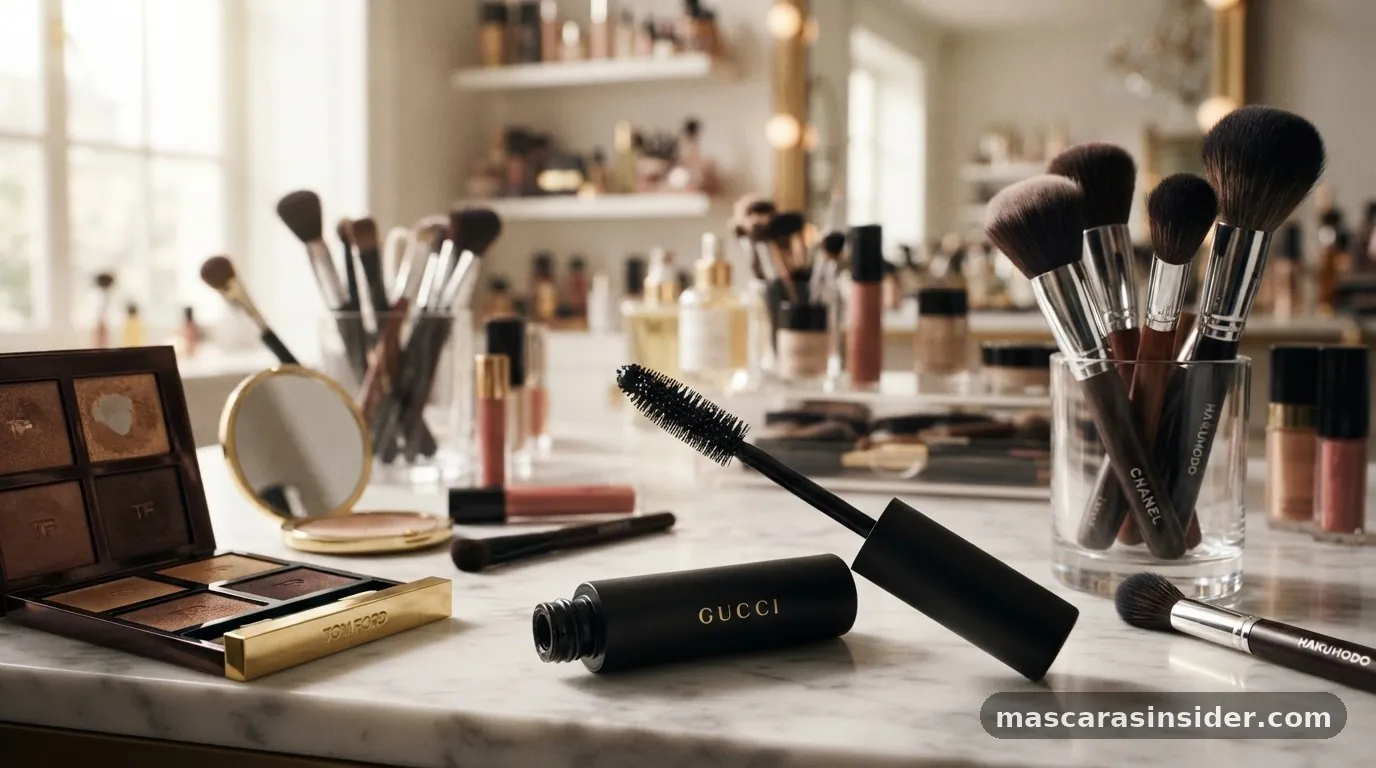
Mascara is categorized as a cosmetic product because its primary purpose is to alter the visual appearance of the eyelashes rather than to provide therapeutic skin benefits. In the world of retail and beauty manufacturing, products are generally split into three buckets: skincare, hair care, and color cosmetics.
Mascara falls firmly into the color cosmetics bucket alongside products like eyeshadow, eyeliner, and brow pencils. Its formulation typically involves a blend of pigments, oils, waxes, and polymers that adhere to the hair shaft to create a dramatic effect.
Because it is a pigment-based product, it is legally and commercially treated as makeup. If you check the label on almost any tube of mascara, you will see it listed under ingredients that are regulated as cosmetics by various health authorities, such as the FDA in the United States. These regulations differentiate between products that “change the appearance” and those that “affect the structure or function of the body.”
Since mascara does not fundamentally change the biology of your eyelashes—though some modern formulations include conditioning peptides—it remains a pure cosmetic. Understanding this classification helps consumers distinguish between the types of items they are adding to their daily beauty kits.
Mascara and TSA Liquid Regulations
When it comes to air travel, the question of whether mascara is considered makeup is secondary to the question of whether it is considered a liquid. According to the Transportation Security Administration (TSA), mascara is classified as a liquid or gel.
This means that if you are carrying it in your carry-on luggage, it must adhere to the standard 3-1-1 rule. This rule dictates that any liquids, gels, or aerosols must be in containers of 3.4 ounces (100 milliliters) or less and must fit inside a single, quart-sized, clear plastic bag.
This is where many travelers encounter frustration. Even though a tube of mascara is significantly smaller than the 3.4-ounce limit, its classification as a liquid means it must occupy space inside that clear pouch. You cannot simply leave it loose in your carry-on bag if you want to breeze through security.
Because the definition of “liquid” at a security checkpoint is broad, it covers almost any substance that can be poured, spread, or smeared. Mascara, with its viscous consistency, fits this definition perfectly. Whether you consider it makeup or a beauty tool, the security officers will treat it as a restricted liquid item.
Comparing Makeup Types Under Security Rules
It is helpful to see how different items in your bag are treated by security agents. Many people are surprised to learn that items they don’t think of as “liquids” are restricted, while others are allowed.
| Item Type | TSA Classification | Travel Requirement |
|---|---|---|
| Mascara | Liquid/Gel | Must be in a quart-sized bag |
| Powder Blush | Solid | No restrictions |
| Lip Gloss | Liquid/Gel | Must be in a quart-sized bag |
| Eyeliner Pencil | Solid | No restrictions |
| Liquid Foundation | Liquid | Must be in a quart-sized bag |
1. The table above illustrates that the physical state of the product—solid versus liquid—is the deciding factor for security screeners.
2.
If you are packing for a flight, always prioritize putting your mascara in your clear pouch early to avoid having to dig it out at the security belt.
3. Keep in mind that some items, like stick concealers or solid lip balms, are usually treated as solids, but if the consistency is soft or creamy enough, a security agent might still flag them.
The Evolution of Mascara Formulations
The history of mascara reveals why it is so firmly entrenched as a makeup staple. From the ancient Egyptian use of kohl to the modern, waterproof, and fiber-infused formulas of today, the goal has always been aesthetic enhancement.
Early versions were made from soot and galena, while today’s products are complex chemical emulsions. This evolution has solidified its status as an essential item in any makeup bag.
Modern mascara is not just about pigment; it is about performance. We now have formulas designed to curl, volumize, and lengthen, all while remaining resistant to humidity and sweat. Because these formulas are so specialized, they have become the most common item in a makeup collection.
Even people who claim to “not wear much makeup” often make an exception for mascara. It provides a “finished” look with minimal effort, which is why it is arguably the most popular cosmetic product on the market. Its ubiquity is a testament to its role as the quintessential makeup item.
Packing Strategies for Travel-Friendly Makeup
If you are trying to minimize the liquids in your carry-on, you need to be strategic about what you bring. Since mascara counts as a liquid, it consumes part of your limited quart-sized bag allowance. To optimize your space, consider these tips for packing your beauty gear:
- Consolidate all small liquid items into one transparent pouch to ensure you meet the TSA requirement without needing extra bags.
- Opt for travel-sized mascara tubes when possible; they take up less volume and are less likely to be scrutinized for size limits.
- Leave unnecessary liquid makeup at home if you can swap it for powder versions, which do not count toward your liquid quota.
- Check the consistency of your products; if a cream eyeshadow feels like a gel, treat it as a liquid to avoid having it confiscated at the checkpoint.
- Use a dedicated makeup pouch that is clear to make the screening process faster for both you and the security officers.
1. Always double-check your bag before you leave for the airport.
2. Even if you think an item is small, the cumulative volume of liquid makeup can quickly exceed the capacity of a standard quart-sized bag.
3.
If you find your bag is too full, prioritize your mascara and foundation, as these are the most difficult to replace while traveling.
4. Try to keep your bag organized by grouping similar items, such as keeping all eye-related products together.
Addressing Topical Gaps: Is Mascara Skincare?
A common point of confusion is whether some modern mascaras can be classified as skincare due to the inclusion of nourishing ingredients. While it is true that many brands now infuse their formulas with vitamins, keratin, and oils to promote lash health, this does not change the fundamental classification of the product.
Mascara remains makeup because its primary function is visual. If you were to stop wearing mascara, your lashes would not suffer a health decline; you would simply lose the visual impact of the pigment.
Skincare, by contrast, is intended to improve the health or function of the skin barrier. While a mascara might “help” your lashes stay hydrated, it is not a treatment in the medical sense. Distinguishing between these two is important because it prevents consumers from relying on makeup for health benefits that it cannot actually provide.
If your goal is lash growth, you should look for specific serums designed for that purpose, which are often sold in the skincare aisle rather than the cosmetic aisle. Understanding this distinction ensures you are using the right products for the right reasons.
Common Misconceptions About Makeup and Liquids
There is a persistent belief that because mascara is a “small” item, it might be exempt from liquid rules. This is a dangerous assumption that leads to many items being discarded at airport security.
The rules are based on the nature of the substance, not the size of the container, although the container size is a secondary restriction. Because mascara is a viscous fluid, it is treated exactly like a travel-sized bottle of shampoo or a tube of toothpaste.
Another misconception is that “waterproof” mascara is somehow different in the eyes of security. It is not. The chemical composition might be more resistant to water, but it is still a liquid or gel under the definition used by the TSA.
If you are ever in doubt, the safest approach is to always pack it in your liquid bag. It is better to have it in the bag and not need it to be there than to have it in your carry-on and risk losing a favorite product during the screening process. Following the rules strictly will always save you time and stress.
FAQ: Common Questions Regarding Mascara and Travel
Is mascara considered a liquid by the TSA?
Yes, mascara is classified as a liquid or gel by the TSA. Because of its viscosity, it must be placed in a clear, quart-sized, zip-top bag along with any other liquids, gels, or aerosols you are carrying through a security checkpoint in your carry-on luggage.
Can I bring mascara in my carry-on bag?
You can bring mascara in your carry-on bag, provided it is in a container of 3.4 ounces or less and fits inside your single, quart-sized plastic bag. If you have multiple tubes, they must all fit within that one bag alongside your other liquid items.
Is there a difference between makeup and skincare when packing?
Yes, the difference is significant for air travel. Skincare products like lotions and serums are almost always liquids or gels and must follow the 3-1-1 rule. Makeup includes both liquids (like mascara, foundation, and lip gloss) and solids (like powder blush and eyeshadow), with only the liquids requiring special packing.
Does my lip gloss count as a liquid?
Lip gloss is considered a liquid or gel by security screeners. Like mascara, it must be included in your quart-sized clear bag when you pass through airport security. If you want to avoid the liquid rule entirely, consider switching to a solid lip balm or a lipstick that is not in a liquid form.