
Many beauty enthusiasts rely on long-wearing formulas to ensure their look stays pristine through humidity, rain, or emotional moments. However, the question of whether waterproof mascara is bad for your lashes persists in beauty circles.
While these products offer undeniable convenience, they operate differently than standard formulas, often relying on chemicals that can impact your lash health over time. Understanding the trade-offs between longevity and structural integrity is the first step in maintaining healthy, full eyelashes.
The Chemical Composition of Waterproof Mascara
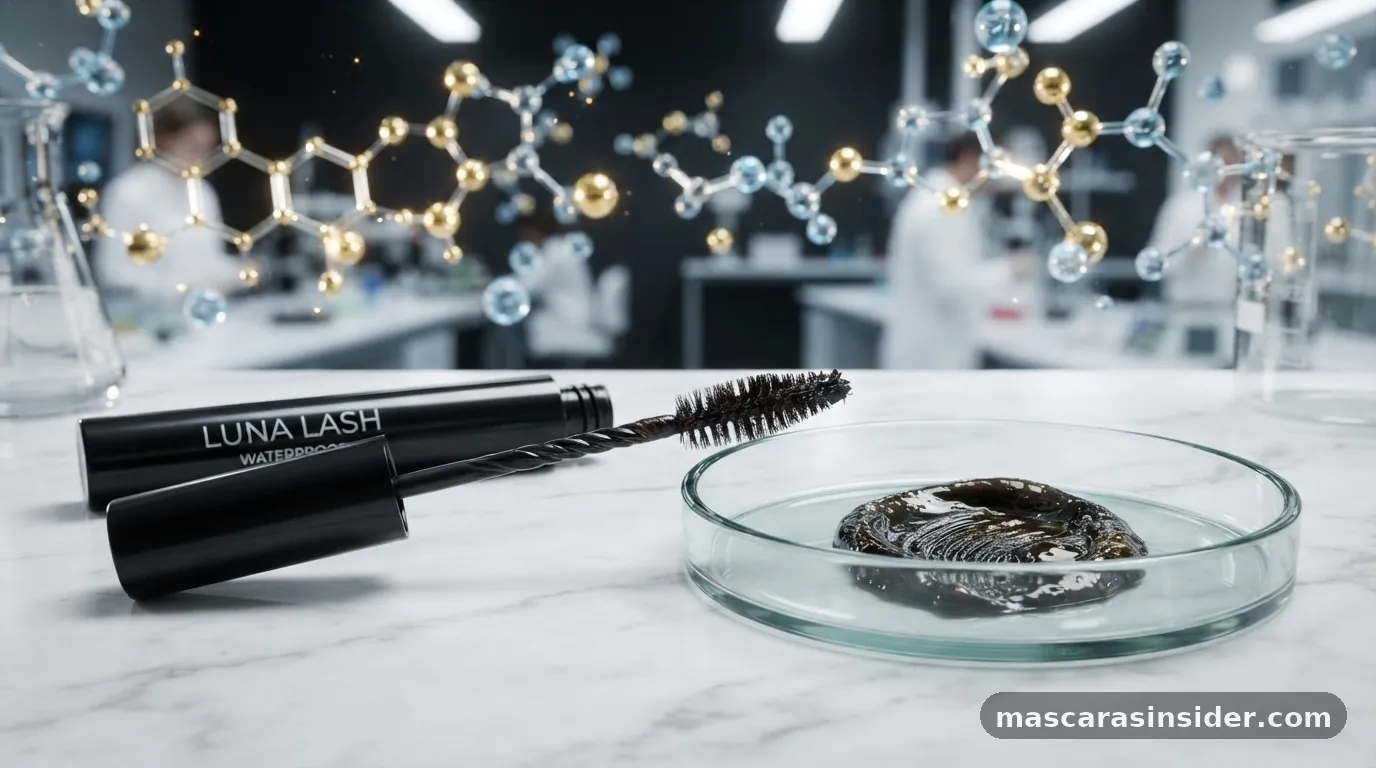
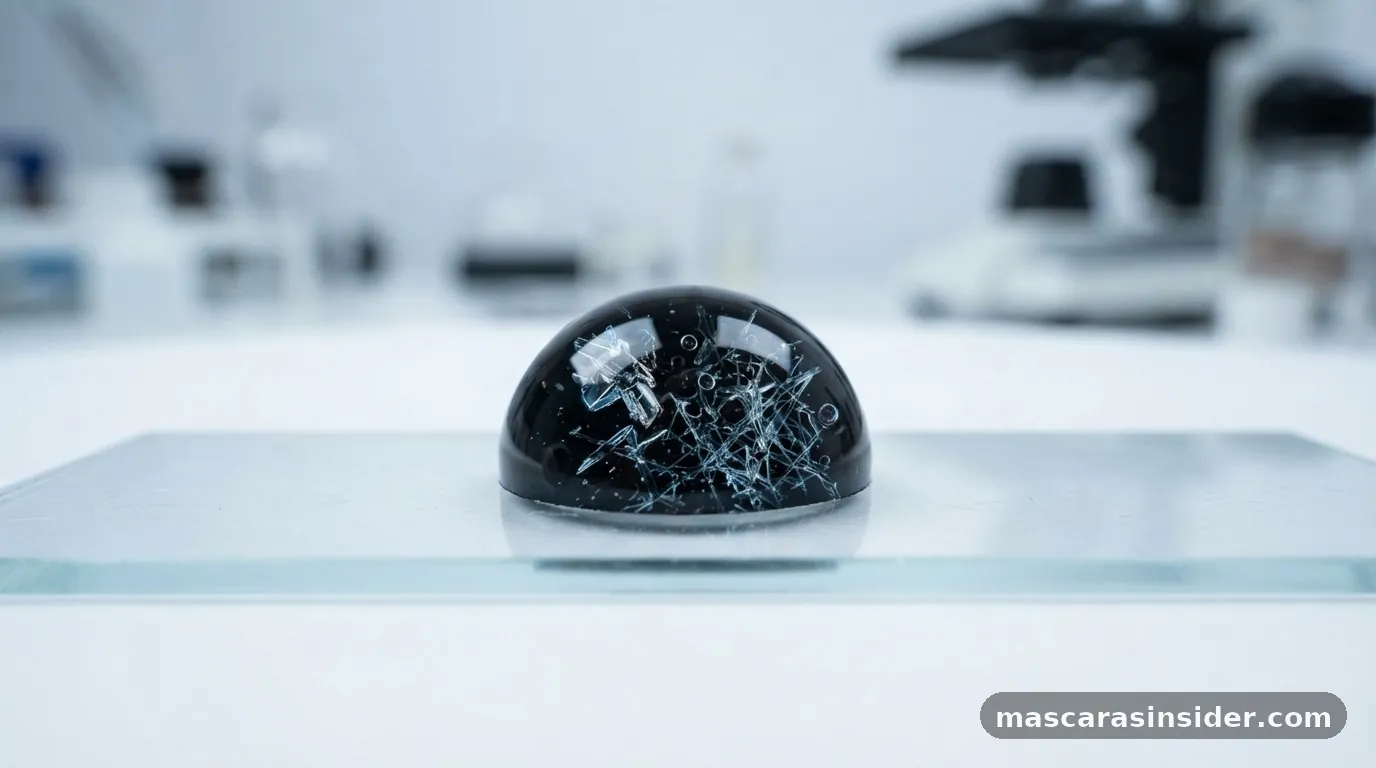
Waterproof mascara is bad primarily because of the solvents and polymers required to create a water-resistant barrier. Unlike traditional options that use water as a base, these formulas typically incorporate volatile solvents like isododecane or specialized waxes that repel moisture. These ingredients ensure the product doesn’t run when you encounter a tear or sweat, but they also create a rigid film around the hair shaft.
This film is significantly harder to break down than standard pigments. Because the formula is designed to resist dissolution, it remains tethered to the lash even after a typical face wash. The result is a persistent coating that requires mechanical friction to lift.
This friction is where the primary damage occurs. When you scrub your eyes to remove stubborn makeup, you are essentially tugging at the follicle. Over weeks and months, this repetitive physical stress can lead to premature lash shedding and breakage.
Furthermore, the ingredients used to make these products adhere so strongly to the lashes can sometimes cause dryness. By coating the lash in a synthetic, non-breathable layer, you may be preventing the hair from receiving the natural hydration it needs. If you notice your lashes appearing brittle or sparse, the formula you use for daily wear might be the culprit.
Impact on Eyelash Health and Growth
The long-term use of high-adhesion formulas can lead to a noticeable decline in lash quality. When you don‘t remove the product correctly, the leftover residue acts like a cement, making your lashes stiff and prone to snapping.
This is particularly concerning for those who already struggle with thinning lashes. The cycle of application and removal creates a daily strain that most people don’t consider until they see a significant amount of hair on their cotton pad.
Another factor to consider is the weight of the product. Many waterproof formulas are heavier than their water-based counterparts. This added weight can pull on the lash root, especially if the product isn’t removed nightly.
Think of it like wearing heavy hair extensions; if they are never taken out, they eventually cause traction alopecia. While the effect is smaller with mascara, the cumulative impact over years of use is non-negligible.
1. Daily scrubbing leads to mechanical breakage.
2. Heavy polymers can weigh down the lash root.
3.
Incomplete removal causes build-up at the base.
4. Rigid coatings make lashes prone to snapping.
Connection to Meibomian Glands
A critical concern that often goes overlooked is the relationship between heavy makeup and the meibomian glands. These tiny glands located along the eyelid margins are responsible for secreting oils that keep your eyes lubricated. When you apply thick, wax-heavy mascaras, there is a legitimate risk that these products can migrate into the eye area and clog the openings of these glands.
If you experience gland dysfunction, the quality of your tears changes, often leading to dry, gritty, or irritated eyes. This condition is frequently exacerbated by the use of waterproof products that are difficult to clear away.
If you find your eyes feeling tired or inflamed at the end of the day, you should consult an expert or check resources like the American Academy of Ophthalmology to understand the mechanics of ocular health. Avoiding products that leave behind waxy residue is one of the best ways to keep these critical structures functioning properly.
The Removal Process as a Primary Risk Factor
The act of taking off your makeup is arguably more dangerous than the makeup itself when it comes to waterproof formulas. Most people reach for a standard cleanser, find it doesn’t work, and then resort to aggressive rubbing.
This is a massive mistake. If you insist on using these formulas, you must use an oil-based makeup remover or a dedicated bi-phase cleanser.
Oil is the only substance that can effectively dissolve the waterproof polymers without requiring excessive force. When you saturate a cotton pad with an oil-based cleanser and hold it against your closed eyelid for thirty seconds, the formula breaks down naturally. This allows you to wipe away the product gently.
If you are still seeing black streaks on your pillowcase in the morning, you aren’t doing it right. Proper removal isn’t just about cleanliness; it’s about preserving the delicate hair follicles that surround your eye.
Comparing Waterproof and Regular Formulas
Choosing the right product depends on your lifestyle, but it is helpful to weigh the pros and cons of each type. While waterproof versions are essential for events or high-humidity environments, they shouldn’t necessarily be your daily driver.
| Feature | Waterproof Mascara | Regular Mascara |
|---|---|---|
| Removal Difficulty | High (Requires oil-based) | Low (Water-soluble) |
| Moisture Resistance | Excellent | Low |
| Lash Stress | High due to friction | Low |
| Gland Impact | Potential for clogging | Minimal |
As shown in the table above, the trade-off is clear. If you don’t need the extra resistance, sticking to a regular formula is almost always the healthier choice for your eyes. You can save the waterproof versions for special occasions where you know you’ll be exposed to moisture or extreme heat.
Strategies for Healthier Lash Maintenance
If you aren’t ready to give up your favorite long-wear mascara, there are ways to mitigate the damage. The goal is to minimize the time the product spends on your lashes and to ensure it is removed with extreme care.
- Use an oil-based cleanser to melt the product before washing.
- Avoid pumping the mascara wand, as this pushes air into the tube and causes the formula to dry out and become clumpy.
- Apply a lash serum at night to help nourish the follicles after a long day of wearing heavy makeup.
- Give your lashes a “makeup-free” day at least twice a week to allow for natural oil production and recovery.
- Check the ingredient list for conditioning agents like panthenol or vitamin E that may help counteract the drying effects of the wax.
By integrating these habits, you can enjoy the aesthetic benefits of a waterproof look without sacrificing the long-term health of your lashes. Remember that your lashes are delicate structures, and they respond best to gentle handling and consistent care.
Addressing Common Myths About Lash Health
A common misconception is that waterproof mascara causes lashes to fall out instantly. In reality, it is a slow process of attrition.
You aren’t losing lashes because of the product toxicity; you are losing them because of the physical trauma inflicted during the removal process. Many people assume they have naturally brittle lashes when, in fact, they have simply been damaging them through incorrect cleansing habits for years.
Another myth is that all waterproof formulas are created equal. Some brands have started formulating “tubing” mascaras that are water-resistant but not waterproof.
These formulas create tiny polymer tubes around each lash that slide off with warm water and gentle pressure. They offer a great middle ground for those who want to prevent smudging but want a much easier removal process that doesn’t involve harsh scrubbing or heavy oils.
Frequently Asked Questions
Is it bad to wear waterproof mascara every day?
Wearing it daily is generally discouraged because the difficulty of removal leads to chronic friction. This stress can cause lashes to become brittle, break, or shed prematurely. If you must wear it daily, ensure you use a high-quality oil cleanser and never rub your eyes aggressively.
Does waterproof mascara cause meibomian gland dysfunction?
Yes, it can contribute to this issue. The waxy, water-resistant ingredients can migrate into the eye and clog the tiny oil-secreting glands along the eyelid. Once these glands are blocked, it can lead to chronic dry eye symptoms, discomfort, and irritation that requires professional intervention to resolve.
What is the healthiest way to remove stubborn mascara?
The healthiest method is using an oil-based makeup remover or a cleansing balm. Apply the product to a cotton pad, press it gently against your closed eyelid for at least thirty seconds, and let the formula dissolve the wax. This prevents the need for any harsh scrubbing or tugging.
Are there alternatives to waterproof mascara for smudge-prone eyes?
Yes, consider using a tubing mascara. These formulas are designed to resist smudging and sweat but can be removed easily with just warm water and gentle pressure. They provide the longevity of a waterproof product without the need for aggressive removal techniques that damage your natural lashes.