
Learning how to make mascara waterproof is a common goal for those who love their everyday formula but need extra staying power for humid days, gym sessions, or emotional events. While many people assume they must purchase a completely new product to survive a splash in the pool, several techniques exist to transform your current favorite tube into a moisture-resistant masterpiece. Achieving this requires understanding how specific ingredients interact with the delicate skin around your eyes and how to layer products effectively to create a barrier against moisture.
Understanding the Mechanics of Waterproofing
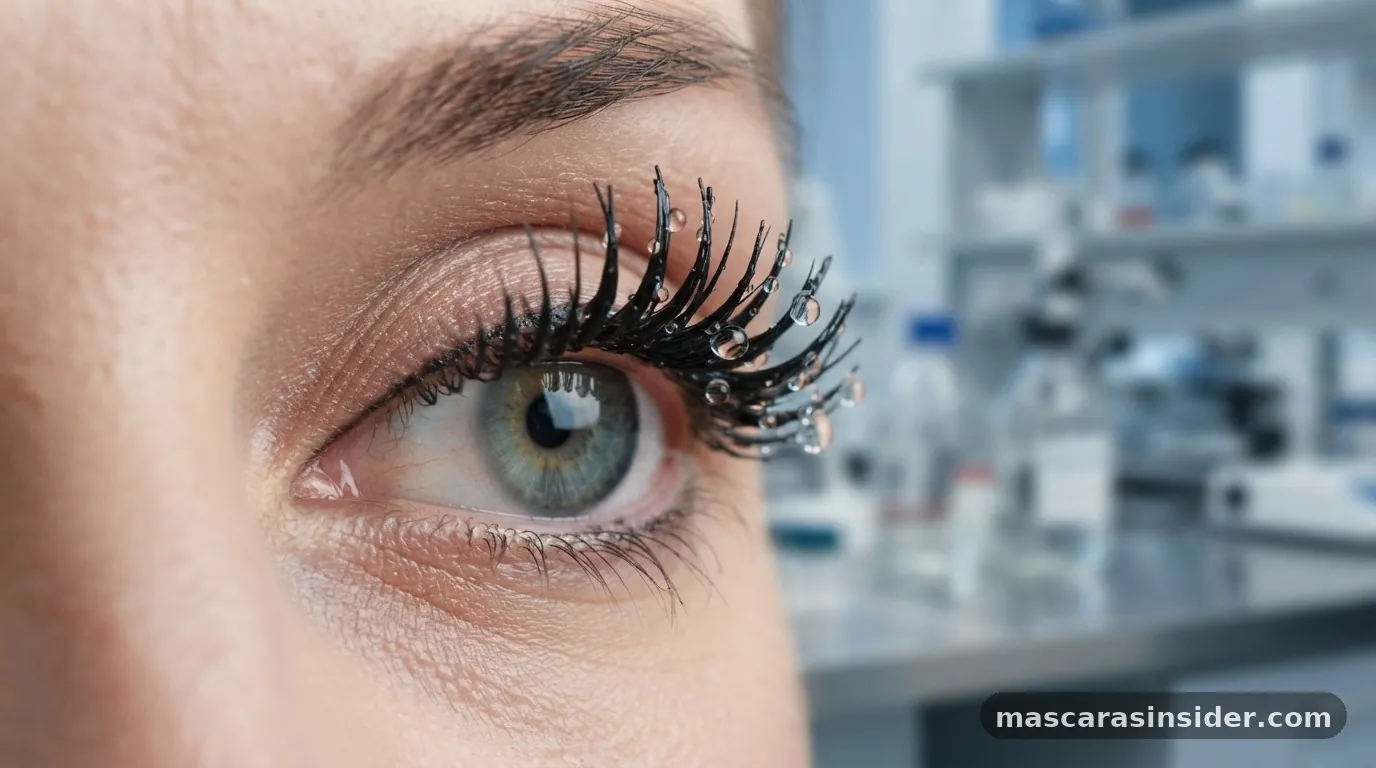
To make mascara waterproof, you must introduce a hydrophobic layer that prevents water from breaking down the polymers in your existing formula. Most standard mascaras are water-based, meaning they are designed to dissolve when they encounter moisture, which makes them easy to remove at the end of the day.
Waterproof formulas, conversely, rely on waxes and volatile solvents that create a film resistant to water and oils. When you attempt to seal a non-waterproof mascara, you are essentially trying to replicate this film-forming process on top of an already dry or drying application.
The primary challenge lies in the difference between oil-based and water-based cosmetics. If you apply a product that is too heavy, you risk clumping or smudging. The goal is to apply a “top coat” that dries quickly and seals the lashes without weighing them down.
You aren’t changing the chemical composition of the mascara inside the tube; rather, you are creating a secondary shield that sits on the surface of your lashes. This is similar to how a raincoat works over a cotton shirt; the shirt stays dry because the outer layer repels the droplets before they can penetrate the fabric.
Using a Waterproof Mascara Top Coat
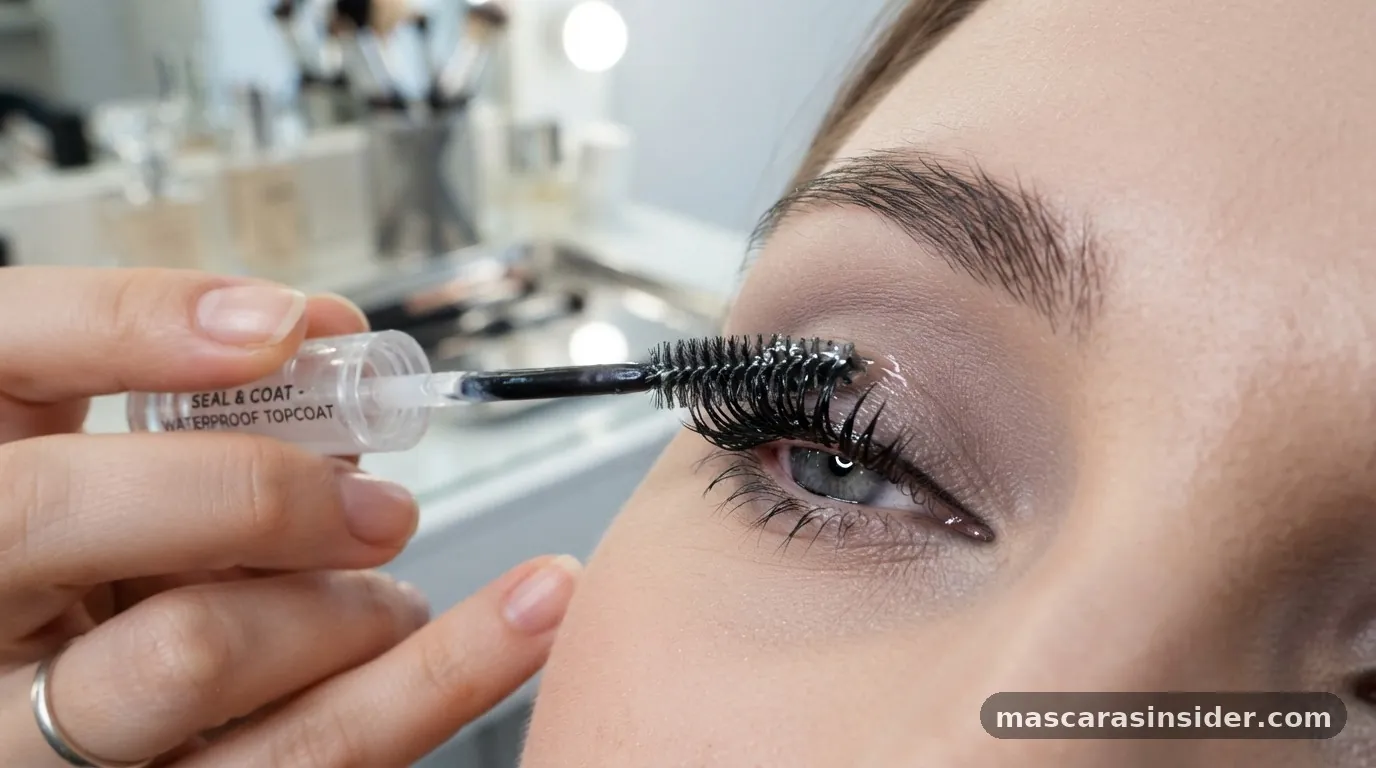
A waterproof mascara top coat is the most reliable method for making your regular mascara resistant to environmental moisture. These clear or tinted formulas are specifically engineered to sit over standard makeup without causing it to run or bleed. Because they are designed for this exact purpose, they are far more effective than DIY hacks and are generally formulated to be gentle on the eye area.
1. Apply your favorite standard mascara as you normally would, allowing it to dry for at least two minutes.
2. Carefully coat your lashes with the waterproof top coat, starting from the root and moving toward the tips.
3.
Ensure you cover the tips thoroughly, as this is where moisture often begins to break down the mascara bond.
4. Don’t blink heavily until the top coat has completely set to avoid transferring the product onto your eyelid.
Using a dedicated sealer is the safest way to maintain the integrity of your lashes. Unlike oils or waxes, these products are formulated to be compatible with the pigments found in standard mascaras, meaning they won’t cause the formula to turn into a runny mess. They are widely available at beauty retailers and are the gold standard for those who don’t want to replace their entire makeup collection.
The Role of Clear Mascara as a Barrier
Many enthusiasts wonder if clear mascara can act as a waterproof layer. While clear mascara is often used to set eyebrows or provide a natural look, its ability to make regular mascara waterproof is limited.
Most clear mascaras are water-based, just like their colored counterparts. However, some specific brands offer clear formulas with higher wax content that can provide a mild, water-resistant barrier.
If you choose to use clear mascara, look for options that specifically mention “sealing” or “setting” properties. It won’t turn a water-soluble product into a smudge-proof one for swimming, but it can certainly help during a light drizzle or a particularly humid afternoon. It acts as a light protective film that prevents the mascara from smearing if you accidentally touch your eye.
| Method | Water Resistance Level | Ease of Removal |
|---|---|---|
| Waterproof Top Coat | High | Moderate (requires oil-based cleanser) |
| Clear Mascara Layer | Low | Easy (water or gentle cleanser) |
| Setting Spray Mist | Low to Moderate | Easy |
Why You Should Avoid DIY Hacks Like Hairspray
You might find advice online suggesting the use of hairspray to lock in mascara, but this is a dangerous practice that you should absolutely avoid. Hairspray contains alcohol and other chemical agents that are designed to hold hair in place, not to be applied to the delicate mucous membranes of the eye. Introducing these substances near the eye can cause intense stinging, redness, and long-term irritation.
Furthermore, hairspray is not formulated to be flexible. As your lashes move, the dried hairspray can crack and flake off, potentially falling into your eyes and causing significant discomfort. Protecting your vision and the health of your skin is far more important than the longevity of your makeup.
Always stick to products that have been dermatologically tested for use around the eyes. If you are interested in the safety standards of cosmetic ingredients, you can find more information through resources like the U.S. Food and Drug Administration.
Techniques for Proper Removal
Once you successfully make your mascara waterproof, you must accept that the removal process will change. Because you have created a water-resistant seal, splashing your face with water and soap will no longer be sufficient. In fact, scrubbing at your eyes to remove a stubborn waterproof layer can lead to lash breakage and irritation of the sensitive skin surrounding the orbit.
To remove your now-waterproofed lashes, use an oil-based makeup remover or a dedicated bi-phase cleanser. The oil molecules work to break down the wax-based seal you created, allowing the mascara to slide off gently.
Simply soak a cotton pad in the remover, press it against your closed eyelid for thirty seconds, and wipe downward. This method ensures that you don’t tug on your lashes, preserving their health while keeping your routine clean and effective.
Addressing Topical Gaps: Common Concerns
A common question is whether you can mix ingredients into your mascara tube to change its properties. You should never add oils, petroleum jelly, or other substances directly into your mascara tube.
Mascaras are carefully balanced environments designed to prevent bacterial growth. By introducing foreign substances, you disrupt the preservative system, which can lead to the rapid growth of pathogens that cause eye infections.
Another concern is whether waterproof mascara causes acne. While the mascara itself doesn’t cause acne on the skin, the removal process can.
If you don’t thoroughly clean your face after using an oil-based remover, the residual oils can clog pores around your eyes and temples. Always follow up your makeup removal with a gentle foaming cleanser to ensure the skin is completely clean and free of oily residue.
The Importance of Lash Health
Regardless of the method you choose to make your mascara last longer, prioritizing lash health is essential. Waterproofing agents, while effective, can sometimes be drying if used every single day. If you notice your lashes becoming brittle, consider taking a break from waterproof products or using a lash conditioner at night.
* Use a lash serum to nourish the hair follicles.
* Avoid pulling or rubbing your eyes throughout the day.
* Replace your mascara every three months to prevent bacterial buildup.
* Always remove all eye makeup before going to sleep to prevent clogged follicles.
By following these practices, you can enjoy the benefits of long-lasting makeup without compromising the natural beauty and health of your lashes. Whether you opt for a professional top coat or simply choose a formula that is naturally more resilient, remember that the best beauty look is one that keeps your skin and eyes healthy in the long run.
Frequently Asked Questions
Can I make any mascara waterproof at home?
You cannot safely transform a standard formula into a truly waterproof one at home. Using household items like hairspray or petroleum jelly is dangerous for your eyes. Instead, use a professional waterproof top coat to seal your lashes safely without risking infection or irritation.
Does Vaseline make mascara waterproof?
No, applying petroleum jelly over mascara will not make it waterproof. In fact, the oily nature of Vaseline will likely cause your mascara to smudge, smear, and run down your face, creating a mess rather than a protective, long-lasting seal. Avoid this common beauty myth.
How do I remove waterproofed mascara without damaging lashes?
Use an oil-based makeup remover or a bi-phase cleanser. Soak a cotton pad and hold it against your closed eyelid for thirty seconds to dissolve the wax-based seal. Gently wipe away the product without rubbing or pulling, which prevents lash breakage and protects the delicate skin.
Why does my mascara still smudge even with a top coat?
If your mascara continues to smudge, the top coat might not be fully sealing the tips of your lashes. Ensure you are coating the very ends of the lashes thoroughly. Additionally, oily eyelids can break down products, so using an eyeshadow primer before applying mascara can help create a better base.