
The quest for defined, dark, and dramatic eyes has captivated cultures for millennia. While modern makeup bags are filled with sleek, high-tech tubes, the question of when mascara was invented leads us back to the dawn of civilization.
It wasn’t a single moment of discovery, but rather a long, evolving journey of trial and error that transformed crude pigments into the sophisticated beauty tools we use today. Understanding how our ancestors approached eye enhancement provides a fascinating glimpse into the history of cosmetic innovation and the enduring human desire to draw attention to the eyes.
Ancient Origins of Eye Pigmentation
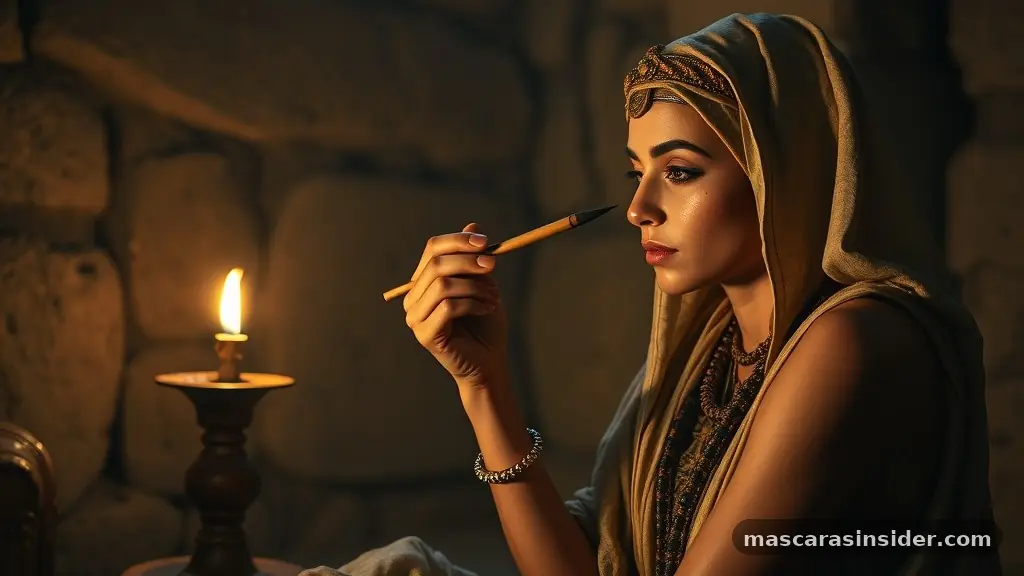
Long before the modern beauty industry existed, ancient civilizations were already experimenting with ways to darken their lashes. In Ancient Egypt, around 4000 BCE, both men and women utilized a substance known as kohl.
This early form of eye makeup was crafted from a mixture of galena, malachite, charcoal, and soot. While it served a functional purpose by protecting the eyes from the harsh glare of the sun and repelling insects, it also carried deep spiritual and aesthetic significance.
The application of kohl was a ritualistic practice. It was believed to ward off evil spirits and provide protection from the “evil eye.”
Because the ingredients were often toxic—lead being a common component—the process was both a beauty statement and a dangerous health risk. Despite these dangers, the use of dark pigments to accentuate the lash line became a cornerstone of Egyptian beauty standards, setting a precedent for eye enhancement that would persist through the centuries.
The Victorian Era and the Quest for Safety
By the 19th century, the cultural attitude toward makeup had shifted significantly. In Victorian England, heavy makeup was often associated with stage performers or women of ill repute, leading to a preference for a more natural, subtle appearance.
However, women still sought ways to darken their lashes without looking “painted.” This led to the development of early, DIY lash-darkening concoctions.
During this period, women experimented with various home remedies to enhance their eyelashes. A common method involved mixing coal dust with petroleum jelly or even elderberry juice. These mixtures were applied using small brushes or even needles to coat the hairs.
While these methods were arguably safer than the lead-based kohl of the past, they were messy, prone to smudging, and difficult to remove. It was a time of experimentation, where the lack of commercial options forced individuals to become their own makeup chemists.
Eugene Rimmel and the Birth of Commercial Mascara
The transition from homemade pastes to a mass-market product began in the mid-1800s. Eugene Rimmel, a French perfumer living in London, is frequently credited with creating the first non-toxic mascara for the general public.
His product was a solidified cake of pigment that required a damp brush to activate. This innovation was a major turning point in the history of cosmetics.
Rimmel’s contribution was so significant that, in many languages, the word for mascara is still “rimmel.” By packaging the product in a convenient, portable form, he made lash enhancement accessible to a wider demographic.
His focus on using safer, non-toxic ingredients helped soothe the concerns of women who were wary of the harsh chemicals found in earlier, unregulated concoctions. This era solidified the idea that makeup could be both effective and relatively safe for daily use.
The Maybelline Revolution in the United States
While Rimmel dominated the European market, the true modernization of the product occurred in the United States in the early 20th century. Thomas Lyle Williams, inspired by his sister Mabel’s attempt to fix her sparse lashes with a mixture of coal dust and Vaseline, sought to create a more effective solution. In 1915, he launched a product that would eventually become the legendary brand Maybelline.
The name itself is a portmanteau of his sister’s name and “Vaseline.” This early version was similar to the Rimmel cake, requiring a brush to pick up the pigment and apply it to the lashes.
Its success was driven by clever marketing and the rise of the film industry, where actresses like Theda Bara were popularizing the look of dark, mysterious eyes. For the first time, average women could emulate the glamorous, dramatic looks they saw on the silver screen in their own homes.
Evolution of the Mascara Brush
For decades, the application of mascara remained a manual, somewhat cumbersome process. Users had to carefully wet a small brush, rub it against the solid cake of pigment, and then meticulously coat each lash.
This all changed with the invention of the mascara wand in the late 1950s. Helene Curtis and other beauty pioneers began experimenting with ways to make the product more convenient.
The introduction of the spiraled brush inside a tube of liquid formula effectively replaced the cake-and-brush method. This evolution allowed for a more even, clump-free application and eliminated the need for water.
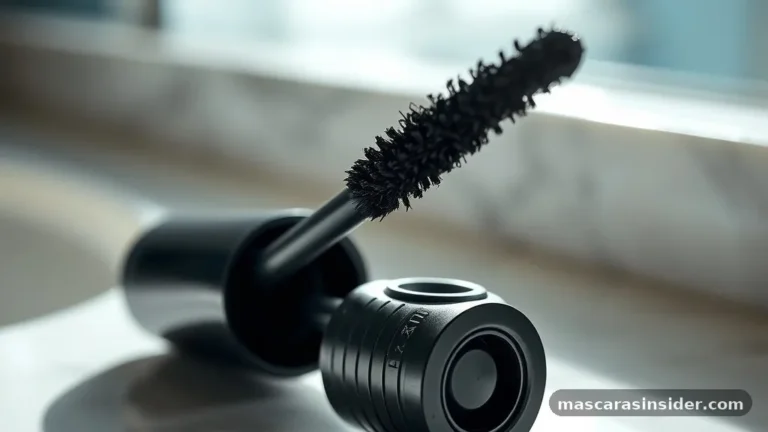
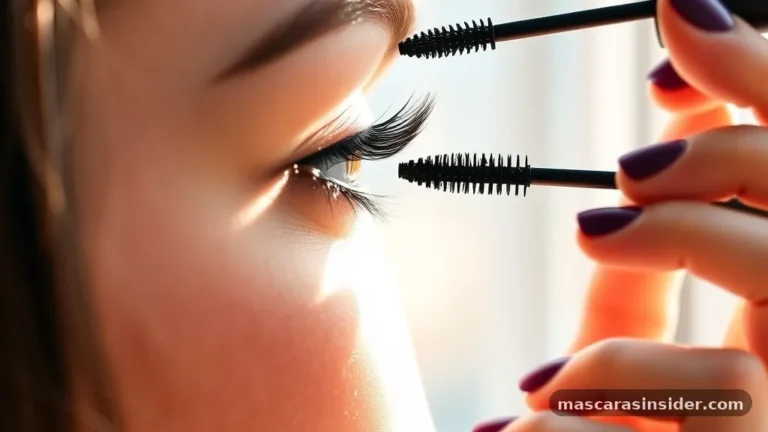
The wand became an iconic tool, with manufacturers constantly tweaking the brush shape, bristle length, and material to achieve different effects—from lengthening and curling to volumizing. Today, the design of the brush is considered just as important as the formula itself for achieving a specific lash look.
The Rise of Waterproof and Tubing Formulas
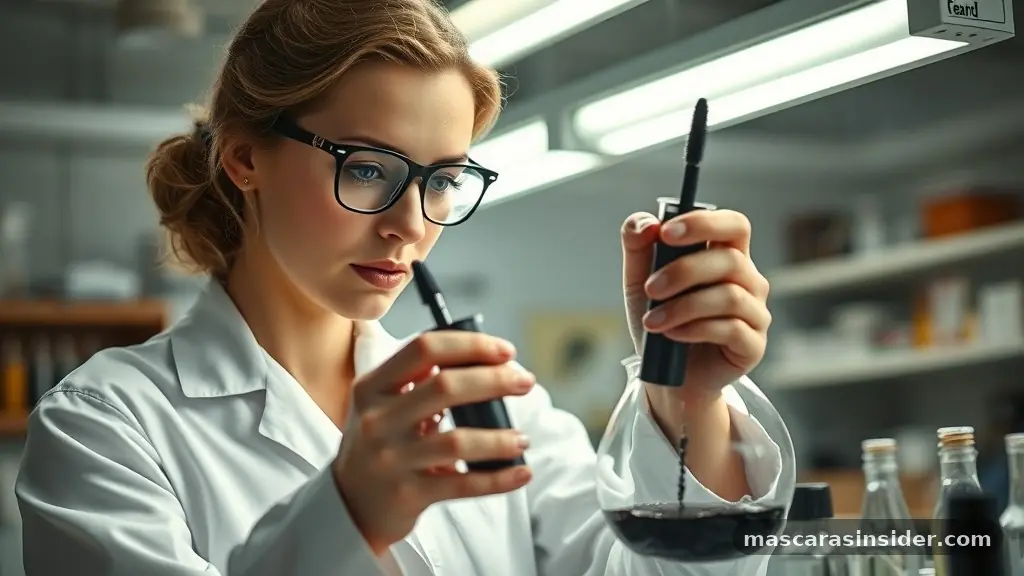
As the beauty industry grew, so did the demand for products that could withstand sweat, tears, and humidity. Waterproof formulas were introduced in the 1930s, though early versions were notoriously difficult to remove and often contained harsh solvents like turpentine. Over time, chemists developed gentler, oil-resistant polymers that could hold up against moisture without damaging the delicate lashes.
In more recent years, we have seen the rise of tubing mascaras. Unlike traditional formulas that coat the lash in pigment, these products wrap each individual lash in water-soluble, tube-like polymers.
This technology has become a favorite for those with sensitive eyes, as the tubes don’t smudge or run like wax-based products. They can be removed easily with warm water, making them a game-changer for those who find standard makeup removal routines irritating or time-consuming.
Comparing Traditional and Modern Mascara Technologies
The technology behind our lash products has advanced significantly over the last century. While the core goal—darkening and defining the eyes—remains the same, the mechanics have changed drastically.
| Feature | Cake Mascara (Early 20th Century) | Modern Liquid Mascara |
|---|---|---|
| Application | Requires water and a separate brush | One-step wand application |
| Formula | Solid wax and pigment | Emulsion of water, polymers, and waxes |
| Portability | Low (requires extra tools) | High (all-in-one packaging) |
| Removal | Soap and water | Micellar water or makeup remover |
Addressing Common Misconceptions
There are many myths surrounding the history of lash makeup. One common misconception is that it was originally invented for men. While ancient Egyptian men did wear kohl, it was not “mascara” in the modern sense.
It was a universal cosmetic tool used by all genders for protection and status. Another frequent error is the belief that the mascara wand has always been a spiraled plastic brush. In reality, early wands were often made of stiff, short-bristled brushes that looked more like miniature toothbrushes.
It is also important to address the confusion regarding ingredients. Many people assume that modern products are entirely natural, but the reality is that high-performance mascara relies on complex chemical engineering. From film-forming polymers that prevent flaking to conditioning agents like panthenol that protect the hair, today’s products are sophisticated formulations designed to last all day while maintaining the health of your eyelashes.
Lash Health and Sensitive Eyes
With the widespread use of eye makeup, understanding how to maintain the health of your eyes is essential. Ingredients in some products can trigger reactions, especially for those with sensitive eyes.
Common allergens include certain preservatives, fragrances, and pigments used in cheaper formulations. It is always wise to check labels and opt for ophthalmologist-tested products if you have a history of irritation.
Furthermore, the way you use your mascara matters. Experts recommend replacing your tube every three months to prevent bacterial growth. Never pump the wand, as this introduces air into the tube, which dries out the formula and can harbor microbes.
Removing your eye makeup before bed is non-negotiable; leaving it on can lead to clogged hair follicles, lash breakage, and even stye infections. Taking these small steps will ensure your beauty routine remains a safe and enjoyable part of your day.
The Future of Lash Enhancement
As we look toward the future, the industry is moving away from purely aesthetic products toward those that offer care and treatment. We are seeing a surge in hybrid products that combine traditional makeup with lash-growth peptides and nourishing oils. This shift reflects a broader trend in the beauty world: the desire for products that work harder to improve your natural features while providing an immediate visual effect.
We can also expect to see more sustainable packaging solutions. Given that mascara is a product that must be replaced frequently, the environmental impact of plastic tubes and brushes is a growing concern.
Many brands are now exploring refillable systems and recyclable materials to reduce waste. The history of this simple beauty tool shows that it is always evolving, and the next chapter will likely be defined by a blend of high-performance chemistry and eco-conscious design.
Frequently Asked Questions
Did people use mascara in the 1800s?
Yes, though it was not the commercial product we recognize today. Victorian women often created their own lash-darkening mixtures at home using coal dust and petroleum jelly or elderberry juice to achieve a subtle, defined look without the social stigma of heavy stage makeup.
What was mascara originally used for?
In ancient civilizations like Egypt, the early forms of eye makeup, such as kohl, were used for both spiritual and functional purposes. They were believed to protect the wearer from the “evil eye” and spiritual harm, while also shielding the eyes from sun glare and insects.
When did people start wearing mascara?
The practice dates back to at least 4000 BCE in Ancient Egypt. However, the modern version of the product as a mass-market cosmetic did not appear until the mid-19th century, with the first widely accessible commercial formulas being produced in the early 1900s.
How was mascara applied in the 1920s?
In the 1920s, most users relied on “cake mascara.” This consisted of a solid block of pigment that required a small, damp brush. The user would wet the brush, rub it against the cake to pick up the color, and then carefully apply it to their lashes.
Conclusion
The history of lash enhancement is a long and fascinating road, stretching from the soot-filled rituals of Ancient Egypt to the precision-engineered tubes we keep in our purses today. While the question of when mascara was invented has a complex answer depending on whether you define it by its ancient roots or its modern commercial birth, one thing is clear: the desire to frame our eyes has always been a fundamental part of human expression. By understanding the origins and the evolution of the formulas we use, we gain a deeper appreciation for the simple, daily act of applying makeup.
If you’re looking to upgrade your routine, consider how different brush shapes and ingredients can change your look, and always prioritize the health of your lashes. Take a moment to experiment with new techniques, and enjoy the confidence that comes with a perfectly defined gaze.