

Dealing with raccoon eyes by midday is a frustrating experience for anyone who loves a polished appearance. When you put effort into your makeup, you expect it to stay put, yet mascara smudging often ruins the look within hours. Understanding why your lashes leave marks on your skin is the first step toward finding a permanent solution.
By adjusting your technique, selecting the right formulas, and prepping your face properly, you can ensure your eyes remain defined and clean from morning until night. Mastering how to keep mascara from smudging is entirely possible with a few strategic changes to your daily beauty routine.
Why Mascara Smudging Happens
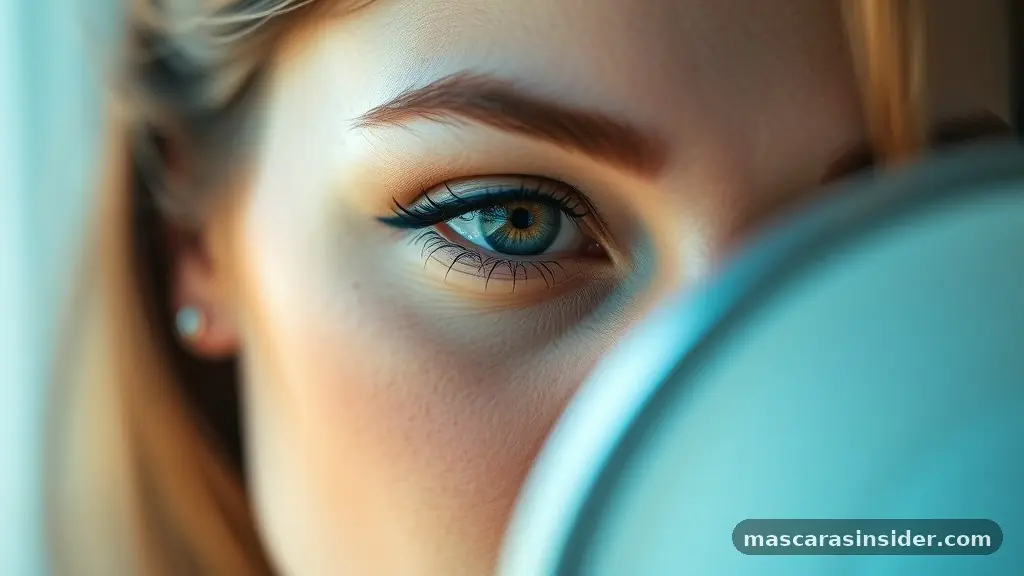
Most people assume that mascara smudging is simply a sign of a poor-quality product, but the reality is often more complex. The primary culprit is usually a combination of natural skin oils and the specific chemical composition of your eye makeup.
Your eyelids are one of the oiliest parts of the face, and throughout the day, those oils migrate downward, breaking down the waxes and pigments in your mascara. When these ingredients liquefy, they transfer onto the skin beneath your lower lashes or onto the brow bone.
Environmental factors also play a significant role in this process. Humidity, sweat, and even the temperature of your skin can cause traditional formulas to lose their integrity.
If you have hooded eyes, the physical contact between your upper lashes and your skin is constant, which creates friction that inevitably leads to smearing. Recognizing that your skin type and eye shape are active participants in this process allows you to choose products that resist these specific challenges rather than fighting against your own biology.
Choosing the Best Formula for Your Needs
Not all mascaras are created equal, and the formula you select should be tailored to your environment and skin type. If you struggle with heavy oil production around your eyes, a standard formula might never hold up, no matter how carefully you apply it.
Many beauty experts recommend switching to a tubing mascara if you find that your current products migrate regardless of the brand. Tubing formulas contain polymers that wrap around each individual lash, forming tiny water-resistant tubes that do not smudge, flake, or run.
When you are looking for the best product, consider the difference between traditional waterproof mascara and water-resistant options. Waterproof formulas are designed to withstand moisture, but they are often oil-soluble, which means they can still break down when exposed to the natural oils on your face.
A truly smudge-proof option often relies on a formula that requires warm water to remove, ensuring it stays locked in place even when you are sweating or dealing with high humidity. Always check the ingredients list for waxes that might be too emollient for your specific skin type.
The Importance of Proper Eye Prep
Applying makeup to an oily surface is a recipe for disaster. Before you even think about picking up your wand, you must ensure that your eyelids and the area beneath your eyes are clean and dry.
Many people apply heavy eye creams or thick moisturizers right up to the lash line, which provides a slippery base that causes product to slide off throughout the day. Instead, apply your skincare products, wait a few minutes for them to fully absorb, and then gently dab the area with a tissue to remove any excess residue.
Using a primer specifically formulated for the eyes can create a barrier between your skin and your makeup. An eyeshadow primer acts like a magnet for pigment, keeping everything locked in place and preventing oils from reaching your lashes.
Even if you aren’t wearing eyeshadow, a thin layer of translucent primer or a light dusting of setting powder can absorb excess moisture. By creating a dry, matte canvas, you significantly reduce the likelihood of mascara smudging before you even begin your application process.
Mastering Application Techniques
How you apply your mascara influences how long it lasts. Many people make the mistake of coating the very tips of their lashes, which adds weight and increases the likelihood of the product touching your skin when you blink.
Focus your application at the roots of your lashes, wiggling the brush back and forth to deposit the bulk of the pigment there. This provides a fuller, more defined look while keeping the heavier, wetter parts of the formula away from the sensitive areas where smudging usually occurs.
Avoid applying too many coats in quick succession, as this keeps the product wet for longer and makes it easier for it to transfer. If you want a more dramatic look, wait for the first layer to become tacky—but not completely dry—before adding a second coat.
Using a clean spoolie brush to comb through your lashes after application can also remove excess clumps that might eventually flake off or smear. Precision is your best friend when you want to keep your makeup looking fresh and professional.
The Role of Setting Powder
Setting powder is a secret weapon for those who deal with constant smudging. After you have finished your eye makeup, take a small, fluffy brush and lightly dust a translucent setting powder along your lower lash line and under your eyes.
This powder absorbs the oils that your skin naturally produces, creating a dry barrier that prevents the mascara from picking up moisture and migrating downward. You don’t need a heavy layer; a light, sheer dusting is enough to change the texture of the skin from dewy to matte.
If you are concerned about the powder looking cakey, opt for a finely milled formula or a silica-based powder that is designed to be invisible. You can also use a damp sponge to press the powder into the skin, which helps it set more securely without sitting on top of the fine lines around the eyes. This simple step takes only a few seconds but can make the difference between a pristine look and a messy one by the end of the afternoon.
Managing Hooded Eyelids and Lash Contact
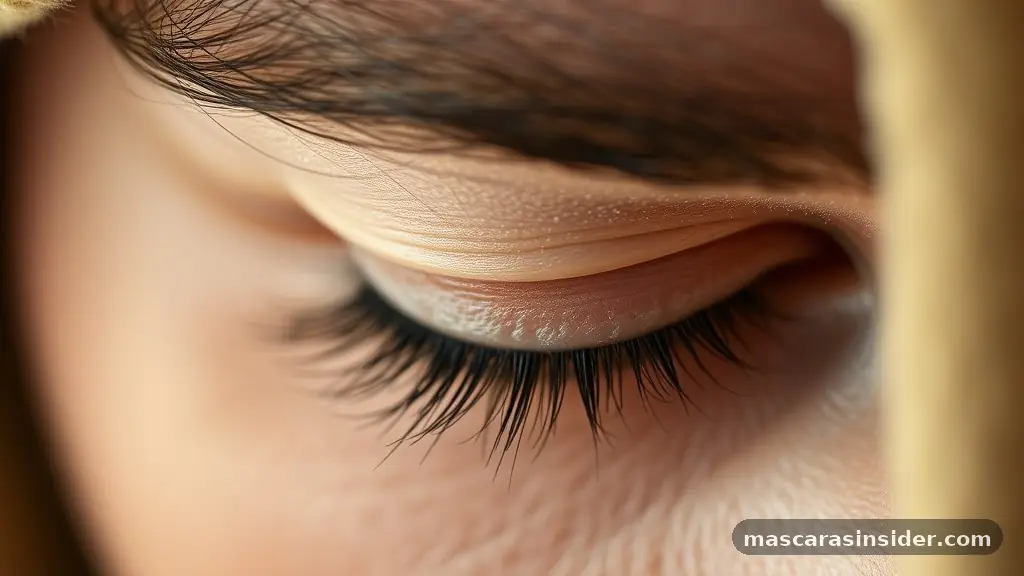
Hooded eyes present a unique challenge because the skin of the eyelid physically rests against the upper lashes. Every time you blink, the lashes deposit a small amount of product onto the skin, creating a permanent smudge line above your crease.
To prevent this, you need a formula that dries down completely and stays flexible without becoming brittle or flaky. Avoid overly thick or volumizing formulas that remain wet for a long time, as these are the most prone to transferring onto your brow bone.
Another effective strategy for hooded eyes is to curl your lashes thoroughly. A good lash curl helps lift the hair away from the skin, creating more physical space between the lashes and the eyelid.
When your lashes are lifted, they are less likely to make contact with the skin during your natural blinking rhythm. You can also experiment with different brush shapes; a smaller, tapered wand often allows for more controlled application, ensuring you don’t accidentally coat the roots of your lashes where they are most likely to touch your skin.
Comparing Mascara Types
Selecting the right product is essential for long-term success. The table below outlines how different types of formulas perform under various conditions.
| Mascara Type | Best For | Smudge Resistance |
|---|---|---|
| Tubing Mascara | Oily skin/hooded eyes | High |
| Waterproof | High humidity/sweat | Medium (Oil-soluble) |
| Water-based | Sensitive eyes | Low |
| Fiber-infused | Length/volume | Medium |
Addressing Topical Gaps
One common issue often overlooked is the health of your natural lashes. If your lashes are brittle or dry, they may be prone to breakage, which causes the mascara to flake off and create dark spots beneath the eyes.
Incorporating a lash serum or a light oil into your nightly routine can help strengthen your lashes, making them smoother and more capable of holding onto the product without shedding. A healthy lash surface holds pigment better than a damaged one, leading to less fallout throughout the day.
Additionally, don’t ignore the expiration date of your beauty products. Mascara is one of the shortest-lived items in your cosmetic bag, typically lasting only three months. As the formula ages, it thickens, becomes clumpy, and loses its intended chemical balance.
Using an old, dried-out mascara often forces you to apply more pressure during application, which leads to uneven coats and increased chances of smearing. If your mascara is over three months old, it is time to replace it, regardless of how much product is left in the tube.
The Importance of Lash Curler Maintenance
A dirty or damaged lash curler can contribute to uneven application and potential smudging. If the rubber pad on your curler is worn out, it can crimp your lashes at awkward angles or pull on them, causing them to break.
A clean, well-maintained curler ensures that your lashes are lifted uniformly, which is the first step in preventing contact with your eyelids. Always wipe your lash curler with a bit of makeup remover after each use to prevent old, dried-on product from transferring to your lashes before you even apply your mascara.
It is also worth noting that heating your lash curler with a hair dryer for a few seconds can help hold the curl longer, but be extremely careful to test the temperature on your hand first. A better, safer alternative is to invest in a high-quality heated lash curler that provides a consistent, gentle temperature. By keeping your lashes curled and lifted, you maintain the separation that prevents the tips of your lashes from touching your skin, effectively stopping smudges before they start.
Removing Mascara Safely
How you remove your makeup at the end of the day can actually affect how prone your eyes are to smudging tomorrow. If you are aggressive with your cleansing, you can cause micro-tears in the delicate skin around your eyes and damage your lash follicles.
Using an oil-based cleanser or a dedicated bi-phase eye makeup remover is essential to breaking down stubborn, long-wear formulas without scrubbing. When you scrub, you can leave behind small amounts of residue that build up and make the area more oily or sensitive.
Let your makeup remover sit on your lashes for at least thirty seconds before wiping. This allows the solvent to dissolve the mascara, letting it slide off easily without tugging. If you use a gentle, thorough removal process, your lash line will stay clean and free of leftover pigments that could contribute to irritation or oil buildup.
A consistent, gentle routine ensures that you aren’t waking up with leftover product that might interfere with the next day’s fresh application. You can find more details on effective cleansing habits through official dermatological guidance on skin care routines.
Common Questions About Mascara
Why does my waterproof mascara still leave marks under my eyes?
Waterproof formulas are designed to resist water, but they are often broken down by the natural oils produced by your skin. If your eyelids are oily, the oils dissolve the wax in the mascara, causing it to smudge. Switching to a tubing formula is often the best solution.
Can I use setting spray to keep my mascara from smudging?
While setting spray is great for your face makeup, it isn’t formulated for use on your lashes. Spraying it directly into your eyes can cause irritation and might actually make the mascara run if the spray is water-based. It is better to use a setting powder around the eyes.
Does the order of my makeup application matter?
Yes, the sequence matters significantly. You should always apply your eyeshadow and face powder before your mascara. If you apply mascara first, the fallout from your eyeshadow can stick to the wet mascara, causing it to look clumpy and increasing the risk of flaking later on.
How do I fix mascara smudges without ruining my foundation?
Don’t try to wipe the smudge away immediately, as this will just smear it further. Wait for the mascara to dry completely, then use a clean, dry spoolie brush or a cotton swab to gently flick or brush the smudge off the skin. It should lift right off without disturbing your base.
Achieving Long-Lasting Results
Preventing mascara from moving around your eyes is a combination of selecting the right product and refining your daily habits. By focusing on oil control, proper application, and using the right formulas for your specific eye shape, you can stop the cycle of constant touch-ups. Remember that small changes, like dusting a bit of powder under your eyes or waiting for your layers to dry, can have a massive impact on your final look.
With these techniques, your lashes will stay defined and clean throughout the day, giving you the confidence to focus on your day rather than checking a mirror. Implementing these steps consistently will help you maintain a flawless appearance with ease.
Meta Description: Learn how to keep mascara from smudging with these expert tips on product selection, application techniques, and essential oil-control strategies.