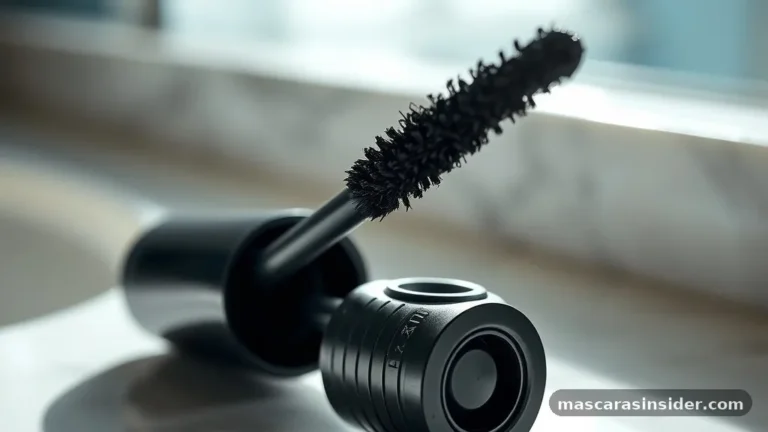


Finding your favorite tube of mascara clumped and thick right before a big event is a common beauty frustration. You don’t necessarily have to toss the product immediately, as learning how to fix dry mascara can save you both time and money. While formulas eventually degrade, simple techniques often restore the proper consistency for smooth application.
By understanding why your product dries out and which ingredients are safe to add, you can extend the utility of your makeup bag. This guide explores the most effective ways to revive your dried pigment while prioritizing eye safety and maintaining the integrity of your lash routine.
Understanding Why Mascara Formulas Dry Out
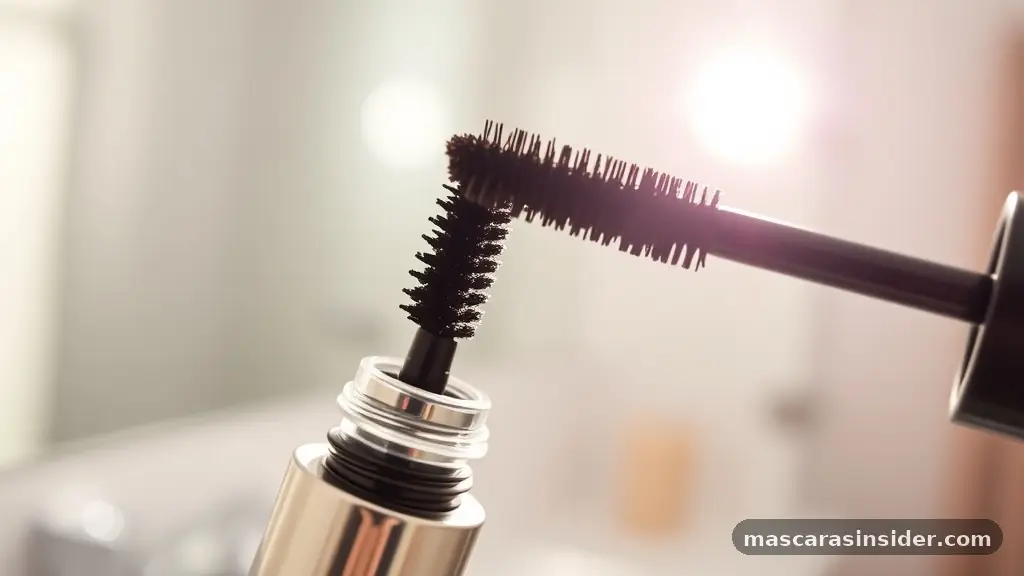
Mascara tubes are designed as airtight environments, but they aren’t impervious to the elements. Every time you pull the mascara wand out, you introduce a small amount of air into the chamber.
Over weeks of daily use, this oxygen exposure causes the solvents in the liquid to evaporate, leading to a noticeable change in viscosity. As the solvent levels drop, the remaining pigments and waxes become thick and tacky, resulting in that dreaded clumpy mascara look on your lashes.
Temperature fluctuations also play a significant role in how quickly your product expires. Keeping your makeup in a humid bathroom or near a window exposed to direct sunlight accelerates the breakdown of the formula. These environmental stressors can compromise the preservatives meant to keep the product safe.
Once the formula loses its original moisture balance, it becomes difficult to apply evenly, often pulling at the lashes rather than coating them smoothly. Recognizing these factors is the first step in preventing premature drying and ensuring you get the most out of your purchase.
The Hot Water Immersion Technique
One of the safest and most effective methods for restoring a thickened formula is hot water immersion. This process relies on gentle heat to soften the waxes and oils trapped within the mascara tube. To begin, fill a small glass or mug with hot—not boiling—water.
Place your sealed mascara tube into the water, ensuring the cap is tightly secured so no moisture enters the product. Let it sit for about three to five minutes.
The heat helps lower the internal viscosity, allowing the product to flow more freely along the spoolie. Once you remove the tube, wipe the outside dry and roll it between your palms for a few seconds to distribute the warmth evenly.
This method is generally safer than adding external liquids because it doesn’t introduce potential contaminants or change the chemical composition of the formula. If the mascara is still too thick after one attempt, you can repeat the process once more, but be careful not to overheat the plastic tube or degrade the rubber stopper inside.
Using Saline Solution for Rehydration
If heat alone isn’t enough, you might consider adding a few drops of liquid to the tube. Saline solution, often used for contact lenses, is a popular choice because it is sterile and generally compatible with the delicate eye area. Since it is essentially a balanced salt solution, it mimics the moisture content that has evaporated from the original formula.
To perform this fix, add two to three drops of sterile saline solution directly into the tube. Insert the mascara wand and pump it in and out gently to mix the liquid with the dry pigment. Avoid pumping the wand aggressively, as this forces more air into the tube and speeds up the drying process.
After mixing, test the consistency on the back of your hand. If the product still feels too thick, add one more drop, but never over-saturate the formula, as this can make the mascara runny and prone to smudging throughout the day.
Evaluating the Role of Micellar Water
Micellar water has become a staple in many skincare routines, and it can also be an effective tool for thinning out stubborn mascara. Because it contains tiny oil molecules suspended in water, it can help break down the dried-out waxes and polymers found in most standard formulas. It is particularly useful for formulas that have become quite clumpy or hard, as the surfactants help emulsify the dried ingredients.
To use this method, add one or two drops of your preferred micellar water into the tube. Be very cautious with the quantity; adding too much can ruin the staying power of the mascara, making it prone to running or flaking.
Mix the product thoroughly with the wand and check the texture. If you notice any separation or if the product smells unusual after adding the liquid, it is a sign that the formula has reached the end of its life and should be discarded to avoid ocular irritation.
Safety First: When to Replace Your Mascara
While it is tempting to revive every product, you must prioritize eye makeup safety. Mascara is a high-risk product because the wand goes from your lashes back into the tube, carrying bacteria, skin cells, and debris with it every single time.
Even with preservatives in the formula, these bacterial growth cycles are inevitable over time. A good rule of thumb is to adhere to the manufacturer’s suggested cosmetic shelf life, which is typically three months after opening.
If you notice that your mascara smells like vinegar, has changed color, or causes any stinging or redness, stop using it immediately. No amount of rehydration can fix a formula that has become a breeding ground for microbes. Keep a permanent marker handy to write the date you opened the tube on the bottom.
When you reach the expiration date, replace the product regardless of how much is left. Your vision and the health of your eyes are far more valuable than a few extra applications of a single tube of makeup.
Avoiding Common Mistakes During Revival
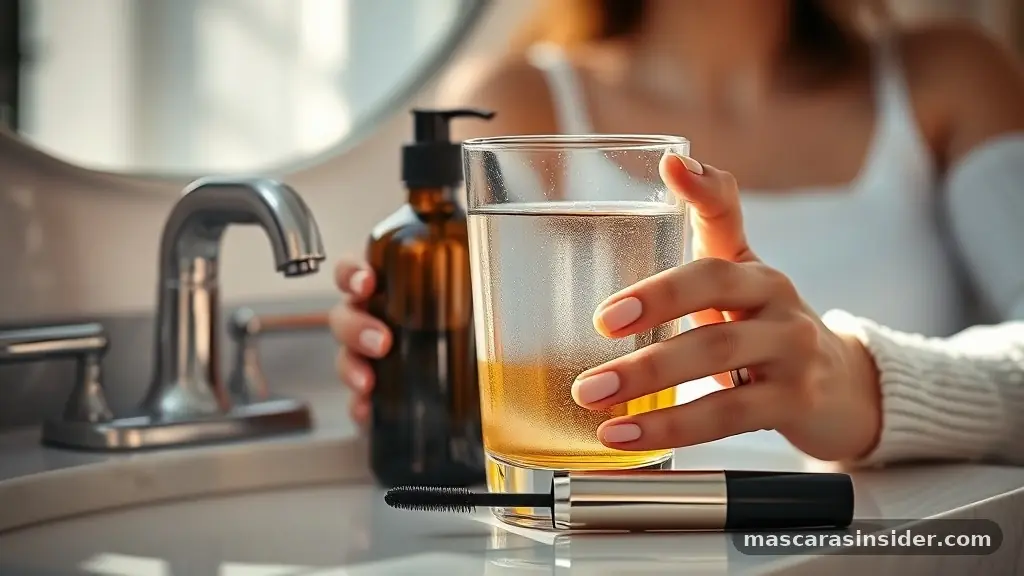
Many people make the mistake of using tap water to thin out their mascara. This is a significant error, as tap water is not sterile and can introduce harmful pathogens into the tube.
Similarly, avoid using oils like baby oil or heavy coconut oil, as these ingredients can break down the waterproof qualities of your mascara and cause it to slide right off your lashes. While these oils might make the product feel creamy, they often disrupt the chemical balance of the formula and can lead to clogged pores or milia around the eye area.
Another common pitfall is over-pumping the mascara wand. People often do this in an attempt to get more product on the brush, but it acts like a bellows, pushing air into the tube and accelerating the drying process.
Instead, try swirling the wand inside the tube to pick up the product. Always keep the cap screwed on tightly when not in use to maintain an airtight seal and prevent premature evaporation of the solvents.
The Importance of Proper Hygiene Practices
Maintaining the longevity of your makeup goes beyond just fixing the formula; it requires consistent hygiene practices. Periodically cleaning the mascara wand and the neck of the tube can prevent buildup that makes it difficult to close the cap properly. If the rubber stopper at the top of the tube gets clogged with dried pigment, the cap won’t seal correctly, which is the fastest way to ruin a brand-new tube.
Use a clean spoolie or a disposable brush to gently wipe away any crusty residue from the rim of the tube using a bit of makeup remover. You can also clean your mascara wand by washing it with mild soap and warm water, letting it dry completely before reinserting it.
This simple habit keeps the application smooth and prevents the “clumpy mascara” effect from forming in the first place. For more detailed information on maintaining eye health, you can visit the American Academy of Ophthalmology regarding safe cosmetic usage.
Addressing Topical Gaps: Waterproof vs. Regular Formulas
A frequently overlooked aspect of this topic is the difference between standard and waterproof mascara. Waterproof formulas rely on specific synthetic polymers and waxes that are designed to resist water-based breakdown.
Because of this, trying to fix a dry waterproof mascara with saline or water will rarely work; the water simply won’t mix with the oil-based ingredients. If your waterproof mascara is dry, you are better off using a tiny amount of an oil-based makeup remover or a specialized mascara revitalizer drop.
However, be aware that adding oil-based products to a waterproof formula can significantly impact its performance. The oil will eventually break down the waterproof barrier, causing the mascara to smudge or transfer onto your eyelids. If a waterproof product has dried out, it is often a sign that the volatile solvents have completely evaporated, and it is usually safer to replace it rather than attempting to force a change in the chemical structure.
| Method | Best For | Pros | Cons |
|---|---|---|---|
| Hot Water | Mildly thick formulas | Safe, no additives | Temporary effect |
| Saline Solution | Dried-out water-based formulas | Sterile, effective | Can dilute pigment |
| Micellar Water | Clumpy, old formulas | Easily available | May affect wear time |
Tips for Better Mascara Application
If you find yourself constantly dealing with dry mascara, your application technique might be part of the problem. Applying your makeup in a rush often leads to leaving the tube open for too long.
Try to keep the wand in the tube for the absolute minimum time required to load the brush. If you use a lash primer, it can help create a smoother base, allowing you to use less mascara and thereby preserving the product longer.
Another tip is to store your mascara in a cool, dry place rather than the bathroom, where humidity fluctuates. If you have a collection of mascaras, rotate them rather than opening multiple tubes at once, as every open tube begins its expiration countdown immediately. Using a clean spoolie to separate lashes after application can also help you achieve a clump-free look without needing to apply excessive layers of product.
When to Let Go of the Product
There comes a point where no amount of effort can save a tube of mascara. If the texture has become stringy, if the product has separated into distinct layers, or if it causes irritation, it is time to say goodbye.
Holding onto expired makeup isn’t just a waste of time; it poses a risk to your ocular health. Remember that the cost of a new tube is far less than the cost of treating an eye infection or dealing with the discomfort of clogged follicles.
Be mindful of the product’s performance. If the mascara no longer holds a curl or if it flakes off within an hour of application, the polymers have likely broken down beyond repair.
Accept that you have gotten your money’s worth and move on to a fresh tube. This not only improves your lash appearance but also guarantees that you are using a product with active, effective preservatives that keep your eyes safe.
FAQ
Is it safe to use eye drops to fix dry mascara?
Using sterile saline eye drops is generally considered safe for rehydrating mascara because the solution is designed for use in the eyes. However, avoid using medicated eye drops, such as those for redness relief, as they contain active ingredients that aren’t meant to be applied to your lashes.
How do I know if my mascara has truly expired?
Beyond the three-month rule, watch for changes in the product. If the formula has a strange, sour smell, if the color has noticeably shifted, or if the texture has become lumpy and impossible to smooth out, the preservatives have failed. Discard the tube immediately if these signs appear.
Can I use coconut oil to fix my mascara?
It is generally not recommended to use coconut oil. While it might soften the formula, it is a heavy oil that can clog the pores around your eyes, potentially leading to styes or irritation. It can also cause the mascara to smear and slide off your lashes throughout the day.
How can I prevent my mascara from drying out so fast?
Always close the tube tightly immediately after use. Avoid pumping the wand in and out, which forces air into the chamber. Store your mascara in a cool, dry place away from direct sunlight and humidity, and try to finish one tube before opening a new one to keep it fresh.
Concluding Thoughts
Reviving your makeup doesn’t have to be a complicated process, but it should always be done with an eye toward safety. While methods like hot water immersion or adding a few drops of sterile saline can effectively restore the texture of a thickened formula, they are temporary solutions for a product that is nearing the end of its lifespan. Always monitor your mascara for signs of degradation, such as changes in smell or consistency, and never push a product past its expiration date.
By practicing good hygiene and storing your makeup properly, you can keep your lashes looking their best while protecting your eye health. If you find your favorite formula consistently drying out, it may be time to switch to a brand with a different preservative system or simply be more diligent about closing the tube tightly after every single use.