
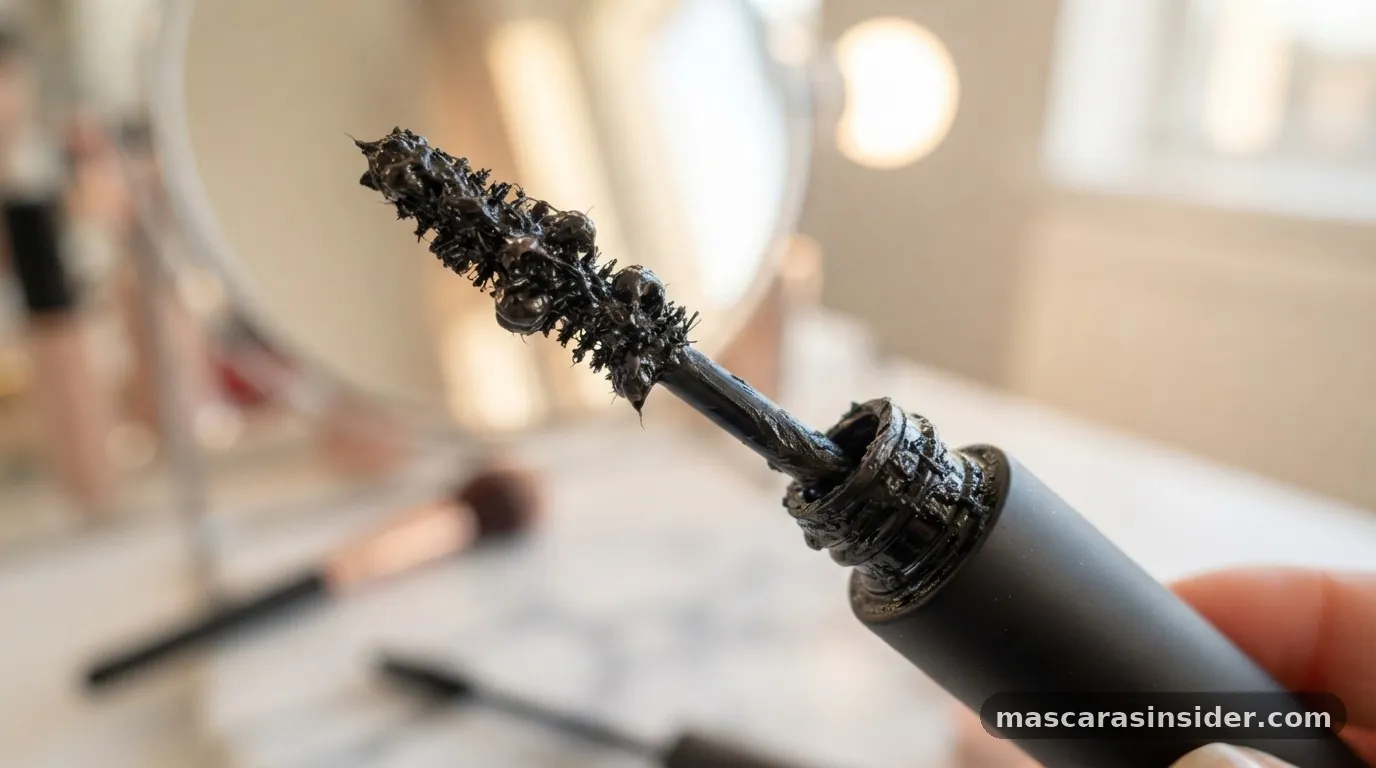
Staring at a clumped, dry mascara wand is a universal frustration for anyone who loves a polished look. You spend money on a high-quality product, only for it to turn into a thick, gloopy mess before you’ve even used half of the tube. Learning how to thin out mascara is a vital skill that saves you money and spares you the annoyance of spider-leg lashes.
Most people mistakenly assume that once a formula starts to dry out, it belongs in the bin. In reality, you can often restore the consistency of your favorite makeup with just a few simple, safe adjustments.
Understanding Why Mascara Becomes Thick and Clumpy
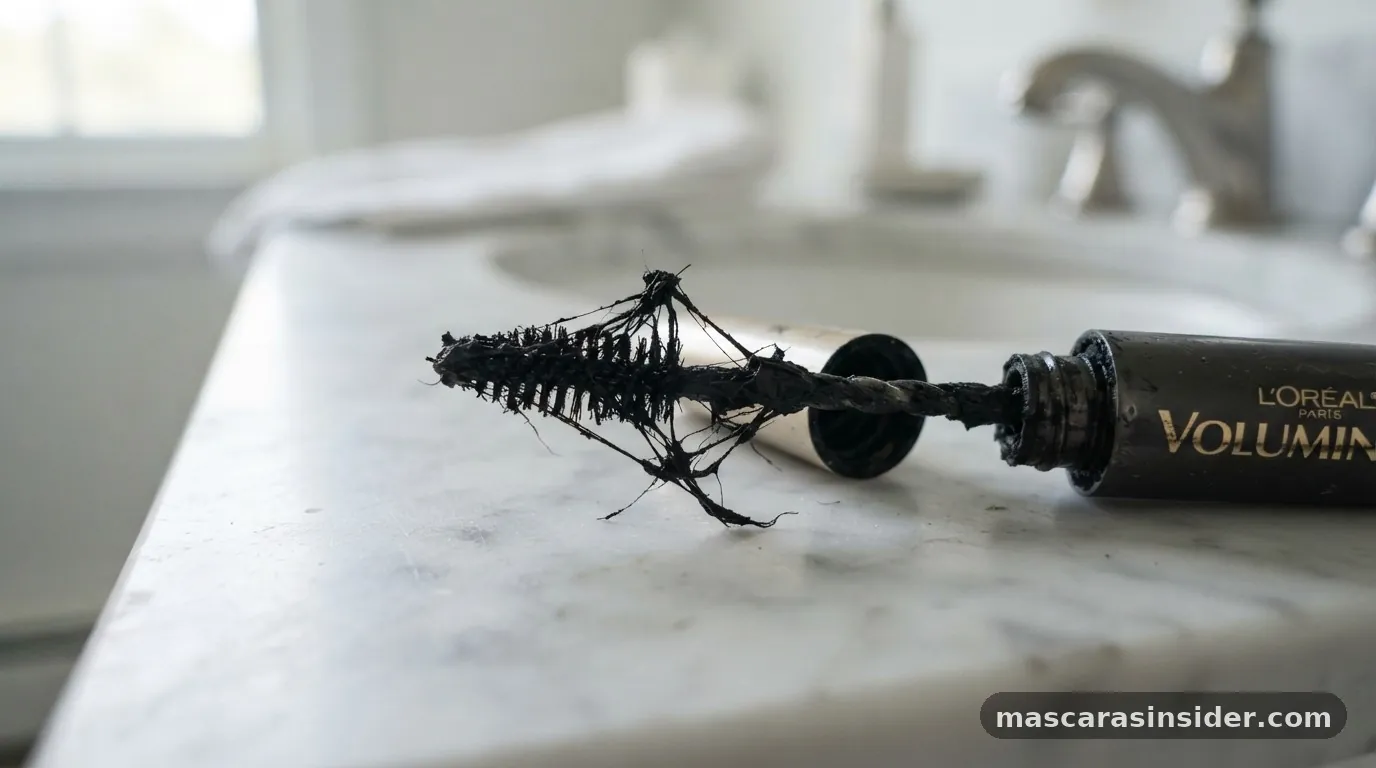
Mascara becomes thick and clumpy primarily due to oxidation and the evaporation of solvents within the formula. Every time you pull the mascara wand out of the tube, you introduce air into the container.
Over time, this constant exposure to oxygen causes the volatile ingredients that keep the product smooth to evaporate. As these ingredients vanish, the remaining pigments and waxes become concentrated, resulting in a texture that is difficult to apply evenly.
It is helpful to view your makeup as a perishable item. Manufacturers design these products with a specific lifespan in mind, usually three months. However, if you live in a dry climate or frequently leave your tube open, you might notice your product thickening well before that window closes.
The accumulation of dried product around the neck of the mascara tube also prevents the stopper from creating an airtight seal. When the seal fails, the air continues to work its way inside, accelerating the drying process even when the tube is closed. Keeping the rim clean is the first step in extending the life of your makeup.
Safe Methods to Dilute Dried Mascara
You can safely dilute dry mascara by adding a few drops of an appropriate solvent, such as contact lens solution or a specialized cosmetic thinner. The goal is to reintroduce moisture to the formula without compromising the integrity of the preservatives.
When you add a substance to your tube, you must be extremely cautious about contamination. Your eyes are sensitive, and introducing bacteria can lead to infections.
Always start with a very small amount. Adding too much liquid can turn your mascara into a runny, watery mess that smudges instantly upon application. One or two drops are usually sufficient to revitalize a tube that has only recently begun to thicken.
After adding your chosen solution, replace the wand and gently swirl it inside the tube. Do not “pump” the wand up and down, as this action forces more air into the container, which is exactly what you are trying to avoid.
- Use a high-quality contact lens solution containing saline.
- Try a professional-grade cosmetic thinner designed for makeup.
- Gently roll the tube between your palms to warm the formula.
- Avoid using tap water, as it contains minerals and bacteria.
- Always check the ingredient list for potential allergens.
The Role of Heat in Reviving Your Makeup
Heat can be an effective way to thin out mascara because it softens the waxes present in the formula. If you find your product has become slightly stiff, warming it can make the liquid flow more smoothly onto your lashes.
This method is particularly useful if you are in a rush and do not have access to thinning drops. It is a physical intervention rather than a chemical one, making it a safer bet for those with highly sensitive eyes.
To warm your mascara, place the closed tube in a cup of hot—not boiling—water for about two to three minutes. The residual heat penetrates the plastic or metal casing and loosens the hardened waxes inside. Once the tube is warm to the touch, remove it carefully and shake it gently.
You will likely notice that the product glides onto your lashes with much less resistance. This process does not add new ingredients, so it is a risk-free way to get a few extra uses out of a tube that is nearing the end of its functional life.
Managing Waterproof Formulas and Specialized Products
Waterproof mascara requires a different approach because its formula is specifically designed to repel moisture. If you add water or standard saline to a waterproof product, you will likely cause the emulsion to break, resulting in a clumpy, ineffective mess.
Instead, if your waterproof formula feels dry, you should focus on oil-based thinners or gentle heat. Because these formulas rely on volatile silicones and resins to stay put, they are more sensitive to the composition of additives.
If you choose to use an oil-based thinner, ensure it is formulated specifically for cosmetics. Using household oils like olive or coconut oil can be problematic; these oils do not evaporate and may cause your makeup to slide down your face throughout the day.
When dealing with specialized products, it is often safer to accept that the product has reached its natural conclusion. If the formula remains clumpy after a gentle warming, it is time to replace it to protect your eye health.
Common Mistakes to Avoid When Thinning Mascara
Many people inadvertently ruin their mascara while trying to fix it. One of the most common errors is adding tap water to the tube. While water might seem like a logical solution, it provides a breeding ground for bacteria.
Unlike professional cosmetic formulas, which contain sophisticated preservative systems, tap water is unregulated in terms of microbial content. Adding it introduces contaminants directly to the area around your eyes, significantly increasing the risk of irritation or infection.
Another frequent mistake is over-diluting the product. If you add too much solution, you destroy the viscosity that makes mascara cling to your lashes. A thin, watery formula will not provide the volume or length you expect and will likely lead to “raccoon eyes” by midday.
Remember that your makeup is designed to be a specific thickness for a reason. If you find yourself needing to add drops every single day, the product has simply expired and no amount of thinning will restore its original performance.
| Method | Pros | Cons |
|---|---|---|
| Contact Solution | Easy to find, sterile | May alter formula longevity |
| Hot Water Bath | No chemical additives | Temporary effect only |
| Cosmetic Thinner | Professional results | Requires a separate purchase |
| Aloe Vera Gel | Soothing, natural | Can be sticky |
Extending the Life of Your Mascara from Day One
The best way to manage dry mascara is to prevent it from happening in the first place. Proper maintenance of your mascara tube is essential for keeping the product fresh. Always ensure the cap is screwed on tightly after every use.
Even a tiny gap allows air to circulate, which is the primary enemy of liquid makeup. If you notice product buildup around the opening of the tube, take a tissue and wipe it clean regularly. This buildup prevents the cap from closing fully and can also lead to the bristles of the wand becoming caked with dried gunk.
Another crucial tip is to store your makeup in a cool, dry place. Avoid keeping your cosmetics in the bathroom, where the humidity and temperature fluctuations can degrade the formula faster. A vanity or a bedroom drawer is a much better environment.
Furthermore, avoid “pumping” your brush. This habit is the fastest way to force air into the tube, drying it out prematurely. Instead, use a gentle swirling motion to coat the bristles.
If you find your mascara is consistently drying out before you can finish it, consider purchasing a smaller “travel-size” version. You will likely finish these tubes before they have a chance to dry out, ensuring you always have a fresh, high-performing product. For more information on maintaining eye health, you can visit the American Academy of Ophthalmology for official guidance on eye safety and makeup hygiene.
Topical Gaps: Addressing Persistent Concerns
A common question that remains is whether ingredients like aloe vera or essential oils are safe to add to a mascara tube. While some beauty enthusiasts swear by them, they are generally not recommended. Aloe vera, while soothing, is water-based and can introduce bacteria if it is not preserved correctly.
Essential oils can be highly irritating to the delicate skin of the eyelids and the mucosal lining of the eyes. Stick to sterile, ophthalmologist-tested solutions for the best results.
Another gap in knowledge concerns the “three-month rule.” Many users wonder if they can keep a tube longer if it still feels wet. While you can technically use the product, the preservative systems in mascara begin to break down after three months of regular use.
Once the preservatives are no longer effective, the risk of bacterial growth—even if the mascara still applies well—increases significantly. It is always safer to prioritize your eye health over the cost of a new tube of makeup.
Frequently Asked Questions
Is it safe to use contact lens solution in my mascara?
Yes, it is generally safe as long as the solution is sterile and contains saline. Use only one or two drops to avoid ruining the consistency. Ensure the solution does not contain ingredients that could irritate your eyes, and discard the mascara if it shows signs of contamination.
How can I tell if my mascara is truly expired?
If your mascara has a strange odor, a change in color, or causes any itching or redness around your eyes, it is expired. Even if it looks fine, discard any mascara that is older than three months to prevent bacterial infections and maintain proper eye health.
Does heating the mascara tube damage the formula?
Gentle heat, such as placing the tube in a cup of warm water, does not damage the formula. Avoid using extreme heat, like a hair dryer or direct flame, as this can melt the plastic casing, alter the chemical composition of the ingredients, and potentially cause the tube to leak.
Can I use water to thin out waterproof mascara?
No, you should never use water to thin out waterproof mascara. Because the formula is oil-based or silicone-based, water will not mix with it properly. Instead, it will create a clumpy, uneven texture that will likely cause the product to flake off your lashes immediately.