
Removing waterproof mascara often feels like a battle against your own eyes. Because these formulas are designed to withstand humidity, sweat, and even tears, they create a stubborn bond with your lashes that standard soap and water simply cannot break. Attempting to scrub away the residue often leads to irritation, lash breakage, or premature thinning of the delicate skin around the orbital bone.
By mastering the right techniques and selecting the proper solvents, you can easily dissolve even the most persistent formulas without causing damage. This process is about patience and precision, ensuring your eyes remain healthy and bright while your routine stays simple and effective.
Understanding the Chemistry of Waterproof Formulas
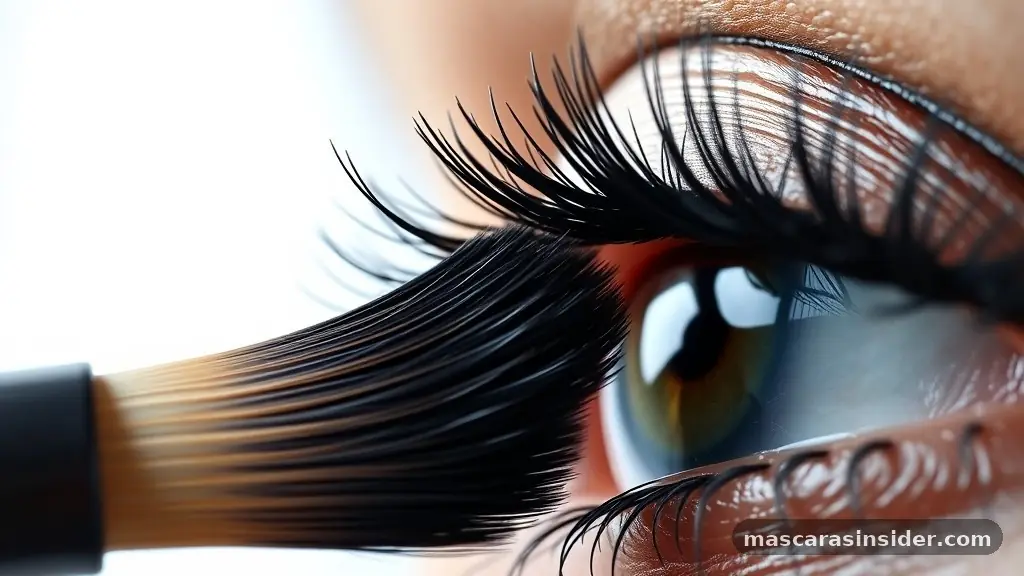
Waterproof mascara works by using hydrophobic ingredients that repel water, effectively locking the pigment onto the hair shaft. Unlike standard formulas that use water-soluble polymers, waterproof versions rely on waxes and volatile silicones to create a protective barrier.
When you splash your face with water, these ingredients stay firm, preventing the product from smearing or flaking. Because of this structural design, your standard foaming cleanser will likely bounce right off the surface of the mascara.
To successfully break this bond, you need a substance that can dissolve waxes. Chemistry dictates that “like dissolves like,” which is why oil-based products are the gold standard for this task. When you introduce an oil or a specialized solvent to the lashes, the hydrophobic barrier begins to break down.
This transformation turns the rigid, waterproof coating into a soft, malleable substance that can be wiped away. Understanding this simple interaction is the key to avoiding the aggressive rubbing that often leads to red, swollen eyes.
Selecting the Right Makeup Remover
Choosing the correct product for your specific needs is the first step toward a seamless removal process. Not all removers are created equal, and the market is flooded with options ranging from heavy-duty balms to lightweight liquids.
If you have particularly sensitive eyes, you should prioritize fragrance-free, ophthalmologist-tested formulas. These products are engineered to minimize the risk of contact dermatitis or stinging sensations that occur when a remover migrates into the eye.
When shopping for a product to remove waterproof mascara, look for ingredients like mineral oil, jojoba oil, or specialized esters. These components are highly effective at melting waxes without leaving a heavy, greasy film that can cloud your vision.
Some people prefer dual-phase removers, which consist of an oil layer and a water-based layer that must be shaken before use. This combination offers the best of both worlds: the oil dissolves the stubborn pigment, while the water-based portion helps lift the debris away from the skin.
The Proper Technique for Dissolving Pigment
The way you apply your remover matters just as much as the product itself. Many people make the mistake of immediately swiping at their lashes, which often results in the mascara smearing across the eyelid rather than coming off. Instead, you should focus on the saturation method.
Soak a clean cotton pad with your chosen remover and press it gently against your closed eyelid. Hold it there for at least thirty seconds. This “soaking” period is crucial because it allows the solvent to penetrate the layers of wax.
Once the time is up, you should see the mascara begin to loosen. Gently glide the pad downward along the length of your lashes, following their natural direction. Avoid scrubbing back and forth, as this creates unnecessary friction against the delicate skin.
If there is any remaining residue, take a clean cotton swab dipped in the same remover and carefully target the base of the lashes. This precise movement ensures you get every last bit of product without pulling on the hair follicles, which helps maintain the long-term health of your lashes.
Using Cleansing Balms and Oils
Cleansing balms have become a favorite in the beauty industry because of their ability to transform from a solid wax into a luxurious oil upon contact with body heat. These products are incredibly efficient at breaking down waterproof makeup because they allow you to massage the entire eye area without using disposable pads. By using your fingertips, you can control the pressure and ensure that every individual lash is coated in the cleansing agent.
To use a balm effectively, take a small amount and warm it between your dry palms. Gently massage the product over your closed eyes using circular motions. You will feel the mascara start to break up as the oils emulsify the wax.
Once you feel the pigment lifting, splash some warm water on your face to turn the oil into a milky texture. This step is known as emulsification, and it allows the product to be rinsed away cleanly. For more information on maintaining ocular health, you can consult the American Academy of Ophthalmology regarding safe cosmetic practices.
The Role of Micellar Water
Micellar water is a popular choice for those who want a quick, no-rinse solution. However, it is important to note that not all micellar waters are formulated for waterproof makeup. Standard versions may struggle to remove high-performance formulas, leading to excessive rubbing.
If you prefer this delivery system, look specifically for a “waterproof” or “oil-infused” micellar water. These versions contain tiny oil droplets called micelles that are specifically designed to attract and lift stubborn, oil-based waxes.
When using these products, the technique remains similar to liquid removers. Saturate a cotton pad thoroughly, as a dry or semi-dry pad will not provide enough slip, leading to drag on the skin. Place the soaked pad on the lashes and let it sit.
The micelles will work to encapsulate the mascara particles, making them easier to wipe away in a single, smooth motion. This is an excellent option for those with oily skin who might find traditional cleansing oils too heavy or pore-clogging.
Removing Makeup Without Commercial Products
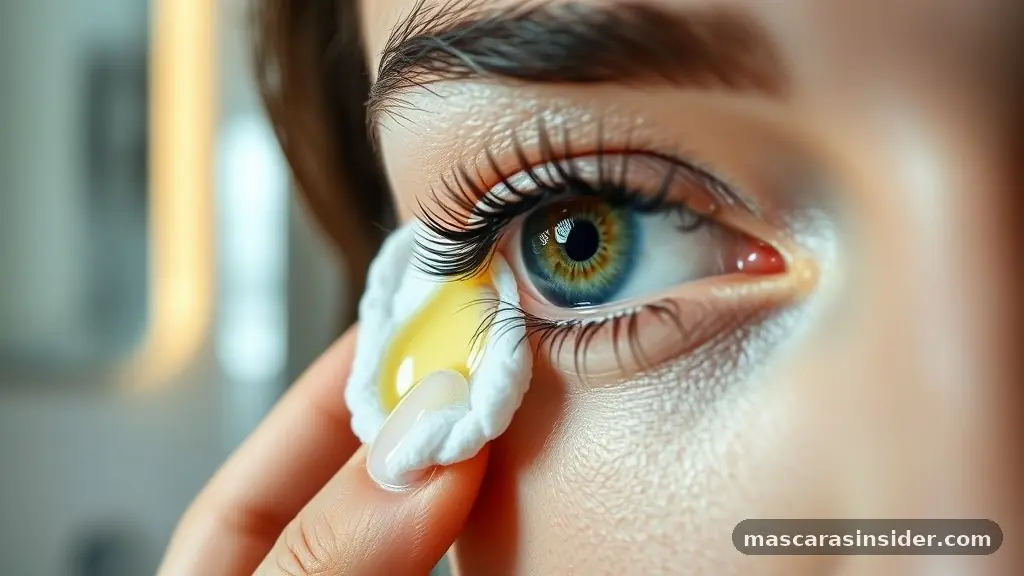
If you find yourself without a specialized remover, there are household alternatives that can effectively break down waterproof formulas. Natural oils like coconut oil, almond oil, or olive oil are highly effective at dissolving wax-based mascara.
These oils are gentle on the skin and often provide a conditioning benefit to the lashes. To use them, simply take a small amount on your fingertips or a clean cloth and massage it into the lashes, then wipe away with a damp, warm washcloth.
While these natural options are convenient, you must be careful to avoid getting pure oil directly into your eye, as it can cause temporary blurriness. Additionally, if you are prone to breakouts, be mindful that heavy oils like coconut can be comedogenic for some skin types. Always follow up with a gentle facial cleanser to ensure that no oil residue remains on the skin, as this can lead to clogged pores or milia around the eye area.
Common Mistakes to Avoid
Many people inadvertently damage their lashes by using the wrong tools or rushing the process. One of the most common errors is using a rough towel or an abrasive washcloth to wipe the eyes.
The skin around the eye is the thinnest on the body, and persistent pulling can contribute to the development of fine lines. Always use soft materials like microfiber cloths or high-quality cotton pads that do not shed fibers into your eyes.
Another frequent mistake is failing to remove makeup entirely before going to sleep. Sleeping in waterproof mascara creates a hard, brittle coating that can cause lashes to snap against your pillowcase.
Furthermore, leaving product on the lash line can block the oil glands in your eyelids, potentially leading to styes or persistent dryness. If you are exhausted, keep a bottle of micellar water and a pack of cotton pads on your nightstand to ensure you never skip this essential part of your evening routine.
Comparing Removal Methods
Different products suit different needs based on skin type and personal preference. The following table highlights the characteristics of various popular removal methods to help you decide which is best for your lifestyle.
| Method | Best For | Pros | Cons |
|---|---|---|---|
| Cleansing Balm | Dry/Normal Skin | Deeply hydrating, efficient | Can be messy, requires rinsing |
| Dual-Phase Liquid | All Skin Types | Fast action, non-greasy | Needs to be shaken |
| Oil-Infused Micellar | Sensitive Skin | Gentle, no heavy residue | May require multiple pads |
| Natural Oils | Budget/Minimalist | Natural, easy to find | Can be comedogenic |
Addressing Topical Gaps and Sensitive Eyes
A significant gap in standard advice is how to manage the “last bits” of mascara that hide between the lash roots. Even after a thorough cleanse, you might notice dark smudges the next morning. This is often because the product has migrated into the tightline.
The best way to address this is by using a specialized precision tool, such as a pointed cotton swab. By dipping this into your remover, you can get right into the base of the lashes, which is where the bulk of the waterproof wax resides.
For those with extremely sensitive eyes or those who wear contact lenses, the choice of remover is critical. Avoid products with strong fragrances, alcohol, or harsh preservatives, as these can trigger stinging or allergic reactions. If you wear contacts, always remove them before beginning your cleansing routine.
This prevents the remover from getting trapped between the lens and the eye, which can cause significant irritation. If you experience persistent redness or swelling, it may be time to switch to a formula designed specifically for contact lens wearers.
Maintaining Lash Health Long-Term
Removing waterproof mascara is only half the battle; maintaining the health of your lashes is the other. Constant use of waterproof formulas can dehydrate the hair, making it brittle.
To counter this, consider incorporating a lash serum or a light application of castor oil into your routine. These products help nourish the hair follicles and keep the lashes flexible, reducing the likelihood of breakage during the removal process.
Additionally, give your eyes a break from waterproof mascara whenever possible. Using a water-soluble mascara for daily, low-intensity activities allows the lashes to recover from the stress of more rigorous removal techniques. When you do use waterproof products, ensure your tools are clean and that you replace your mascara every three months.
Old mascara can harbor bacteria, which is a major concern when applied so close to the sensitive eye area. By combining effective removal habits with consistent lash care, you can enjoy the benefits of long-lasting makeup without compromising the health of your eyes.
Frequently Asked Questions
Can I remove waterproof mascara with just warm water?
No, warm water alone is ineffective against waterproof mascara because the formula is designed to repel moisture. Attempting to force it off with water will result in tugging and pulling, which can damage your lashes and irritate the sensitive skin around your eyes.
Is it safe to use Vaseline to remove waterproof mascara?
Vaseline is a petroleum-based product that effectively breaks down waxes and oils, making it a capable makeup remover. However, it is very thick and can be difficult to wash off completely. It may also feel heavy or cause temporary blurriness if it enters the eye area.
Should I use oil-based cleansers if I have oily skin?
Yes, using an oil-based cleanser is actually beneficial for oily skin. The principle of “like dissolves like” means the oil in the cleanser will bind to the excess sebum and makeup on your face, allowing it to be rinsed away without stripping your skin of its natural moisture.
How do I know if my mascara is truly waterproof?
Check the ingredient list for waxes like beeswax or carnauba wax and film-forming polymers like acrylates copolymer. These ingredients create the hydrophobic barrier that defines waterproof formulas. If the product label explicitly states “waterproof,” it will require an oil-based solvent for proper removal.
Conclusion
Successfully removing waterproof mascara comes down to using the right tools and allowing the product enough time to work. By prioritizing oil-based solvents and avoiding aggressive scrubbing, you protect your lashes from breakage and keep the skin around your eyes supple. Whether you prefer a luxurious cleansing balm or a simple natural oil, the key is consistency and patience.
Integrating these habits into your nightly routine will ensure your eyes remain comfortable and healthy. If you have been struggling with stubborn residue, try incorporating the soaking method outlined above to see an immediate improvement in how easily your makeup lifts away. Embrace these gentle techniques to keep your eyes looking their best every single day.
Meta Description: Learn the most effective ways to remove waterproof mascara without damaging your lashes or irritating your eyes with these expert tips and techniques.