

Removing mascara at the end of a long day is a vital step in any skincare routine, yet it is often the most neglected. Failing to properly clear your lashes of product can lead to irritation, brittle hairs, and even potential infections around the delicate eye area. Whether you are dealing with stubborn waterproof formulas or standard daily wear, knowing the right techniques ensures your skin stays healthy and your natural lashes remain strong.
By prioritizing a gentle approach, you protect the sensitive tissue surrounding your eyes while effectively breaking down stubborn pigments. This process is essential for maintaining the overall longevity and health of your eyes.
Understanding the Importance of Proper Mascara Removal
Your lashes are more than just a cosmetic feature; they serve as a protective barrier for your eyes, filtering out dust and debris. When you leave cosmetic residue on them overnight, you create a breeding ground for bacteria.
This buildup can lead to clogged hair follicles, which might cause styes or persistent redness. Furthermore, dried-up product makes your lashes stiff and brittle, significantly increasing the risk of breakage whenever you rub your eyes or wash your face in the morning.
Prioritizing thorough cleansing is the foundation of long-term lash health. Many people find that their lashes appear thinner or shorter over time, often because they are inadvertently pulling them out through improper cleaning methods.
By taking a few extra moments to soften the formula before wiping it away, you preserve the natural integrity of each strand. Consistent care prevents the accumulation of old makeup, ensuring that your eyes remain bright, clear, and irritation-free.
Selecting the Right Products for Your Needs
Not all eye makeup is created equal, and the same applies to the products you use to take it off. If you frequently wear heavy, long-wear, or waterproof formulas, a standard facial cleanser might not be enough.
These specific formulas are designed to resist water, meaning they require a solvent—usually an oil-based substance—to dissolve properly. Using a dedicated eye makeup remover ensures that you don’t have to scrub your eyelids, which is the most common cause of premature wrinkles and lash loss.
When choosing a product, look for labels that specify it is ophthalmologist-tested. This provides a level of assurance that the ingredients are safe for use near the ocular surface. For those with sensitive skin, fragrance-free and hypoallergenic options are ideal.
Avoid products that rely on harsh alcohols, as these can strip the natural oils from your lash line and cause dryness. Selecting the right tool for the job is the first step in making the removal process efficient and safe.
The Oil-Based Cleansing Technique
Oil is arguably the most effective agent for breaking down the synthetic waxes and pigments found in most modern mascaras. Because these products are hydrophobic, they repel water, but they readily dissolve when exposed to lipids.
You can use a dedicated cleansing oil, a balm, or even natural alternatives like coconut oil. The key is in the application process, which requires patience and a light touch to avoid tugging at the delicate skin.
To perform this technique, start by applying a small amount of oil to your fingertips or a soft pad. Gently massage the oil onto your closed eyelids, focusing specifically on the lash line where the product is most concentrated. Let the oil sit for about thirty seconds; this allows the ingredients to soften the mascara.
Once the product has loosened, use a damp cloth to wipe away the oil and the dissolved makeup in a downward motion. This method is highly effective because it requires zero friction, keeping your lashes completely intact.
Avoiding Common Mistakes That Damage Lashes
Many of us have fallen into the habit of scrubbing our eyes with a dry towel or a harsh cotton round. This is the fastest way to cause mechanical damage to your lashes. When you pull or tug, you aren’t just removing makeup; you are physically stressing the hair follicle.
Over time, this repeated trauma can cause the lashes to become sparse or stunted in their growth cycle. Another common error is using the same side of a cotton pad for both eyes, which can spread bacteria and potential irritants from one eye to the other.
It is also critical to avoid using products that contain high concentrations of drying agents or fragrances. While they might smell nice, these ingredients can trigger contact dermatitis or allergic reactions on the thin skin of the eyelids. Always ensure that you are using clean tools.
If you prefer using reusable cloths, wash them frequently to avoid transferring old residue back onto your face. Small adjustments to your technique can make a massive difference in the health and density of your natural lashes.
Natural Alternatives for Mascara Removal
If you find yourself out of commercial makeup remover, there are several pantry staples that work surprisingly well. Coconut oil is a popular favorite because it is solid at room temperature but melts instantly upon contact with body heat.
It also has moisturizing properties that can help condition your lashes, keeping them supple and less prone to breaking. Simply warm a tiny amount between your fingers and apply it to the lashes.
Olive oil and sweet almond oil are other excellent, gentle alternatives. These plant-based oils are rich in fatty acids and are generally well-tolerated by most skin types. When using these natural options, make sure to follow up with a gentle foaming cleanser to remove any oily residue.
Leaving a heavy layer of oil on the eyes can sometimes lead to blurry vision or temporary clumping of the skin pores. By removing the excess oil after the makeup is gone, you achieve a clean, refreshed finish without any irritation.
The Role of Warm Water in Softening Formulas
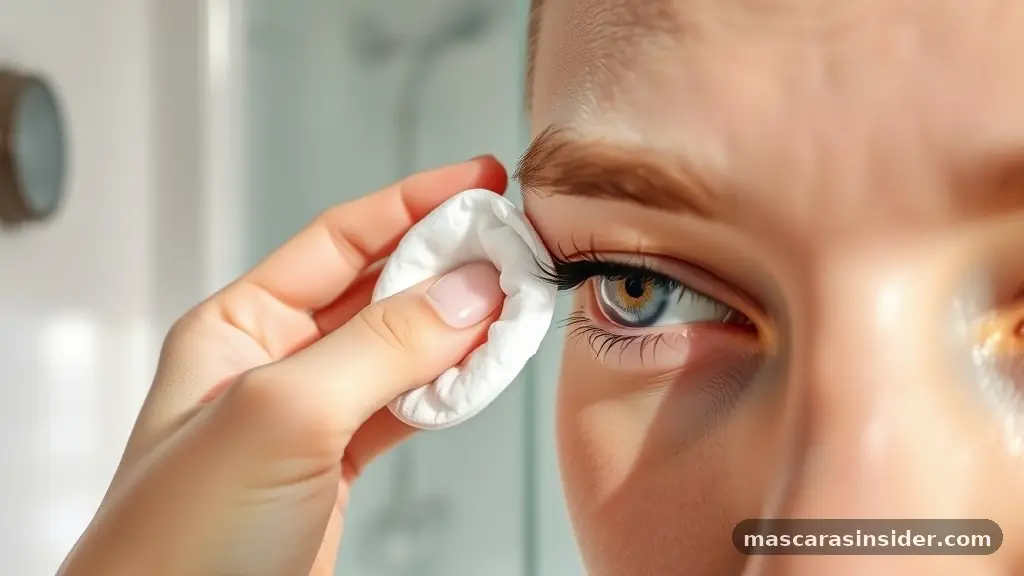
Water is the simplest tool at your disposal, yet its temperature matters significantly. Using warm water—not hot—helps to soften the polymers and waxes in your mascara, making them much easier to slide off the hair.
This is particularly useful for tubing mascaras, which are designed to form small tubes around each lash. These formulas do not smudge; they simply slide off when exposed to enough warm, running water.
If you are not using a tubing formula, you can still use warm water as a pre-treatment. Soak a soft cotton pad in warm water and press it gently against your closed eyelid for about a minute.
This “steam” effect loosens the dried mascara, allowing you to remove it with minimal effort. This technique is especially beneficial for those who have very sensitive eyes and want to limit the number of chemical products they apply to their skin.
Step-by-Step Guide for Waterproof Formulas
Waterproof mascara is notoriously difficult to remove because it is formulated to withstand moisture, humidity, and even tears. If you try to remove it with just water and soap, you will likely end up with raccoon eyes and irritated skin.
The most effective way to tackle these stubborn formulas is through a two-step process. First, you must break the bond of the waterproof polymers using an oil-based remover.
Follow these steps for a clean removal:
- Apply an oil-based cleanser to your fingertips and gently massage the lashes.
- Let the oil sit for at least 30 to 60 seconds to fully dissolve the waterproof wax.
- Use a soft, damp cotton pad to wipe the lashes from base to tip.
- Follow up with a water-based facial cleanser to ensure no oily residue remains on the skin.
- Pat the area dry with a clean, soft towel—never rub the skin.
Addressing Topical Gaps: Removing Mascara Without Makeup Remover
There are times when you simply do not have access to a commercial makeup remover. In these situations, you can still maintain your hygiene without resorting to harsh scrubbing.
One of the most effective methods involves using a small amount of baby shampoo mixed with water. Baby shampoo is designed to be “no-tear,” meaning it is formulated to be gentle on the eyes and effectively removes stubborn pigments without stripping the skin of its natural moisture.
Another method involves using a clean, soft mascara spoolie dipped in a tiny amount of oil. This allows you to comb through the lashes, effectively pulling the product off without touching the skin of the eyelid as much. If you are in a pinch, a simple oil-based moisturizer can also work.
The most important rule to remember is to avoid using household soaps or harsh cleansers that are not intended for the eye area. These products can cause severe stinging and long-term dryness.
Comparing Different Removal Methods
Choosing the best method often depends on your skin type and the specific mascara formula you use. The following table provides a breakdown of how different approaches perform across various scenarios.
| Method | Best For | Pros | Cons |
|---|---|---|---|
| Oil-Based Cleanser | Waterproof Mascara | Dissolves stubborn wax instantly | Can leave residue |
| Micellar Water | Daily/Natural Mascara | Lightweight, no rinsing needed | May struggle with heavy waterproof formulas |
| Warm Water & Cloth | Tubing Mascara | Very gentle on sensitive eyes | Requires time to soak |
| Natural Oils (Coconut/Olive) | Dry/Sensitive Skin | Moisturizing and accessible | Can be messy to apply |
Maintaining Lash Health Post-Removal
Once you have successfully cleared away all the product, your post-removal care is the final step in protecting your lashes. Many people stop at the cleaning phase, but adding a conditioning step can significantly improve the health of your lashes over time.
You might consider using a lash serum or a tiny drop of castor oil to nourish the hair follicles. These products help replenish the oils that may have been stripped during the cleansing process.
Additionally, pay attention to the state of your skin around the eyes. If the area feels tight or itchy, it may be a sign that your cleanser is too harsh. Consider incorporating a lightweight, fragrance-free eye cream to hydrate the area.
By treating the skin and lashes as a cohesive unit, you ensure that they remain resilient against the daily wear and tear of makeup application. For further information on dermatological best practices, you can consult the American Academy of Dermatology for guidance on maintaining skin barrier health.
Addressing Sensitivity and Allergic Reactions
Some individuals may find that even the most gentle removers cause redness or stinging. This is often a sign of an underlying sensitivity to specific chemical additives or preservatives found in many beauty products.
If you notice persistent swelling or itching, it is time to reassess the ingredients in your current routine. Look for products that are explicitly labeled as “fragrance-free” and “dermatologist-tested,” as these are less likely to trigger a reaction.
If you suspect you are having a reaction, stop using your current product immediately and switch to a simple, neutral option like pure jojoba oil or plain warm water until the skin calms down. It is also worth checking the expiration dates of your mascara.
Old, expired makeup is a common culprit for eye irritation, as the formula can harbor bacteria that cause inflammation. Never share your eye makeup with others, as this is the primary way that infections are transmitted between individuals.
FAQ
Is it okay to use makeup remover wipes every night?
While convenient, many wipes contain preservatives and alcohol that can dry out the delicate skin around your eyes. If you must use them, ensure they are alcohol-free and follow up with a gentle rinse or a light moisturizer to restore balance to your skin.
Why do my lashes fall out when I remove my mascara?
Lashes usually fall out because of excessive friction. If you are pulling, rubbing, or tugging while using a cotton pad, you are physically breaking the hair. Always use an oil-based product to dissolve the mascara first so it slides off without any force.
Can I leave my mascara on overnight if I am tired?
It is never a good idea to sleep in your makeup. Leaving it on overnight can lead to clogged pores, potential eye infections, and breakage of the lashes. If you are exhausted, use a quick-acting micellar water to swipe it off in seconds.
How do I know if my mascara has expired?
Most mascaras should be replaced every three months. If your product starts to smell unusual, becomes clumpy, or causes any irritation when applied, it is past its prime. Using expired products increases the risk of contamination and eye irritation.
Conclusion
Removing mascara effectively is a fundamental part of maintaining the health and beauty of your eyes. By choosing the right products, such as gentle oil-based cleansers or simple natural alternatives, and focusing on a touch-free removal process, you can prevent damage and keep your lashes strong. Remember that your eyes are delicate; treating them with care at the end of the day goes a long way in preventing irritation and long-term issues.
Incorporating these simple, consistent habits into your evening routine will ensure your skin stays clear and your lashes remain healthy for years to come. Take the time to find the method that works best for your specific skin type and enjoy the benefits of a refreshed, clean face every single night.