

Finding the right method for getting off waterproof mascara is a common challenge for anyone who loves a long-lasting, smudge-proof look. Because these formulas are designed to resist moisture, regular soap and water often fail to break them down, leading to tugging, pulling, and potential damage to your delicate lashes.
Learning how to properly dissolve these stubborn products is essential for maintaining healthy skin and preventing premature lash loss. By using the right techniques and ingredients, you can keep your eye area clear of residue without causing irritation or discomfort.
Understanding the Chemistry of Waterproof Formulas

Waterproof mascara contains specialized polymers and waxes that are engineered to repel water. Unlike standard formulas that dissolve easily with a quick splash, these products create a hydrophobic barrier that keeps your lashes defined even during a rainstorm or a workout. Because they are insoluble in water, attempting to wash them off with standard facial cleansers often results in raccoon eyes or the need for excessive scrubbing.
To effectively break these bonds, you need a substance that can dissolve the wax and polymers. Oils are particularly effective for this purpose because they interact with the hydrophobic components of the mascara, loosening them from the hair shaft. Understanding this chemical interaction is the first step toward a more efficient removal process.
When you apply an oil-based product, you are essentially “lifting” the product away from the lash rather than rubbing it off. This distinction is vital for maintaining the structural integrity of your lashes over time.
Selecting the Best Cleansers for Stubborn Products
Not all cleansers are created equal when it comes to removing long-wear eye makeup. While some people reach for harsh solvents, the most effective approach typically involves gentle, lipid-rich substances.
Micellar water, specifically the biphase versions designed for waterproof makeup, contains a layer of oil that works in tandem with micelles to trap and lift debris. These products are often the gold standard for those who want a quick, efficient, and non-greasy finish.
Beyond micellar water, many people find success with cleansing balms or lightweight oils like jojoba or almond oil. These substances act as a solvent, melting the mascara away with minimal effort.
When choosing your products, look for those that are ophthalmologist-tested to ensure they are safe for the sensitive skin around your eyes. Avoiding products with heavy fragrances or drying alcohols is also a smart move, as the eye area is significantly thinner and more prone to sensitivity than the rest of your face.
The Proper Technique for Dissolving Mascara
The secret to removing stubborn makeup without damage lies in patience. Many people make the mistake of trying to wipe the mascara off immediately upon applying their cleanser.
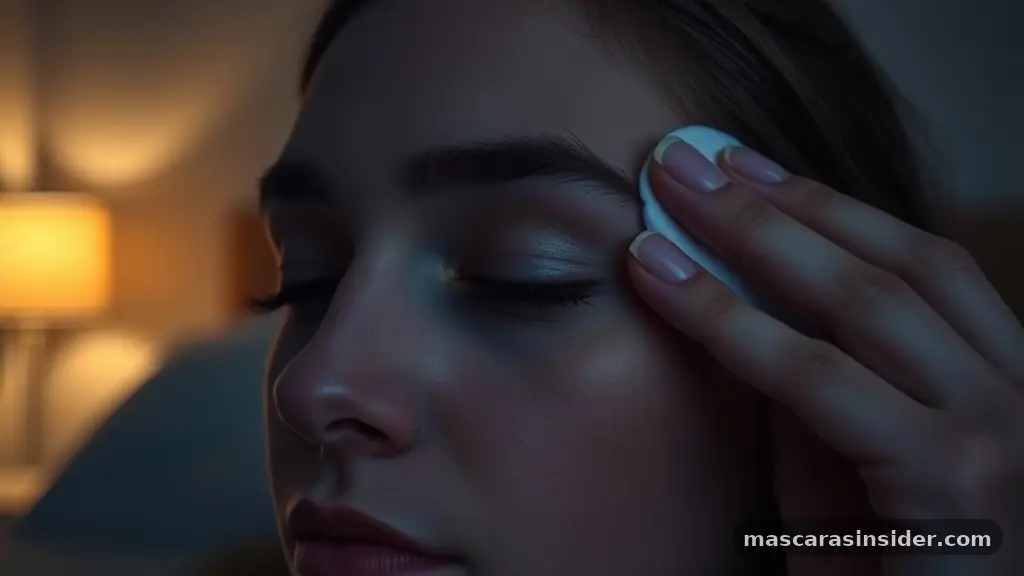
Instead, you should saturate a cotton pad or a clean cloth with your chosen remover and hold it against your closed eyelid for thirty to sixty seconds. This “soaking” period allows the ingredients to break down the waterproof polymers before you ever attempt to wipe.
Once the time has passed, use a gentle downward motion to glide the pad over your lashes. Avoid back-and-forth scrubbing, which can lead to lash breakage and irritation of the eyelid skin. If any residue remains, repeat the process with a fresh pad rather than pressing harder.
This methodical approach ensures that you are removing the product safely, preserving your natural lashes while keeping the surrounding skin healthy and hydrated. For more information on eye health, you can consult the American Academy of Ophthalmology to learn about protecting your vision and ocular surfaces.
Using Natural Oils for Effective Removal
If you prefer a natural approach, several kitchen-staple oils can effectively remove even the most stubborn waterproof mascara. Coconut oil, olive oil, and jojoba oil are popular choices because they are excellent at dissolving waxy makeup residues.
To use these, simply warm a small amount between your fingertips and gently massage it into your closed eyelids. The warmth of your skin helps the oil penetrate the mascara, making it much easier to wipe away.
Using natural oils can also provide a conditioning benefit to your lashes. Many people find that their lashes feel softer and less brittle after switching to an oil-based removal method.
However, keep in mind that oils can be heavy, so it is important to follow up with a regular facial cleanser to remove any residual oiliness. This “double cleansing” method is highly recommended, as it ensures your pores remain clear and your skin remains balanced after the makeup is fully dissolved.
Comparing Common Removal Methods
When deciding which method works best for your lifestyle, it helps to look at the pros and cons of different approaches. The table below outlines how various removal tools and substances perform when dealing with stubborn, long-wear formulas.
| Method | Efficiency | Skin Feel | Best For |
|---|---|---|---|
| Biphase Micellar Water | High | Lightweight | Daily use and sensitive skin |
| Cleansing Balm | Very High | Hydrating | Full-face makeup removal |
| Natural Oils | Medium-High | Oily/Rich | Dry skin and natural routines |
| Standard Soap/Water | Very Low | Drying | Not recommended for waterproof |
Avoiding Common Mistakes During Removal
One of the most frequent errors people make is rushing the process. When you are tired at the end of the day, it is tempting to scrub your eyes quickly to get into bed, but this is exactly when the most damage occurs.
Aggressive rubbing can cause micro-tears in the delicate skin of the eyelids, leading to inflammation and fine lines over time. Furthermore, pulling at your lashes can cause them to fall out prematurely, leaving your lash line looking sparse.
Another mistake is using the wrong tools. Avoid rough paper towels or abrasive fabric wipes that can scratch the eye area. Instead, opt for soft, reusable bamboo rounds or high-quality cotton pads.
These materials are designed to be soft against the skin while effectively holding onto the product. By investing in better tools and slowing down your routine, you protect your skin and ensure your lashes remain full and healthy for years to come.
Incorporating a Double Cleansing Routine
The double cleanse is a staple in many effective skincare routines, especially for those who wear waterproof makeup. The first step involves using an oil-based cleanser or balm to break down the makeup and sunscreen.
This step focuses entirely on dissolving the stubborn polymers that water cannot reach. Once the makeup is emulsified, you rinse it away and follow up with a water-based cleanser to remove any remaining debris and cleanse the skin itself.
This two-step process ensures that no residue is left behind to clog your pores or irritate your eyes overnight. It also prepares your skin to better absorb any serums or moisturizers you apply afterward.
Many people who previously struggled with breakouts or eye irritation find that switching to a double cleanse resolves these issues almost immediately. It is a simple shift that makes a significant difference in the long-term health and clarity of your complexion.
Protecting Sensitive Eyes and Skin
If you have particularly sensitive eyes, you may find that even some “gentle” removers cause stinging or redness. In these cases, it is crucial to look for fragrance-free, hypoallergenic, and ophthalmologist-tested formulas.
Often, the culprit behind irritation isn’t the oil itself but the preservatives or fragrances added to the product. Staying away from these additives can drastically improve your experience.
Additionally, consider the temperature of the water you use during the second step of your cleanse. Lukewarm water is ideal, as very hot water can strip the skin of natural oils and cause irritation.
If your eyes still feel sensitive after removing your mascara, a cool compress can help soothe the area. Remember that your eye area is one of the most delicate parts of your body, and treating it with extra care will pay dividends in how your skin looks and feels as you age.
Recommended Tools for a Better Experience
Beyond the cleanser itself, the tools you use can change the entire experience of removing your makeup. Reusable makeup remover pads are a fantastic alternative to disposable cotton, as they are often softer and more eco-friendly. These pads can be washed and reused for months, providing a consistently soft surface for your delicate eye area.
You might also consider using a dedicated eye makeup remover brush if you have a very heavy mascara application. These brushes have soft bristles that can reach between the lashes to lift product without the need for heavy rubbing.
When used in combination with a cleansing balm, these tools can make the removal process feel like a spa-like ritual rather than a chore. Maintaining your tools by cleaning them regularly is also important to prevent the buildup of bacteria that could lead to infections.
Developing a Consistent Nightly Habit
Consistency is the key to maintaining healthy lashes and skin. Even if you are exhausted, never skip the step of removing your makeup.
Leaving waterproof mascara on overnight can lead to dry, brittle lashes that are prone to snapping. It can also cause eye irritation or even lead to styes if the hair follicles become clogged with product residue.
To make this easier, keep your remover and pads in a convenient location near your bed or bathroom sink. If you find the process tedious, try to pair it with something you enjoy, like listening to a podcast or music.
By turning the removal process into a relaxing end-of-day ritual, you are far more likely to stick with it. Over time, this consistency will lead to noticeably healthier, stronger lashes and a clearer, more radiant eye area.
Frequently Asked Questions
Is it safe to use baby oil to remove waterproof mascara?
While baby oil is effective at breaking down waterproof formulas, it may contain fragrance or mineral oil that some people find irritating. If you have sensitive skin, it is often better to use a high-quality, pure plant-based oil like jojoba or a dedicated makeup remover.
How can I prevent my lashes from falling out during removal?
The best way to prevent lash loss is to avoid rubbing. Always soak your lashes with a makeup remover for at least thirty seconds before wiping. This allows the product to dissolve the mascara, letting it slide off with minimal friction, which keeps your lashes firmly in place.
Does micellar water really work on heavy-duty waterproof products?
Standard micellar water may struggle with heavy-duty waterproof mascara. However, look for “biphase” or “oil-infused” micellar water. These specific formulas are designed to tackle waterproof makeup effectively by combining the power of oil with the refreshing feel of micellar water, ensuring a clean finish.
Can I leave waterproof mascara on overnight if I’m too tired?
It is strongly recommended that you remove all makeup before sleeping. Leaving waterproof mascara on can cause your lashes to become brittle and break. Additionally, the residue can irritate your eyes or clog the follicles, potentially leading to discomfort, redness, or even minor infections over time.
Closing Thoughts
Mastering the art of getting off waterproof mascara is a simple but impactful way to improve your daily skincare routine. By prioritizing gentle, oil-based products and adopting a patient, soaking-first approach, you protect your lashes and keep the delicate skin around your eyes healthy. Whether you choose a specialized micellar water or a natural oil, the focus should always be on minimizing friction and ensuring a thorough cleanse.
Taking these small steps each night prevents long-term damage and keeps your eyes looking bright and refreshed. Start implementing these techniques tonight and notice how much better your skin feels after a proper, gentle removal. If you have any favorite products or tips that have worked for you, feel free to share them with others to help them build their own routines.