
Knowing how often should you change your mascara is a fundamental aspect of maintaining eye health that many people overlook. While your favorite tube might still seem to have plenty of product left, the environment inside the container becomes a breeding ground for microorganisms over time. Most beauty experts and dermatologists agree that replacing your eye makeup regularly is the best way to prevent unwanted complications.
By understanding the timeline for refreshing your kit, you can ensure your daily routine remains as safe as it is effective. This article explores why these timelines exist and how you can spot the warning signs that it’s time to toss your old product.
The Science of Bacterial Growth in Makeup
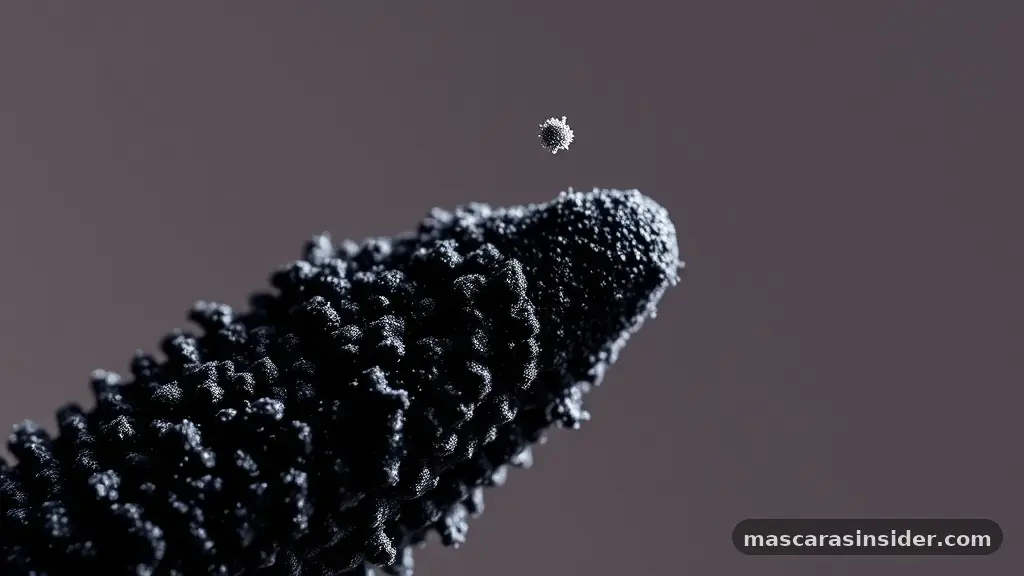
The primary reason to replace your mascara frequently involves the invisible world of microorganisms. Every time you pull the wand out and push it back into the tube, you are introducing air and potential contaminants into the formula. This cycle creates a warm, dark, and moist environment, which is essentially a playground for bacteria.
Once these microbes enter the tube, they begin to multiply rapidly. Because mascara is applied directly to the delicate lashes near the waterline, any contaminated product can easily transfer these pathogens to your eyes.
Even if you practice perfect hygiene, it is impossible to keep a tube of mascara completely sterile for an extended period. The wand picks up dead skin cells, oils, and environmental debris every time it touches your lashes. When these materials are pushed back into the tube, they provide a source of nutrients for bacteria.
Over time, the preservatives in the formula lose their efficacy, leaving the product vulnerable to colonization. Failing to switch out your product when necessary significantly increases your risk of developing uncomfortable or even painful eye issues.
Why Three Months Is the Golden Rule
The general consensus among professionals is that you should replace your mascara every three months. This timeframe is not an arbitrary suggestion; it is based on the average shelf life of the preservatives used in most cosmetic formulations.
Manufacturers design these products to remain stable and safe for a specific period, assuming regular usage. After three months, the integrity of the formula begins to degrade, and the risk of bacterial contamination becomes much higher than the benefit of using the remaining product.
Some people feel that discarding a tube that is still half-full is wasteful, but you must weigh that cost against the potential medical expenses of treating an infection. If you use your makeup every single day, the internal environment of the tube is disturbed more frequently, which can accelerate the degradation process.
Even if you only wear makeup occasionally, the clock starts ticking the moment you break the seal on a new tube. Air exposure is the silent enemy, and once the seal is compromised, oxidation begins to alter the chemical composition of the makeup.
Identifying Signs That Your Mascara Has Expired
Beyond the three-month rule, there are specific physical indicators that your product has reached the end of its life. If you notice any changes in the texture, smell, or performance of your mascara, it is time to stop using it immediately.
A fresh tube should have a consistent, smooth texture and a neutral, faint scent. If you find that the formula has become clumpy, dry, or stringy, it is a clear sign that the ingredients have broken down.
Another major red flag is a change in odor. While some mascaras have a distinct chemical smell, an old tube might develop a sharp, sour, or “off” scent that was not there when you first opened it. Furthermore, if you notice that the product is starting to irritate your eyes—causing redness, itching, or a gritty feeling—you should discard it without hesitation.
Relying on visual cues is essential, but it is not a substitute for the general timeline. You should view the three-month mark as a hard deadline, regardless of whether the product still looks or smells fine.
Risks Associated with Old Mascara
Continuing to use expired eye products can lead to a variety of unwanted health outcomes. The eyes are incredibly sensitive, and the skin surrounding them is the thinnest on the body.
When you apply contaminated mascara, you are essentially painting bacteria directly onto your lashes, which sits just millimeters away from the conjunctiva. This proximity makes it very easy for pathogens to enter the eye, leading to conditions like conjunctivitis, commonly known as pink eye.
Symptoms of eye infections can include excessive tearing, discharge, swelling, and extreme sensitivity to light. In more severe cases, bacterial exposure can cause styes or even corneal abrasions if the applicator scratches the surface of the eye. Protecting your vision should always be a priority over finishing a makeup product.
By following a strict replacement schedule, you minimize the chance of these irritating and potentially damaging infections. It is a simple habit that acts as a vital layer of defense for your ocular health.
Proper Storage Habits to Extend Product Life
While you cannot stop the clock on expiration, you can certainly avoid shortening the life of your product through poor storage. Many people leave their makeup bags in the bathroom, where the humidity from the shower creates a perfect environment for mold and bacteria to thrive.
You should store your mascara in a cool, dry place away from direct sunlight. Heat can cause the formula to separate and degrade much faster than it would under normal conditions.
Another common mistake is pumping the wand in and out of the tube to get more product. This action forces air into the container, which dries out the formula and invites more contaminants inside. Instead of pumping, try a gentle swirling motion to pick up the product on the brush.
You should also ensure the cap is screwed on tightly after every single use. If the tube isn’t sealed properly, the formula will dry out rapidly, making it difficult to achieve a smooth application and increasing the likelihood that you will try to “revive” it with water or other liquids, which is a dangerous practice.
The Dangers of Sharing Makeup
Sharing beauty products is a common social habit, but it is one of the most effective ways to spread bacteria. When you share a wand, you are essentially swapping the microbial flora of your eyes with someone else.
Even if your friend has no symptoms, they may be carrying bacteria that your system is not used to, which could trigger an infection. You should never share your mascara or any other eye-related products, even with close family members.
If you are at a makeup counter or a beauty store, avoid using the community testers on your actual eyes. These products are exposed to hundreds of different people and are rarely sanitized according to the strict standards required for eye safety.
If you must test a product, use a disposable, single-use wand and apply it to the back of your hand rather than your lash line. Being firm about these boundaries is a necessary step in maintaining your personal hygiene and preventing the spread of unwanted pathogens.
Impact of Formula Types on Expiration
Not all mascaras are created equal, and the type of formula you choose can influence how it behaves over time. Waterproof formulas, for example, often contain different waxes and solvents that may have a slightly different shelf life compared to traditional water-based formulas. However, the general rule of replacing your mascara every three months remains the standard recommendation regardless of the specific ingredients.
Natural or organic mascaras often lack the robust preservatives found in conventional products. Because they rely on gentler, plant-based ingredients to prevent bacterial growth, they may actually be more susceptible to contamination. If you prefer using “clean” beauty products, you might find that you need to be even more vigilant about checking for signs of spoilage.
Always read the label for the “period after opening” (PAO) symbol, which looks like a little open jar with a number on it. This symbol tells you exactly how many months the manufacturer intends for you to use the product after the seal is broken.
Establishing a Reliable Replacement Routine
To stay on top of your beauty regimen, you need a system that removes the guesswork. Relying on your memory to track when you opened a tube is rarely effective, as time tends to blur.
Instead, use a physical or digital marker to track your purchases. You can write the date of opening on the bottom of the tube with a permanent marker or set a recurring reminder in your phone for every twelve weeks.
| Action | Frequency |
|---|---|
| Replace mascara | Every 3 months |
| Replace eyeliner | Every 3-6 months |
| Replace eyeshadow | Every 6-12 months |
| Clean makeup brushes | Weekly |
This simple habit ensures that you never accidentally keep a product longer than you should. When the reminder pops up, replace the tube immediately, even if it still feels like it has plenty of product left.
It is helpful to think of the cost of a new tube as an investment in your health rather than just a cosmetic expense. By treating your makeup as a perishable good, you will naturally gravitate toward better habits that prioritize safety.
Common Myths Regarding Mascara Safety
There are many misconceptions about how to prolong the life of eye makeup. One of the most persistent myths is that adding water, saliva, or eye drops to a dried-out tube will make it as good as new. This is a dangerous practice that you should strictly avoid.
Adding moisture to an old tube creates an ideal environment for bacteria to bloom, effectively turning your mascara into a petri dish. If your mascara is dry, it has reached the end of its life, and no amount of diluting will change that.
Another myth is that you can “sanitize” your wand by washing it with soap or hot water. While this might clean the bristles, it does nothing to address the bacteria living inside the tube. Once the product is contaminated, the entire container must be discarded.
Don’t fall for hacks that suggest using a microwave or a freezer to kill germs; these methods are ineffective and can destroy the stability of the formula. Trust the science: once the expiration date has passed, the only safe option is to buy a new product.
Addressing Topical Gaps in Beauty Hygiene
Many people ask if there is a difference between “high-end” and “drugstore” mascara when it comes to longevity. While higher-priced products may contain more premium ingredients, they are subject to the same biological laws as budget-friendly options.
The preservatives in expensive luxury mascara do not last forever, and they are just as prone to bacterial growth as a budget tube. Do not let the price tag influence your decision on when to toss an old product.
Another gap in common knowledge is the importance of cleaning the wand itself. Even if you are within the three-month window, you should periodically wipe the wand clean with a tissue to remove excess clumps and dried product. This prevents buildup from falling into your eyes during application.
Additionally, always remove your eye makeup completely before going to bed. Leaving residue on your lashes can lead to irritation and can even contribute to the accumulation of bacteria around the lash follicles, regardless of how often you replace your mascara. For more detailed information on maintaining ocular health, you can consult the American Academy of Ophthalmology guidelines on makeup safety.
Frequently Asked Questions
Can I use mascara for more than three months if I don’t wear it every day?
No, the three-month rule applies to the time passed since you first opened the tube, regardless of frequency. Once the seal is broken, the preservatives begin to lose their effectiveness and the formula is exposed to air, making it susceptible to bacterial growth over time.
What happens if I accidentally use expired mascara?
Using expired mascara puts you at risk for eye infections like pink eye, styes, or irritation. While you might not experience a reaction every time, you are significantly increasing the likelihood of bacterial exposure, which can cause redness, itching, and potential damage to your eye health.
How do I know if my mascara is definitely expired?
Look for changes in texture, such as clumping or drying, and changes in smell, such as a sharp or sour odor. If the product causes any stinging, redness, or discomfort during or after application, it is definitely time to discard it immediately and start with a fresh tube.
Are there mascaras that last longer than others?
Most standard mascaras are designed for a three-month lifespan. While some specialized formulas might claim to be more resistant to drying out, you should still adhere to the three-month limit for safety. Preservative-free or organic options may actually require more frequent replacement due to their gentler formulas.
Conclusion
Prioritizing your eye health is the most important part of any beauty routine. Knowing how often should you change your mascara is a simple yet powerful way to prevent infections and keep your eyes feeling comfortable.
By sticking to the three-month replacement schedule, you ensure that the product you use every day is safe and effective. Avoid the temptation to stretch the life of your tube, and keep an eye out for any signs of spoilage like unusual textures or smells.
Maintaining a clean makeup kit takes only a little extra effort, but the benefits for your long-term health are immeasurable. Start tracking your purchases today and discard any products that have overstayed their welcome.
Your eyes will thank you for the extra care, and you can enjoy your favorite beauty looks with total peace of mind. Feel free to share your own tips for keeping a clean makeup bag in the comments below.