
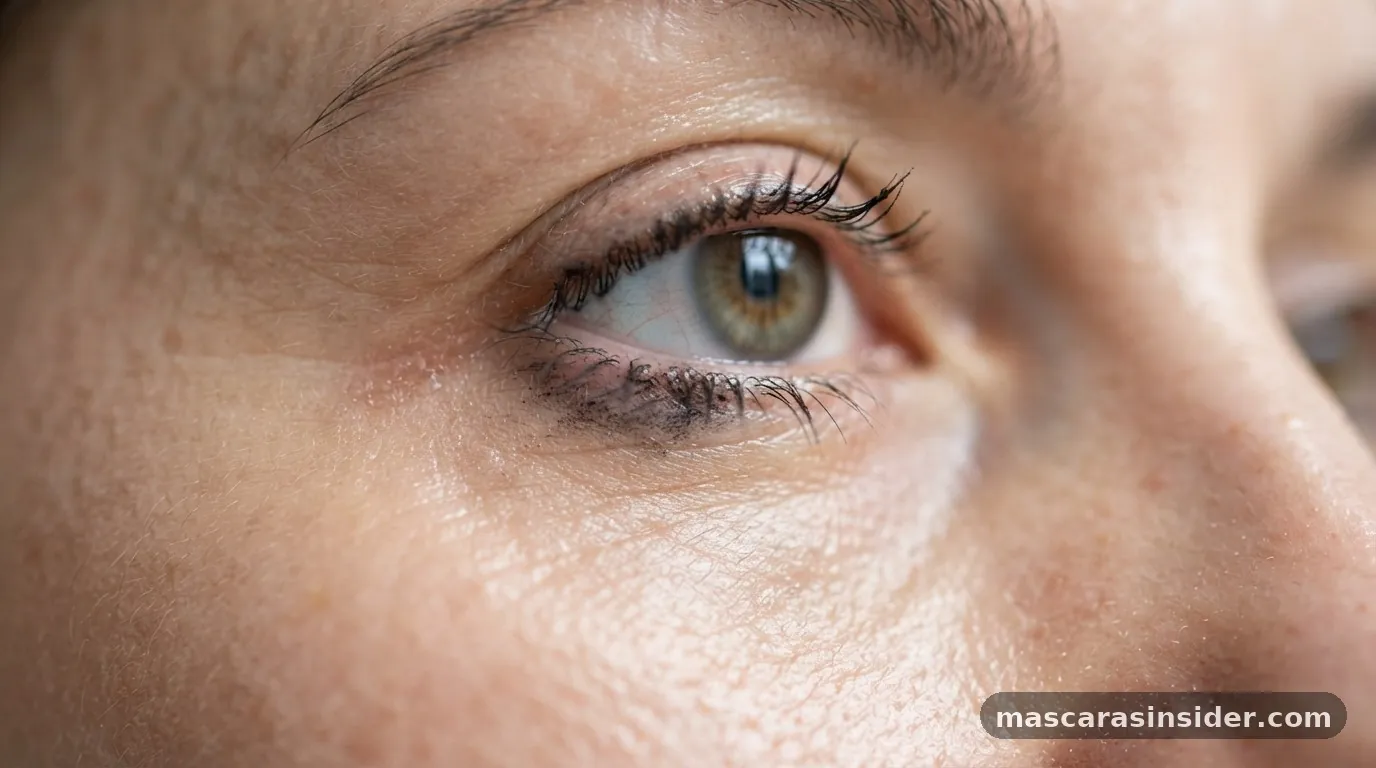
If you constantly find yourself checking the mirror only to discover dark, raccoon-like shadows beneath your lower lash line, you are certainly not alone. The frustration of perfecting your makeup look, only to have it dissolve into a messy smear by midday, is a common beauty dilemma.
Understanding why does my mascara always smudge under my eyes requires looking at the chemistry of your products, the natural physiology of your skin, and the techniques you use during application. It is rarely just one culprit; rather, it is usually a combination of environmental factors and product interactions that cause your lashes to lose their grip.
The Role of Natural Oils and Skin Chemistry
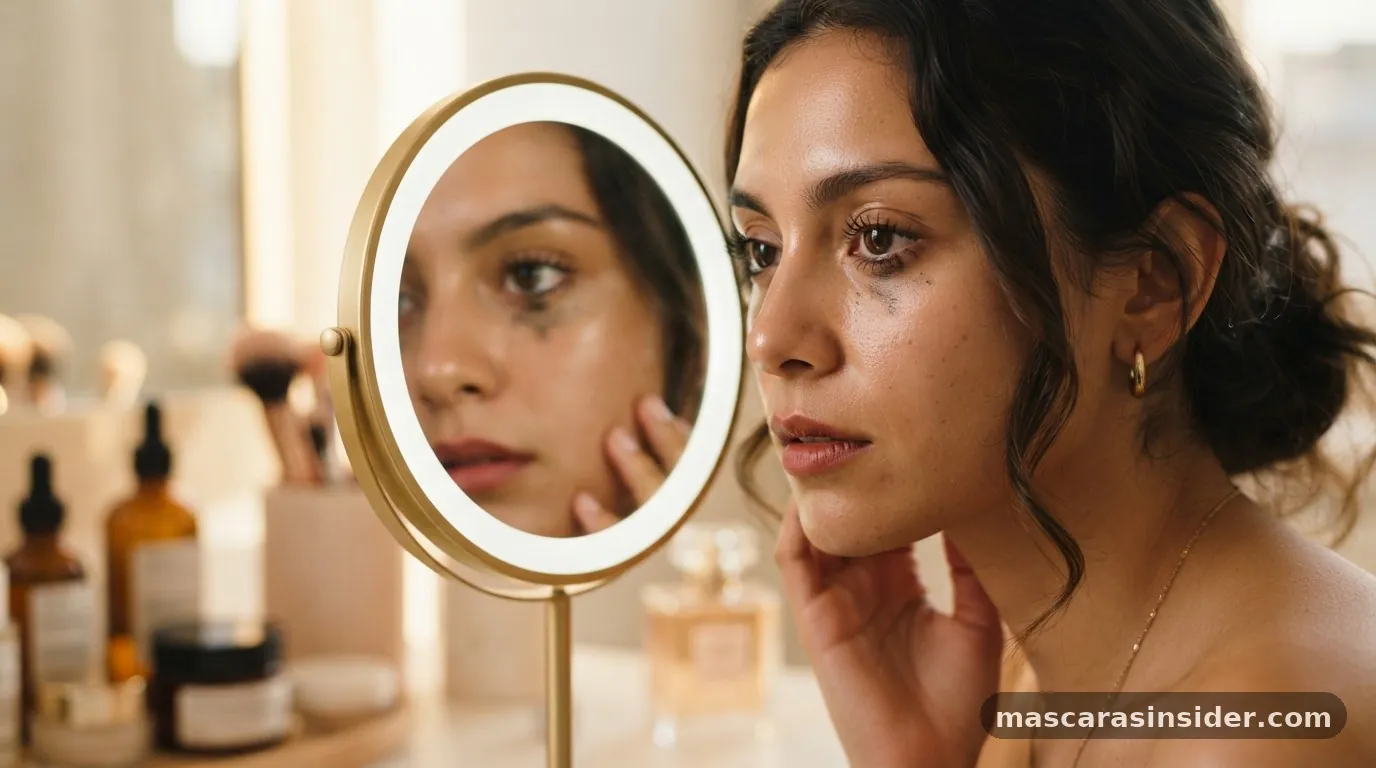
The primary reason mascara migrates south is the interaction between your mascara formula and the natural oils produced by your skin. Your eyelids and the area directly beneath your eyes are some of the most active sebaceous zones on the face. Throughout the day, your skin secretes sebum, a natural oil designed to keep the skin supple.
When these oils come into contact with traditional wax-based or oil-soluble mascaras, they act as a solvent. They essentially melt the product, causing it to run or smudge downward onto your cheeks.
This process is exacerbated if you have naturally oily skin or if you have applied a rich, emollient eye cream that hasn’t fully absorbed. If your skin is slick, the mascara has no stable surface to cling to.
Even if your lashes are perfectly curled and coated, the moment they touch the skin under your eyes—especially when you blink—the oils pick up the pigment and transfer it. This is why many people find that their makeup looks pristine for the first two hours but begins to fail as the day progresses and their skin warms up.
Choosing the Right Formula for Your Lashes
Not all mascaras are created equal, and the type of formula you choose is the single most significant factor in whether or not your makeup stays put. Many standard mascaras use waxes that are designed to be easily removed with water or gentle cleansers.
However, these same waxes are susceptible to the heat and oils of your face. If you struggle with persistent smudging, you might be using a product that isn’t compatible with your specific lash type or environment.
Differentiating Between Water-Resistant and Tubing Mascaras
It is a common misconception that all waterproof mascara is the ultimate solution. While these formulas are designed to resist water, they are often still susceptible to oils. In fact, some heavy-duty waterproof formulas can be quite difficult to remove, leading to aggressive rubbing that damages your delicate lash hairs.
A more effective alternative for many is a “tubing” mascara. Unlike traditional pigment-based formulas that paint the lash, tubing mascaras form tiny, polymer-based “tubes” around each individual lash. These tubes are resistant to oils, sweat, and rubbing.
They will not smudge or flake throughout the day, and they are removed easily with warm water and a little bit of pressure. If you want to see how these formulations compare to your current routine, you can look at the American Academy of Dermatology guidelines for safe makeup application and removal.
| Mascara Type | Best For | Smudge Resistance |
|---|---|---|
| Standard/Wax-based | Dry skin, easy removal | Low |
| Waterproof | High humidity, swimming | Medium (Vulnerable to oils) |
| Tubing | Oily lids, long days | High |
The Impact of Concealer and Eye Creams
Many people inadvertently create the perfect environment for smudging by applying heavy concealer or thick eye creams too close to the lash line. While you want to cover dark circles, placing emollient products right up against your lower lashes creates a barrier of moisture that will inevitably break down your mascara. When you apply your makeup, ensure that the area around your eyes is prepped correctly.
1. Start by cleansing the eye area to remove any residual oils from your morning skincare routine.
2. Apply your eye cream sparingly, ensuring it is allowed to fully dry before you proceed with any makeup application.
3.
Use a long-wear concealer that sets to a matte finish rather than a dewy or hydrating one.
4. If you must use a hydrating concealer, be sure to set it with a translucent powder to lock it in place.
5. Avoid bringing your concealer all the way to the root of your lower lashes; leave a tiny margin of clean skin to prevent interaction with your mascara.
Techniques to Prevent Smudging During Application
If you find that your mascara smudges before you even leave the house, the issue is likely your application technique. One common mistake is failing to let the product dry completely before you move on to the next step. If you apply mascara and then immediately look up, look down, or blink rapidly, the wet pigment will transfer to your skin.
Another trick is to use a lash primer. A quality primer coats the lashes in a way that creates a smooth, grippy surface, allowing the mascara to adhere better. Additionally, consider how you handle your lower lashes.
Many people find that skipping mascara on the bottom lashes entirely is the best way to prevent smudging. If you do choose to apply it, use a specialized, waterproof formula specifically designed for the delicate lower lash area, as these are often thinner and less prone to clumping or transferring.
- Always use a clean eyelash curler before applying product to ensure the lashes are lifted away from the skin.
- If you have hooded eyes, your lashes may naturally touch your skin; consider using a lash lift to keep them curled upward.
- Always wait at least thirty seconds for your first coat of mascara to set before applying a second one.
- Use a small fan or a clean spoolie brush to help the lashes dry faster if you are in a rush.
- Check your mascara wand for clumping; excess product on the wand is a leading cause of transfer.
The Importance of Setting Your Makeup
Just as you would set your foundation with powder to keep it from sliding, you should also consider setting the area around your eyes. A fine, translucent setting powder is your best friend when it comes to keeping your eye makeup looking fresh. By dusting a small amount of powder directly beneath the lower lash line, you create a “catch-all” barrier that absorbs excess oils throughout the day.
This technique is particularly useful if you have a habit of touching your face or if you live in a humid climate. When your skin is matte, the mascara has nothing to “grip” onto if it happens to migrate slightly.
Furthermore, if you use a setting spray, ensure you hold it at a distance and keep your eyes closed until the mist has evaporated. Some setting sprays contain alcohol or humectants that, when wet, can briefly soften the mascara, making it prone to running if you open your eyes too quickly.
Troubleshooting Persistent Issues
If you have tried changing your products and your technique but still face issues, it may be time to evaluate your tools and environmental factors. Sometimes, the problem is not the mascara itself, but the age of the product. Mascara has a limited shelf life, typically three months after opening.
As the formula ages, it thickens and becomes more prone to flaking. These flakes can fall into the eye area and, when mixed with sweat or oils, turn into the dreaded smudge.
Additionally, consider the shape of your eyes. People with deep-set or hooded eyes often have lashes that naturally brush against the skin. In these cases, no amount of “smudge-proof” marketing will change the fact that physical contact is occurring.
For these individuals, the solution is often to focus on keeping the lashes lifted. A professional lash lift or the use of a reliable, high-quality eyelash curler can keep the lashes pointed outward rather than downward, effectively preventing the contact that leads to smudging.
Addressing Topical Gaps: Why Is My Mascara Flaking?
A distinct issue often confused with smudging is flaking. While smudging is a result of moisture or oil dissolving the product, flaking occurs when a formula dries out and turns brittle.
If you notice tiny black specks on your cheeks rather than a blurred smear, you are dealing with a dehydration issue. This is common with “volumizing” formulas that contain heavy fibers.
To fix this, ensure your lashes are clean before application. If you have any residual makeup or skincare on your lashes, the mascara will not be able to bond properly. You can use a gentle micellar water to ensure the lashes are stripped of oils before you start your makeup routine.
Furthermore, avoid pumping your mascara wand in and out of the tube. This introduces air into the container, which accelerates the drying process and leads to the very flaking you are trying to avoid. Instead, swirl the wand gently to pick up the product.
Frequently Asked Questions
Does waterproof mascara prevent all smudging?
Not necessarily. While waterproof formulas are resistant to water, they can still break down when exposed to the natural oils on your skin. If you have oily eyelids, you may find that even waterproof mascara eventually begins to smudge after several hours of wear.
Should I apply primer to my lower lashes?
Applying primer to your lower lashes can help, but you must be careful. Use a very light hand, as too much product can make the lashes look clumpy or heavy. A thin coat of a lash primer creates a barrier that helps the mascara adhere to the lash hair instead of the skin.
Why does my mascara smudge even when I don’t wear eye cream?
If you aren’t using eye cream, your skin is likely producing enough natural sebum to cause the smudge. Try using a mattifying primer or a translucent setting powder around the eye area. This will absorb the oils before they have a chance to interact with your mascara formula.
Is there a specific way to remove mascara to prevent damage?
Yes. Use an oil-based makeup remover or a cleansing balm. Apply it to your lashes and let it sit for thirty seconds to break down the formula. Gently wipe away the product using a soft cloth or cotton round, moving in the direction of the lash growth to avoid pulling or breaking the hairs.