
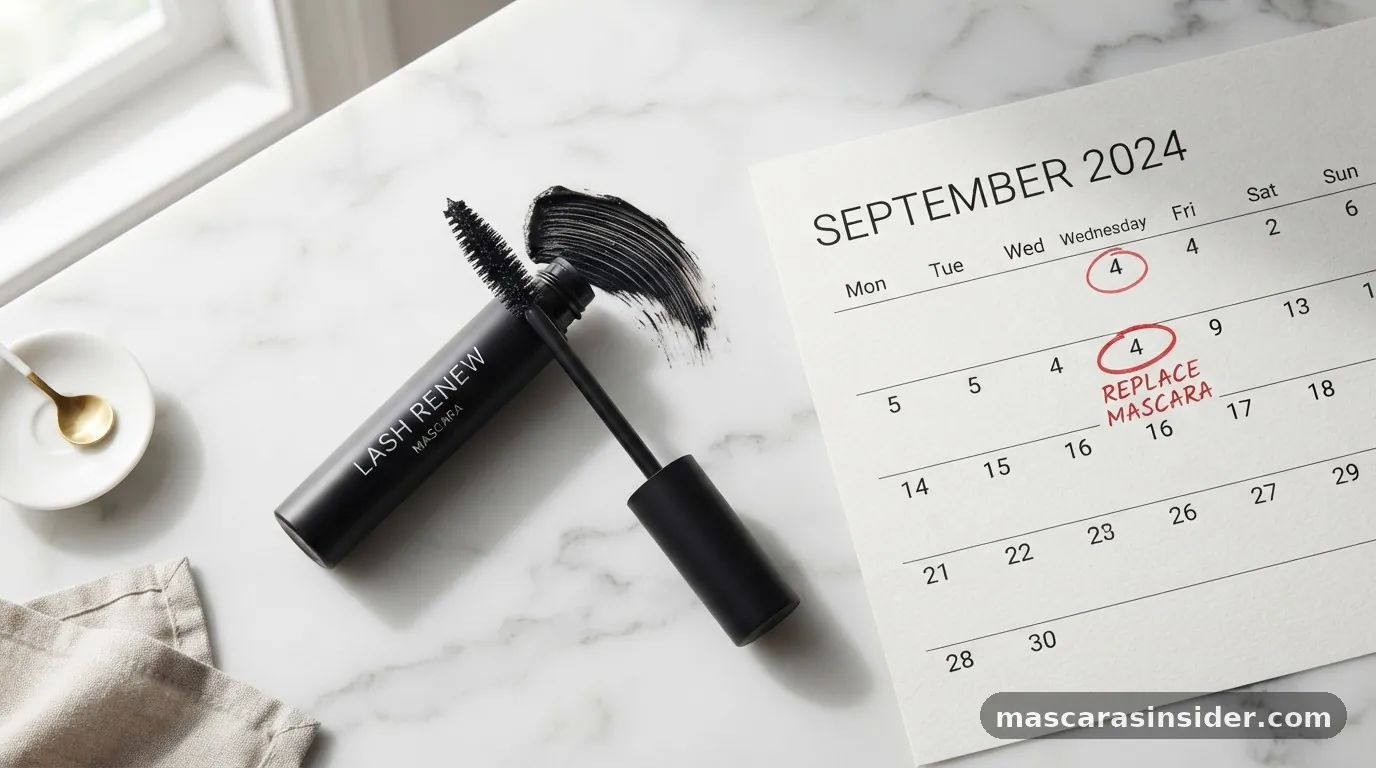
Knowing exactly how long should a tube of mascara last is a fundamental part of maintaining eye health and ensuring your makeup application remains flawless. While many beauty enthusiasts are tempted to use a product until every last drop is gone, the reality is that cosmetic formulas have a finite shelf life that is significantly shorter than most other items in your vanity. The general industry consensus is that you should replace mascara every three months to avoid potential complications.
Understanding the degradation of your makeup isn’t just about performance; it’s about hygiene. Every time you pull the wand out of the tube, you introduce air and microscopic debris into the formula.
Over time, this creates an environment that encourages bacterial growth. If you’ve ever noticed your product becoming clumpy, smelling slightly off, or causing irritation, you are likely well past the safety threshold.
The Three-Month Rule Explained
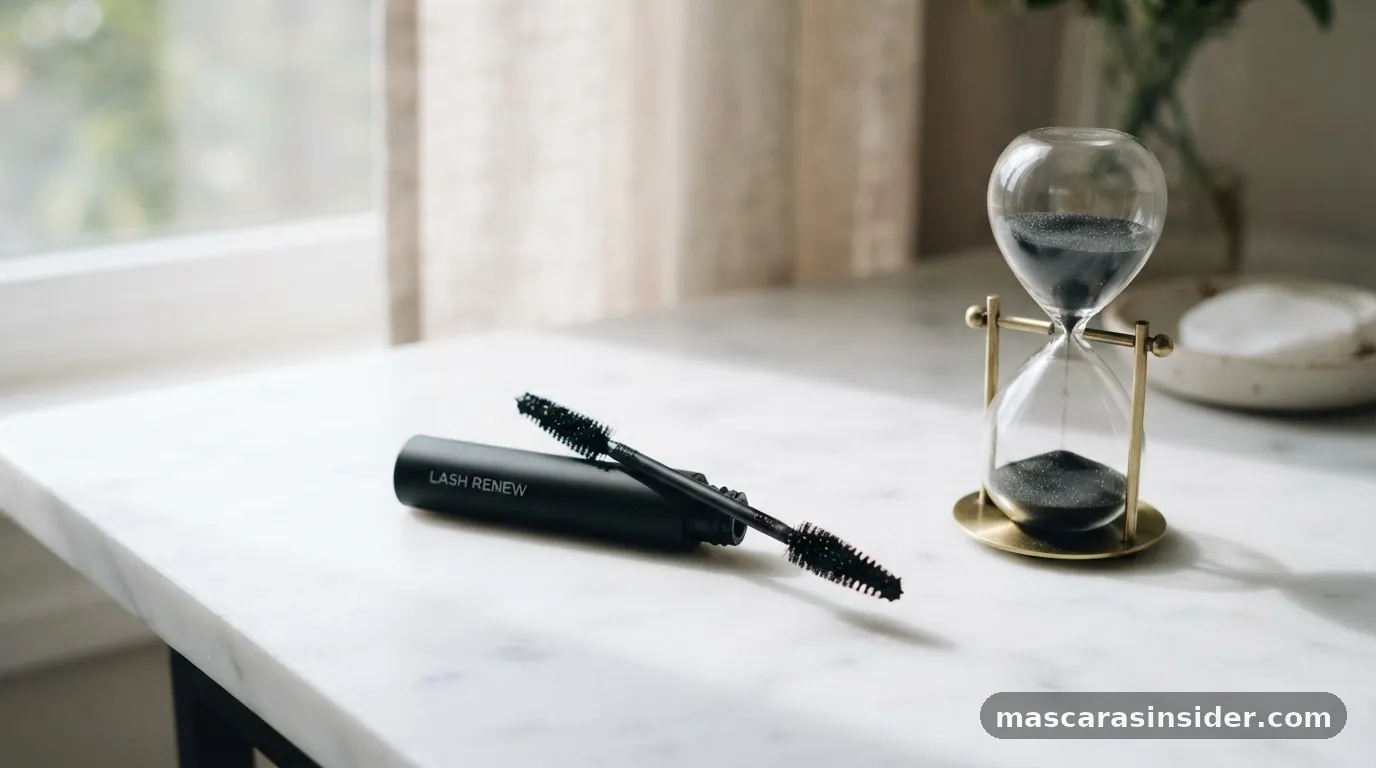
The standard recommendation for replacing your eye makeup is three months because of the high risk of contamination. After this timeframe, the preservatives within the liquid formula begin to break down, leaving your eyes vulnerable to pathogens that thrive in dark, enclosed, and moist environments.
When you use mascara every day, you are repeatedly exposing the product to your lash line and the surrounding skin. Your eyes are incredibly sensitive, and the introduction of foreign bacteria can lead to uncomfortable infections like conjunctivitis or styes. While a tube might still appear to have plenty of product remaining, the chemical stability and microbial safety of the liquid have likely been compromised.
Think of it as a safety expiration date rather than a performance expiration date. Even if the product still applies smoothly, the risk of introducing unwanted microbes into your eye area increases exponentially after that 90-day window. If you find yourself struggling with persistent redness or itching, it is almost always time to toss the old tube and start fresh.
Signs Your Product Has Expired
How do you know when a mascara is finished? Beyond the three-month timeline, there are physical indicators that your product has reached the end of its life. Paying attention to these changes can help you catch a compromised product before it affects your skin health.
1. The scent changes: If your product develops a sharp, chemical, or sour smell, the preservatives have failed.
2. Texture shifts: A formula that starts out creamy and smooth will eventually become thick, stringy, or clumpy as the solvent evaporates.
3.
Application issues: If you notice the product flaking off throughout the day or failing to adhere to your lashes properly, it’s a sign the integrity of the formula is gone.
4. Separation: If you see distinct layers or an oily film inside the tube, the ingredients are no longer emulsifying correctly.
5. Persistent clumping: When the wand comes out with uneven, dried-up clumps on the bristles, it indicates the inner walls of the tube have built up significant residue.
If you encounter any of these signs, don’t try to “revive” the product with water or oil. Adding external substances to the tube only introduces more bacteria and further degrades the formula, making the situation worse.
The Science of Bacterial Growth
The internal environment of a mascara tube is a breeding ground for microorganisms. Because the wand is removed and reinserted daily, it acts as a carrier for bacteria from your eyelids and lashes back into the product. This cycle of contamination happens regardless of how careful you are during your morning routine.
Microbes such as Staphylococcus epidermidis are common inhabitants of the skin, and they can easily travel from your lash line into the tube. Once inside, they find a nutrient-rich, dark, and moisture-heavy environment where they can multiply rapidly. The preservatives added by manufacturers are designed to keep the formula stable for a specific amount of time, but they aren’t meant to keep the product sterile indefinitely.
According to the U.S. Food and Drug Administration, eye makeup safety is a top priority for preventing ocular infections. By sticking to the recommended replacement schedule, you minimize your exposure to these pathogens and keep your vision and eye tissue healthy.
Comparing Different Types of Mascara
Not all eye makeup is created equal. Some formulas are designed for longevity, while others prioritize ease of removal or volume. Understanding the differences in how long products last can help you manage your beauty budget and your health.
| Mascara Type | Estimated Longevity | Key Characteristic |
|---|---|---|
| Standard Liquid | 3 Months | High risk of bacterial buildup |
| Waterproof | 3 Months | Resistant to moisture but still expires |
| Tubing Mascara | 3 Months | Forms polymer “tubes” around lashes |
| Natural/Organic | 1-2 Months | Fewer preservatives, spoils faster |
It is a common misconception that waterproof formulas last longer. While they are more resistant to smudging, they are just as susceptible to bacterial contamination as standard formulas. In fact, because they often require more intense rubbing to remove, you might be irritating your eye area more frequently if you use an expired, clumped-up waterproof product.
Best Practices for Extending Product Life
While you should never push past the three-month mark, there are ways to ensure your mascara stays in good condition for the duration of its intended life. Small habits can prevent premature drying and limit the amount of bacteria you introduce to the tube.
- Never pump the wand: Pumping the brush in and out of the tube forces air inside, which accelerates the drying process and introduces environmental contaminants.
- Wipe the excess: Gently wipe the wand on the rim of the tube or a clean tissue to prevent buildup at the opening, which can prevent the tube from sealing properly.
- Store in a cool, dry place: Keep your makeup away from extreme temperatures and humidity, such as bathrooms with high steam levels, which can affect the stability of the formula.
- Don’t share: Never share your eye makeup with others, as this is the fastest way to transmit bacteria and eye infections.
- Tighten the cap: Always ensure the cap is screwed on tightly after every use to prevent the formula from drying out prematurely.
These simple steps will help you get the most out of your product without compromising your eye health. If you notice your mascara is drying out within a few weeks, it is usually a sign that you are pumping the wand or leaving the cap slightly loose.
Addressing Common Topical Gaps
Many people ask, “Can I use 1-year-old mascara?” The answer is a definitive no.
Even if the product looks fine, the preservatives have long since degraded, and the bacterial load inside the tube could be significant. Using old makeup is one of the most common causes of preventable eye infections.
Another common question is, “How many applications are in a tube?” While this varies by brand and size, most standard tubes provide enough product for daily use over a three-month period.
If you find you still have half a tube left after three months, consider buying a travel-sized version next time. Not only is it more cost-effective, but it also ensures you aren’t wasting product when the time comes to discard it.
If you wear contacts, you should be even more vigilant. Contact lens wearers are at a higher risk of eye infections because the lens can trap bacteria against the cornea.
If you notice any irritation, stop using all eye makeup immediately and consult an eye care professional. Replacing your mascara, eyeliner, and even your contact lens case is standard procedure after an eye infection to prevent re-contamination.
Frequently Asked Questions
How can I tell if my mascara is definitely expired?
If the formula has become clumpy, thick, or develops a strange, sour odor, it is expired. You should also toss it if you notice it causing irritation, redness, or itching around your eyes, or if the product has separated inside the tube.
Is it safe to use mascara after 3 months?
No, it is not recommended. After three months, the preservatives in the formula break down, significantly increasing the risk of bacterial growth. Using expired mascara can lead to serious eye infections, styes, and chronic irritation. Always prioritize your eye health over the remaining product.
What happens if I accidentally use expired mascara?
You might experience mild irritation, redness, or watery eyes. In worse cases, you could develop a bacterial infection like conjunctivitis. If you notice any discomfort, stop using the product immediately, wash your eyes gently, and monitor for persistent symptoms that may require medical attention.
Does waterproof mascara last longer than regular mascara?
No, waterproof mascara does not last longer than regular formulas. While it is more resistant to sweat and water, it still contains preservatives that expire within the same three-month window. All mascara formulas are equally susceptible to bacterial contamination once the seal is broken.