

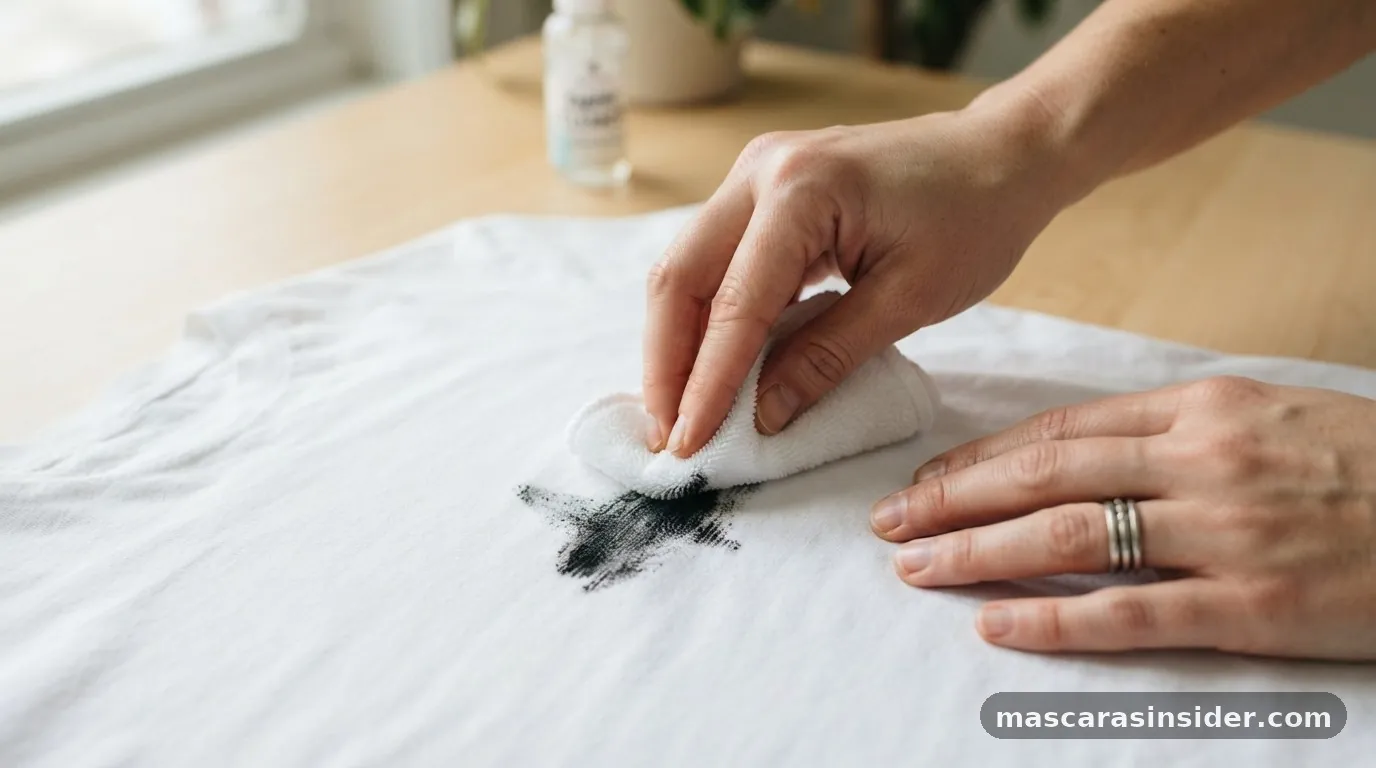
Accidentally dropping your wand or bumping your eye while applying makeup can lead to frustrating mascara stains on your favorite garments. Because most modern mascaras are formulated with waxes, oils, and deep pigments, they are designed to cling to lashes for hours, which unfortunately makes them equally stubborn when they end up on your clothing.
Finding a smudge on a crisp white shirt or a silk blouse can feel like a disaster, but the situation is rarely permanent if you act with precision. You don‘t need expensive professional cleaning services to salvage your wardrobe; you simply need the right chemical approach to break down the binders holding the pigment to the fabric.
Immediate Action: Minimizing the Damage
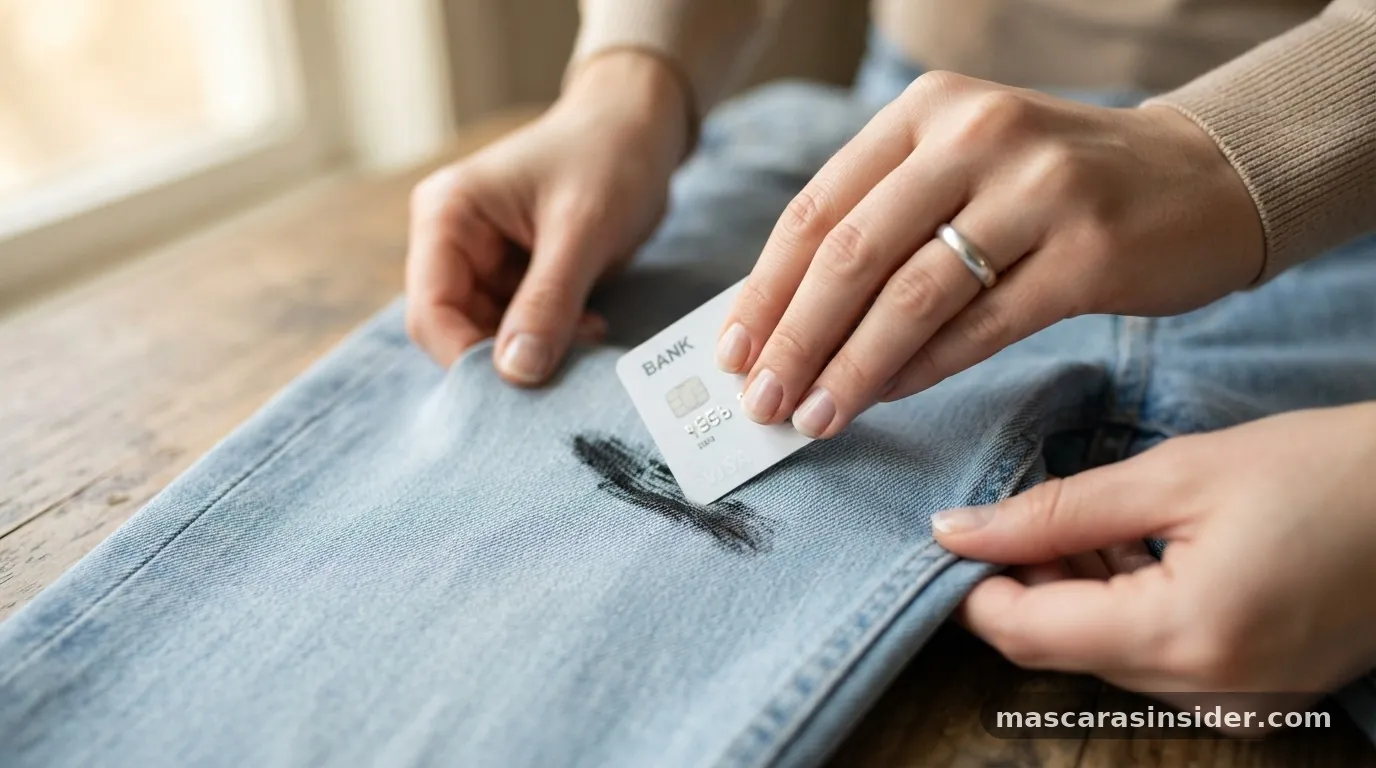
The most effective way to address a fresh smudge is to stop the pigment from setting into the fibers. To minimize the damage, carefully scrape off any excess product with the edge of a credit card or a dull butter knife, ensuring you do not push the substance deeper into the weave.
1. Do not rub the area. Rubbing forces the oil-based formula into the deeper layers of the fabric, making it much harder to remove mascara later.
2.
Blot the stain gently with a clean, dry paper towel. This lifts the surface oil without spreading the dark pigment.
3. If the smudge is small, avoid using water initially.
Adding water to a fresh, oil-based stain can sometimes cause the pigment to bleed, turning a small dot into a larger, more difficult blotch.
4. Assess the material. If you are dealing with delicate fibers like silk or wool, you should avoid aggressive scrubbing and seek out a specialized stain remover suitable for protein-based fibers.
5.
Keep the item flat and dry until you are ready to apply a cleaning agent. If you are at work or school, you can dab the spot with a tiny amount of dry cornstarch or baby powder to absorb the oils; this prevents the stain from migrating while you wait to get home.
By resisting the urge to scrub, you maintain the integrity of the textile. Most people make the mistake of using a wet wipe immediately, which is often counterproductive because the moisture can activate the dye in the makeup stains and set it permanently against the fibers.
The Chemistry of Effective Stain Removal
To understand how to successfully clean your gear, you must understand the ingredients typically found in your beauty products. These products are often emulsions of water, waxes, and pigments. Waterproof versions are specifically engineered to resist moisture, meaning they contain high concentrations of polymers and hydrophobic waxes.
These ingredients are designed to repel water, so using plain water will almost never lift the stain. Instead, you need a solvent that can dissolve oil and wax.
Choosing the Right Solvent
The ideal cleaning agent acts as an emulsifier. It grabs onto the oils in the mascara and lifts them away from the threads. Dish soap is an industry standard for this task because it is formulated to break down grease on cookware, making it highly effective at neutralizing the oily base of most cosmetics.
When you apply a solvent, you are essentially creating a bridge between the stubborn wax and the rinsing agent. High-quality liquid laundry detergent or a dedicated enzyme-based cleaner works similarly.
If you find yourself in a bind, a mild, oil-free makeup remover can also be used, provided it is clear and does not contain dyes that might transfer to your garment. Always test your chosen solution on an inconspicuous area, such as an inside seam, to ensure it doesn’t cause discoloration.
Step-by-Step Cleaning Protocol
Once you have assessed the situation, you can begin the physical removal process. Following a structured approach ensures that you don’t accidentally set the stain with heat or improper agitation.
6. Lay the garment flat on a clean surface, placing a thick, white towel inside the piece of clothing directly under the stain. This prevents the pigment from transferring to the back of the fabric.
7.
Apply a small amount of dish soap or a liquid laundry detergent directly to the center of the smudge.
8. Use a soft-bristled toothbrush or your fingertip to work the soap into the fibers. Move in a circular motion, starting from the outside of the stain and working inward to prevent spreading.
9. Let sit for at least 10 to 15 minutes.
This duration allows the surfactants in the soap to fully encapsulate the oils and waxes.
10. Rinse cold water through the back of the stain. By pushing the water from the reverse side, you effectively “back-flush” the pigment out of the weave rather than pushing it through to the other side.
11.
Repeat the application of soap if the stain remains visible. Do not proceed to the washing machine until the mark is completely gone, as the heat of a dryer will lock any remaining pigment into the fibers for good.
Handling Special Fabrics and Situations
Different textiles require different levels of care. While cotton is durable and can withstand moderate scrubbing, synthetic blends and delicate natural fibers require a gentler touch. You can consult the Federal Trade Commission guidelines on care labeling to ensure you aren’t violating manufacturer recommendations when treating your items.
Comparison of Cleaning Methods
| Fabric Type | Recommended Approach | Precautions |
|---|---|---|
| Cotton/Denim | Enzyme detergent + scrubbing | None; very durable |
| Silk/Rayon | Mild dish soap + dabbing | No scrubbing; test for colorfastness |
| Polyester/Nylon | Pre-treater + cold rinse | Avoid high heat during drying |
| Wool/Cashmere | Gentle wool wash + soaking | Do not wring or twist |
When dealing with delicate items, avoid the use of harsh chemical bleaches. Bleach can strip the dye from the garment or even damage the protein structure of fibers like wool or silk. If you are struggling with a persistent mark on a dry-clean-only item, it is safer to take the garment to a professional rather than risk ruining the texture or shape.
Addressing Waterproof Mascara
Waterproof formulas are significantly more difficult to manage because they are built to withstand tears, sweat, and humidity. These formulas often contain isododecane or other volatile silicones that do not respond well to standard soaps. If you suspect your mascara is waterproof, you may need a more aggressive solvent approach.
Start by using an oil-based makeup remover. Because oil dissolves oil, a biphase makeup remover can be surprisingly effective at loosening the polymers in waterproof formulas. Apply a small amount to a cotton swab and dab the area.
Once the dark color begins to lift onto the swab, follow up with a degreasing dish soap to remove the oily residue left behind by the makeup remover. If you skip the soap step, you might end up with a secondary grease stain on your garment, which is just as noticeable as the original makeup mark.
Common Mistakes to Avoid
Even with the best intentions, many people accidentally ruin their clothes by using the wrong techniques. One of the most common errors is the use of hot water.
Heat causes the waxes in mascara to melt and penetrate deeper into the fabric, effectively “welding” the pigment to the thread. Always stick to cold water throughout the entire process.
Another mistake is the use of hair dryers to speed up the drying process after a spot treatment. Similar to the heat from a dryer, a hair dryer can set any remaining traces of the stain.
Allow the fabric to air dry completely before inspecting it under bright, natural light. Often, a stain that looks gone in dim indoor lighting will reappear once the fabric is dry and exposed to sunlight.
The Role of Pre-treatment
Before you put your item into the washing machine, ensure that the area has been thoroughly flushed. If you have been using a commercial stain remover, follow the instructions on the label regarding dwell time. Leaving a chemical on too long can sometimes be just as harmful as not leaving it on long enough, especially on thin or fragile fabrics.
FAQ: Frequently Asked Questions
Does dish soap really work on mascara?
Yes, dish soap is highly effective because it contains surfactants designed to break down grease and oil. Since most mascaras are oil-based, dish soap helps emulsify the pigment and wax, allowing it to be rinsed away from the fibers of your clothing without damaging the material.
Can I use hot water to wash out mascara?
No, you should never use hot water. Heat will cause the wax and oil components of the mascara to melt and bond more deeply with the fabric fibers. Always use cold water to rinse or wash the garment to ensure the stain lifts rather than sets.
What should I do if the stain is on a dry-clean-only item?
If the garment is labeled “dry clean only,” avoid home treatments involving water or soap, as these can cause shrinkage or water spots. Blot the excess mascara gently with a dry cloth and take the item to a professional cleaner as soon as possible for the best results.
How do I get dried mascara out of clothes?
For dried mascara, first use a dull knife or credit card to gently scrape off the hardened, crusty layer on the surface. Once the bulk is removed, apply a small amount of liquid detergent or dish soap, let it sit for a few minutes, and gently work it in before rinsing with cold water.