
Most of us have been there: you return home after a long night, exhausted, and the mere thought of standing at the sink to scrub your face feels like an insurmountable task. You collapse into bed, thinking that skipping your nightly routine just this once won’t cause any real harm.
However, what happens when you sleep with mascara on is far more damaging than a simple smudge on your pillowcase. The delicate environment around your eyes is highly sensitive, and leaving cosmetic products on overnight disrupts natural repair processes, leading to potential long-term issues for your ocular health and skin integrity.
The Immediate Impact on Your Eyelashes
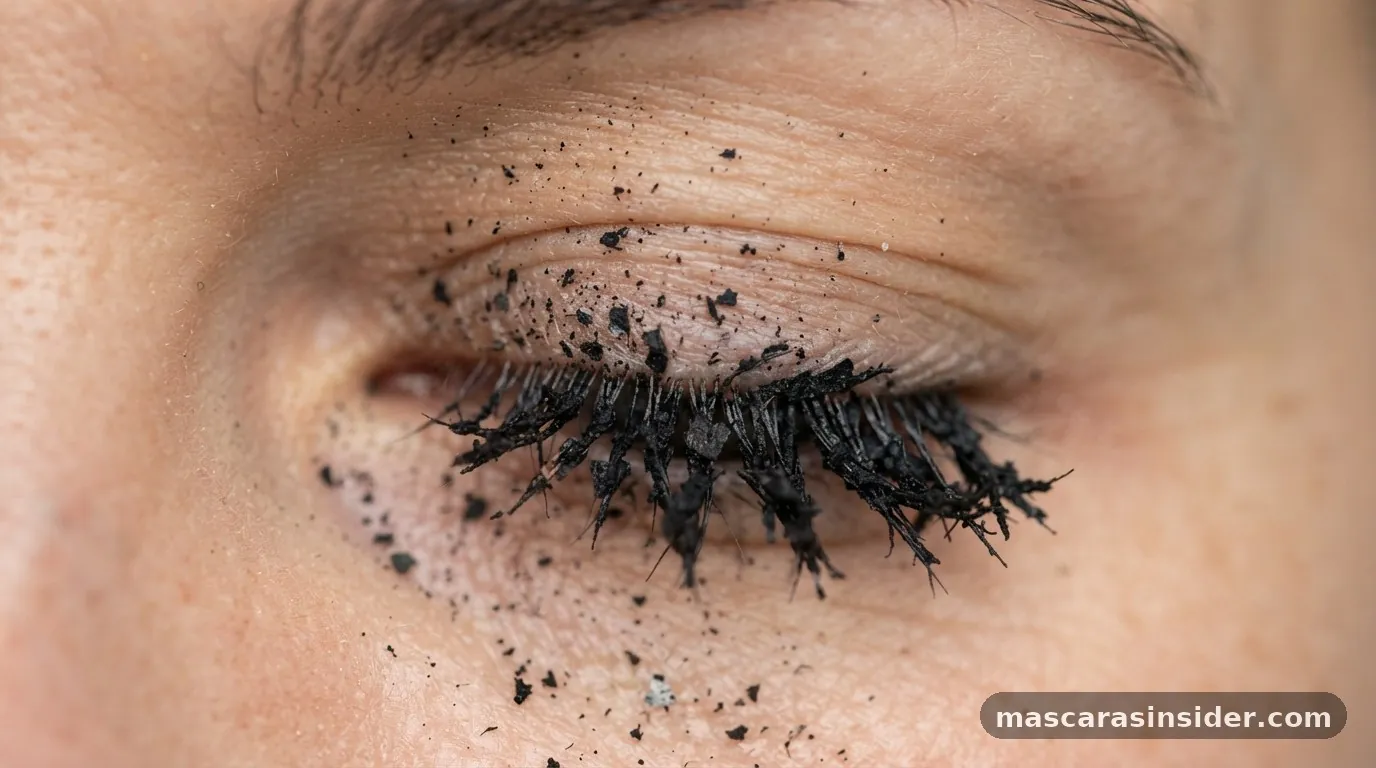
When you sleep with mascara on, the primary consequence is the physical hardening of your lashes. Mascara formulas are designed to cling to the hair shaft, and as they dry, they become rigid.
1. As you toss and turn during the night, your eyelashes rub against your pillowcase. Because the mascara has made them brittle, this friction causes them to become weak and prone to snapping.
2.
Eyelashes have a natural growth cycle, but they are not immune to mechanical stress. Continuous pressure against a pillow while wearing heavy, dried-on product accelerates shedding.
3.
Over time, this daily or even occasional trauma can lead to thinner, shorter lashes that appear sparse. You aren’t just losing the length you gained from the product; you are actively damaging the structural integrity of your natural hair.
The reality is that your lashes need to be flexible to survive the day. By forcing them to remain stiff for eight hours of sleep, you are essentially creating a recipe for breakage. Many people assume that since they only do it occasionally, the damage is negligible.
However, the cumulative effect of these “lazy nights” manifests as a noticeable thinning of the lash line over months. If you find your lashes look shorter or less voluminous than they used to, your nightly habits might be the culprit.
Clogged Follicles and Ocular Irritation
The skin around your eyes is some of the thinnest on your entire body, and it houses numerous tiny hair follicles that require a clean environment to function properly.
The risk of blocked pores
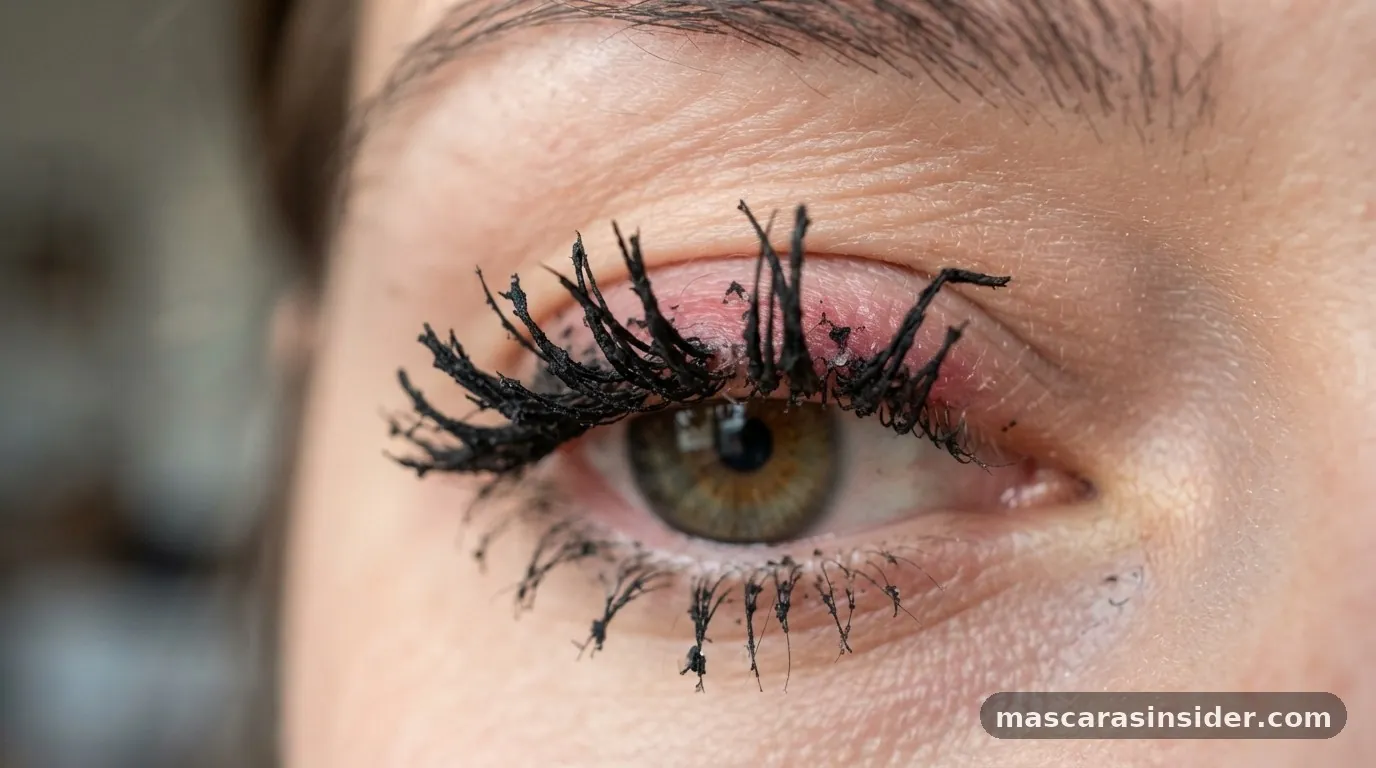
The follicles at the base of your eyelashes are responsible for secreting oils that keep your eyes lubricated. When you leave eye makeup on, these particles migrate into the follicle openings. This creates a physical blockage, effectively trapping debris, bacteria, and sebum. When these follicles become clogged, you risk developing styes or chalazia—painful, red bumps that occur when the oil glands are obstructed.
Chemical exposure and sensitivity
Beyond the physical blockage, the chemical composition of mascara can cause significant irritation. Most mascaras contain waxes, pigments, and preservatives that are safe for daytime wear but are not intended to sit against the skin for extended periods. When these substances remain in contact with your eyelids, they can cause inflammation, redness, and a gritty feeling in the eyes. If you are prone to contact lens use, this risk is magnified, as trapped makeup particles can easily get under the lens, leading to corneal scratches or severe infections. For more information on maintaining eye health, you can consult the American Academy of Ophthalmology guidelines on cosmetic safety.
Skin Health and Pore Congestion
While we often focus on the eyelashes themselves, the skin surrounding the eyes is equally vulnerable to the effects of overnight makeup wear.
- The skin around the eyes is highly porous and prone to absorbing residues from cosmetics.
- Leaving mascara on often involves leaving residual eyeliner and foundation as well, which compounds the issue.
- Pores around the eyes can become easily clogged, leading to the formation of milia or small, stubborn bumps.
- Ongoing irritation from makeup residues can weaken the skin barrier, leading to premature fine lines.
- Acne-prone individuals may notice an increase in breakouts along the orbital bone if they fail to remove eye makeup before bed.
When you neglect to remove your makeup, you are essentially suffocating your skin. The skin undergoes a renewal process while you sleep, shedding dead cells and producing collagen. If the surface is coated in a layer of mascara and other cosmetics, these natural processes are hindered.
This can result in a dull, lackluster appearance the next morning. Furthermore, the pigment in mascara can settle into the fine lines around your eyes, making them appear deeper and more pronounced. It is a vicious cycle where the product meant to enhance your features ends up accelerating the signs of aging.
Comparing Overnight Makeup Habits
It is helpful to look at how different types of makeup affect your skin and hair when left on overnight. While mascara is particularly harsh due to its bonding agents, other products carry their own set of risks.
| Makeup Type | Primary Overnight Risk | Severity |
|---|---|---|
| Mascara | Lash breakage and follicle clogging | High |
| Foundation | Pore congestion and acne | Moderate |
| Lipstick | Dehydration and chapping | Low |
| Eyeliner | Conjunctival irritation and styes | High |
As the table illustrates, eye-specific products like mascara and eyeliner carry the highest risk profile because they are applied to the most delicate and functionally important areas of the face. While foundation may lead to a breakout, that is a superficial issue compared to the potential for eye infections or permanent damage to your lash follicles. Understanding the relative risks can help you prioritize which parts of your routine are non-negotiable when you are exhausted.
The Cumulative Effect of Routine Neglect
Consistency is the cornerstone of skin care, and the habit of sleeping with mascara on can have a compounding negative effect. If you skip the cleansing step every night, you are effectively layering new product over old, crusty residue the next morning.
4. This buildup creates a breeding ground for bacteria, which thrive in the warm, moist environment of the eye area.
5.
Over time, this can lead to chronic inflammation of the eyelid margin, a condition known as blepharitis.
6. Symptoms include itchy, swollen, and red eyelids that are often difficult to treat without professional intervention.
The “every night” approach to makeup removal isn’t just about vanity; it is a fundamental pillar of hygiene. When you fail to remove makeup, you are essentially asking your skin to perform its nighttime repair while fighting off foreign particles.
This stress on the skin barrier can lead to a compromised complexion that looks tired, feels tight, and is more susceptible to environmental pollutants during the day. If you struggle with the routine, consider keeping makeup wipes on your nightstand—while not as effective as a proper double cleanse, they are a better alternative than leaving the product on until morning.
How to Properly Manage Your Eyelashes
If you find that you have accidentally slept in your mascara, it is vital to handle the cleanup process with care. You cannot simply scrub your eyes to remove the hardened product, as this will pull out your lashes.
The gentle removal process
Start by using an oil-based makeup remover or a micellar water specifically formulated for waterproof makeup. Apply a saturated cotton pad to your closed eyelid and hold it there for thirty seconds. This allows the product to break down the bond between the mascara and your lash hair. Once the mascara has softened, gently swipe downward. Do not pull or tug. If the mascara is particularly stubborn, repeat the process rather than increasing the pressure.
Post-removal care
After the makeup is gone, your lashes and the surrounding skin will likely be dry. Applying a nourishing lash serum or a tiny amount of castor oil can help restore moisture and encourage healthy growth. By prioritizing this post-exposure care, you can mitigate some of the damage caused by the overnight neglect. Remember that your eyelashes are a reflection of your overall health; treating them with the same care you give your skin will pay dividends in their appearance and longevity.
Frequently Asked Questions
What should I do if I accidentally sleep with mascara on?
Don’t panic, but clean it off immediately upon waking. Use a gentle oil-based cleanser to soften the hardened mascara before wiping it away. Avoid rubbing or pulling on your lashes, as they are likely brittle and prone to breakage. Apply a soothing eye cream afterward.
Is it bad to leave mascara on for more than one night?
Yes, it is significantly worse. Leaving mascara on for multiple days drastically increases the risk of bacterial infections, such as conjunctivitis or styes. The buildup of product can permanently block your oil glands and cause severe irritation, redness, and potential damage to your natural lash follicles.
Are eyelashes healthier without mascara?
Generally, yes. Giving your lashes a break from mascara allows them to remain flexible and prevents mechanical damage. While modern mascaras are formulated to be safer, no product is designed to be worn 24/7. Regular “makeup-free” days or nights allow your follicles to breathe and recover.
How can I make my nighttime routine easier?
Keep a pack of gentle makeup remover wipes on your nightstand for those nights when you are too tired to reach the bathroom sink. While a full double-cleanse is ideal, using a wipe is a far superior option to going to sleep with a full face of makeup.