
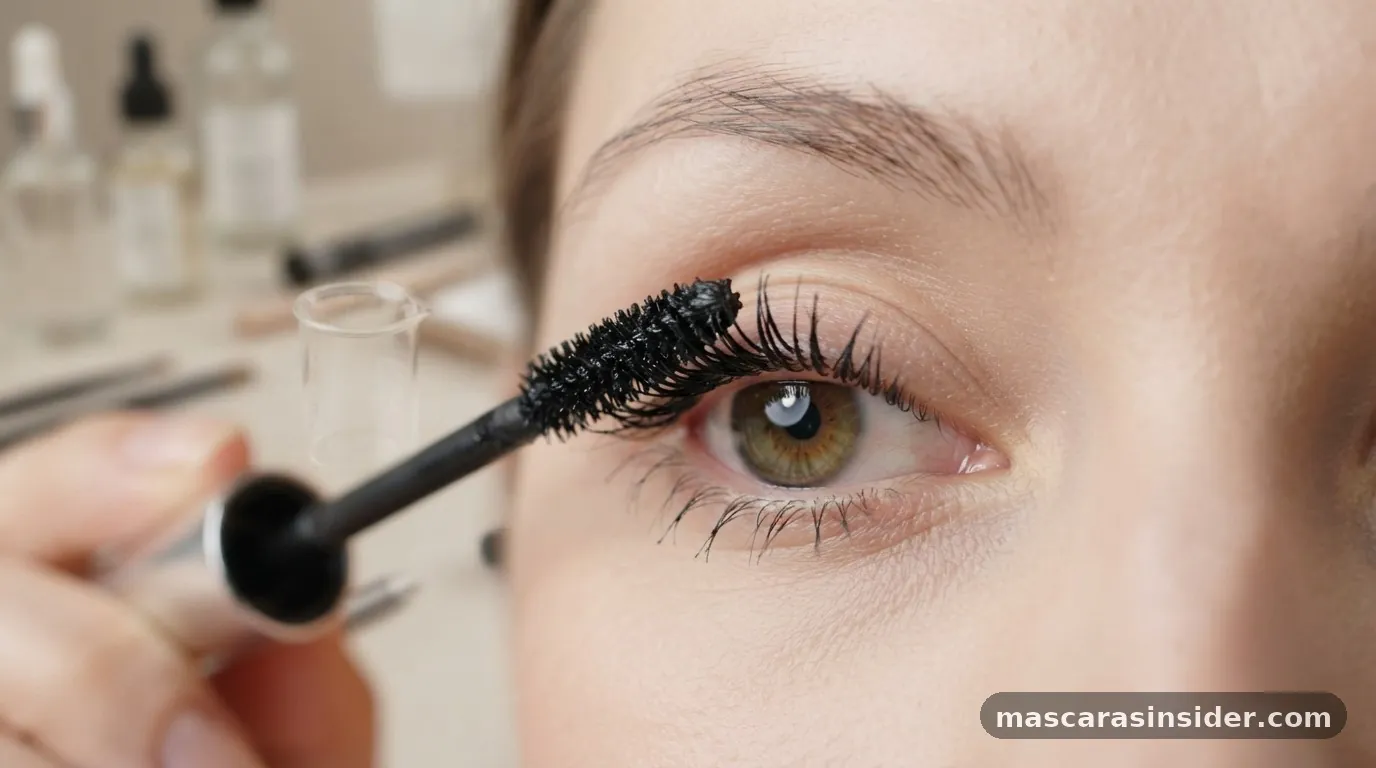
Finding yourself reaching for eye drops or rubbing your lids halfway through the day is a frustrating experience, especially when you were just trying to look your best. Many people wonder why does mascara irritate my eyes, and the reality is that the delicate tissue around your peepers is incredibly susceptible to chemical sensitivities and environmental factors. Your eyes aren’t just windows to the soul; they are complex biological systems that react poorly when foreign substances—even those designed for beauty—compromise their natural balance.
If you find your lids red, itchy, or stinging after applying your favorite wand, you aren’t alone. It is a common issue that often stems from a mismatch between your unique biological makeup and the formulation of the product.
Identifying the Common Culprits in Mascara Ingredients
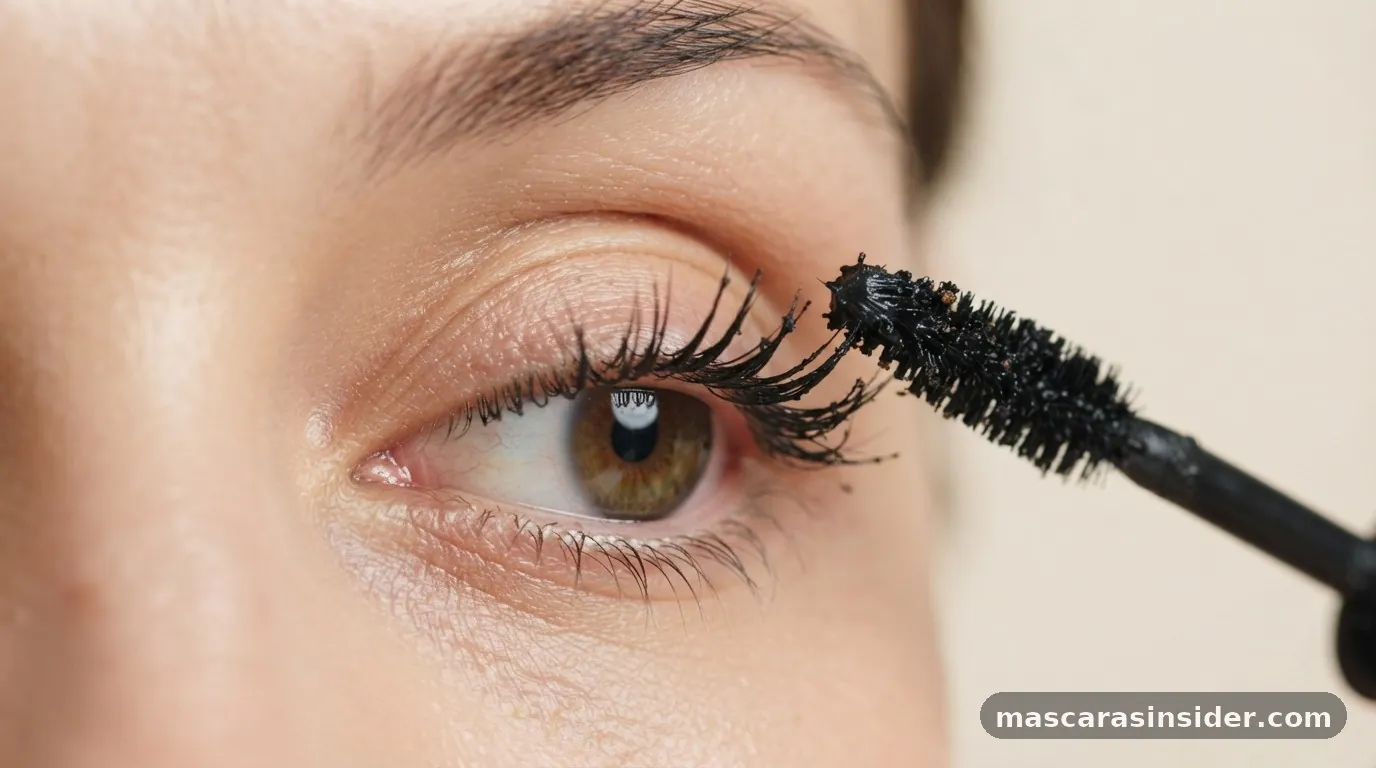
The primary reason for discomfort is often the chemical cocktail found inside the tube. Modern eye makeup is formulated with a mix of waxes, pigments, polymers, and preservatives, all of which can trigger eye irritation if your body decides it doesn’t like them. Because the skin around the eyes is the thinnest on the human body, it absorbs these substances more readily than the skin on your cheeks or forehead.
1. Preservatives like parabens or formaldehyde-releasing agents are notorious for causing contact dermatitis.
2. Synthetic fragrances, even in tiny amounts, can lead to a stinging sensation or watery eyes.
3.
Heavy pigments, such as iron oxides or carbon black, might be fine for most, but for someone with sensitive eyes, they can act as physical irritants if they flake off into the eye.
4. Volatile organic compounds (VOCs) that help mascara dry quickly can evaporate near the eye, causing a burning sensation.
When you apply these substances, they don’t just sit on your lashes. They migrate. Throughout the day, the heat from your face and the natural oils produced by your skin cause the product to break down slightly.
If you have sensitive skin, even a mild formulation can feel aggressive. If you are experiencing a persistent reaction, you should look at the ingredient list on your current tube and compare it against products that have caused you trouble in the past. Identifying a recurring chemical trigger is the first step toward finding a product that won’t ruin your day.
The Impact of Dry Eye and Environmental Factors
Your eye health plays a massive role in how you tolerate cosmetics. If you already suffer from dry eye syndrome, your tear film is likely unstable.
A healthy tear film acts as a protective barrier, flushing out debris and keeping the ocular surface lubricated. When that film is compromised, your eyes lose their ability to defend themselves against the fine particles of pigment that inevitably flake off your lashes.
When you apply mascara to a dry ocular surface, the product interacts with the lack of moisture, creating a gritty feeling. This is why you might notice that the irritation feels worse in the afternoon than it does when you first apply your makeup.
The combination of air conditioning, screen time, and low humidity exacerbates these issues. If your eyes are already parched, they become hyper-sensitive to the physical weight and chemical composition of the mascara.
How to mitigate environmental irritation
- Keep your workspace hydrated with a humidifier to prevent your eyes from drying out further.
- Avoid applying mascara all the way to the root of your lashes, which keeps the product further from the waterline.
- Use a high-quality, preservative-free artificial tear to lubricate your eyes before applying your makeup.
- Consider switching to a tubing mascara, which creates tiny water-resistant polymers around each lash rather than painting them with traditional waxes.
The Relationship Between Mascara and Contact Lenses
If you wear contacts, you are playing a much higher stakes game with your eye health. Lenses act like a sponge, potentially absorbing chemicals or oils from your makeup. This is a common reason why someone might ask, “why does mascara irritate my eyes?” only to realize the issue isn’t the mascara itself, but how it interacts with the lens material.
When tiny particles of mascara flake into the eye, they get trapped between the lens and the cornea. Because the lens is sitting directly on the surface of your eye, that particle can cause a significant abrasion or a sustained chemical burning sensation. This is not just uncomfortable; it can lead to serious infections if the lens is scratched or if bacteria from the makeup wand are introduced to the space behind the lens.
Best practices for contact lens wearers
| Action | Reasoning |
|---|---|
| Insert lenses before makeup | Prevents makeup from getting trapped behind the lens during application. |
| Choose oil-free formulas | Oils can coat the lens, clouding your vision and attracting bacteria. |
| Replace mascara every 3 months | Reduces the risk of bacterial buildup that can cling to your lenses. |
| Use water-based products | These are generally easier to remove and less likely to stain or coat lenses. |
Allergic Reactions vs. Simple Sensitivity
It is vital to distinguish between a true allergy and general sensitivity. An allergic reaction to makeup products often involves swelling, redness, and intense itching that persists even after you wash the product off. If you notice your eyelids puffing up or developing a rash, you are likely dealing with an immune system response rather than just surface-level irritation.
In contrast, sensitivity is usually a functional issue. It is your eyes telling you that the environment has become hostile. Perhaps the product is too old, or you have a small scratch on your cornea.
If you suspect an allergic reaction, stop using the product immediately and consult a healthcare professional. You can visit the American Academy of Ophthalmology to learn more about how to maintain ocular health and when to seek medical advice for persistent symptoms.
5. Keep a journal of which products cause irritation to identify specific patterns.
6.
Patch test new products on your inner forearm for 24 hours before applying them near your eyes.
7. Always check the expiration date, as degraded preservatives are a frequent cause of unexpected reactions.
When Your Vision is at Stake
Your vision is the most precious sense you have, and it should never be compromised for the sake of beauty. If you notice blurry vision, light sensitivity, or persistent pain, it is time to take a break from all eye makeup.
Sometimes, the issue is not the product, but the method of applying it. If you are aggressive with your lash brush or if you tend to poke your eye during application, you could be causing micro-traumas to the conjunctiva.
Furthermore, if you have had any form of surgery on your eyes—such as LASIK or cataract removal—your eyes will be significantly more sensitive during the healing process. In these cases, you must make sure that you are using only ophthalmologist-tested, hypoallergenic products.
Even a small amount of residue can cause major discomfort when your eyes are in a post-surgical state. Always follow the specific aftercare instructions provided by your surgeon, as they will have a timeline for when it is safe to reintroduce eye makeup into your daily routine.
Solving the Problem: How to Choose the Right Product
The journey to finding a mascara that works for your sensitive eyes is often one of trial and error. The goal is to minimize the number of ingredients while maximizing the performance of the product.
Look for labels that specifically mention being “ophthalmologist-tested” or “hypoallergenic.” While these terms are not strictly regulated in every jurisdiction, they often indicate that the manufacturer has taken extra steps to remove known irritants.
8. Switch to a formula that is specifically designed for sensitive eyes, often labeled as “gentle” or “minimalist.”
9. If you have oily skin, use a primer on your eyelids to prevent the mascara from smudging and migrating into your eyes.
10.
Use a gentle, oil-based makeup remover to ensure every last trace of mascara is gone before you sleep, as residue left overnight is a leading cause of morning irritation.
11. Clean your makeup brushes and tools regularly to prevent the transfer of bacteria and old, dried-up makeup particles.
When you are choosing a new product, prioritize those with fewer ingredients. A long, complex list of chemicals usually increases the mathematical probability that one of those substances will trigger a reaction. Focus on simple, effective formulas that provide the look you want without the extra “fluff” that often causes the burning or itching you are trying to avoid.
Frequently Asked Questions
Why does my mascara burn when I cry?
Tears are saline, and when they mix with the chemicals and pigments in your mascara, they can create a stinging solution that irritates the ocular surface. The moisture causes the mascara to break down, allowing particles to wash directly into the eye, which creates a burning sensation.
Can expired mascara cause eye irritation?
Yes, absolutely. Once a tube is opened, it is exposed to bacteria from your lashes and the air. After three months, the preservatives inside the mascara lose their effectiveness, allowing bacteria to grow, which can lead to infections, redness, and significant discomfort for the user.
What are the symptoms of a mascara allergy?
Common symptoms include redness, swelling of the eyelids, intense itching, burning sensations, and watery eyes. In more severe cases, you might notice flaky or dry skin around the eye area. If you experience these symptoms, stop using the product immediately and rinse your eyes with clean water.
Is there a specific mascara for sensitive eyes?
Yes, look for products labeled as hypoallergenic or ophthalmologist-tested. These formulas typically avoid harsh fragrances, parabens, and certain heavy dyes. Tubing mascaras are also excellent for sensitive eyes because they don’t flake or smudge, staying securely on the lashes until you wash them off with warm water.