

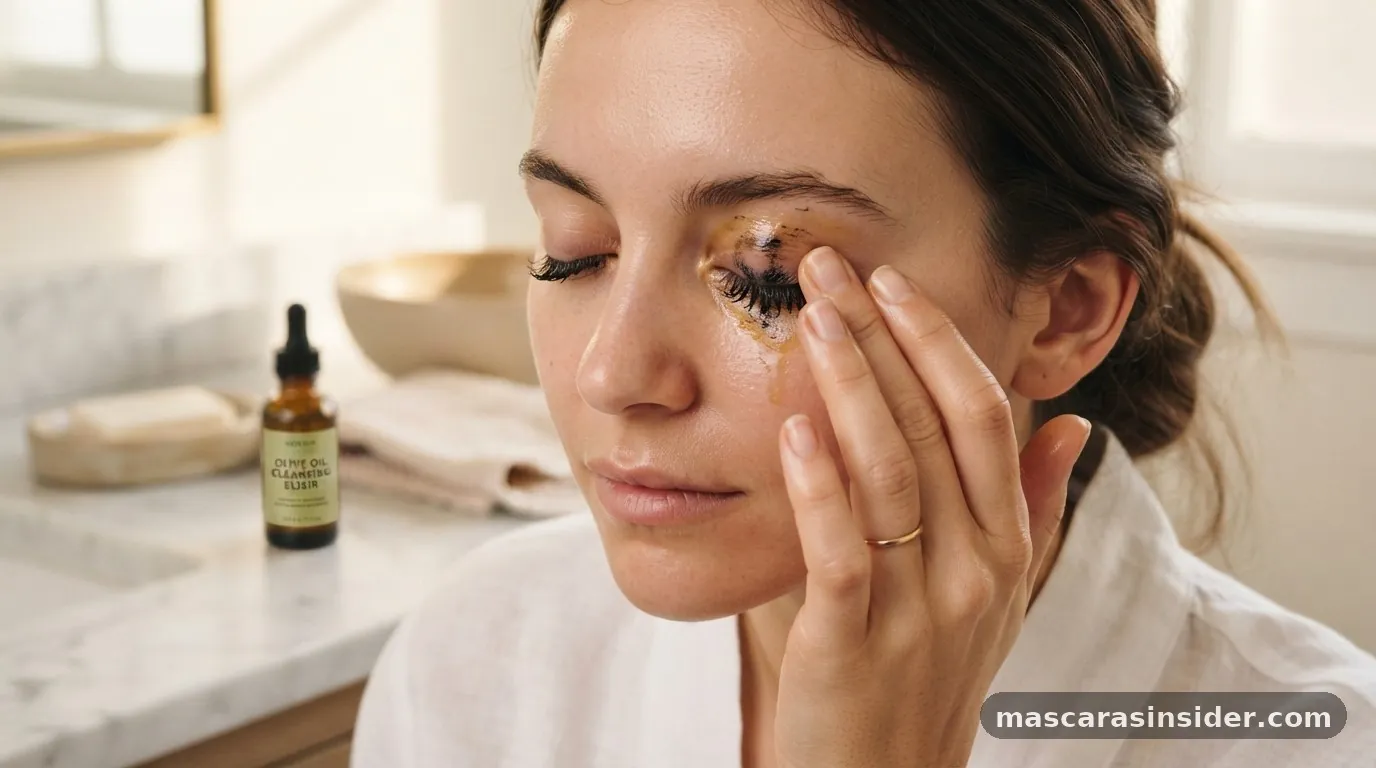
Finding yourself without a dedicated makeup remover when it’s time to hit the pillow is a common frustration. You might be traveling, ran out of your favorite cleansing balm, or simply forgot to restock.
Fortunately, your bathroom and kitchen cabinets are likely stocked with effective alternatives that can safely remove even the most stubborn mascara. Learning how to take mascara off without makeup remover requires a bit of finesse to avoid irritation, but it is entirely achievable with the right household items.
The skin around your eyes is the thinnest and most delicate on your face. Because of this, you cannot simply scrub away at your lashes with a harsh washcloth. Doing so risks physical damage to the follicles and can lead to premature wrinkles or broken capillaries.
Instead, you need to soften the formula of the product first, allowing it to slide off the hair shaft without tugging. Whether you are dealing with standard daily wear or heavy-duty waterproof varieties, there is a gentle solution waiting for you.
Using Natural Oils for Effective Removal
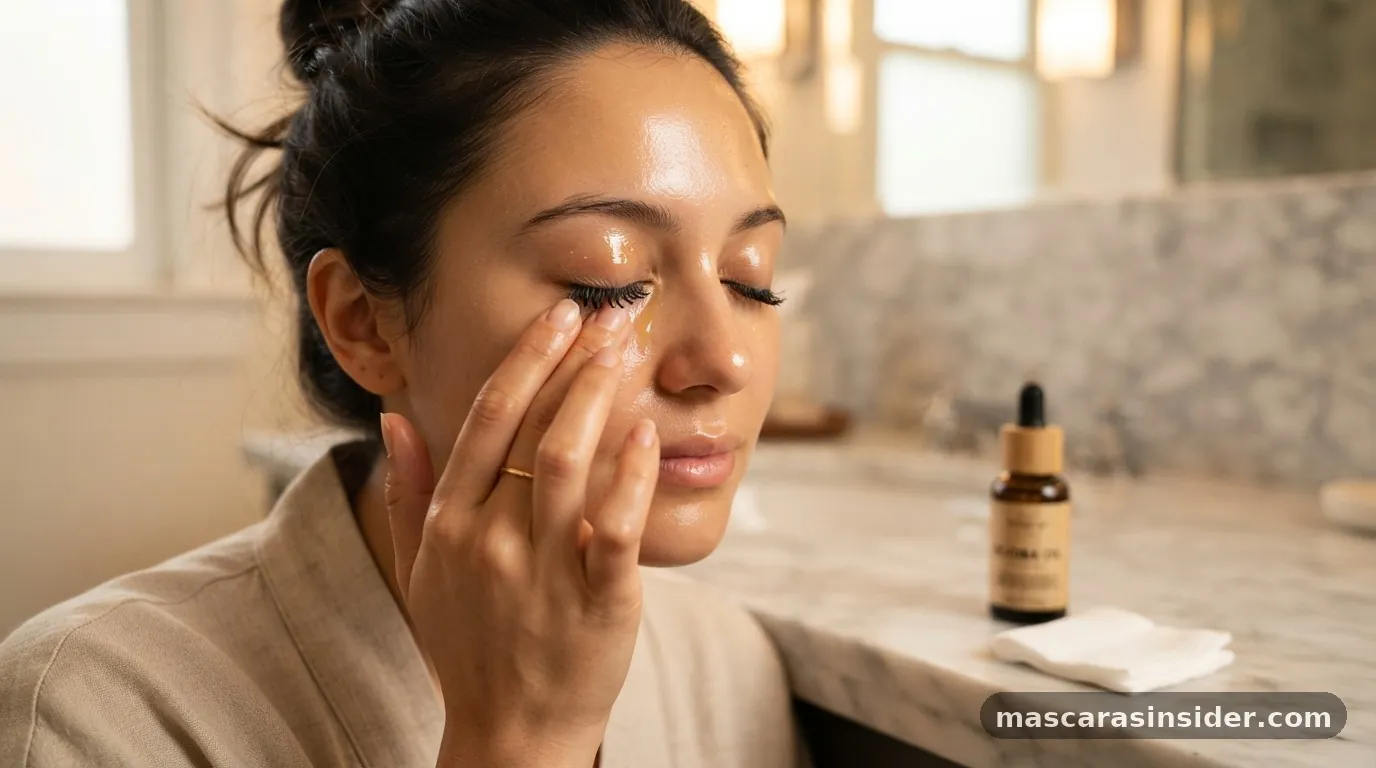
The most effective way to dissolve mascara without commercial products is to use a natural oil. Oil-based substances break down the waxes and polymers found in most lash products. By applying a small amount of oil to your lashes, you can essentially melt the pigment away.
1. Coconut oil is often cited as the gold standard for this process. Take a tiny amount of solid oil and warm it between your fingertips until it turns into a liquid.
2. Gently massage the oil onto your closed eyelids, focusing specifically on the lash line where the product has built up.
3.
Keep your eyes closed firmly to prevent the oil from entering your vision, as this can cause temporary cloudiness.
4. Let the oil sit for about sixty seconds. This dwell time is crucial because it allows the lipids to loosen the stubborn bonds of the waterproof formula.
5.
Take a clean, damp cotton pad or a soft cloth and wipe downward in the direction of your hair growth.
6. Repeat this process until no black residue remains on your skin.
It is important to choose an oil that is non-comedogenic if you are prone to breakouts. While coconut oil is effective, some people find it too heavy for their skin type.
If you have oily or acne-prone skin, consider using jojoba oil or sweet almond oil instead, as these are lighter and less likely to clog pores around the orbital bone. Always ensure the oil is food-grade or cosmetic-grade to avoid introducing contaminants into your ocular area.
The Role of Gentle Cleansing Techniques
Even when you don’t have a specialized cleanser, you likely have a mild face wash or baby shampoo that can get the job done. The key here is to avoid anything with strong fragrances or exfoliating beads, which can cause significant irritation if they get into your eyes.
When using a standard facial wash, the technique is slightly different from using oil. You want to create a gentle lather in your palms first. Apply the suds to your lashes with your ring finger—this finger naturally applies the least amount of pressure, making it the safest tool for the job.
Gently tap the suds onto the lashes and let them sit for a moment. This helps to lift the product away from the surface of the eye.
Rinsing is where most people make mistakes. Avoid splashing hot water directly onto your face, as this can cause the makeup to smear and create a “raccoon eye” effect that is harder to clean up later. Instead, use lukewarm water and a soft cloth to gently wipe the area.
If you are struggling to remove a particularly stubborn coat, do not be tempted to pick at your lashes. Picking can result in lash loss and damage to the root, which can take weeks to recover from.
Patience is the best approach. According to the American Academy of Ophthalmology, maintaining proper hygiene around the eyes is essential for preventing infections like conjunctivitis or styes.
Comparing Removal Methods
Selecting the right method depends on what you have available and the type of product you applied during the day. The following table breaks down the effectiveness and safety of common household alternatives.
| Method | Best For | Ease of Use | Potential Risks |
|---|---|---|---|
| Coconut Oil | Waterproof Mascara | High | Clogged pores |
| Baby Shampoo | Standard Mascara | Medium | Eye stinging |
| Jojoba Oil | Sensitive Skin | High | None |
| Warm Water Only | Tubing Mascara | Very High | Incomplete removal |
Each of these methods has its place in your routine. For example, if you are wearing a “tubing” mascara, you actually do not need oil at all. These formulas are designed to slide off with just warm water and a little bit of pressure.
Knowing what kind of formula you are using is half the battle. If your mascara doesn‘t budge with water, it is likely a wax-based formula that requires an oil-based solvent to dissolve properly.
Managing Waterproof Formulations
Removing waterproof products is notoriously difficult because they are designed to resist moisture. When you find yourself without a dedicated makeup remover, you might feel like you are stuck. However, if you have a petroleum-based jelly like Vaseline, you have a potent tool at your disposal.
Petroleum jelly is a heavy-duty occlusive that can break down even the most resilient lash pigments. Apply a very thin layer to your lashes using a clean spoolie or your fingertip.
Be extremely careful not to get the jelly inside your eyeball, as it can cause a blurred film that takes a while to wash out. Once the jelly is applied, let it sit for two minutes.
The heavy texture of the jelly creates a barrier that softens the waterproof coating. After the wait, take a soft, dry tissue and gently swipe over your lashes. You will notice the mascara coming off in clumps rather than smearing.
This is a sign that the method is working. After you have cleared the bulk of the pigment, follow up with a gentle face wash to remove the remaining greasy residue. If you leave the petroleum jelly on your skin overnight, you might wake up with puffy eyes, so a quick rinse is non-negotiable.
Common Mistakes to Avoid
Many people inadvertently cause harm to their eyes while trying to clean them. One of the most frequent errors is using a rough towel to scrub the face.
The skin around the eyes is incredibly thin and lacks the oil glands found elsewhere on the face, making it prone to dehydration and fine lines. When you scrub, you are essentially creating friction that damages the skin barrier.
Another common mistake is failing to remove the product entirely before going to sleep. Leaving mascara on your lashes overnight can cause them to become brittle and eventually break. Furthermore, the pigment can migrate into the eye while you sleep, leading to irritation or even blocked oil glands, which can result in painful styes.
* Avoid using harsh soaps or dish detergents, as these can strip the natural oils from your skin and cause severe stinging.
* Don’t use cotton balls that leave behind lint, as these fibers can get trapped in your lash line and cause inflammation.
* Never pull or tug at your lashes; if a clump of mascara is stuck, use more oil to loosen it rather than physical force.
* Always ensure your hands are clean before touching your eye area to avoid transferring bacteria.
By following these guidelines, you can ensure that your eye area remains healthy and hydrated, even when you are caught without your usual supplies. Remember that the goal is to lift the product, not to abrade the skin.
Why Consistency Matters for Eye Health
Your daily habits determine the longevity and health of your lashes. While knowing how to take mascara off without makeup remover is a great skill for emergencies, it should not replace a high-quality, gentle cleansing routine in the long run.
If you find yourself frequently running out of product, consider investing in a double-cleansing regimen. This involves using an oil-based cleanser first to break down makeup, followed by a water-based cleanser to remove any residue.
Consistency is key. If you are diligent about removing your eye makeup every single night, you will notice that your lashes feel stronger and less prone to breakage over time.
If you wear waterproof mascara daily, you may also want to use a lash serum or a light coating of castor oil before bed to nourish the hair follicles. These small steps prevent the cumulative damage that often comes from daily makeup wear.
If you ever experience persistent redness, itching, or swelling after removing your makeup, it may be a sign that you have an allergy to an ingredient in your mascara or the removal method you are using. In such cases, stop using the product immediately and consider switching to a hypoallergenic or “clean” beauty brand. Your eyes are a vital sense organ, and the skin around them deserves the same level of care as the rest of your body.
Frequently Asked Questions
Can I use baby oil to take off mascara?
Yes, baby oil is a safe and effective way to remove mascara. It is essentially mineral oil, which is excellent at dissolving stubborn pigments. Simply massage a small amount onto your lashes, let it sit for a minute, and wipe it away with a damp cloth.
Is it bad to leave mascara on overnight?
Yes, leaving mascara on overnight is harmful. It can cause your lashes to become dry and brittle, leading to breakage. Additionally, the residue can migrate into your eyes, causing irritation, redness, or even potential infections like styes or blocked follicles due to trapped debris.
What is the easiest homemade makeup remover?
The easiest homemade remover is high-quality olive or jojoba oil. These oils are gentle on the skin, effectively break down waterproof formulas, and provide extra moisture to the delicate eye area. Just ensure you wash your face afterward to remove any excess oiliness.
What happens if I can’t get all the mascara off?
If a tiny amount of residue remains, it is usually harmless. However, if you leave a thick layer, it can cause your lashes to clump and snap. If you struggle to remove it, try using a warm, damp washcloth to gently steam and soften the remaining product.