If you have ever wondered whether is mascara made with bat poop, you are certainly not alone in your curiosity. This enduring urban legend has circulated online forums and school hallways for decades, leaving many beauty enthusiasts questioning the safety and origin of their favorite eye enhancements. Sorting fact from fiction helps demystify what actually goes into daily cosmetics.
While the rumor sounds bizarre, it stems from a genuine misunderstanding of specific organic compounds used in the manufacturing process. Understanding the true ingredients behind popular mascaras reveals a fascinating intersection of chemistry, wildlife, and historical beauty practices without needing to fear wildlife waste near your eyes.
The Origin of the Urban Legend
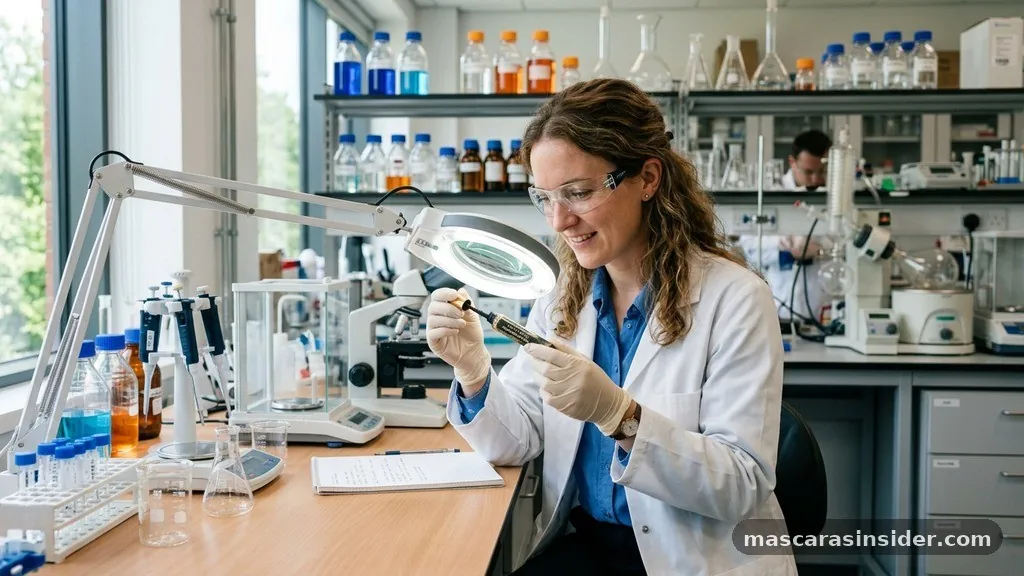
The persistent myth that mascara made with bat poop exists usually points back to a specific chemical compound called guanine. Because guanine sounds vaguely like the word guano, which is a term for animal droppings, internet rumors quickly connected the dots in the most dramatic way possible. This linguistic coincidence fueled countless chain emails and social media posts over the years.
In reality, guanine is a natural nucleic acid found in the DNA and RNA of all living organisms, from plants to humans. While it can be harvested from certain animal sources for its shimmering properties, it has nothing to do with waste products. The chemical structure provides a brilliant, pearlescent sheen that early beauty chemists wanted to replicate for dramatic lashes.
Misinformation often spreads in the beauty industry because consumers want to know exactly what they are putting on their bodies. When complex chemical names are simplified or misheard, wild theories easily take root. Realizing how these misunderstandings start allows shoppers to evaluate their makeup routines with confidence rather than panic.
What Guanine Actually Does in Cosmetics
To understand why this compound is associated with beauty products, it helps to examine its specific function within formulations. Guanine acts as a shimmering agent that reflects light, creating a sparkling or luminous effect in various items. In eye-enhancing formulas, it helps catch the light to make the eyes appear brighter and more awake.
Historically, this shimmering substance was harvested from fish scales, specifically through a process that collected the iridescent layer found on the skin of certain pelagic fish. This material, known as pearly essence, has been utilized by the industry for a very long time. Today, however, many manufacturers have shifted toward synthetic alternatives to achieve the exact same shimmering effect without relying on marine byproducts.
The following table breaks down common shimmer and pigment sources used in eye makeup formulations:
| Component | Traditional Source | Modern Alternative | Primary Function |
|---|---|---|---|
| Guanine | Fish scales | Synthetic crystals | Adds pearlescent shimmer |
| Carbon Black | Combustion of hydrocarbons | Iron oxides | Provides intense dark pigmentation |
| Carmine | Cochchineal insects | Red synthetic dyes | Delivers rich red or pink hues |
Common Ingredients Found in Modern Tubes
Looking past the urban legends, standard formulations are actually a careful blend of waxes, oils, water, and pigments designed to coat and lengthen individual hairs safely. The primary goal of any product in this category is to darken, thicken, and hold the curl of fine facial hairs without causing irritation to the sensitive eye area.
A typical formulation relies on a balanced mixture of elements to achieve the right consistency and staying power:
- Waxes: Beeswax, carnauba wax, and paraffin provide structure and help the formula adhere to the hairs.
- Oils: Mineral oil, castor oil, and botanical oils keep the mixture smooth and prevent it from drying out inside the container.
- Pigments: Iron oxides and carbon black deliver the deep, opaque dark shades that define the look.
- Film-formers: Polymers like polyvinylpyrrolidone create a flexible coating that resists smudging and flaking throughout the day.
- Preservatives: Antimicrobial agents ensure the formula remains free from harmful bacteria during daily application.
For more detailed information on how regulatory bodies oversee these formulations, you can visit the U.S. Food and Drug Administration cosmetics guidance page. Regulatory oversight ensures that every substance introduced near the ocular region undergoes rigorous safety testing.
The Rise of Vegan and Cruelty-Free Alternatives
As consumer awareness around animal welfare has grown, many people actively seek out vegan options for their daily routines. Traditional formulations often relied on animal-derived substances like beeswax, lanolin, or animal-sourced pigments, prompting a major shift across the entire industry toward plant-based and synthetic ingredients.
Creating a completely plant-based formula requires innovative chemistry to replace traditional animal waxes and shimmer agents. Plant waxes derived from candelilla or bayberry plants now offer the same structural integrity and smooth application as beeswax. Meanwhile, synthetic mica and lab-created mineral crystals replicate the luminous finish previously sourced from fish scales.
Choosing a cruelty-free routine no longer means compromising on performance or longevity. Modern formulations match or exceed the staying power of older products while completely eliminating any ethical concerns regarding animal byproducts. This evolution proves that the industry listens closely to consumer demands for transparency and ethical sourcing.
Debunking Other Bizarre Makeup Myths
The rumor about poop mascara is just one of many strange stories that have plagued the beauty industry over the decades. Another persistent myth claims that daily eye enhancements are spun from spider legs, which is equally absurd and anatomically impractical for mass production. These myths persist because they play into sensationalist fears about everyday consumer goods.
Similarly, rumors often target other categories, such as suggesting that lipsticks contain fish scales or other peculiar animal secretions. While certain traditional pigments like carmine are derived from insects, major cosmetic companies are transparent about these inclusions on their ingredient labels. Regulatory compliance requires full disclosure, making hidden shocking substances virtually impossible in legal markets.
Separating sensationalism from scientific reality protects consumers from unnecessary anxiety. By learning to read ingredient labels and understanding basic chemical nomenclature, anyone can navigate the beauty aisle with complete peace of mind. The truth is almost always far more mundane—and much cleaner—than internet folklore suggests.
Addressing Topical Gaps and Safety Standards
A common gap in online discussions involves how strict safety regulations actually govern what goes into these formulations. Regulatory agencies evaluate every single component for potential toxicity, allergenicity, and microbial contamination before it ever reaches store shelves. This rigorous testing protocol ensures that accidental exposure or standard daily wear does not pose a health risk to the user.
Furthermore, the shelf life of these specific formulations is notoriously short compared to other beauty items, usually recommended for replacement every three months. This limitation exists because the dark, moist environment inside the tube can easily harbor bacteria once the protective seal is broken. Proper hygiene practices, such as never sharing tubes and discarding old containers, remain the most effective ways to protect eye health.
Understanding these rigorous standards provides reassurance that modern beauty routines are built on strict scientific safety protocols. The myth of wildlife waste in your makeup bag falls apart completely when exposed to the reality of modern laboratory testing and manufacturing oversight.
Frequently Asked Questions
Is there any animal waste in makeup?
No major commercial cosmetic brand uses animal waste in their formulations. While some products historically utilized natural waxes or pigments derived from animals, strict regulatory standards and modern chemistry have largely replaced these with safe, synthetic, or plant-based alternatives.
Where did the rumor about bat droppings come from?
The myth originated from a linguistic confusion involving the word guanine, a shimmering compound found in DNA and natural pearlescent agents, which sounds similar to guano, the term for bat or bird droppings.
What is guanine actually harvested from?
Historically, guanine used for its shimmering effect was harvested from the iridescent scales of certain fish. Today, however, most cosmetic manufacturers use synthetic alternatives created in laboratories to achieve the exact same pearlescent finish.
Are standard formulas safe for sensitive eyes?
Yes, standard formulations undergo rigorous ophthalmological and dermatological testing to ensure they are safe for daily use. However, individuals with specific sensitivities should always check the ingredient label for potential allergens.
Conclusion
The persistent myth that mascara made with bat poop rests entirely on a simple linguistic misunderstanding rather than any factual reality. Modern cosmetic chemistry relies on safe, tested ingredients like synthetic guanine, mineral pigments, and plant-based waxes to deliver stunning results safely. Maintaining a healthy beauty routine comes down to understanding what you put on your body and ignoring sensationalist internet rumors.