
Figuring out how long should you use mascara is essential for protecting your vision and maintaining a pristine beauty routine. Because this popular makeup product comes into direct contact with a sensitive eye area daily, understanding its functional lifespan prevents uncomfortable infections. Knowing when to discard an old mascara tube ensures your daily applications remain fresh, safe, and effective without hidden microbial risks.
Why Mascara Expires Faster Than Other Cosmetics
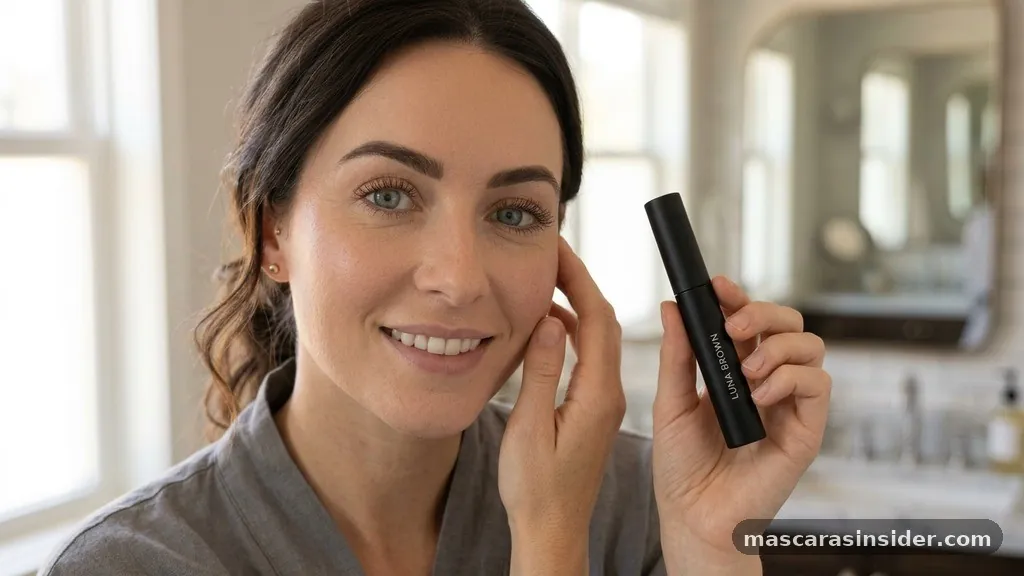
Unlike pressed powders or solid lipsticks, mascara lives in a dark, moist environment that creates an ideal breeding ground for microorganisms. Every single time you pull out the wand, you pump microscopic amounts of air and environmental debris straight into the inner reservoir. This repeated action introduces ambient moisture, skin cells, and microscopic dust directly into the dark liquid.
The liquid formula heavily relies on preservatives to keep microbial contamination at bay, but these chemical agents degrade over time. As the protective barriers break down, harmful pathogens multiply rapidly inside the dark tube. Applying this contaminated fluid day after day exposes your delicate ocular tissues to unnecessary hazards.
The Standard Timeline for Replacing Your Mascara
Dermatologists and cosmetic experts universally agree that you should replace mascara every three months after opening. While a brand-new product might still look and smell fine after ninety days, the internal chemistry changes significantly. Continuing to use the item past this window invites avoidable health complications.
If you wear mascara every single day, the physical depletion of the liquid naturally prompts a purchase around this milestone. However, even if you rarely open the packaging, the internal emulsion still separates and spoils once unsealed. Unopened tubes stored in cool places can sometimes last up to two or three years, but once you break the seal, the countdown begins immediately.
| Mascara Status | Recommended Lifespan | Key Risk Factor |
|---|---|---|
| Unopened & Sealed | 2 to 3 Years | Gradual formula separation |
| Opened & In Use | 3 Months | Rapid bacterial proliferation |
| Dried Out (Water Added) | Dispose Immediately | Severe contamination hazard |
Recognizing the Signs of Bacterial Growth and Spoiled Product
Long before you reach the three-month mark, your cosmetics might display distinct warning signs that indicate early spoilage. Paying close attention to physical changes in your makeup prevents accidental exposure to harmful pathogens. Bacterial growth often alters the consistency and scent of the liquid long before you notice any visible mold.
- An unusual chemical or sour smell replacing the original cosmetic fragrance
- Clumpy, thick textures that flake off onto your lashes immediately upon application
- Significant separation of oils and pigments that cannot be fixed by rolling the container
- Flaking, dryness, or a chalky appearance on the wand bristles
Risks Associated with Using Expired Eye Makeup
Ignoring expiration guidelines exposes your eyes to painful conditions such as conjunctivitis, styes, and severe corneal abrasions. Because the ocular surface is exceptionally vulnerable, introducing foreign microbes via contaminated products can lead to persistent irritation and inflammation. According to FDA guidelines on eye cosmetic safety, maintaining strict hygiene schedules is vital for preventing vision-threatening infections.
When you experience redness, itching, or swelling after applying cosmetics, discard the item instantly regardless of how long you have owned it. Continuing to paint your lashes with a compromised cosmetic prolongs the healing process if an infection takes hold. Prioritizing ocular health over cosmetic thriftiness is always the safest approach to personal grooming.
Addressing Common Topical Gaps and Misconceptions
Many beauty enthusiasts wonder if adding tap water or eye drops can revive a dried-out tube of cosmetic liquid. Doing so introduces ambient microbes straight into the reservoir, accelerating contamination and magnifying your risk of infection exponentially. If the liquid has lost its moisture, trying to salvage it is never worth the potential health hazard.
Another common dilemma involves balancing safety with the modern desire for zero waste practices in the beauty industry. While recycling beauty containers is admirable, hoarding old cosmetic tubes past their safe expiration date compromises your physical well-being. Instead of trying to stretch the lifespan of liquid eye products, practice sustainability by choosing brands that utilize recyclable packaging or refillable components.
Best Practices for Extending Product Cleanliness
Proper handling habits can help you maintain product integrity throughout its designated three-month lifespan. Never pump the wand up and down inside the container, as this forces excess air inside and dries out the liquid prematurely. Instead, gently swirl the brush inside the barrel to pick up the necessary amount of pigment.
Additionally, avoid sharing your eye cosmetics with friends, as this is the fastest way to transmit pathogens between different people. Keep your cosmetic storage area cool, dry, and away from direct sunlight to prevent the breakdown of chemical preservatives. Removing your cosmetics thoroughly every single night with a gentle cleanser also protects your eyelids from stubborn buildup and residue.
Frequently Asked Questions
How can I tell if my mascara has gone bad?
Expired tubes often develop a sharp, chemical, or sour odor, accompanied by a dry, clumpy texture that refuses to apply smoothly. If your eyes feel itchy or watery after application, discard the product immediately.
Can I use saliva or water to fix dried mascara?
Never add saliva, tap water, or eye drops to revive dried cosmetics. This introduces oral bacteria or environmental microbes directly into a dark, moist environment, creating a major infection hazard.
How long does unopened mascara last in storage?
An unopened, factory-sealed tube stored in a cool, dry environment can generally remain stable for two to three years. However, the countdown begins the moment you break the safety seal.
Does waterproof mascara expire faster than regular formulas?
Waterproof formulas have a similar three-month lifespan once opened, though their chemical composition makes them slightly more resistant to moisture damage while on the lashes.
Understanding how long should you use mascara protects your vision and ensures your daily beauty routine remains safe. By replacing your tubes every three months and watching out for warning signs, you can enjoy stunning lashes without compromising your health. Always prioritize cleanliness over sentimentality when it comes to the items touching your eyes.