
Figuring out how often should i replace mascara is essential for protecting your vision and keeping your cosmetic routine safe. Because this dark pigment sits directly along your lash line, any hidden microbes can easily transfer to delicate ocular tissues, leading to unexpected irritation or painful health issues.
Establishing a strict timeline for your favorite beauty items ensures you always apply a pristine, high-performing cosmetic. Let us explore the hidden timeline of your everyday cosmetic products and why that little tube needs to go sooner than you think.
The Hidden Timeline of Cosmetic Lifespans
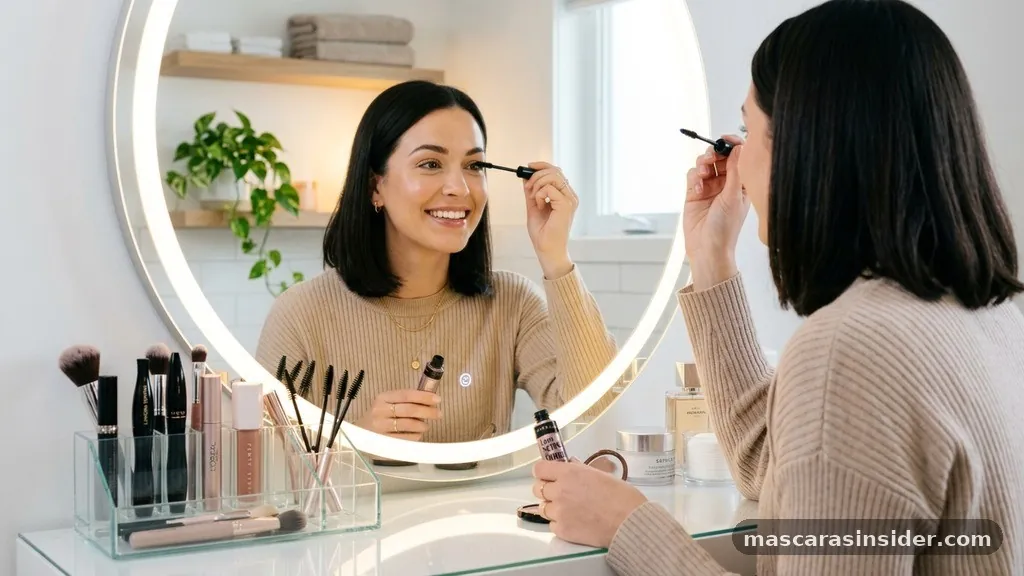
Most liquid eye makeup products feature a remarkably short shelf life once unsealed, primarily because the formulation creates a breeding ground for microorganisms. When you ask yourself how often should i replace mascara, the general consensus among dermatologists and beauty professionals points directly to a strict three-month limit. Unlike powder eyeshadows that stay dry, liquid formulations contain moisture and reside in dark, enclosed spaces.
Every single time you pull out the wand to coat your lashes, you introduce microscopic particles and environmental air into the chamber. Over weeks of daily use, these elements degrade the chemical preservatives inside the tube. Once those preservatives weaken, the product can no longer fight off contamination, meaning your old mascara becomes a literal playground for germs.
Why Liquid Formulas Harbor Microbes
The physics of liquid cosmetic containers practically invites contamination. Every stroke deposits natural skin oils and stray cells right back into the container, feeding any lurking germs.
- Moisture inside the chamber creates an ideal breeding ground for microorganisms.
- Pumping the applicator forces oxygen and dust deep inside the reservoir.
- Warm bathroom environments accelerate the breakdown of active preservatives.
- Frequent application transfers natural lash oils back into the fluid.
According to guidelines from the U.S. Food and Drug Administration, eye cosmetics carry the highest risk of contamination among all beauty products. This makes timely disposal a critical health habit rather than just a marketing suggestion.
Understanding the Risks of Expired Eye Cosmetics
Holding onto an expired cosmetic product past its prime invites serious trouble for your vision. When harmful microbes multiply inside an unsealed container, they do not just sit peacefully; they wait for an entry point. Bacterial growth in your eye makeup frequently leads to stubborn eye infections like conjunctivitis, styes, and painful corneal abrasions.
Many beauty enthusiasts try to stretch their budget by keeping cosmetics for six months or even a year, but this penny-wise, pound-foolish habit often results in costly doctor visits. The moment a formula changes its scent or texture, it’s time to discard it immediately. Ignoring these warning signs can lead eye health specialists to treat severe, lingering inflammations.
Common Symptoms of Contaminated Makeup Use
When you ignore the recommended replacement schedule, your eyes will often send warning signals that something is wrong. Catching these early signs prevents minor irritation from escalating into a full-blown medical emergency.
- Persistent morning crusting and unusual discharge around the lash line.
- Sudden redness, itching, or a burning sensation during or after application.
- Flaky particles falling into the eye during the day, causing scratches.
- A strange, chemical, or sharp sour odor emanating from the container.
Recognizing When Your Makeup Has Gone Bad
You should never rely solely on a calendar to determine when to toss your cosmetics, because environmental exposure can ruin a fresh tube ahead of schedule. When a formula begins to clump aggressively or turns completely dry and chalky, the water-to-wax ratio has failed. Trying to revive a dried-out cosmetic with water, eye drops, or facial oil is a dangerous mistake that injects fresh moisture and contaminants right back into the mix.
Whenever you notice a strange smell or find that your cosmetic applies unevenly, regularly auditing your makeup bag is the smartest move. Even if you bought the item just one or two months ago, harsh storage conditions in a hot, humid bathroom can spoil the contents prematurely. Keeping your cosmetic bag fresh requires constant vigilance and a willingness to toss items before you finish them.
Best Practices for Makeup Hygiene and Maintenance
Maximizing the lifespan of your beauty products requires adopting smart habits that minimize the introduction of outside germs. Never share your eye cosmetics with friends or family members, as this is the fastest way to cross-contaminate different bacterial strains directly onto your lashes. Furthermore, stop the bad habit of pumping the applicator up and down inside the tube; this action forces air inside, which oxidizes the ingredients and dries out the liquid much faster.
Instead of pumping, gently swirl the applicator around the inside walls of the container to pick up enough pigment for your lashes. Additionally, always remove your eye makeup completely before going to sleep to prevent any leftover residue from interacting with your fresh morning application. Storing your cosmetics in a cool, dry place away from direct sunlight will also help preserve the integrity of the active ingredients.
| Makeup Type | Recommended Lifespan | Key Contamination Risk |
|---|---|---|
| Liquid Eye Products | Every three months | High moisture leads to rapid microbial growth |
| Cream Foundation | Six to twelve months | Direct finger contact transfers skin oils |
| Powder Eyeshadow | One to two years | Dry environment inhibits bacterial survival |
| Lipstick | Twelve to eighteen months | Saliva exposure breaks down wax bases |
Navigating the Transition to Fresh Products
Transitioning to a new tube of eye makeup every quarter might feel wasteful, but viewing it as a health precaution changes the perspective entirely. Many makeup lovers find success by marking the opening date directly on the bottom of the tube with a fine-tip permanent marker. This simple trick takes away all the guesswork and ensures you never accidentally use an expired product near your sensitive optical tissues.
When replacing mascara becomes a routine habit, you will likely notice that your lashes look better and flake less throughout the day. A fresh cosmetic glides on smoothly without clumping, giving you a cleaner, more defined look with minimal effort. Building this quarterly audit into your seasonal calendar keeps your vanity organized and your eyes wonderfully healthy.
Addressing Common Misconceptions About Makeup Expiration
A widespread myth in the beauty community suggests that expensive luxury cosmetics last significantly longer than drugstore alternatives due to superior ingredients. In reality, chemical preservatives degrade at a similar rate regardless of price point, meaning a high-end tube is just as susceptible to contamination as a budget-friendly option. Another common belief is that if a product smells fine and looks normal, it must be completely safe to use past the recommended window.
Microbial contamination is often invisible to the naked eye, allowing colonies of microorganisms to thrive without altering the immediate color or consistency of the liquid. Understanding that expiration timelines are based on safety rather than just performance helps prevent unnecessary infections. By letting go of the urge to squeeze every last drop out of an aging tube, you protect your vision and maintain a truly hygienic beauty routine.
Frequently Asked Questions
How long should a standard tube of mascara last?
A standard tube of eye makeup should be replaced every three months after opening. Using a liquid cosmetic past this window dramatically increases the risk of bacterial contamination and subsequent eye irritation.
Can I add eye drops to revive dried-out mascara?
You should avoid adding eye drops, water, or oils to revive dry formula. Doing so introduces new moisture and bacteria into the container, which can lead to severe infections and ruined product performance.
Is it safe to use mascara past its expiration date if it smells fine?
Invisible bacterial growth and degraded preservatives make old eye cosmetics unsafe even if they smell normal. It is always best to prioritize eye safety and replace your products on schedule.
What happens if I accidentally use expired eye makeup?
Using expired eye makeup can cause redness, itching, swelling, or bacterial conjunctivitis. If you experience any persistent discomfort, stop using the product immediately and consult a healthcare professional.
Conclusion
Prioritizing eye safety by tracking how often should i replace mascara ensures your daily routine remains both beautiful and healthy. By tossing your favorite tubes every three months and adopting smarter hygiene habits, you can enjoy flawless lashes without compromising your well-being. Take a moment today to check your makeup bag, toss out any forgotten items, and refresh your routine.