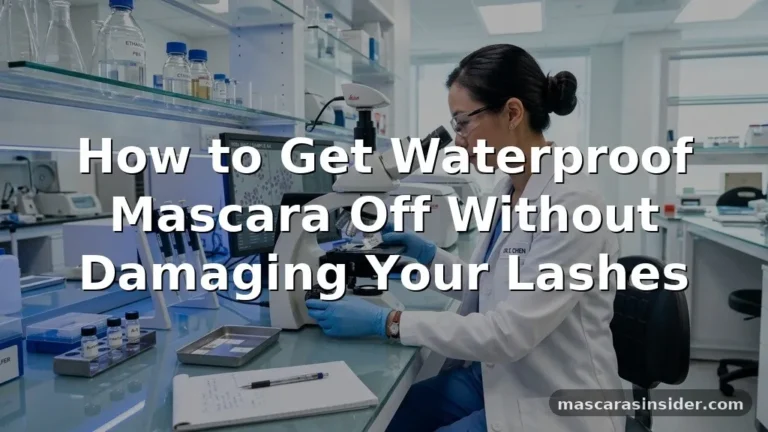


When you swipe on your daily cosmetic enhancement, you are applying a carefully engineered blend of pigments, waxes, and film-formers directly to your delicate eye area. Wondering what’s in mascara reveals a complex chemistry of emulsions and polymers designed to coat, darken, and lengthen every single hair. Understanding these components helps you choose the right cosmetic product for your daily routine while keeping your vision safe.
The Core Foundation: Waxes and Oils
At the heart of every traditional mascara formulation lies a sturdy base of wax and oil. These ingredients provide the bulk and structure of the formula, allowing the product to glide smoothly onto your lashes without clumping excessively. Cosmetic chemists carefully balance these components to ensure the mascaras remain pliable inside the tube yet dry quickly once applied.
Common structural agents include beeswax, carnauba wax, and paraffin. These natural and synthetic waxes create the primary film that thickens each individual hair.
Meanwhile, mineral oils, vegetable oils, or silicone derivatives like dimethicone keep the mixture creamy. Without this lipid-rich base, the cosmetic would dry out instantly and fail to adhere to your facial features.
Types of Structural Bases
Different structural combinations determine whether a tube leans toward heavy volume or natural separation. Heavy wax ratios provide dramatic thickness, while lighter oil emulsions focus on separation and subtle definition.
- Beeswax: Provides natural hold and flexibility.
- Carnauba Wax: Adds high-shine gloss and structural firmness.
- Paraffin: Delivers smooth glide and buildable volume.
- Silicones: Improve spreadability and prevent clumping.
Pigments and Colorants That Define Your Look
The striking dark tint that transforms your eyes comes from specialized colorants approved for cosmetic application. The most common pigment used across the beauty industry is iron oxide, which yields rich blacks, deep browns, and subtle warm shades. For ultra-dark, midnight shades, manufacturers frequently incorporate carbon black, a finely powdered form of elemental carbon.
Ensuring safety around the orbital area requires high-purity pigments that do not irritate sensitive mucous membranes. Regulatory bodies strictly monitor these colorants to prevent contamination by heavy metals or harmful impurities. When you apply your favorite shade, these microscopic particles remain suspended within the wax matrix, coating each hair in uniform darkness.
Film-Formers and Polymers for Longevity
To prevent your makeup from sliding down your face by midday, chemists rely on advanced polymers and film-forming agents. These ingredients create a microscopic, flexible mesh over the waxes oils and pigments once the liquid vehicle evaporates. This mesh locks the pigment in place, ensuring your look stays fresh for hours.
Polymers like polyvinylpyrrolidone (PVP) and acrylates copolymer are standard in modern cosmetic chemistry. They impart water resistance and tensile strength to the coating. If you prefer a cosmetic that resists sweat and tears, these film-formers do the heavy lifting to stop the pigment from migrating.
Waterproofing Agents and Solvents
The distinction between standard and waterproof variants comes down to the primary solvent system and the presence of volatile silicones. Regular formulations use water as their main continuous phase, making them easy to wash away with gentle cleansers. In contrast, heavy-duty varieties swap out aqueous bases for volatile isododecane or similar petroleum distillates.
These specialized solvents evaporate rapidly upon application, leaving behind a resilient, hydrophobic shield that repels moisture entirely. While this prevents embarrassing raccoon eyes during rainy weather or emotional moments, it also means you will need a dedicated oil-based cleanser to safely remove the stubborn residue from your delicate eye area without causing breakage.
Preservatives and Safety Standards
Because these cosmetic tubes contain moisture, proteins, and organic compounds, they provide an ideal breeding ground for bacteria and fungi. To protect consumers from dangerous eye infections, manufacturers include broad-spectrum preservatives in every batch. Common antimicrobial agents include phenoxyethanol, parabens, and ethylhexylglycerin.
Even with these chemical guards in place, liquid eye cosmetics have a notoriously short shelf life—usually three to six months after opening. Failing to discard expired tubes can lead to bacterial buildup, styes, or severe conjunctivitis. Maintaining good hygiene habits, such as never pumping the wand or sharing tubes with friends, safeguards your ocular health.
Comparing Standard and Specialized Formulations
Navigating the beauty aisle requires understanding how different category types serve specific cosmetic goals. The table below outlines the primary distinctions between standard daily wear, volumizing, and water-resistant variants.
| Formulation Type | Primary Solvent | Key Benefit | Removal Method |
|---|---|---|---|
| Standard Washable | Water | Gentle on brittle hairs, easy daily wear | Warm water and mild facial cleanser |
| Volumizing | Wax-heavy emulsion | Adds dramatic thickness and fullness | Standard makeup remover or micellar water |
| Waterproof | Isododecane / Silicone | Resists tears, sweat, and humidity | Biphasic or oil-based makeup remover |
Addressing Common Misconceptions and Animal Byproducts
Consumer curiosity often surrounds the more unusual myths associated with cosmetic manufacturing. For decades, urban legends claimed that bat guano or spider parts formed the structural core of dark eye makeup. Modern regulatory frameworks and consumer demand have thoroughly debunked these myths; commercial brands rely on synthetic or ethically sourced mineral and plant components instead.
For those adopting a cruelty-free lifestyle, checking the ingredient label is essential. While traditional formulations frequently utilize animal-derived beeswax or shellac, a growing number of modern brands substitute these with plant waxes like candelilla or rice bran wax.
You can learn more about rigorous product safety evaluations by consulting resources such as the U.S. Food and Drug Administration cosmetics guidance.
Frequently Asked Questions
What animal byproducts are commonly found in traditional formulations?
Traditional formulas frequently rely on beeswax for structural hold and occasionally guanine, a shimmering derivative derived from fish scales, to add luster. Vegan alternatives successfully replace these animal-derived components with plant-based waxes and synthetic pearlescent minerals.
What is the main ingredient in most commercial tubes?
The primary ingredient in standard water-based formulas is water itself, serving as the solvent. In contrast, anhydrous or waterproof varieties feature petroleum distillates, isododecane, or volatile silicones as their primary continuous base.
Is it possible to find a truly organic or completely chemical-free option?
Every cosmetic product consists of chemicals, even if they are naturally derived. Organic options replace synthetic preservatives and petroleum derivatives with plant-based oils, natural waxes, and gentle plant extracts, though they still require preservation.
Why do eye cosmetics expire so quickly compared to powders?
Liquid and cream products are prone to microbial contamination because they introduce moisture and organic matter every time the wand enters the tube. The warm, dark environment inside the container accelerates bacterial growth rapidly.
Conclusion
Knowing what’s in mascara transforms how you select, apply, and maintain your everyday beauty products. By balancing structural waxes, rich pigments, protective polymers, and safe preservatives, manufacturers create sophisticated formulas that enhance your features safely. Prioritizing hygiene and understanding your specific formula needs ensures your daily routine remains both stunning and secure.