
When standing in front of the mirror applying your daily cosmetics, you might wonder whether enhancing your look comes at a cost to your natural beauty. Figuring out whether mascara is good for your eyelashes involves looking past the immediate aesthetic transformation to understand how daily pigment application interacts with delicate follicles. While cosmetic enhancements make your eyes pop, the underlying reality of daily use requires a careful balancing act between cosmetic appeal and proper care.
Although modern formulas often include conditioning agents, applying and removing pigments every single day can introduce stressors to your eyelashes. Examining the physical composition of these products, your nightly cleansing habits, and the physiological cycle of lash growth reveals the true impact these cosmetics have on your long-term appearance.
The Direct Impact of Daily Cosmetic Application on Lash Health
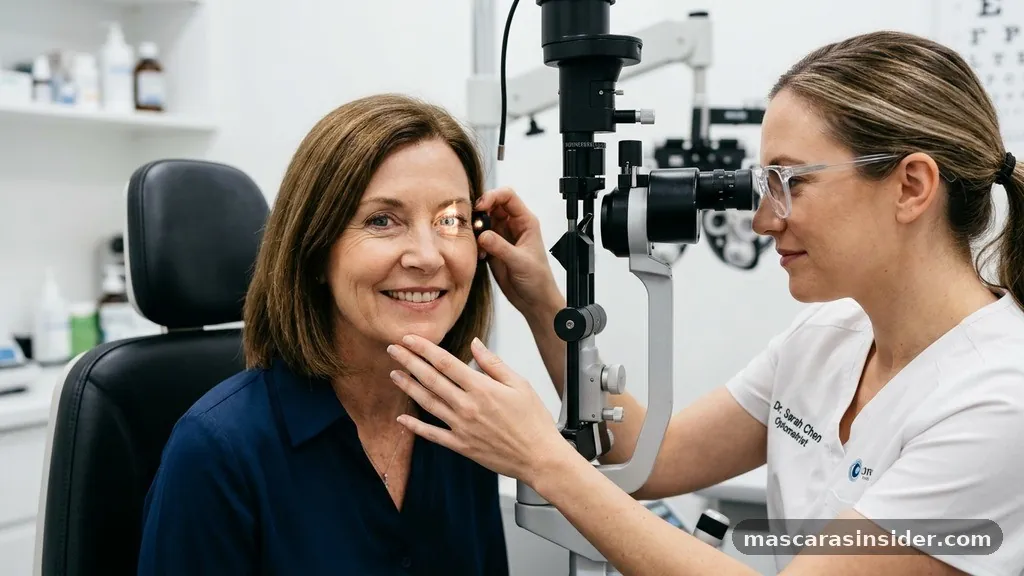
To determine if mascara is good for your eyelashes, we must first examine how daily cosmetic application affects the structural integrity of individual hairs. Standard cosmetic formulas coat each strand in waxes, pigments, and polymers to create volume and length.
While this creates an instantly striking look, it also adds physical weight to delicate hairs. Over time, this constant burden can weaken the follicle if the product is left on overnight or applied too aggressively.
Furthermore, many commercial tubes contain drying agents designed to make the pigment set quickly and prevent smudging throughout the day. When these drying agents remain on the lashes for extended periods, they sap the natural moisture out of each hair shaft.
Much like the hair on your head, eyelashes require a baseline level of hydration to remain flexible and strong. Without adequate moisture, strands become brittle and prone to breakage, which can ultimately lead to a sparser appearance over time.
It is also worth noting that the formulation type matters significantly. A standard, washable formula is generally gentler on the hair cuticle than a heavy-duty, long-wear alternative. When evaluating how different cosmetic types affect overall structural health, consider the following breakdown of common formulation categories:
| Mascara Type | Primary Characteristics | Impact on Lash Strength |
|---|---|---|
| Standard Washable | Water-based, easy to remove with gentle cleansers | Lowest risk of mechanical breakage during removal |
| Tubing Formulas | Forms polymer wraps around each individual hair | Moderate; slides off easily with warm water |
| Waterproof Mascara | High wax and volatile solvent content for maximum hold | Highest risk of dryness and mechanical damage |
Do Modern Cosmetic Formulas Provide Nourishment?
Many cosmetic manufacturers market their creations as conditioning treatments, leading consumers to wonder if mascara is good for your eyelashes due to added vitamins. Indeed, contemporary beauty brands frequently infuse their products with beneficial compounds like panthenol, biotin, keratin, and botanical oil extracts. These additions aim to nourish the hair shaft and support overall follicle vitality while you wear the pigment.
However, it is essential to distinguish between a dedicated serum and a pigmented cosmetic. While a conditioning formula can provide temporary surface smoothing and reduce the drying effects of the pigments, it rarely replaces the deep hydration and repair offered by targeted nighttime treatments. The primary job of any cosmetic pigment is to deposit color and hold a curl, not to act as a primary medical or therapeutic treatment for sparse hairs.
When assessing whether a specific tube offers genuine nutritional benefits, checking the ingredient deck is crucial. High-quality items place conditioning agents near the top of the ingredient list rather than as an afterthought. For additional insights on maintaining healthy ocular tissue alongside your cosmetic routine, you can consult resources provided by the American Academy of Ophthalmology for professional health guidance.
The Hidden Dangers of Improper Makeup Removal
The physical act of removing your daily makeup often poses a greater threat to your appearance than wearing the cosmetic itself. When individuals scrub their eyes harshly with abrasive wipes or low-quality cleansers, they subject delicate hairs to severe mechanical stress. This rough friction is a primary driver of premature eyelash loss, as the physical tugging pulls hairs out before they have completed their natural growth cycle.
Effective removal requires patience, the right solvent, and a gentle touch. Waterproof formulas, in particular, demand heavy-duty solvents that can strip the skin and hair of natural lipids if not thoroughly washed away. Leaving residual pigment on overnight turns the hairs into stiff, brittle wires that snap easily against your pillowcase as you sleep.
- Always use a dedicated, oil-based cleanser or micellar water designed specifically for sensitive eye areas.
- Press a saturated cotton pad gently against closed eyelids for thirty seconds to dissolve the wax before wiping.
- Never pull, scrub, or yank at the hairs to get stubborn pigment off quickly.
- Rinse the eye area thoroughly with lukewarm water to remove any lingering chemical residue from cleansers.
- Gently brush clean strands with a clean spoolie tool to maintain proper alignment and stimulate local circulation.
How Product Expiration and Hygiene Affect Follicle Safety
Another critical dimension of whether mascara is good for your eyelashes involves the hygiene practices surrounding your cosmetic collection. Liquid and cream cosmetics kept in dark, damp tubes create an ideal breeding ground for bacteria and fungi over time. Every time you pump the brush into the tube, you introduce air and micro-organisms from your skin directly into the container.
Using an expired cosmetic can lead to bacterial infections such as blepharitis or styes, which directly inflame the hair follicles and disrupt normal growth. If your eyelids become chronically irritated, red, or itchy, your follicles may enter a resting phase prematurely, resulting in noticeable thinning. Experts universally recommend replacing your favorite tubes every three months to minimize microbial contamination.
Furthermore, sharing your cosmetic tools with friends is a fast track to cross-contamination. Maintaining strict personal hygiene ensures that your daily routine remains a safe form of self-expression rather than a hazard to your ocular health.
Addressing Topical Gaps: Separating Myths from Clinical Reality
A common misconception in the beauty community is that wearing cosmetics regularly will permanently stunt natural growth or cause complete baldness. In reality, unless you experience a severe allergic reaction, a chronic infection, or continuous mechanical trauma from aggressive removal, your hair follicles will continue their normal biological cycle. Lashes grow, rest, and shed naturally every sixty to ninety days regardless of what you apply to them.
Another frequent question concerns whether clear gels are inherently safer than pigmented options. While clear formulas eliminate the risk of heavy iron oxide pigments, they still contain waxes, preservatives, and film-formers that can cause stiffness and dryness if left on continuously. Therefore, the distinction between colored and clear options is less significant than your overall cleanliness and handling technique.
Finally, many people wonder if taking a break from cosmetics helps restore fullness. Giving your face a makeup-free day allows the hairs to recover from daily manipulation, reduces the risk of accidental overnight friction, and gives you a clearer baseline to assess your natural beauty without relying on synthetic enhancements.
Tips for Maintaining Healthy Follicles While Wearing Makeup
You do not necessarily have to abandon your favorite cosmetic to keep your facial features looking lush and vibrant. By adopting mindful daily habits, you can enjoy your beauty routine without compromising structural health. Balance is the ultimate key to merging great style with proper self-care.
Start by investing in high-quality items that feature nourishing botanical extracts and avoid formulas loaded with harsh synthetic fragrances. Always take the time to dissolve and wash away every trace of pigment before going to bed. Incorporating a dedicated conditioning serum into your nightly routine after cleansing can also help replenish lost moisture and keep individual strands flexible and resilient.
By treating your cosmetic application and removal as an extension of your broader skin care regimen, you protect the delicate skin and hair around your eyes. A thoughtful, gentle approach ensures you can look your absolute best every single day without sacrificing long-term vitality.
Frequently Asked Questions
Are eyelashes healthier without wearing makeup?
Yes, taking regular breaks from daily cosmetics allows your follicles to rest, reduces the risk of mechanical friction during removal, and prevents the dryness caused by lingering waxes and pigments.
What type of formula is safest for daily use?
Washable, water-based formulas that rinse off easily with gentle cleansers are generally the safest option because they minimize the need for harsh rubbing and scrubbing during removal.
Does wearing makeup cause your hair to fall out?
Cosmetics themselves rarely cause hair loss unless you experience an allergic reaction or an infection, but aggressive removal techniques and sleeping in stiff pigment frequently cause breakage and premature shedding.
How often should you replace your beauty products?
You should replace your liquid tubes every three months to prevent bacterial growth, microbial contamination, and the breakdown of preservatives that can irritate your delicate eye area.
Conclusion
Ultimately, whether mascara is good for your eyelashes depends entirely on how you apply, maintain, and remove your cosmetics. While daily pigment application introduces minor stressors, practicing diligent hygiene, choosing nourishing formulas, and exercising extreme gentleness during makeup removal keeps your natural beauty fully protected. Balance your favorite aesthetic choices with smart care habits, and your natural features will thrive.