
Deciding whether you can wear mascara with lash extensions is a common dilemma for anyone looking to boost their eye drama. While the allure of extra volume is tempting, applying traditional products to your new set often leads to premature shedding and clumpy results. Most technicians advise against it because the formula of standard products interferes with the delicate bond of your adhesive.
Understanding the chemical interaction between your eye makeup and the synthetic fibers helps you keep your look flawless for longer. By choosing the right approach, you can maintain your desired aesthetic without compromising the integrity of your professional application.
The Chemical Conflict Between Mascara and Adhesive
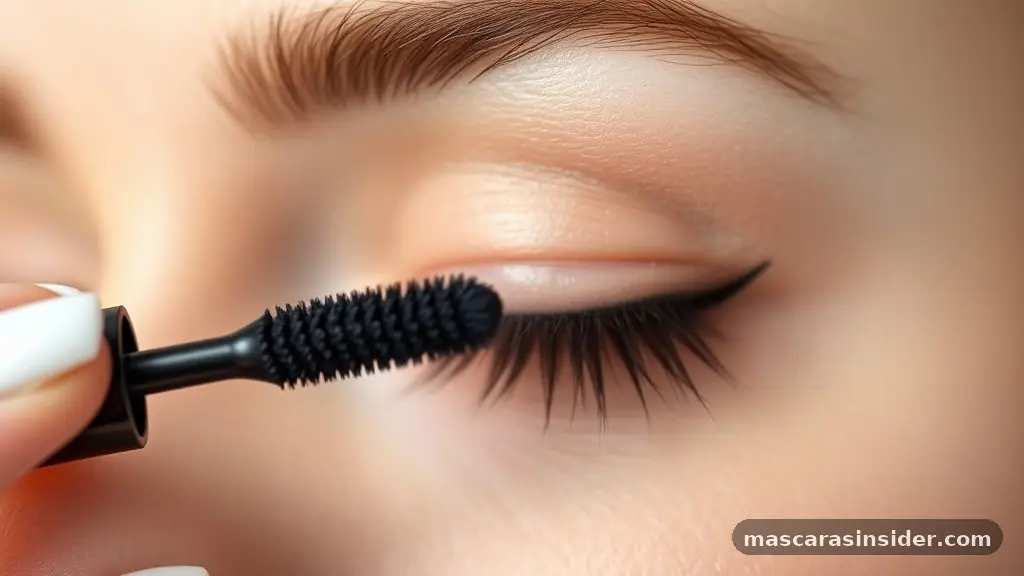
The primary reason experts advise against using standard makeup on your lashes is the chemical composition of the products. Most traditional mascaras are designed to coat natural hair in a way that thickens and lengthens, often relying on waxes or heavy oils to achieve that effect.
When these substances come into contact with the adhesive used for your lash extensions, they can cause the bond to break down. This chemical reaction weakens the connection between the extension and your natural hair, leading to early fallout.
Beyond the oils, many formulas contain ingredients that harden significantly as they dry. Once a traditional product dries on an extension, it becomes rigid, making it nearly impossible to remove without pulling on the fibers.
Because extensions are attached to your natural lashes, any physical stress caused by scrubbing at dried makeup can lead to traction alopecia or permanent damage to your growth cycle. Protecting the longevity of your investment means treating the base of your eye makeup with extreme caution.
Why Oil-Free Formulas Are Essential
If you are determined to find a product to use while wearing extensions, you must prioritize oil-free options. Oils are the natural enemy of cyanoacrylate, the main ingredient in professional lash adhesives.
Even a small amount of oil-based product can seep into the attachment point, causing the glue to lose its grip almost immediately. This is why many people who ignore the advice to avoid standard makeup find their extensions sliding off within just a few days of their appointment.
When you look for a suitable product, you need to check the ingredient list for common offenders like mineral oil, castor oil, or synthetic waxes. Water-based formulas are generally the only safe alternative, as they do not dissolve the adhesive bond.
However, even with water-based options, the application process must be handled with care to prevent buildup. Choosing the right product is about balancing your desire for extra drama with the chemical safety of your lash application.
The Risks of Clumping and Tugging
One of the most overlooked issues when deciding if you can wear mascara with lash extensions is the physical weight and texture of the product. Extensions are already pre-styled to provide a specific look, whether it is a classic, volume, or hybrid set.
When you add a heavy layer of product, you are increasing the weight on your natural lash, which can cause drooping or discomfort. Furthermore, the sticky nature of most formulas causes the individual extensions to clump together, ruining the fanned-out appearance your technician worked hard to create.
Removing this makeup is where the real danger lies. Since you cannot use standard cleansers, you are forced to use specialized tools and techniques to clear away the product. If you are not extremely gentle, the friction of your applicator or cotton pad will snag the fibers.
This tugging is the leading cause of premature lash loss. If you find yourself needing to scrub your eyes to get the makeup off, you are likely doing more harm than good to your natural lash health.
Understanding the Proper Application Method
If you absolutely must apply product to your extensions, there is a specific way to do it that minimizes damage. First, never apply the product to the roots or the base of the extensions. This is where the adhesive bond is most vulnerable, and any contact here is a recipe for disaster.
Instead, focus only on the very tips of the lashes. By keeping the product away from the eyelid and the base, you reduce the risk of the formula seeping into the glue bond.
You should also use a very light hand when applying. A single, thin coat is usually sufficient to achieve the desired darkening effect without creating excessive weight.
Avoid using a lash curler at all costs, as the mechanical pressure will snap the extensions or pull them off your natural hair entirely. Treat your extensions as a finished look that requires only minimal maintenance rather than a canvas for heavy makeup application.
Selecting the Best Products for Extensions
Finding the right product requires ignoring the marketing buzz and focusing on the chemical makeup of the formula. The best options are specifically labeled as extension-safe, meaning they have been tested to ensure they won’t degrade common adhesives. These products are typically water-soluble, allowing them to be rinsed away with a gentle cleanser rather than requiring aggressive rubbing.
Features of Extension-Safe Makeup
- Water-based formulations that dissolve easily with water or mild soap
- Tubing technology that forms tiny water-resistant cylinders around the lashes
- Brush applicators designed to separate fibers rather than clump them
- Oil-free ingredients that do not compromise the adhesive bond
- Easy-removal properties that require no harsh scrubbing
When you search for these items, look for reputable brands that cater specifically to the professional lash industry. Many high-end beauty retailers now stock specialized products designed for use with synthetic lashes, ensuring you can enhance your look without sacrificing the longevity of your service.
How to Safely Remove Eye Makeup
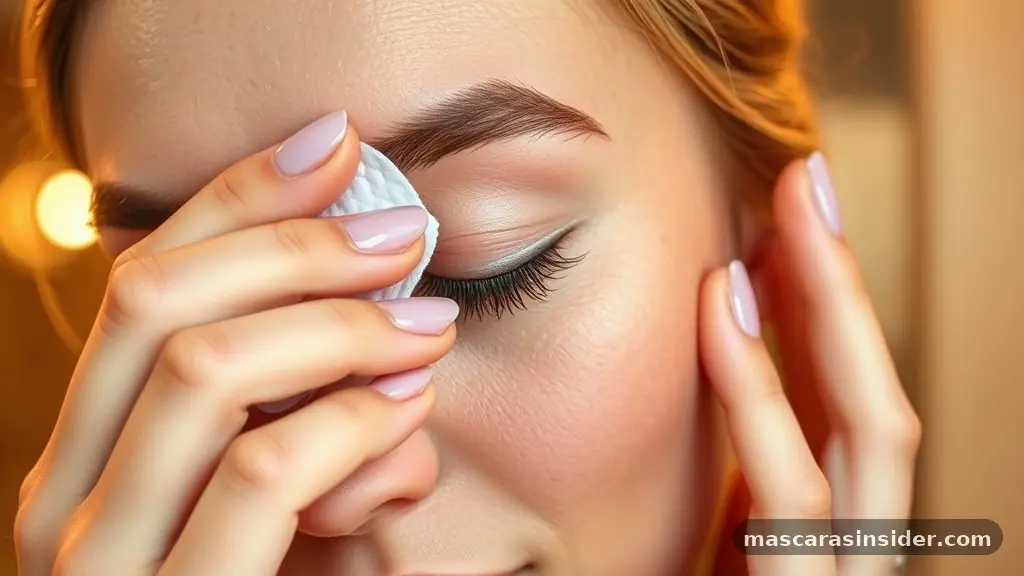
The removal process is just as important as the application. Using a standard makeup remover is a quick way to destroy your extensions, as most of these products contain solvents that break down glue.
Instead, you need an oil-free, lash-specific cleanser that is formulated to be gentle on both your skin and the adhesive. You can find more information on eye health and hygiene at the American Academy of Ophthalmology to ensure you are maintaining your ocular health while using beauty products.
Apply your cleanser using a soft, lint-free applicator or a clean spoolie brush. Work in gentle, downward strokes to lift away debris without pulling on the extensions.
Never use cotton rounds or tissues, as the fibers will catch on the lashes and cause them to tangle or tear. If you have trouble removing the product, soak a clean brush in your cleanser and hold it against the tips of the lashes for a few seconds before gently wiping away.
The Impact on Your Lash Growth Cycle
Every time you pull or tug on your extensions, you risk damaging the natural lash follicle. Your natural lashes grow, shed, and replace themselves on a constant cycle.
When an extension is attached, it effectively becomes a prosthetic for that natural hair. If you subject that hair to constant weight and tension, you can cause the follicle to become stressed, which may lead to slower growth or thinner lashes over time.
By avoiding heavy makeup and the subsequent scrubbing, you are protecting the health of your natural growth cycle. Keeping your lash line clean and free of heavy residue allows the follicles to breathe and function properly.
A clean lash line is a healthy lash line, and a healthy lash line is the best foundation for future extensions. Prioritizing the health of your natural lashes will pay off in the quality of your future sets.
Comparing Traditional vs. Extension-Safe Products
Choosing the right product often comes down to understanding the differences in how they function. The following table highlights the key distinctions between standard retail products and those designed for use with synthetic fibers.
| Feature | Traditional Mascara | Extension-Safe Formula |
|---|---|---|
| Base Ingredient | Oils and Waxes | Water and Polymers |
| Adhesive Impact | Dissolves glue bond | Neutral to adhesive |
| Removal Method | Requires oil-based cleanser | Rinses with water or mild soap |
| Weight | Heavy and prone to clumping | Lightweight and smoothing |
| Effect on Retention | Shortens life significantly | Maintains bond integrity |
Understanding these differences helps you make informed choices about what you put on your eyes. While it might seem convenient to use what you already have in your makeup bag, the long-term cost of replacing your extensions prematurely usually outweighs the cost of a specialized product.
Common Mistakes to Avoid
Many people fall into the trap of thinking that a little bit of makeup won’t hurt. However, the accumulation of product over several days is what causes the most damage.
If you apply a little bit every morning, by the end of the week, you have a thick, cakey layer that is impossible to clean. This buildup is a magnet for bacteria and can lead to eye infections, which are both painful and damaging to your long-term lash health.
Another common mistake is trying to save time by skipping the cleansing step at night. Going to sleep with makeup on your extensions causes them to twist and tangle while you move on your pillow.
A tangled lash is a damaged lash, and it will often cause the extension to pop off or pull on your natural hair. Always take the time to clean your lashes properly before bed to ensure they stay perfectly aligned.
When to Skip the Makeup Entirely
There are times when you should simply skip the makeup and let your extensions shine on their own. If you have a fresh set of volume lashes, they are designed to provide enough drama that you shouldn’t need any additional product.
If you find yourself wanting more volume, talk to your technician about adjusting your style at your next fill. They can often add more fibers or change the curl pattern to give you the look you want without the need for extra makeup.
Additionally, if you notice that your extensions are starting to shed or look messy, adding makeup will only make the situation worse. Trying to cover up a thinning set with extra product is a temporary fix that will inevitably lead to more fallout.
Instead of masking the issue, address it by booking an earlier appointment or by practicing better daily care. Your eyes will look better, and your wallet will thank you in the long run.
Frequently Asked Questions
What happens if I put regular mascara on lash extensions?
Using regular, oil-based products on your extensions will break down the adhesive bond. This causes the extensions to clump together, look messy, and eventually fall off prematurely. The heavy weight and oils in standard formulas are incompatible with the chemicals used in professional lash application.
Are there any mascaras that are safe for lash extensions?
Yes, you can use water-based, oil-free formulas specifically designed for extensions. These products are formulated to be gentle on the adhesive and can be removed easily with water or a mild cleanser, preventing the need for the harsh scrubbing that damages your natural lashes.
How long should I wait after getting extensions to wear eye makeup?
It is best to wait at least 24 to 48 hours after your appointment before applying any eye makeup. This allows the adhesive to cure completely and reach its maximum strength. Applying products too soon can interfere with the curing process and weaken the bond.
What is the best way to keep lash extensions clean?
The best way to maintain your lashes is to use a lash-safe foaming cleanser daily. Use a clean, soft brush to gently work the cleanser through the lashes, rinse with cool water, and pat them dry. Keeping them free of oils and debris is essential for longevity.
Conclusion
Deciding whether you can wear mascara with lash extensions is about understanding the delicate balance between aesthetic preference and structural integrity. While it is possible to use specific oil-free and water-based products, the safest and most effective approach is often to embrace the fullness of your extensions as they are. By avoiding heavy, oil-based formulas and committing to a gentle daily cleansing routine, you protect your natural lashes and ensure your extensions last as long as possible.
Remember that your technician is your best resource for advice on products that won’t compromise your set. If you are struggling with your look, reach out to them for a consultation rather than risking your lash health with improper makeup use. Taking these small steps will keep your eyes looking vibrant and healthy for weeks to come.
Meta Description: Can you wear mascara with lash extensions? Discover the risks of standard makeup and learn how to safely enhance your look without damaging your lashes.