
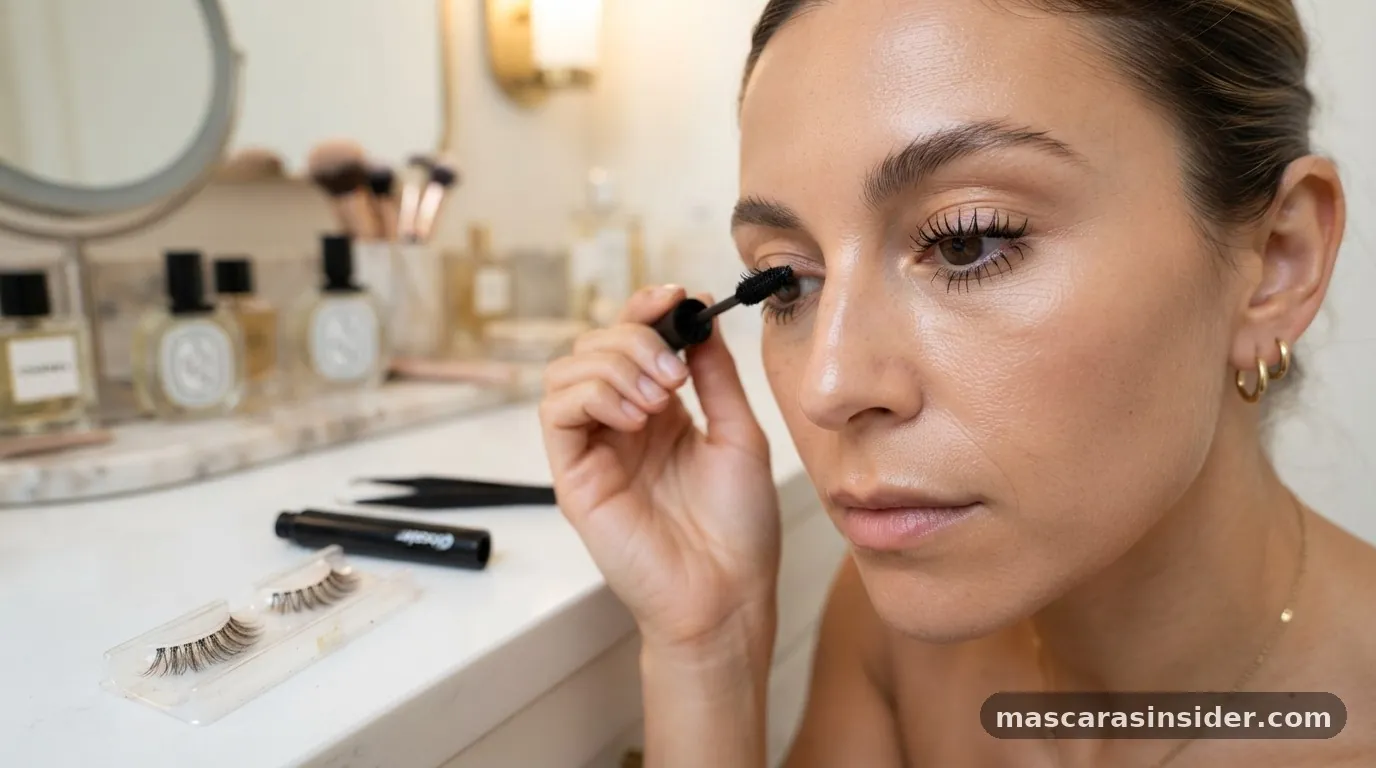
Achieving a flawless, fluttery look often leaves beauty enthusiasts debating the proper sequence of their eye makeup routine. The question of whether you should apply mascara before or after attaching false eyelashes is one of the most common dilemmas in cosmetic application.
While there isn’t a single rule that applies to every situation, understanding how different products interact with your natural lashes and the faux alternatives is the key to a professional finish. Getting the order wrong can lead to clumpy lashes, premature detachment, or difficulty in blending your real hair with the synthetic fibers.
The Case for Pre-Application Mascara
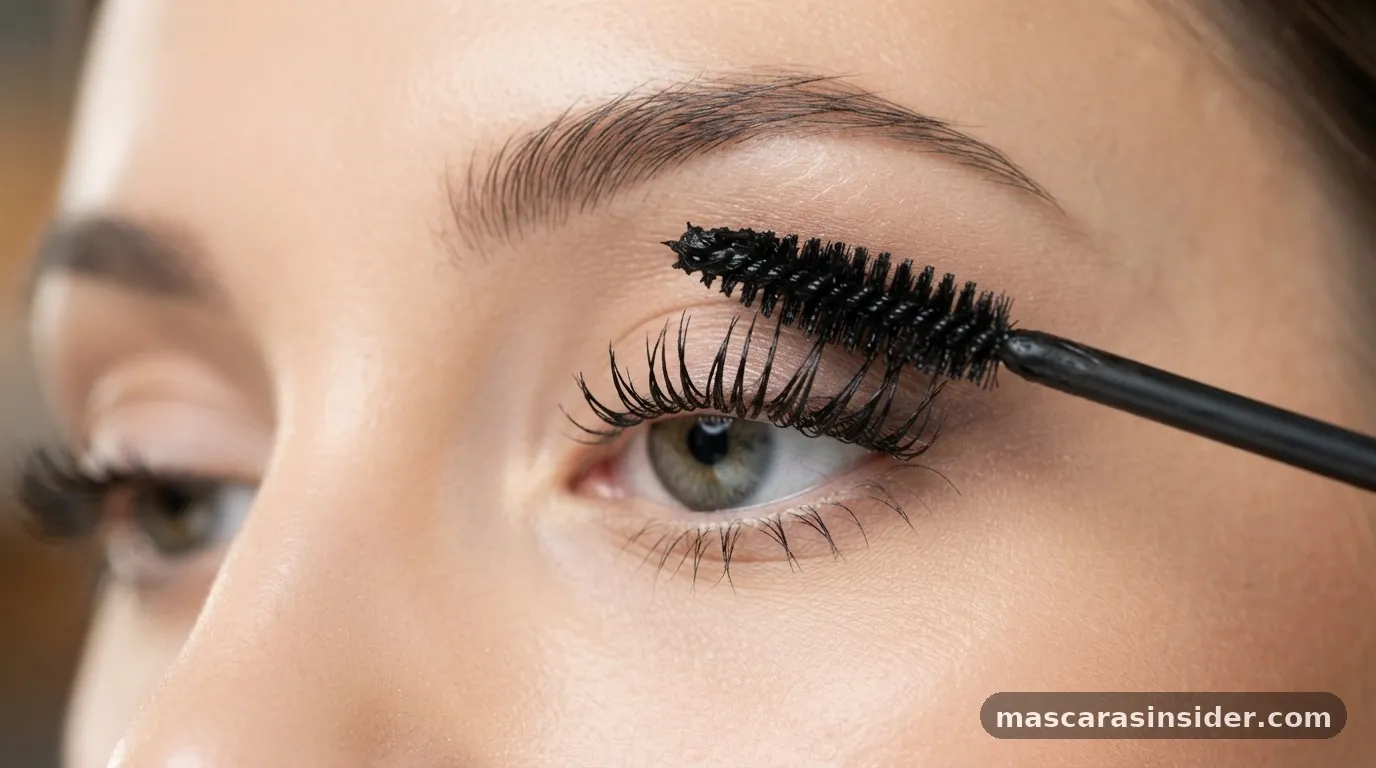
Applying a light coat of mascara before attaching your falsies serves as a structural foundation for your natural lashes. By coating your own hairs first, you provide a sturdier base that can support the weight of strip lashes or lash clusters.
This is particularly beneficial if you have thin or light-colored natural lashes, as it allows them to blend more effectively with the dark lash band of your falsies. When you apply mascara first, you are essentially creating a scaffold that helps the false lashes sit flush against your lash line, reducing the visible gap that often occurs between your real hair and the synthetic additions.
When opting for this method, consider the following technical advantages:
1. It adds necessary grip for the lash band to rest upon.
2. It darkens your natural lashes so they don’t peek out from underneath the falsies.
3.
It helps your natural lashes hold a curl, which is essential for a seamless transition.
4. It allows for easier makeup blending, as the lashes are already oriented in a uniform direction.
However, moderation is vital here. If you apply a thick, wet layer of volume mascara right before gluing, the lashes may become too slippery or clumpy, making it difficult for the lash glue to adhere properly. Always wait for the mascara to dry completely before reaching for your eyelash applicator tool.
A dry, slightly tacky coat works best, as it provides a bit of friction that helps the false lashes stay in place during the initial application phase. If you use a waterproof mascara, be extra careful, as these formulas often contain oils or waxes that might interfere with the chemical bond of your false eyelash adhesive.
Applying Mascara After False Eyelashes
Many makeup artists prefer applying mascara after the falsies are securely attached to the lid. This technique is specifically designed to marry your natural lashes with the synthetic ones, creating a cohesive, unified look.
By applying mascara over both sets, you are physically fusing them together. This is highly effective if you are using individual lash clusters, as it helps hide the points of attachment and ensures that no single cluster looks disconnected from the rest of your eye makeup.
The “post-application” method is often favored for these reasons:
5. It eliminates the “double-lash” look where real and fake lashes sit on different planes.
6. It allows you to coat the base of the falsies to further conceal the lash band.
7.
It creates a more dramatic, high-volume appearance by thickening the combined structure.
8. It provides a final opportunity to adjust the angle of your lashes for maximum lift.
If you choose this route, you must be gentle. When you brush through your lashes with a wand, you risk pulling on the band, which can compromise the lash glue and cause the corners to lift. Use a light hand and focus primarily on the roots where the two sets of lashes meet.
Using a mascara formula that is not overly heavy is recommended, as excessive weight can cause the falsies to droop or lose their intended curl throughout the day. Avoid using fiber mascara in this step, as the fibers can get caught in the lash band, making it difficult to clean the lashes for future reuse.
Selecting the Right Products for Longevity
The products you choose significantly impact how well your lashes stay put and how easy they are to remove later. The interaction between your mascara formula and the lash adhesive is a critical factor in lash longevity.
If you use a heavy, oil-based mascara, it may break down the bond of the false eyelash adhesive over time, leading to the lashes peeling off before your day is finished. This is why many experts recommend using a standard, non-waterproof mascara for the blending step, as it is generally easier to remove with a gentle, non-oil-based makeup remover.
| Product Type | Impact on Lash Glue | Best Use Case |
|---|---|---|
| Waterproof Mascara | Can weaken adhesives | Long-wear events, high humidity |
| Fiber Mascara | High risk of tangling | Adding volume to natural lashes only |
| Volumizing Mascara | Heavy, can weigh down bands | Use sparingly after application |
| Tubing Mascara | Gentle, easy to remove | Daily wear for sensitive eyes |
When selecting your false lash adhesive, prioritize a high-quality, latex-free glue if you have sensitive skin or eyes. The application process should always start with a clean lash line, free from any residual oils or previous eye makeup.
If you are using mink lashes, remember that they are more delicate than synthetic fibers; applying too much mascara can ruin their texture and shape, effectively shortening their lifespan. Proper false lash maintenance involves gentle cleaning after every use to ensure that the band remains flexible and the fibers stay soft for your next application.
Addressing Common Application Challenges
Even with the right technique, you might encounter issues like the lash band lifting at the corners or the lashes appearing misaligned. These problems often stem from improper preparation of the eye shape or a lack of attention to the lash root. Before applying your lashes, always use an eyelash curler on your natural lashes to ensure they are swept upward.
This creates the necessary space for the false lashes to sit correctly. If your natural lashes are pointing downward, they will push against the falsies, forcing them to peel away from the lid.
Another common mistake is applying too much glue. When you put too much false eyelash adhesive on the band, it takes longer to dry and can create a messy, gloopy appearance that ruins your makeup blending. Apply a thin, even layer of glue along the band and wait about thirty seconds until it becomes tacky.
This simple timing trick is the secret to a secure hold. If you find that the inner corners are constantly lifting, trim the lash band slightly so that it doesn’t extend too far toward the tear duct, where the skin is often oilier and more mobile.
The Role of Lash Grooming and Maintenance
Proper eyelash grooming is essential if you want to reuse your strip lashes or keep your natural lashes healthy. If you consistently apply heavy mascara over your falsies, you will eventually notice a build-up of product that makes the lashes look stiff and unnatural.
To clean them, use a cotton swab soaked in a gentle, oil-free makeup remover to carefully wipe away the mascara from the synthetic fibers. Never soak your lashes in remover, as this can degrade the structure of the band and cause the fibers to shed.
For those interested in long-term solutions, a professional lash lift might be a viable alternative to the daily cycle of curling and mascara. A lash lift effectively semi-permanently curls your natural lashes, which can significantly reduce the need for an eyelash curler and make the application of false lashes much simpler.
By having a natural, upward-curved base, you spend less time trying to force your real lashes to match the angle of your extensions. This makes the entire eye makeup routine more efficient and less stressful, allowing you to focus on the final touches of your look.
Answering Topical Gaps: Advanced Tips
A frequently overlooked aspect of this debate is the specific impact of different eye shapes on your application order. For those with hooded eyes, applying mascara before the falsies is almost always the better choice.
Because hooded eyes have extra skin that can push against the lashes, creating a solid, curled foundation with mascara helps the falsies maintain their shape and prevents them from drooping into the eye. Conversely, if you have deep-set eyes, you may find that applying mascara after the falsies helps you pull the lashes outward, creating an open-eyed effect that is very flattering.
Another gap in common advice is the importance of the lash applicator tool. Many beginners try to use their fingers, which lacks the precision needed to place the lashes at the exact lash root. Using a dedicated tool allows you to pinch the real and false lashes together at the base, which is the most effective way to ensure they are perfectly aligned.
This “pinching” technique is much more effective than simply laying the falsies on top of your natural lashes. For more detailed information on maintaining eye health while using these products, you can consult the American Academy of Ophthalmology guidelines on eye safety regarding the use of cosmetics and adhesives near the ocular surface.
FAQ Section
Q: Can I use waterproof mascara on my fake lashes?
A: It is generally discouraged. Waterproof mascara requires oil-based removers to break down, which can dissolve the lash glue and cause the falsies to fall off prematurely. It also makes cleaning the synthetic fibers extremely difficult, often ruining the lashes after just one use.
Q: How do I prevent the “double-lash” look?
A: To prevent this, focus on applying mascara primarily at the roots of your natural lashes. By pinching your real lashes and the false lashes together using an applicator tool, you create a unified look where the two sets appear to grow from the same point.
Q: Is it necessary to apply mascara if I wear lash clusters?
A: While not strictly necessary, a light coat of mascara is highly recommended for lash clusters. Because clusters are applied in sections, mascara acts as a binding agent that hides the gaps between the clusters and your natural lashes, making the overall look appear seamless and professional.
Q: Does wearing fake lashes damage my natural hair?
A: When applied and removed correctly, false lashes are not inherently damaging. Damage usually occurs when users pull at their lashes during removal or fail to clean the adhesive off the lid. Always use a gentle makeup remover to dissolve the glue before attempting to remove the strip.