
Deciding whether you put mascara on before fake lashes is a common point of confusion for makeup enthusiasts. Many people struggle to achieve a seamless blend between their natural hair and their chosen enhancement, leading to visible gaps or an unnatural look. While there isn’t a single universal rule that applies to every style of lash, understanding the impact of application order can dramatically improve your results.
By balancing the health of your falsies with the need for a cohesive appearance, you can master your eye makeup routine. This breakdown will clarify the best techniques for various lash types to ensure you achieve a professional finish every time.
The Case for Applying Mascara First
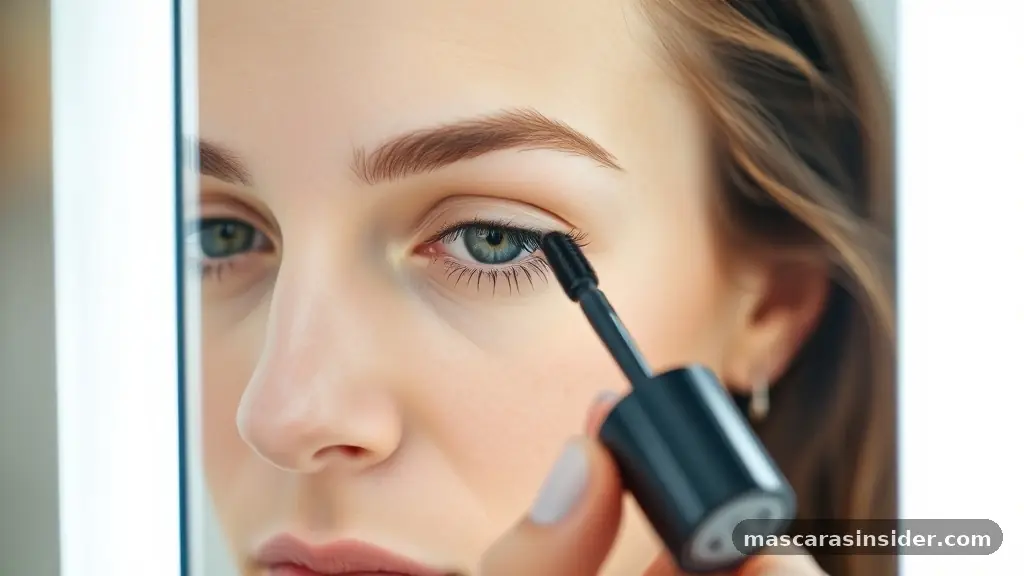
When you consider whether you put mascara on before fake lashes, the most common argument for doing so is the creation of a supportive base. Applying a thin coat of mascara to your natural lashes gives the strip or cluster something to grip onto.
This is particularly helpful if your natural lashes are very straight, light in color, or sparse. By adding a bit of volume and texture with mascara, you provide a stable shelf for the adhesive to rest on.
This method also helps in camouflaging the transition between your real hair and the false additions. If your natural lashes are significantly lighter than your falsies, they might peek out from underneath, creating an obvious “two-layer” effect.
A quick swipe of black or dark brown mascara helps to darken your natural hair, ensuring it matches the depth and intensity of the false set. Just remember to keep the application light; if you apply too much product, your lashes can become clumpy or stiff, which makes it harder for the lash band to sit flush against your eyelid.
Why Some Prefer Mascara After Application
Many makeup artists prefer to apply mascara only after the false lashes have been securely attached. This approach is often safer for the longevity of your falsies. When you apply mascara to the falsies themselves, you inevitably cause build-up.
This residue can make the lashes look heavy, clumpy, and artificial over time. By waiting until after the strip is secured, you can focus on blending the two sets without over-saturating the delicate synthetic fibers.
To achieve a seamless blend using this technique, use a clean spoolie brush to gently comb your natural lashes and the falsies together. This movement encourages the hairs to marry, effectively hiding the band.
If you feel you need extra volume, apply a very light coat of mascara only to the base where the natural and false lashes meet. This technique is especially effective for those who want to reuse their strip lashes, as it keeps the falsies free from excess product and easier to clean.
Understanding Lash Types and Application Needs
The type of lash you choose significantly impacts your application strategy. Not all products are designed to be used in the same way. For instance, magnetic lashes require a different approach than traditional glue-on strips.
If you are using magnetic lashes, you should almost never apply mascara first, as the magnets need a clean, smooth surface to create a secure connection. Adding a layer of thick mascara can actually push the magnetic components apart, causing the lashes to shift or fall off throughout the day.
On the other hand, if you are working with individual clusters or wispy strips, a light base coat can be beneficial. These smaller pieces often require more help to blend into your natural lash line.
By creating a unified color and texture, you make the application process much smoother. Always consider the weight and material of your chosen product before deciding your order of operations.
Techniques for Blending Natural and False Lashes
Achieving a professional-looking finish often comes down to the blending process. Whether you choose to apply mascara before or after, the goal is to eliminate any visible separation between your real lashes and the falsies.
If you have already applied your eye makeup, use an angled brush to push a tiny amount of black eyeshadow or gel liner into the lash line. This creates an illusion of depth that makes the band of the false lashes virtually invisible.
Another effective technique involves using a heated lash curler. By gently curling your natural lashes and the falsies together after the glue has fully dried, you create a uniform shape that looks more natural.
Be extremely careful when using heat near the eye area, and ensure the adhesive is completely set before applying any pressure. This step helps to lift the entire lash line, opening up the eyes and providing a more youthful, awake appearance.
The Impact of Adhesive on Mascara
The type of glue you use interacts differently with mascara. Standard latex-based adhesives are generally forgiving, but they can become gummy if mixed with wet mascara.
If you find that your falsies are sliding around or not sticking properly, it is possible that your mascara is still damp. Always allow your mascara to dry for at least two to three minutes before attempting to apply the glue.
If you are using a clear adhesive, you have a bit more freedom, as you don’t have to worry about the glue turning dark or muddy if it touches your mascara. However, black adhesive can look messy if it gets onto your mascara-coated natural lashes.
If you are a beginner, it is often best to avoid applying mascara until the very last step. This allows you to place the falsies with precision, clean up any glue mistakes, and then finish with a light coat of mascara to tie everything together.
Avoiding Common Mistakes with Lash Extensions
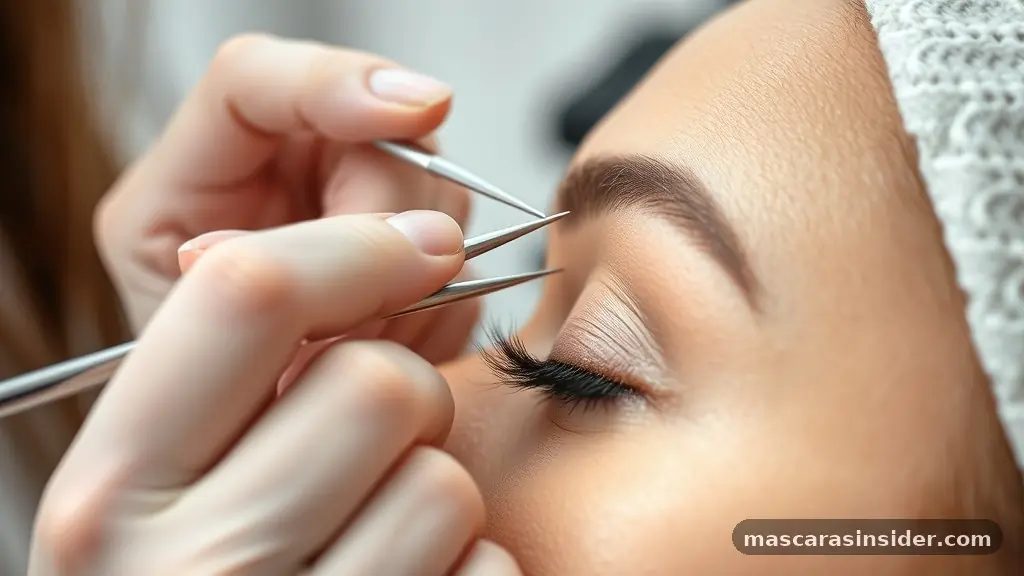
If you are wearing professional eyelash extensions, the rules change entirely. You should avoid applying mascara to extensions, as the oils and waxes in standard formulas can break down the bond of the glue.
This can lead to premature shedding and damage to your natural lashes. If you feel your extensions are looking a little sparse, skip the mascara and instead use a specialized lash-safe sealant or a growth-promoting serum.
For those using temporary strip lashes, the biggest mistake is applying too much product. Thick, clumpy lashes can look heavy and unrefined, pulling the eye downward. If you want to achieve a dramatic look, focus on the quality of the falsies rather than the amount of mascara you pile on.
High-quality mink or silk lashes often require little to no mascara to look stunning. You can find more information on proper lash care and maintenance through the American Academy of Ophthalmology regarding safe eye practices.
Comparing Application Strategies
Choosing the right method depends on your skill level and the look you want to achieve. The following table outlines how different variables impact your decision-making process for applying mascara and false lashes.
| Method | Best For | Pros | Cons |
|---|---|---|---|
| Mascara Before | Beginners/Straight Lashes | Provides grip; helps disguise the band | Can cause clumps; harder to clean lashes |
| Mascara After | Advanced/Volume Lashes | Cleaner look; extends life of the lash | Requires steady hands to blend |
| No Mascara | Magnetic Lashes/Sensitive Eyes | Safest for lash health; easy removal | May see a gap between real and fake |
Managing Lash Maintenance and Removal
Properly removing your makeup is just as important as the application. When you wear mascara with falsies, the removal process becomes more involved. You must ensure that you dissolve the mascara without pulling on your natural lashes.
Use an oil-based makeup remover or a dedicated lash bath to break down the adhesive and the mascara simultaneously. This prevents the “tugging” sensation that often leads to the loss of natural hairs.
If you notice that your falsies are losing their shape, it is likely due to the build-up of mascara and old glue. To extend the life of your favorite pair, gently peel away any dried adhesive from the band after each use.
If you have applied mascara to the lashes, use a cotton swab dipped in micellar water to carefully wipe the synthetic hairs. Never soak your lashes in water, as this can ruin the curl and the shape of the band.
Essential Tools for a Flawless Finish
Having the right tools can make the process of applying mascara and falsies much easier. A pair of high-quality, curved lash tweezers is essential for precise placement.
These allow you to get the band as close to your lash line as possible without getting your fingers in the way. Additionally, a lash comb is a must-have item for separating hairs and removing clumps of mascara.
You might also consider investing in a small, handheld fan. This helps the glue set faster, which reduces the amount of time you spend holding the lash in place.
If you are struggling with the inner corners of your eyes, try cutting your strip lashes into smaller, more manageable segments. This allows you to customize the placement and ensures that the lashes stay secure throughout the day, regardless of whether you applied mascara beforehand or not.
Addressing Topical Gaps: The “Why” Behind the Order
Many people ask if the order of application changes the longevity of the hold. The reality is that the adhesive strength is primarily determined by the cleanliness of the eyelid, not the mascara.
If your eyelids are oily, the glue will struggle to stick, regardless of whether you have mascara on your natural lashes. Using an oil-free primer on your lids before starting your makeup routine is a far more effective way to ensure a long-lasting hold than worrying about your mascara order.
Another gap in common knowledge is the issue of “lash fatigue.” If you wear heavy falsies every day, your natural lashes can become brittle.
Using mascara as a buffer between your natural hair and the glue can actually provide a slight protective barrier, provided you are using a nourishing formula. Look for mascaras that contain keratin or panthenol to keep your natural lashes healthy while you enjoy the look of your favorite falsies.
FAQ
Do I have to wear mascara with fake lashes?
No, you do not have to wear mascara. Many people choose to skip it entirely to keep their lashes looking light and natural. If your fake lashes provide enough volume and darkness on their own, adding mascara is simply an optional step to help with blending.
Will mascara ruin my false lashes?
Mascara can shorten the lifespan of false lashes if applied heavily. The product builds up on the fibers, making them stiff and difficult to clean. If you want to reuse your falsies multiple times, it is best to apply minimal mascara or avoid it altogether.
Is it easier to apply eyeliner before or after fake lashes?
Applying eyeliner before the lashes is generally recommended. A line of liquid or gel liner helps to hide the band of the falsies and creates a dark, seamless base. You can touch up the liner after the lashes are on if you spot any gaps.
Can I use waterproof mascara with fake lashes?
You can, but it is not recommended for daily use. Waterproof formulas are much harder to remove and often require significant scrubbing, which can damage both your natural lashes and the adhesive on your falsies. Save the waterproof formulas for special occasions only.
Conclusion
Finding the right balance when you put mascara on before fake lashes is a personal journey that depends on your specific eye shape, the type of lash you choose, and your comfort level with makeup application. Whether you prefer the extra grip of a pre-lash coat or the clean, effortless finish of a post-application blend, the most important factor is maintaining the health of your natural lashes. Experiment with different techniques to see what works best for your unique style.
By focusing on quality adhesives, proper removal techniques, and high-quality tools, you can ensure your eyes look stunning every single time you apply your favorite falsies. Feel free to try these methods and discover which routine helps you achieve your perfect look.