
Knowing exactly how often should I replace my mascara is more than just a beauty tip; it is a critical practice for maintaining long-term ocular health. Most people treat makeup as a permanent fixture in their vanity, but the reality is that your mascara tube is a ticking clock.
Because of the dark, damp, and nutrient-rich environment inside the container, it becomes a prime breeding ground for microorganisms. If you have ever wondered why your eyes feel itchy or irritated after a long day of wearing makeup, the culprit might be sitting right in your cosmetic bag.
Why Three Months Is the Magic Number
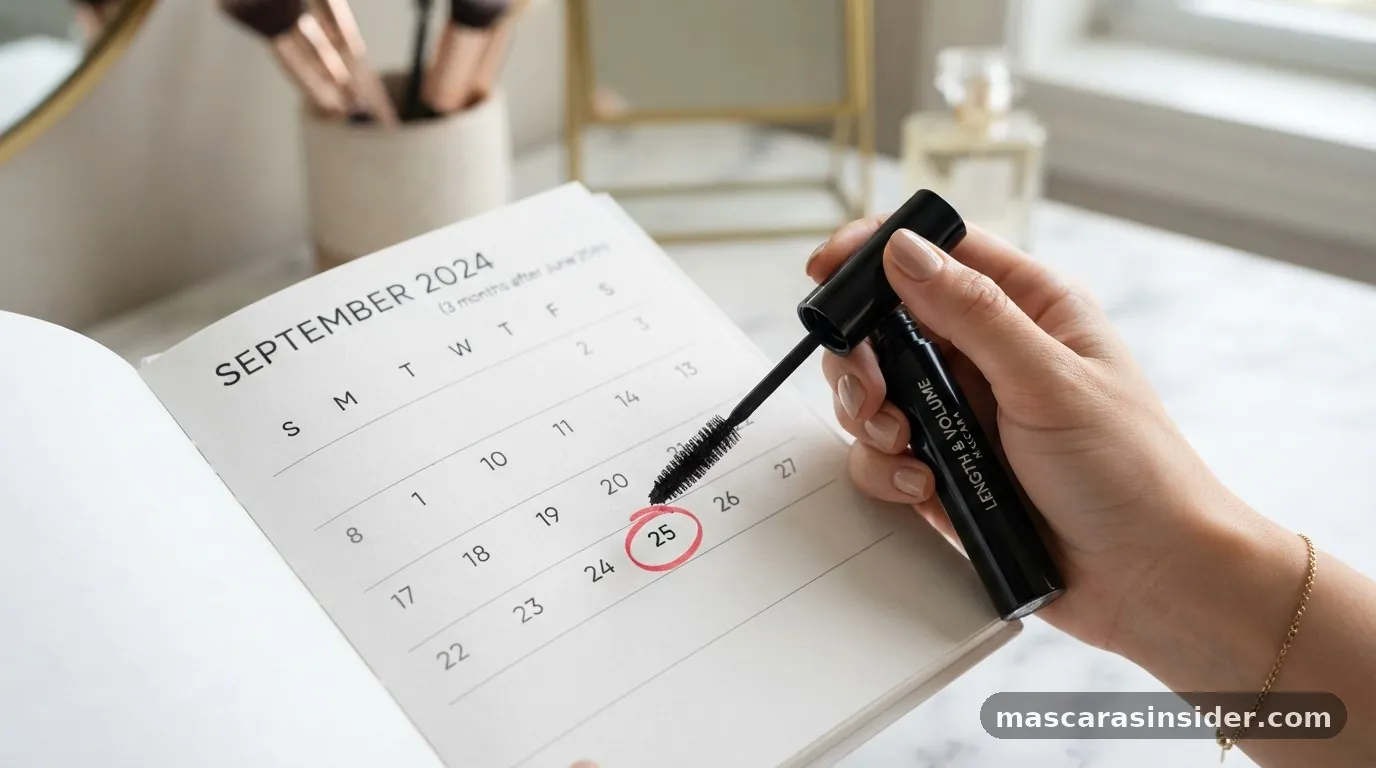
The standard recommendation from dermatologists and cosmetic chemists is that you should replace your mascara every three months. This timeframe is not an arbitrary marketing tactic designed to sell more units; it is based on the lifecycle of preservatives in the formula.
When you first open a brand-new tube, the preservatives are active and effective at keeping the environment inside the tube sterile. However, every time you pull the wand out and pump it back in, you introduce air, moisture, and debris from your lashes into the product.
Over time, these preservatives break down, losing their ability to inhibit bacterial growth. If you keep using a tube beyond the three-month mark, you are essentially applying a liquid medium that may contain a thriving colony of microorganisms directly to your lash line.
This is particularly dangerous because the eye is a highly sensitive mucous membrane. Unlike your skin, which acts as a barrier, your eyes lack that same level of protection, making them susceptible to inflammation and infection if exposed to foreign contaminants.
The Hidden Risks of Bacterial Growth
When we discuss why you need to replace mascara, the primary concern is the accumulation of bacteria. These microorganisms love the environment inside a tube mascara. They feed on the waxes and pigments, and they multiply rapidly once the protective seal is compromised.
Staph and strep bacteria are common culprits that can be transferred from your skin or the air into the product. Once they enter the tube, they don’t just stay on the wand; they contaminate the entire contents.
Using old mascara can lead to several uncomfortable and potentially serious conditions. The most common issues include conjunctivitis, commonly known as pink eye, which results in redness, itching, and discharge. In more severe cases, chronic exposure to contaminated products can lead to styes or even corneal ulcers.
Because the eye area is so delicate, even a minor infection can cause significant discomfort and require professional medical intervention. It is far cheaper and easier to buy a new tube of makeup than it is to pay for an antibiotic eye drop prescription.
Signs Your Mascara Has Expired
Beyond the calendar, your senses can often tell you when it’s time to toss your product. Even if you haven’t hit the three-month mark yet, you should replace mascara immediately if you notice any of the following changes in the product:
1. A shift in odor: If the mascara starts to smell like vinegar, sour milk, or anything chemical and unpleasant, it has likely degraded.
2. Changes in texture: If the product has become clumpy, stringy, or excessively dry, it is no longer safe or effective to use.
3.
Irritation: If your eyes begin to sting, burn, or water immediately after application, stop using the product instantly.
4. Color separation: If you notice the pigment separating or looking streaky on the wand, the emulsion has failed.
Many users make the mistake of trying to “revive” their dried-out products by adding water, eye drops, or oil. This is a significant error. Adding external liquids creates a perfect petri dish for mold and germs.
If your mascara is dry, it is simply finished. Trying to stretch the life of a product by diluting it only accelerates the risk of developing an infection.
The Dangers of Pumping the Wand
One of the most common habits that shortens the lifespan of your makeup is the “pumping” motion. Many people push the wand in and out of the tube multiple times to coat the bristles with more product.
This action forces air into the tube, which acts as a catalyst for oxidation. Oxidation dries out the formula much faster than normal, leading to the clumpy, flaky appearance that most of us try to avoid.
More importantly, every time you pump, you are pushing microscopic particles of skin cells, dust, and environmental pollutants into the tube. Think of the wand as a vehicle that picks up whatever is on your lashes and transports it into the dark, wet container. Instead of pumping, try gently swirling the wand inside the tube to pick up the product.
This simple change in technique keeps the integrity of the formula stable for longer and reduces the amount of air trapped in the container. According to the U.S. Food and Drug Administration, maintaining good hygiene with eye cosmetics is essential to preventing injury and irritation.
How to Store Your Makeup for Better Longevity
Proper storage is the best defense against premature product degradation. Many people store their makeup in the bathroom, but this is actually the worst place for it. Bathrooms are humid, warm, and prone to rapid temperature fluctuations.
This environment is an incubator for mold and bacterial proliferation. If you want your products to last their full three months, keep them in a cool, dry place away from direct sunlight.
* Keep your makeup bag clean: Regularly wipe out the interior of your cosmetic case to remove old powder, loose hair, and dust.
* Don’t share: Never share your mascara with friends or family. You are essentially swapping eye flora, which can lead to rapid cross-contamination.
* Clean your wands: If you find your wand getting gunky, you can occasionally wipe it down with a clean, disposable tissue, but avoid washing it with soap and water as you will never get it dry enough to prevent mold growth.
* Tighten the cap: Always ensure the lid is clicked or screwed shut tightly after every use. Even a slightly loose cap allows moisture to evaporate and air to enter.
The Impact of Daily Makeup Habits
The frequency with which you use your makeup directly impacts how quickly it becomes a hazard. If you are a daily user, you are interacting with the product hundreds of times over the course of a quarter. This high frequency of use means the preservatives are working overtime.
Conversely, if you only wear makeup for special occasions, you might be tempted to keep the tube for a year or more. This is a common trap.
Even if you only use the product once a month, the expiration clock starts the moment you break the seal. Once air enters the tube for that first application, the chemical stability begins to decline.
You should mark the date of first use on the bottom of the tube with a permanent marker. This takes the guesswork out of the process and ensures you aren’t holding onto old mascara that has long since passed its prime.
The following table summarizes the typical shelf life of common eye cosmetics to help you keep your entire makeup kit safe.
| Product Type | Recommended Replacement Time |
|---|---|
| Mascara | 3 Months |
| Liquid Eyeliner | 3 Months |
| Pencil Eyeliner | 6 Months to 1 Year |
| Cream Eyeshadow | 6 Months |
| Powder Eyeshadow | 1 to 2 Years |
Addressing Topical Gaps: Why “Natural” Isn’t Always Safer
There is a growing trend toward “clean” or “natural” beauty products. While many of these brands avoid harsh chemicals, they often use gentler, plant-based preservatives. This means that these products are actually even more susceptible to contamination than traditional, synthetic-heavy formulas.
If you switch to a natural mascara, you must be even more diligent about the three months rule. In some cases, these products may even require replacement sooner if they start to smell “off” or change consistency.
Another common misconception is that “waterproof” formulas last longer. While they are more resistant to smudging, they are not immune to bacterial colonization. The same rules apply regardless of whether the formula is volumizing, lengthening, or water-resistant.
The physical structure of the brush and the nature of the application process remain the same, meaning the risk profile is identical. Do not let marketing claims of “long-wear” or “durable” fool you into thinking the product is exempt from the laws of hygiene.
Final Best Practices for Eye Health
Ultimately, the goal of your beauty routine should be to enhance your features without compromising your health. If you are struggling with chronic eye issues, consider taking a break from eye makeup entirely for a week.
Sometimes, the skin around the eyes needs a chance to reset. If you notice persistent redness, it is always best to consult an optometrist rather than trying to self-diagnose.
Remember that your eyes are one of your most valuable assets. Replacing your mascara is a small price to pay for preventing an infection that could lead to long-term damage.
Whenever you feel like you are pushing the limits of your products, ask yourself if the cost of a new tube is worth the risk of a painful eye condition. In the world of cosmetics, fresh is always best.
Frequently Asked Questions
Does the price of mascara affect how long it lasts?
Not necessarily. While high-end brands may use different stabilizers, the fundamental risk of bacterial contamination remains the same for all liquid mascaras. Regardless of whether you spend five dollars or fifty, you should follow the three-month replacement rule to ensure safety and product effectiveness.
Can I use a spoolie to extend the life of my mascara?
Using a disposable spoolie can help prevent contamination if you dip it into the tube only once per eye. However, the product inside the tube still degrades over time due to air exposure. It is a good practice for hygiene, but it does not negate the need for timely replacement.
Is it safe to use mascara if I have sensitive eyes?
For those with sensitive eyes, sticking strictly to the three-month rule is vital. Furthermore, look for ophthalmologist-tested formulas that are free from common irritants. If you experience any burning or itching, discontinue use immediately and consider switching to a brand specifically formulated for sensitive users.
What should I do if I accidentally get mascara in my eye?
Rinse your eye immediately with clean, lukewarm water or a sterile saline solution. Avoid rubbing the area, as this can cause the pigment to scratch the surface of the eye. If irritation persists for more than a few hours, consult a medical professional to ensure no damage occurred.