

Dealing with mascara smudges under your eyes halfway through the day can instantly ruin a fresh, polished look. If you have ever wondered why your mascara leaves dark shadows or creates raccoon eyes despite your best efforts, you are definitely not alone. Understanding the root causes of mascara smudging helps you transform your routine and keep your makeup locked in place from morning until night.
Natural Skin Oils and Sebum Production
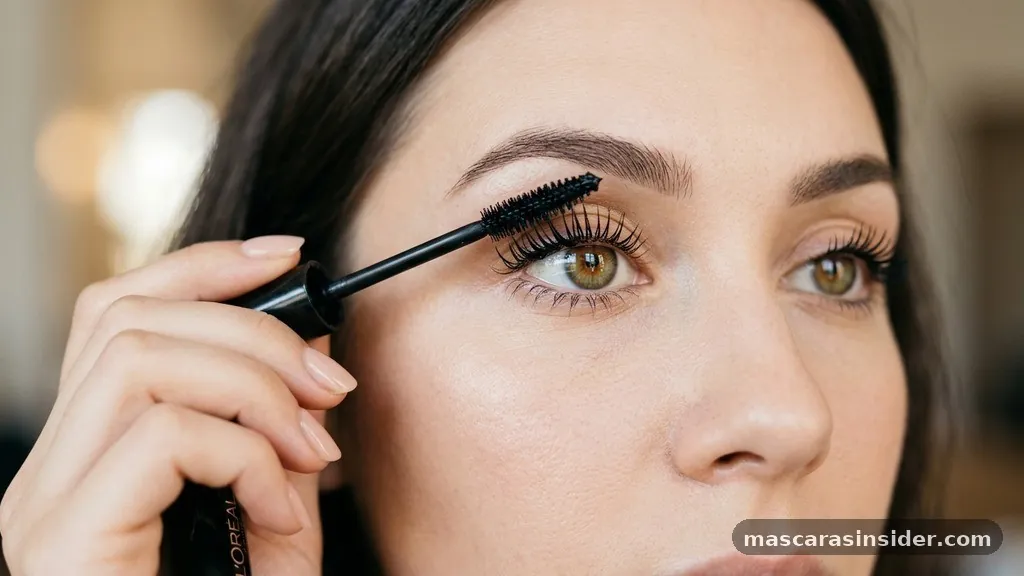
Natural skin oils are the primary culprit behind mascara smudging. Throughout the day, your sebaceous glands produce sebum, which migrates across the skin and breaks down the binding agents in your mascara.
When this oil meets wax- or oil-based formulas, it dissolves the product, causing it to slide right down onto your under-eye area. People with combination or oily skin types experience this breakdown much faster than those with dry skin.
To combat natural oils, preparation is key before you even touch an eye or a lash wand. Applying an oil-absorbing primer to your lids and the surrounding orbital bone creates a barrier that blocks sebum from reaching your cosmetics. You can also press a translucent setting powder right beneath your lower lash line to absorb any excess moisture before it compromises your wear time.
Choosing the Wrong Mascara Formula
Not all tubes of color are created equal, and wearing the wrong formula guarantees a midday mess. Traditional traditional mascaras often rely on heavier waxes and oils to deliver a dramatic look, but these ingredients react poorly to humidity, sweat, and blinking. If your eyelashes constantly brush against your skin or upper brow bone, those emollient-heavy formulas will easily transfer.
Switching to tubing variants can completely solve this persistent issue. Instead of coating hairs with paints that dissolve in oil, tubing products wrap every single lash in flexible polymer tubes.
These tiny sleeves resist sebum completely and only slide off when you saturate them with warm water during your routine at the end of the day. For those who prefer traditional options, waterproof versions offer better resistance against moisture, though they still require careful setting to prevent any oil-based transfer.
Lash Length and Eye Anatomy
Sometimes your unique eye shape and physical anatomy are entirely responsible for the mess. Individuals with deep-set sockets, hooded lids, or naturally very long lashes deal with constant friction. Every time you blink—which happens thousands of times a day—your tips physically touch the orbital bone or lower skin folds, stamping pigment onto the area.
Managing this structural challenge requires a few strategic adjustments to your application habits. Before coating your hairs, use a heated curler to lift them upward and outward away from the skin surface. You should also skip coating your lower lashes entirely, as leaving them bare eliminates half of the contact points that cause midnight smudges.
| Mascara Type | Best For | Smudge Resistance |
|---|---|---|
| Tubing Formulas | Oily skin, watery eyes | Very High |
| Waterproof Wax | Humidity, swimming | Moderate to High |
| Standard Regular | Dry skin, short wear | Low |
Skincare and Makeup Layering Mistakes
The products you layer underneath your cosmetics heavily influence how well your cosmetics stay put. Rich eye creams, heavy moisturizers, and emollient-packed liquid concealer create a slippery surface that grabs onto falling pigment. If your base isn‘t completely dry or set before application, your pigments will latch onto the residual oils and slide downward.
To ensure your base stays secure, allow your skincare at least five minutes to absorb fully before touching your face. When layering liquid or cream items, always press a light veil of loose setting powder over the area. This creates a dry, velvety canvas that prevents migrating pigment from sticking where it shouldn’t.
Application and Technique Errors
How you handle your wand during a daily step plays a massive role in whether your cosmetics stay put or migrate south. Applying too many thick, heavy layers prevents the product from drying completely, leaving it tacky and prone to transferring onto your skin. Additionally, rushing out the door before your makeup sets means every blink hazards a smear.
Adopting a cleaner application method makes a tremendous difference in your final results. Instead of pumping the wand—which forces air inside and dries out the product—twist it gently to gather the right amount of pigment.
For deeper insights into cosmetic chemistry and safe ingredient practices, visit the FDA cosmetics safety guide to learn more about product formulation standards. Build your coverage slowly using a light hand, and always give your cosmetics a full minute to set before blinking rapidly.
Environmental Factors and Humidity
External conditions can sabotage even the most carefully applied makeup routines. High humidity, warm weather, and sweaty gym sessions cause your body to produce moisture and oils at an accelerated rate, breaking down your cosmetics much faster than normal. Even indoor heating and air conditioning can dry out your skin, triggering excess oil production as a defense mechanism.
Combatting environmental breakdown requires proactive maintenance throughout your day. Carry blotting papers in your bag to dab away excess sebum around your orbital bone without disturbing your base. A quick mist of setting spray can also lock everything into place, creating a flexible shield against humidity and environmental wear.
- Prep your lids and orbital area with an oil-controlling primer.
- Dust translucent powder beneath your lower lash line to trap sebum.
- Skip coating your bottom lashes to eliminate friction points.
- Switch to a polymer-based tubing option if traditional products fail.
- Set your liquid base thoroughly before applying any color.
Frequently Asked Questions
Why does waterproof mascara still smudge on me?
Waterproof formulas resist water and sweat, but they are still vulnerable to the natural oils and sebum produced by your skin. When facial oils break down the wax binders in waterproof products, the pigment loosens and transfers onto your skin just like regular formulations.
Should I apply powder under my eyes before mascara?
Yes, dusting a light layer of translucent setting powder beneath your lower lashes creates a dry barrier. This powder absorbs natural skin oils and stops migrating pigment from sticking to your skin throughout the day.
How do I fix smudges without ruining my concealer?
Dip a clean cotton bud into a tiny bit of micellar water or liquid concealer, gently roll it over the smudge to lift the pigment, and pat a tiny bit of fresh powder over the spot to restore your base.
Does curling lashes help prevent smudges?
Curling lifts your hairs upward and outward, keeping them from brushing against your skin and brow bones every time you blink, which significantly reduces physical pigment transfer.
Conclusion
Mastering your makeup routine and conquering mascara smudging comes down to understanding how skin oils interact with different cosmetic formulas. By choosing the right products, setting your base, and adjusting your application habits, you can enjoy a flawless look all day long. Take these practical tips into your daily routine and enjoy smudge-free confidence.