

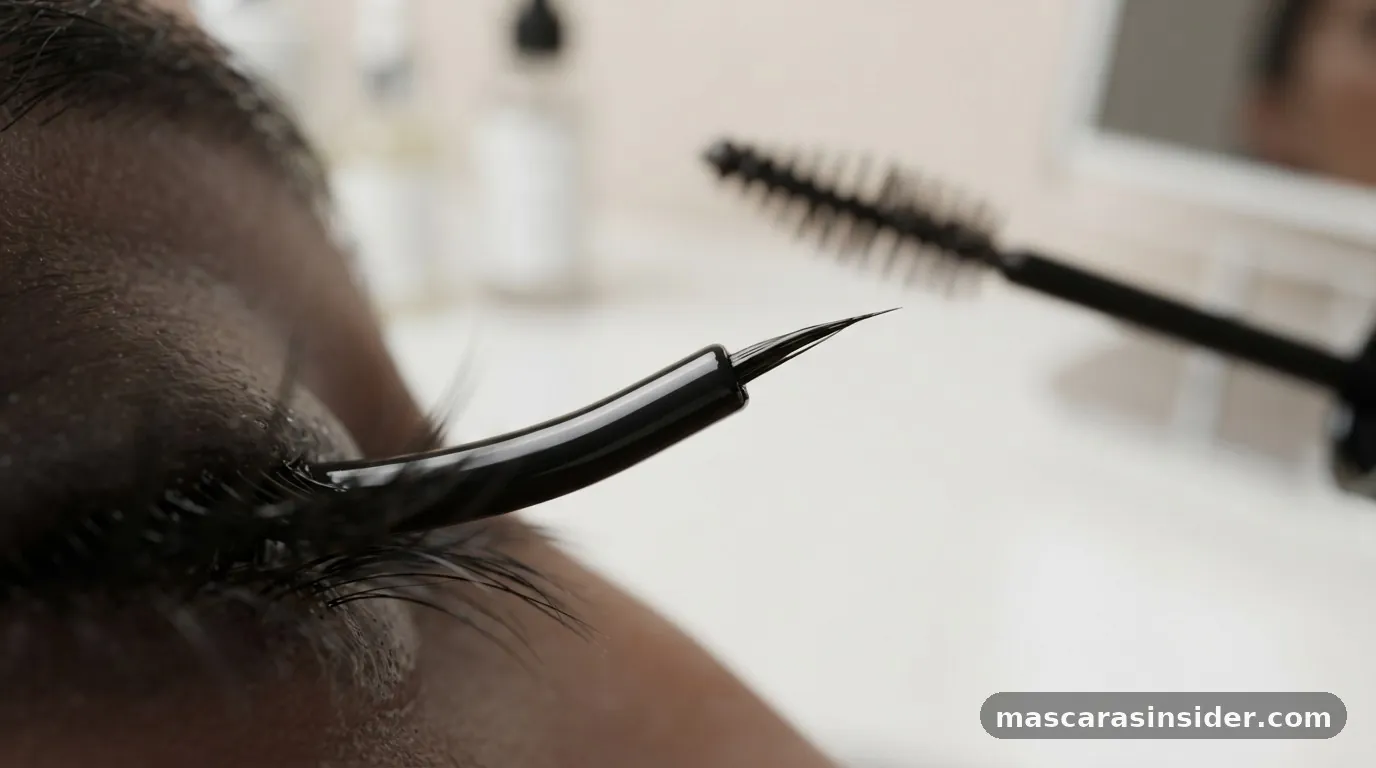
Tubing mascara utilizes advanced polymer technology to create tiny, water-resistant cylinders around each individual lash rather than simply coating them in pigment. While traditional products rely on waxes and oils that can smudge or flake as the day progresses, this specialized makeup creates a physical sleeve that stays locked in place until it is intentionally rinsed away. If you have ever struggled with raccoon eyes, persistent smudges, or the frustration of mascara that refuses to budge during removal, understanding the mechanics of these formulas is the first step toward a more reliable beauty routine.
The Core Mechanics of Tubing Formulas
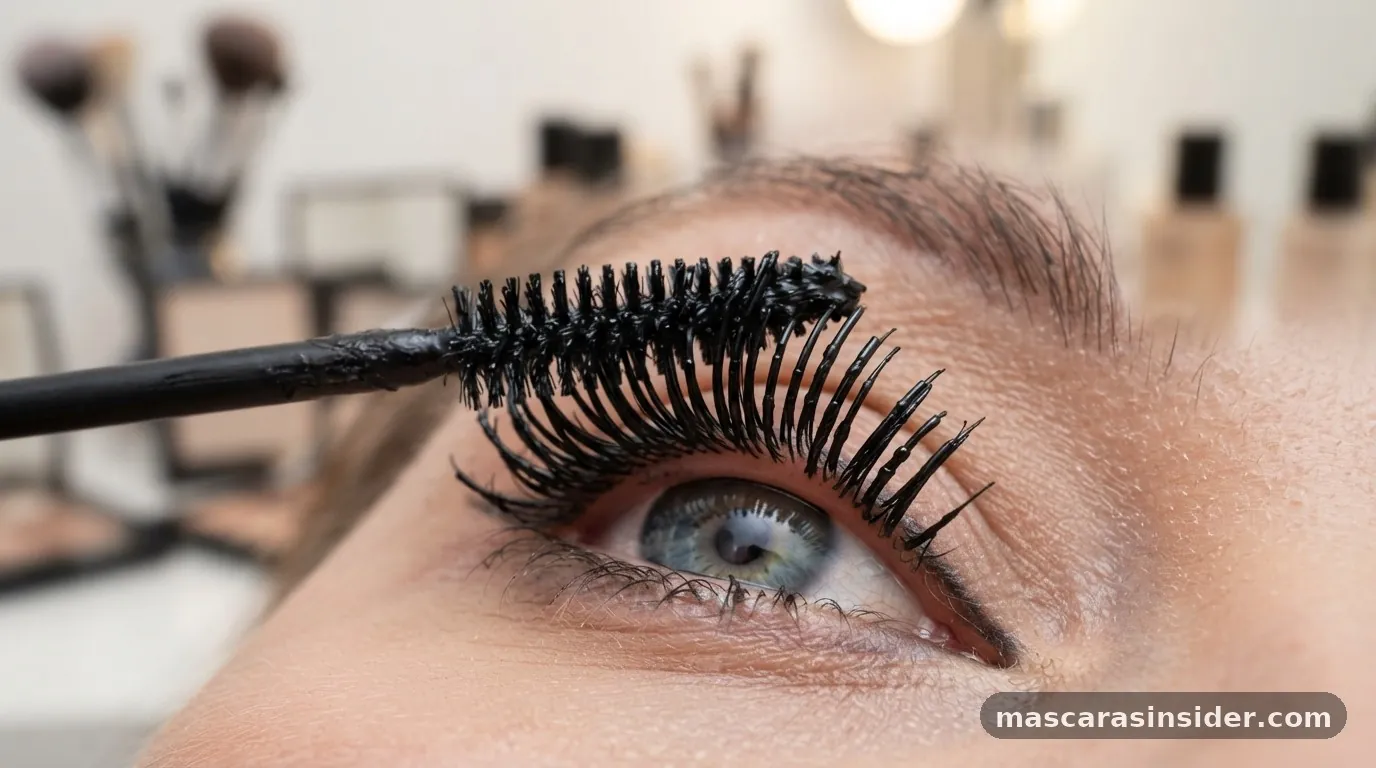
Tubing mascara works by coating every lash in a flexible, resin-based polymer that dries into a solid, water-resistant tube. Unlike regular mascara, which acts like a paint that sits on top of your hair fibers, these formulas are designed to adhere to the lash structure and shrink-wrap it securely.
When you apply this product, the polymers wrap around the lash from root to tip. As the formula dries, it forms a cohesive sheath. This physical barrier is what makes the product so resistant to natural oils, sweat, and humidity.
Because the tube is not oil-soluble, it won’t break down when it comes into contact with the moisture produced by your skin or the natural oils around your eyes. This is the primary reason why it remains pristine throughout the day, even for those with oily lids or those who live in humid climates.
The technology is fundamentally different from traditional waxes. Many conventional mascaras use heavy waxes to provide volume, which can soften when exposed to heat or oils. By contrast, the polymers used in these products remain stable.
They don’t melt, they don’t run, and they don’t migrate down your cheeks. When you look in the mirror after eight or ten hours, the product looks exactly as it did when you first applied it in the morning.
How Tubing Mascara Differs from Traditional Products
Tubing mascara behaves quite differently from regular mascara because of its chemical composition and removal process. While standard options rely on pigments suspended in a waxy base, tubing formulas are essentially a liquid film that turns into a solid structure.
The most significant difference lies in the longevity of the wear. Traditional formulas can often be manipulated throughout the day; if you touch them, they might smudge or flake. Tubing products, however, create a rigid, yet flexible, structural support for the lash.
Because they are designed to be removed with water, they are not technically waterproof in the sense that oil-based waterproof mascaras are. Paradoxically, they are more “smudge-proof” than many waterproof formulas, as they do not dissolve when exposed to the water and oils naturally found on the face.
| Feature | Tubing Mascara | Regular Mascara |
|---|---|---|
| Primary Ingredient | Synthetic Polymers | Waxes and Oils |
| Removal Method | Warm water and gentle pressure | Oil-based cleanser |
| Smudge Resistance | High (Oil-resistant) | Moderate to Low |
| Lash Texture | Sleek, defined | Voluminous, potentially clumpy |
The Science of Effortless Removal
One of the most frequent questions regarding this makeup is how to remove it without damaging the lash. The removal process is arguably the greatest advantage of using tubing formulas. Because the tubes are water-resistant but not oil-resistant, they respond specifically to the temperature of the water.
1. You start by saturating your lashes with warm water.
2. The heat from the water begins to soften the polymer sleeves.
3.
Once the tubes are sufficiently hydrated, they lose their grip on the lash hair.
4. You can then gently slide the tubes off using your fingertips or a damp cloth.
Because the tubes slide off in one piece, there is no need for harsh rubbing or the use of heavy-duty makeup removers. This is a massive benefit for people with sensitive skin or those who find that scrubbing their eyes causes irritation or premature aging.
You aren’t dissolving pigment into your eyes; you are physically removing the structure that was placed there. If you want to learn more about the biological structure of your eyelashes and how to protect them, you can consult the American Academy of Ophthalmology for guidance on eye health and hygiene.
Addressing the Common Myths and Topical Gaps
Many people wonder if tubing mascara is bad for your lashes, or if it can be worn over regular mascara. There is a persistent myth that the removal process pulls out natural hairs, but this is usually a result of user error.
If you attempt to remove the tubes before they have been properly softened by warm water, you may experience tugging. When used correctly, the removal should feel completely effortless.
Another common gap in knowledge is the concept of “layering.” Can you put tubing mascara over regular mascara? The answer is generally no.
If you apply a tubing formula over a waxy, traditional mascara, the tubing polymers will struggle to grip the lash. Instead, they will grip the wax, which is unstable.
This defeats the purpose of the tubing technology and will likely lead to flaking or smudging as the day progresses. It is best to stick to a single type of formula to ensure the integrity of the tubes.
Furthermore, some users are concerned about the environmental impact of these polymers. While many are synthetic, the beauty industry is constantly innovating to create more sustainable options. Always check the ingredient label if you are concerned about specific chemical compositions or microplastics, though the primary benefit remains the convenience of the removal process.
Who Benefits Most from Tubing Technology?
Tubing mascara is a game-changer for several specific groups of people. First, those with oily eyelids are prime candidates.
If you have ever found that your mascara migrates to your brow bone or creates dark circles under your eyes by midday, your natural skin oils are likely breaking down the waxes in your current product. Because tubing polymers are immune to these oils, they stay perfectly in place.
Second, people who wear contact lenses or have sensitive eyes often prefer these formulas. Because the product does not flake, there are no tiny particles falling into your eyes. Flaking is a common cause of irritation for lens wearers, and tubing formulas eliminate this risk entirely.
Finally, those who prioritize a quick morning and evening routine will appreciate the efficiency. If you are tired of spending five minutes every night massaging your face with oil cleansers to break down stubborn waterproof mascara, the transition to a tubing product will feel like a relief. You can simply wash your face in the shower, and the mascara will come off with the water, leaving no residue behind.
How to Achieve the Best Results
To get the most out of your tubing mascara, you need to adjust your application technique slightly. Because these formulas dry quickly, you don’t want to overwork the lashes.
1. Start at the base of the lash and wiggle the wand slightly to build volume.
2. Pull the brush through to the tip in a single, smooth motion.
3.
If you want more volume, apply a second coat immediately before the first one dries completely.
4. Once the product has set, avoid touching or combing through the lashes, as this can disturb the integrity of the tubes.
If you find that your lashes look a bit too “spidery” or defined, remember that this is a characteristic of the formula. These products prioritize separation and length over extreme, clumpy volume.
If you are looking for a dramatic, thick, “false lash” look, you might find that tubing mascara provides a more natural, clean aesthetic. Many users find that this clean look is actually more modern and flattering for everyday wear.
FAQ Section
Does tubing mascara run if you cry?
No, it generally does not run. Because the tubes are water-resistant, they will remain intact even if you cry. They do not dissolve like regular mascara, meaning you won’t end up with black streaks down your face, provided you don’t rub your eyes while they are wet.
Can I use tubing mascara on my bottom lashes?
Yes, you can. In fact, many people prefer it for bottom lashes because it prevents the common issue of mascara smudging onto the under-eye area. Since it stays put all day, you won’t have to worry about checking your reflection for smudges during your lunch break.
Is tubing mascara better than waterproof mascara?
It depends on your priorities. Waterproof mascara is better for submersion in water, such as swimming. However, tubing mascara is superior for daily wear because it is easier to remove and more resistant to the natural oils that cause traditional mascaras to smudge throughout the day.
How do I know if my mascara is a tubing formula?
Look for keywords like “tubing,” “polymer-based,” or “film-forming” on the packaging. Additionally, if the instructions specifically state that it can be removed with warm water rather than requiring an oil-based makeup remover, it is almost certainly a tubing mascara.