Determining whether you can bring your favorite beauty products through airport security often feels like a guessing game. Many travelers find themselves standing at the checkpoint, wondering if their mascara is a liquid and if it will be confiscated by security officers.
The truth is that cosmetic regulations are quite specific, and understanding how these items are classified can save you from the frustration of losing your expensive makeup at the gate. By learning the technical definitions used by aviation authorities, you can pack your bags with confidence and keep your beauty routine intact throughout your journey.
Understanding TSA Classifications for Cosmetics
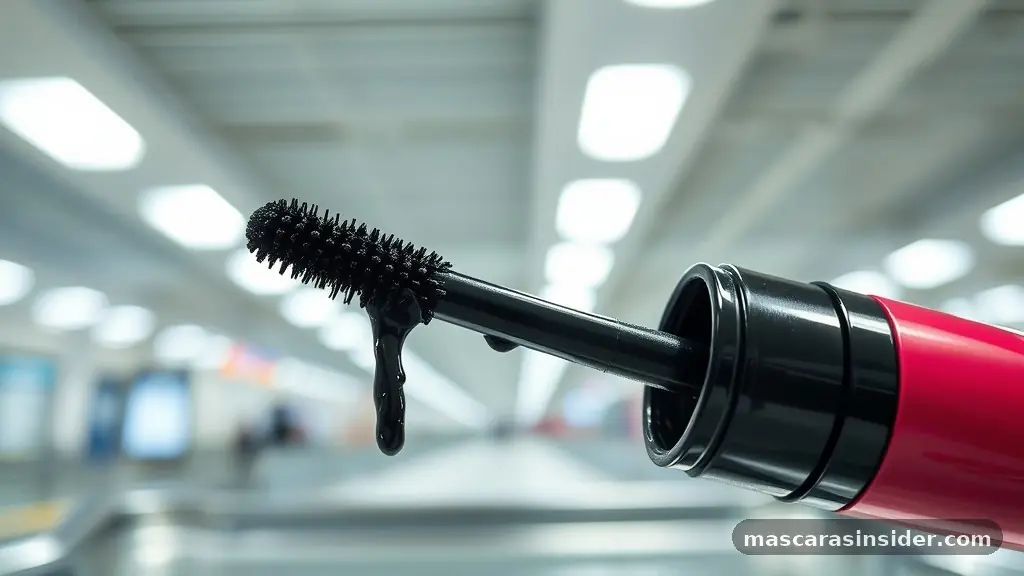
When you arrive at the security checkpoint, the Transportation Security Administration (TSA) relies on a clear set of standards to categorize personal care items. They classify almost any substance that is spreadable, pumpable, or pourable as a liquid, gel, or aerosol.
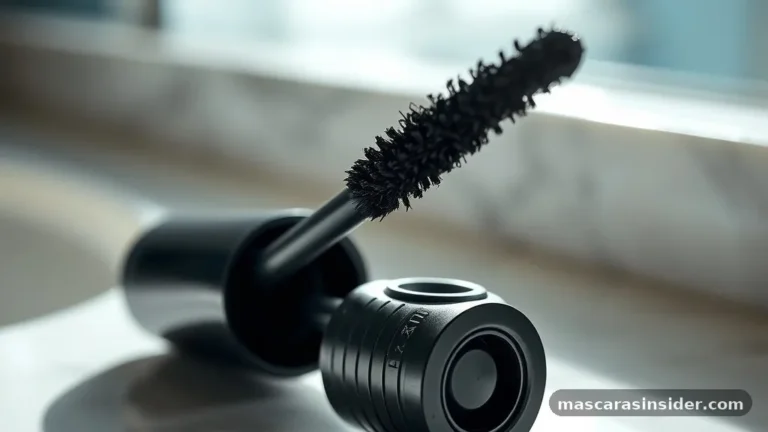
Because mascara has a viscous, fluid-like consistency, it falls directly under this umbrella. Even though you apply it with a wand rather than squeezing it from a bottle, its chemical composition is chemically closer to a gel than a solid.
Because the substance is considered liquid, it must adhere to the standard volume restrictions. You are limited to containers that hold 3.4 ounces (100 milliliters) or less per item. While a standard tube of mascara is significantly smaller than this limit, the regulation applies to the collective volume of all your toiletries.
If you try to bring a collection of full-sized products that exceed the capacity of your quart-sized bag, you may be asked to discard them. Recognizing that your mascara is a liquid helps you prioritize which items to include in your carry-on luggage versus your checked bags.
The Science Behind Mascara Consistency
To understand why authorities label mascara as a liquid, it helps to look at how the product is manufactured. Mascara is essentially a complex emulsion of pigments, oils, waxes, and water-based polymers.
These ingredients are blended to create a smooth, glide-on texture that coats your lashes evenly. When the product sits in the tube, it remains in a semi-liquid state to prevent it from drying out or clumping prematurely.
If you were to leave the cap off for an extended period, the moisture would evaporate, leaving behind the hardened wax and pigment. However, in its sealed, usable form, it maintains a fluid viscosity that meets the definition of a liquid for security screening purposes. Manufacturers design these formulas to be stable during shipping and storage, which involves maintaining a specific moisture content.
This moisture is exactly what triggers the security sensor’s classification as a liquid. Knowing this helps you see why security officers are so strict about the “spreadable” rule, as it covers everything from heavy creams to viscous gels.
Navigating Carry-On Luggage Restrictions
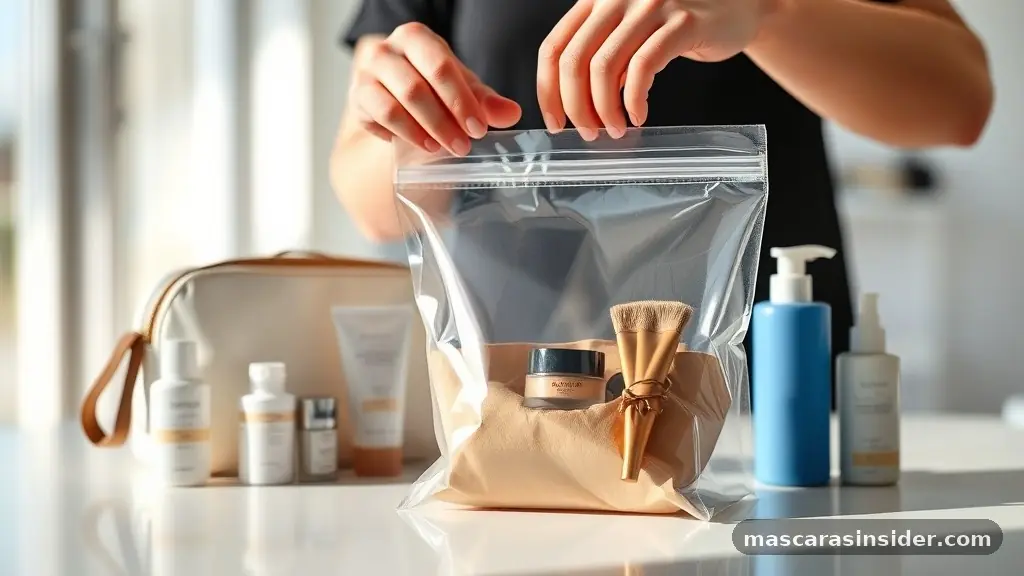
When you prepare your carry-on bags, you must follow the 3-1-1 rule. This rule dictates that all liquids, gels, and aerosols must be placed in a single, clear, quart-sized bag.
Since your mascara is a liquid, it belongs in this pouch along with your lip gloss, foundation, and concealer. Keeping these items together allows the security officer to scan your bag quickly without needing to search through your entire suitcase.
It is helpful to organize your liquids before you even get to the airport. If you pack your makeup in a disorganized way, you increase the likelihood of needing a manual bag check. By using a transparent, zip-top bag, you demonstrate compliance with official TSA guidelines regarding liquids.
This simple step makes the entire screening process smoother for both you and the personnel working the checkpoint. Always verify that your tubes are tightly sealed, as cabin pressure changes during flight can occasionally cause minor leaks in older or improperly closed containers.
Comparing Liquid vs. Solid Makeup Items
Not every beauty item in your kit is treated the same way. Distinguishing between solids and liquids is vital for efficient packing. While mascara is a liquid, a pressed powder blush or a traditional lipstick bullet is generally considered a solid.
These items do not need to be placed in your quart-sized bag, though they can be if you have extra space. Understanding this distinction allows you to maximize the limited space in your liquids bag for items that truly need to be there.
| Makeup Category | TSA Classification | Packing Requirement |
|---|---|---|
| Mascara | Liquid/Gel | Must be in quart-sized bag |
| Pressed Powder | Solid | Can be packed anywhere |
| Liquid Eyeliner | Liquid | Must be in quart-sized bag |
| Lipstick Bullet | Solid | Can be packed anywhere |
| Cream Bronzer | Cream/Liquid | Must be in quart-sized bag |
Managing Cream-Based Beauty Products
Many people struggle with products that sit in the middle of the spectrum, such as cream bronzers or highlighters. If a product has a texture that can be smeared or spread, it is almost certainly going to be classified as a liquid at a security checkpoint. Even if the product feels thick or waxy, the rule of thumb is that if it isn’t a powder or a solid stick, it should be treated as a liquid.
When in doubt, it is always safer to place the item inside your quart-sized bag. There is no penalty for putting a solid item in your liquids bag, but there is a significant penalty for leaving a liquid item in your main luggage if it exceeds the allowed limit or is caught during a random check.
By adopting a “better safe than sorry” approach, you ensure that your makeup remains with you throughout your flight. This strategy is especially important for expensive luxury products that you would hate to lose to a trash bin at the airport.
The Importance of Travel-Friendly Packaging
If you are a frequent traveler, you might consider investing in travel-sized versions of your favorite beauty staples. Many brands offer mini versions of their best-selling mascara, which are designed to fit perfectly into a TSA-compliant kit.
These products are not only easier to pack but are also more hygienic for short trips. Since mascara has a limited shelf life once opened, smaller tubes are actually more practical for maintaining the quality of the formula.
When you buy travel-friendly versions, you often save precious space in your quart-sized bag. This allows you to bring a wider variety of products without exceeding the volume limits. If you prefer your full-sized products, ensure they are securely capped.
Some travelers use small pieces of plastic wrap under the cap to provide an extra seal against the pressure changes of an airplane cabin. This small tip can prevent a messy disaster inside your makeup bag during a long-haul flight.
Addressing Common Travel Myths
There is a persistent myth that some makeup is exempt from the liquid rule. Some travelers believe that because mascara is “makeup,” it should be treated differently than toiletries like shampoo or lotion. This is incorrect.
The security rules are based on the physical state of the substance, not its purpose or its price point. Whether it is a $50 mascara or a $5 drugstore find, the security officer will treat it the same way.
Another common misconception is that you can bring as many liquids as you want as long as they are in small containers. While the 3.4-ounce limit applies to the individual container, the overall size of your liquids bag must also be reasonable.
You cannot carry a suitcase filled entirely with dozens of tiny liquid bottles. If you are traveling for a long period, it is often more efficient to pack your larger items in checked baggage and keep only the essentials in your carry-on.
How to Pack Makeup Like a Pro
Efficiency at the airport starts at home. When you are packing, group your items by category. Keep your skincare, base makeup, and eye products organized.
If you have a lot of items, consider using a clear, double-sided toiletry bag that allows you to see everything at a glance. This makes it much easier to pull your liquids bag out for the scanner and put it back in your carry-on without delay.
Make sure your liquids bag is easily accessible. If you bury it at the bottom of your backpack, you will hold up the line while you dig for it.
Place it in an outer pocket or near the top of your bag so you can grab it in seconds. This level of preparation shows security staff that you are a seasoned traveler who respects the rules, which often makes for a more pleasant interaction.
Topical Gaps: What Most People Forget
One aspect that is rarely discussed is the temperature sensitivity of your makeup. Mascara is a liquid that can be affected by extreme heat or cold. When you leave your bag in a hot car or a cold terminal, the consistency of the wax and oil in your mascara can change.
If the product separates, it might become clumpy or dry out faster than usual. Always try to keep your makeup bag in a temperature-controlled environment whenever possible.
Another gap in knowledge concerns the expiration of products during travel. If you are taking a long trip, remember that mascara should generally be replaced every three months.
Traveling with an old, dried-out tube is not only frustrating because of the poor application, but it can also be a magnet for bacteria. Use your travel time as a reset button; if your mascara is nearing the end of its life, discard it before you leave and buy a fresh, travel-sized tube at your destination.
FAQ Section
Does mascara count as a liquid when flying?
Yes, mascara is considered a liquid by aviation security. Because it is a viscous, gel-like substance, it must be packed in a transparent, quart-sized bag along with your other liquids and gels. It must also comply with the standard 3.4-ounce (100ml) container limit.
Can I bring mascara in my carry-on bag?
You can absolutely bring mascara in your carry-on bag, provided you follow the 3-1-1 rule. Simply place the tube in your quart-sized liquids bag. If you have multiple tubes, ensure they all fit within that same bag to satisfy the security requirements at the checkpoint.
What happens if I forget to put my mascara in the liquids bag?
If you forget to include your mascara in your quart-sized bag, the security officer may ask you to remove it from your luggage and place it in the bag at the checkpoint. In some cases, if the bag is already over capacity, you might be asked to discard the item.
Are there any makeup items that don’t count as liquids?
Yes, solid makeup items are exempt from the liquid rule. This includes pressed powders, powder blushes, eyeshadow palettes, and traditional lipstick bullets. These items can be packed anywhere in your carry-on or checked luggage without needing to be stored in your quart-sized liquids bag.
Conclusion
Knowing that mascara is a liquid is the first step toward stress-free travel. By adhering to the standard security rules and keeping your items organized in a quart-sized bag, you can ensure that your beauty routine stays on track regardless of your destination. Remember to prioritize travel-sized containers to save space and always double-check your seals before you head to the airport.
Proper preparation not only speeds up your transit through the security line but also protects your favorite products from being flagged or discarded. Now that you have a clear understanding of how to pack your makeup, you can focus on enjoying your trip with your essential beauty tools safely tucked away in your carry-on. Happy travels and enjoy your next adventure!