
Deciding whether you should put mascara on your bottom lashes is one of those timeless beauty dilemmas that can completely shift the focal point of your makeup routine. Some makeup artists swear by it for a wide-eyed, doll-like appearance, while others avoid it entirely to keep the under-eye area looking clean and youthful. Whether or not you choose to apply product to those delicate lower hairs depends heavily on your eye shape, the condition of your skin, and the specific formula you reach for in your makeup bag.
Why People Choose to Wear Mascara on Lower Lashes
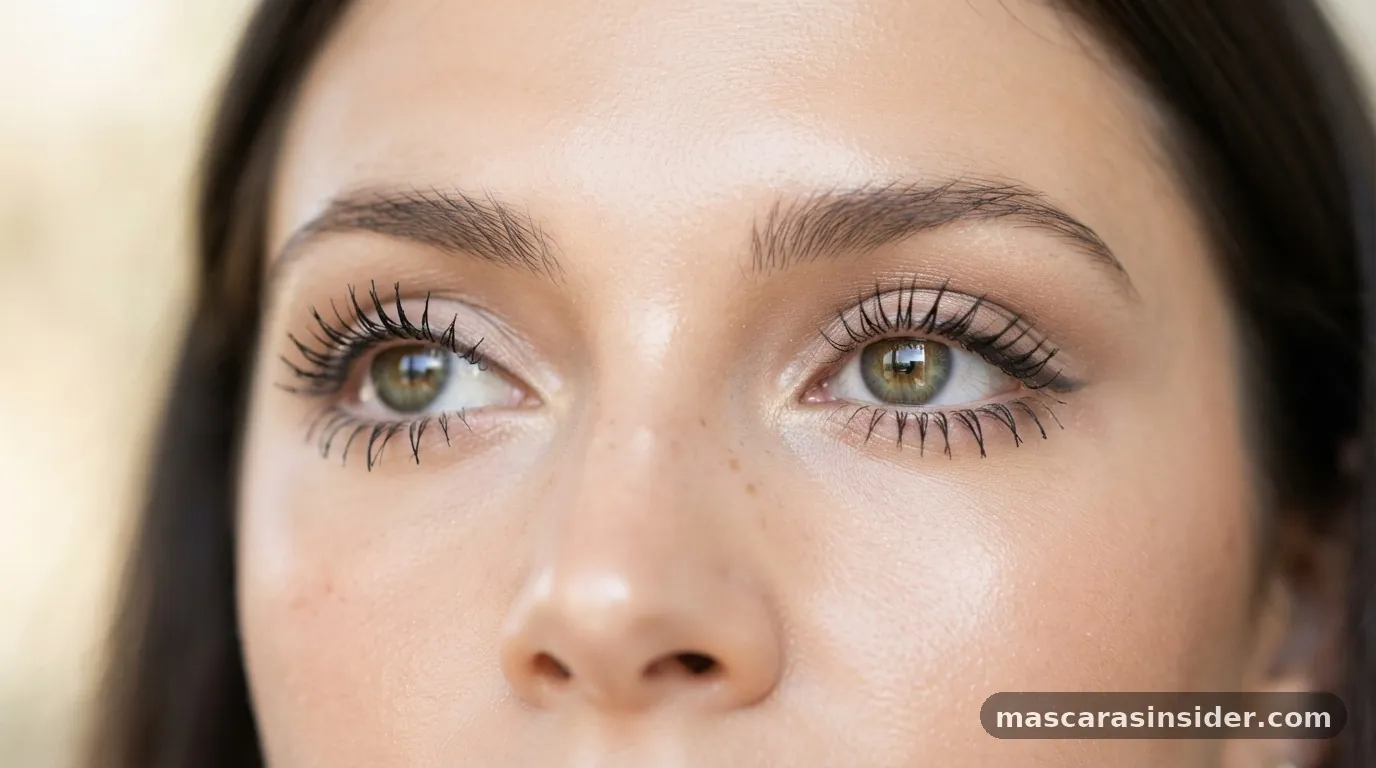
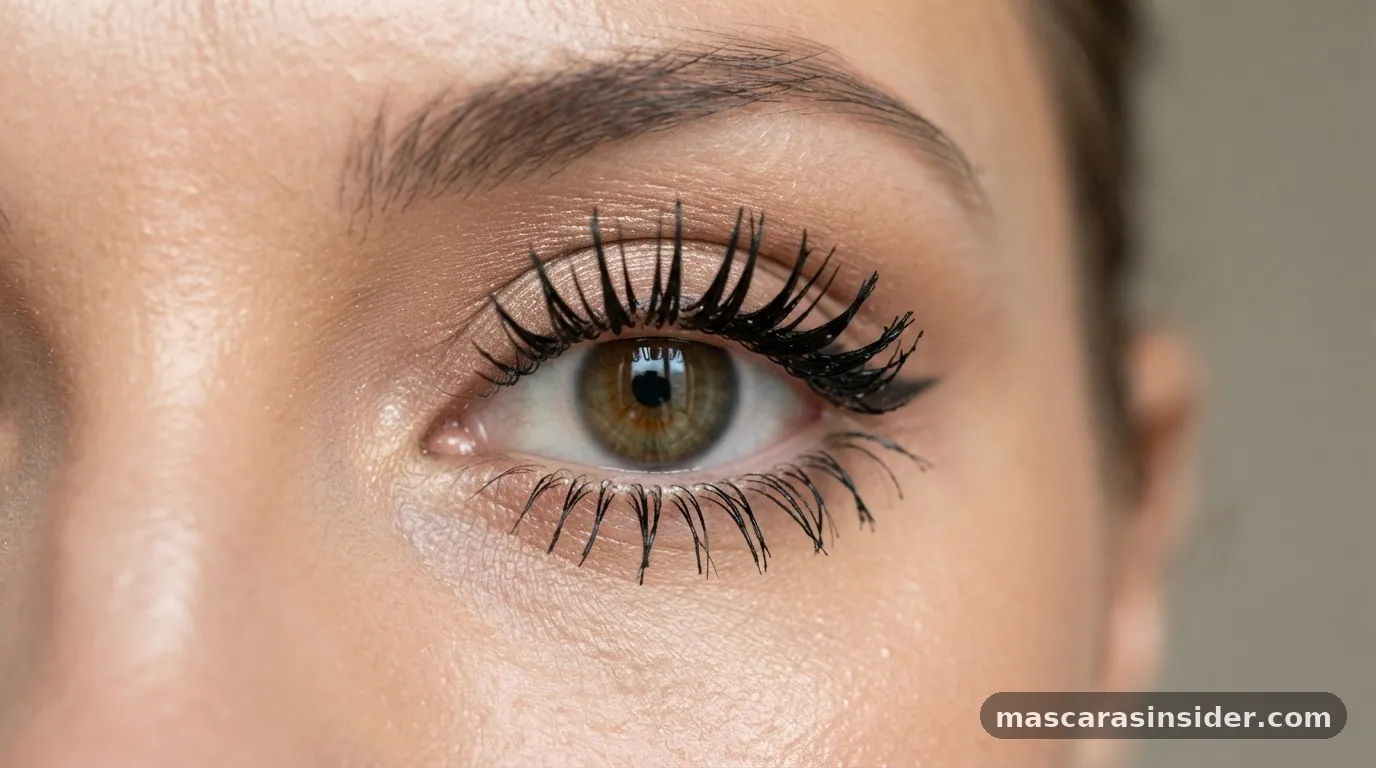
The primary reason to wear mascara on bottom lashes is to create a more balanced, framed look for the eyes. When you apply pigment to both the top and bottom, you essentially create a “bookend” effect that can make the eyes appear larger and more open.
This technique is particularly effective for those with smaller eyes or those who want to achieve a dramatic, high-glamour aesthetic. By darkening the lower lash line, you add depth to the eye contour, which helps to ground a heavy eyeshadow look or provide a pop of contrast against the skin.
Beyond aesthetics, using mascara on the lower lash line can help pull together an entire look. If you are wearing a bold lip or a sharp cat-eye, a bit of definition on the bottom can prevent your upper lashes from looking like they are floating in isolation.
It creates a cohesive appearance that feels finished rather than partial. Many people find that leaving the lower lashes bare makes them feel like their makeup is incomplete, especially if they have naturally light or sparse hair in that area.
Does Mascara on Bottom Lashes Make You Look Older?
A common concern is that applying makeup to the lower lash line can accentuate fine lines, crow’s feet, or dark circles, potentially adding years to your face. The reality is that the aging effect is usually not caused by the mascara itself, but rather by the transfer of product onto the delicate skin under the eye.
As the day progresses, traditional formulas can flake or smudge, settling into the fine lines beneath the eye and highlighting shadows or dark circles. This is why many people, particularly those over 40 or 50, decide to skip the lower lash application to maintain a brighter, more refreshed appearance.
If you love the look of defined lower lashes but worry about the aging effect, the secret lies in the product choice and application method. A heavy, clumpy application will almost always look aging because it draws attention to the skin texture rather than the eyes themselves.
Opting for a light, feathery touch—or using a specialized wand—can give you that wide-eyed effect without the risk of creating dark, smudgy shadows that drag the face down. It is all about maintaining a clean, crisp under-eye area.
Choosing the Best Formulas to Prevent Transfer
To prevent transfer, you must choose the right type of mascara. The main culprit behind the “raccoon eye” effect is the interaction between the oils in your skin and the waxes in standard mascara. If you have oily skin or hooded eyes, your lower lashes are likely to brush against your skin throughout the day, causing the product to migrate.
Using a waterproof formula is the most common solution, as these are designed to resist moisture and oil. However, waterproof formulas can be difficult to remove, which might lead to tugging at the delicate skin around your eyes.
A superior alternative for lower lashes is a tubing mascara. These formulas form tiny, water-resistant “tubes” around each individual hair rather than painting them with a waxy pigment.
Because these tubes don’t smudge or flake, they are virtually transfer-proof, making them the gold standard for anyone who wants to wear mascara on their bottom lashes without the fear of ending up with dark smudges by lunch. They also wash off easily with warm water, sparing you from the irritation of harsh makeup removers.
Techniques for a Natural and Flawless Application
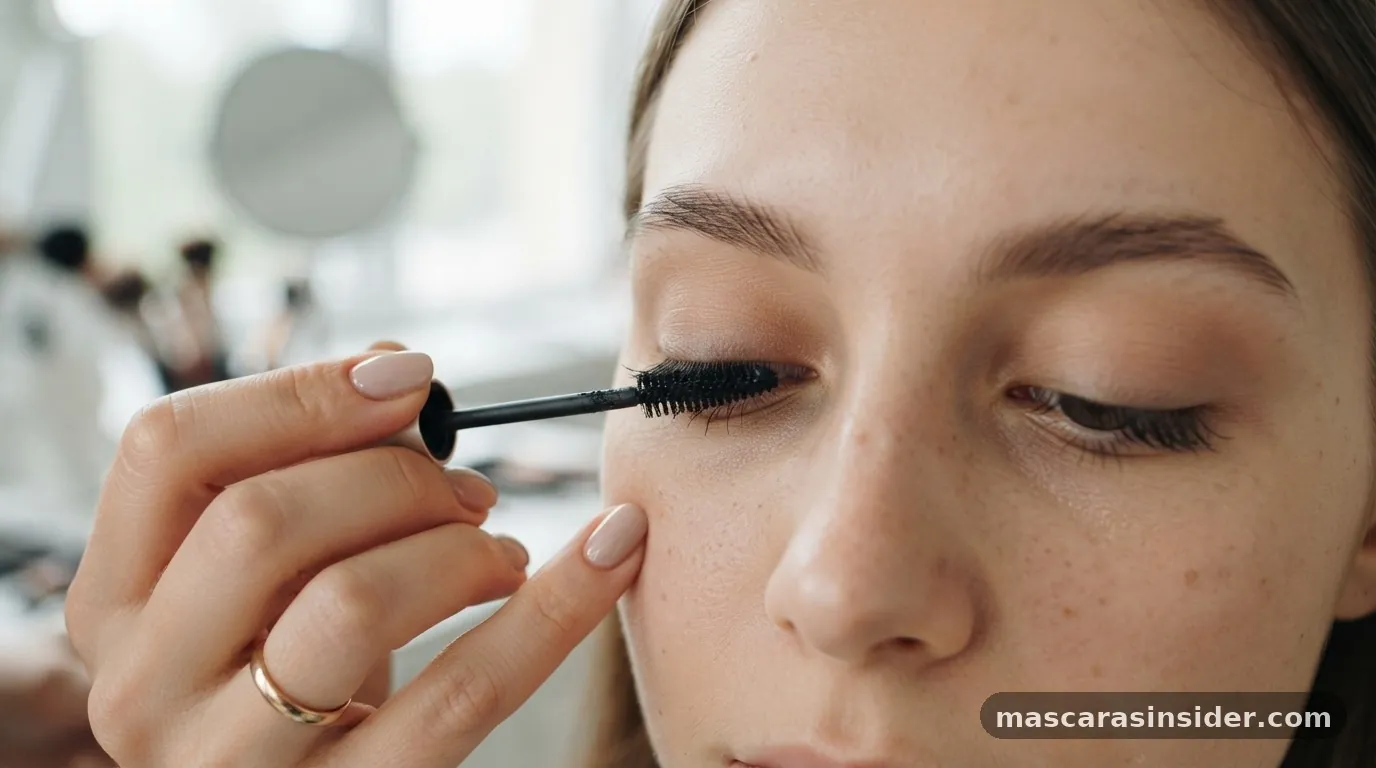
Applying mascara to the lower lash line requires a different level of precision compared to the upper lashes. Because the hairs are shorter and located in a tighter space, it is easy to get product on the skin.
One effective trick is to hold your mascara wand vertically. By using just the tip of the wand, you have much more control over where the pigment goes, allowing you to coat each lash individually without catching the surrounding skin.
1. Wipe the wand on a tissue first to remove excess product, which prevents clumping.
2. Hold the wand vertically to target the inner and outer corners of the lower lash line.
3.
Use a steady hand to wiggle the wand slightly at the root to create a subtle base of volume.
4. Gently pull the wand down toward the tips of the lashes to coat them evenly.
5. If you do get a smudge, wait for it to dry completely before trying to wipe it away with a clean, dry spoolie brush.
Comparing Lower Lash Options: A Quick Guide
Choosing whether or not to apply mascara to your lower lashes often comes down to your personal style and the amount of time you want to dedicate to your routine. Below is a breakdown of how different approaches can impact your final look.
| Approach | Visual Impact | Maintenance Level |
|---|---|---|
| No Lower Mascara | Clean, bright, youthful | Minimal |
| Standard Mascara | Dramatic, wide-eyed | High (risk of smudging) |
| Tubing Mascara | Defined, long-lasting | Low (smudge-proof) |
| Clear Mascara | Sleek, natural, groomed | Very Low |
Addressing Common Topical Gaps and Misconceptions
Many people ask if their eyelashes are healthier without mascara, or if they should avoid it entirely to prevent damage. The truth is that hair health is more closely related to how you remove your makeup than the application itself. If you are aggressive with your removal—rubbing, pulling, or using harsh cotton pads—you will eventually cause breakage.
This is why many people find that their lower lashes are sparse; they are often the first to suffer from rough cleansing habits. If you use a gentle, oil-based cleanser or a tubing mascara that dissolves with water, you can safely wear mascara every day without compromising the health of your natural lashes.
Another misconception is that you need to match your bottom lash mascara to your top lash mascara. You absolutely do not. In fact, many makeup artists prefer to use a smaller, more precise wand on the bottom lashes while using a volumizing, larger brush on the top.
This allows for better control and prevents the lower lashes from looking too heavy or “spidery.” You can even use a brown or soft black shade on the bottom to soften the look, while keeping a deep, intense black on the top. This contrast creates a more natural, sophisticated result that doesn’t overwhelm the face.
Frequently Asked Questions
Does putting mascara on bottom lashes make them look longer?
Yes, applying mascara to your bottom lashes will extend the appearance of the hair, which can frame the eyes and make them look more defined. However, if the lashes are naturally very sparse, a lengthening formula might look stringy, so a volumizing formula is often preferred.
Can I wear mascara on bottom lashes if I have eyelash extensions?
It is generally not recommended. Mascara, especially waterproof or oil-based versions, can break down the adhesive used for extensions. If you feel you must, use only a water-based, extension-safe mascara on the very tips of the bottom lashes, avoiding the lash line entirely to keep the extensions safe.
What is the best way to fix a smudge under my eye?
Do not try to wipe the smudge while the mascara is still wet, as this will only spread the pigment further across your skin. Wait for the mascara to dry completely, then use a clean, dry spoolie or a cotton swab to gently flick or buff the dried flake off the skin.
Should I use a primer on my bottom lashes?
A lash primer can be helpful if you want to add extra length or volume, but it isn’t strictly necessary for the bottom lashes. If you struggle with smudging, a primer might actually add an extra layer of product that is more likely to transfer, so it is often better to skip it for the lower lash line.