
Learning how to take off waterproof mascara without damaging your delicate eye area is a skill every beauty enthusiast needs. Many people struggle with this because waterproof formulas are specifically engineered to resist moisture, sweat, and tears.
These products contain high concentrations of waxes and polymers that lock onto your lashes, making them notoriously difficult to dissolve with standard soap and water. If you find yourself scrubbing your eyes until they turn red, you are likely causing unnecessary stress to the sensitive skin around your lids and potentially thinning out your natural lashes.
The secret to a successful removal routine lies in patience and the right solvent. Because waterproof makeup is oil-resistant, you need a substance that can break down those stubborn bonds.
Whether you prefer a specialized makeup remover or a natural oil-based alternative, the method you choose determines the health of your eyes in the long run. By following a structured approach, you can ensure that every trace of pigment is gone, leaving your eyes clean and ready for your nightly skincare regimen.
Choosing the Right Solvent for Waterproof Makeup
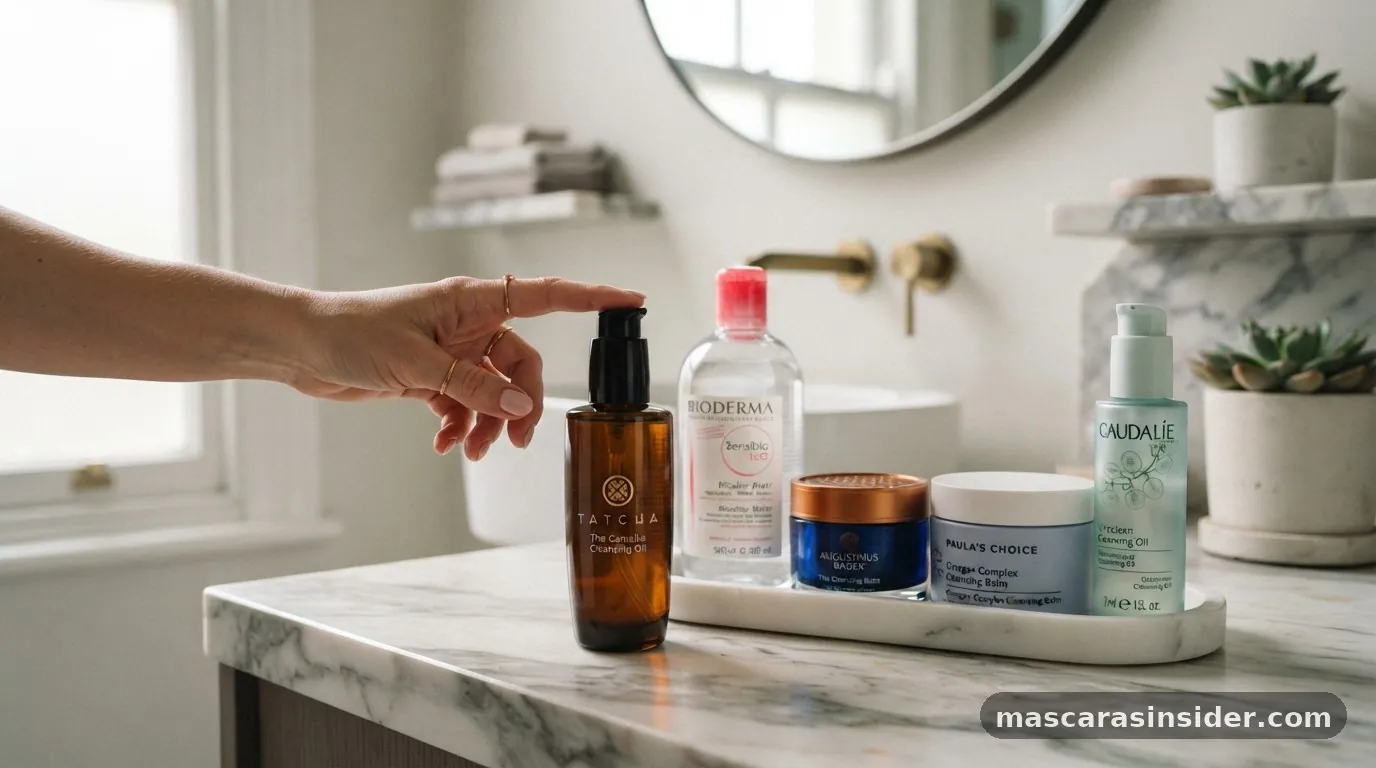
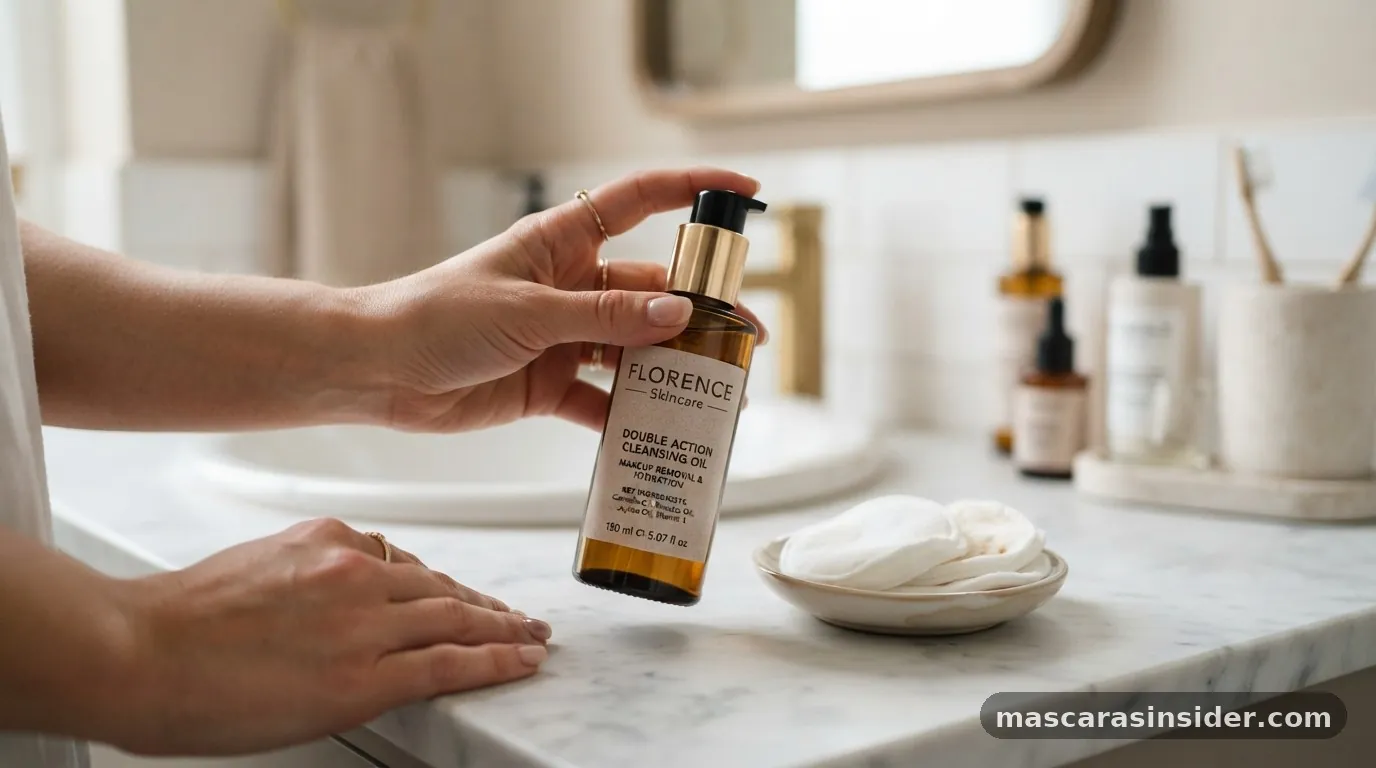
To remove waterproof mascara effectively, you must select a product designed to dissolve long-wear polymers. The most reliable options include bi-phase removers, cleansing oils, or specialized micellar formulas.
A bi-phase remover typically consists of an oil layer and a water layer that you shake together before use. The oil component is the MVP here; it softens the waxy coating on your lashes, while the water-based portion helps whisk away the residue without leaving your face feeling overly greasy.
If you have sensitive eyes, look for a gentle formula that is ophthalmologist-tested. Many people mistakenly believe that any cleanser will work, but using a product that isn’t formulated for waterproof cosmetics often leads to harsh rubbing. This physical agitation is the primary cause of lash breakage and irritation.
When you apply a high-quality cleanser to a cotton pad, the chemical reaction begins almost immediately. You should notice the mascara sliding off the hair shaft rather than flaking away in dry chunks.
Comparing Common Removal Methods
Not all products are created equal when it comes to breaking down synthetic waxes. The following table highlights the effectiveness and texture of common removal agents used for stubborn eye makeup.
| Method | Effectiveness | Skin Feel |
|---|---|---|
| Bi-Phase Remover | High | Slightly oily |
| Cleansing Oil | High | Nourishing |
| Micellar Water | Moderate | Refreshing |
| Coconut Oil | High | Heavy/Greasy |
The Step-by-Step Process for Clean Lashes
The physical technique you employ is just as important as the product you choose. You should never pull or tug at your eyes. Start by saturating a clean cotton pad with your chosen remover.
Press the pad firmly against your closed eyelid and hold it there for at least 30 seconds. This “soak time” is crucial because it allows the oil or solvent to penetrate the layers of mascara. Once the product has had time to soften the formula, gently wipe downward following the natural direction of your lashes.
1. Saturate your cotton pad with the remover.
2. Place the pad over your closed eyelid.
3.
Wait 30 seconds for the formula to dissolve the wax.
4. Wipe downward slowly; avoid side-to-side scrubbing.
5.
Use a Q-tip dipped in remover to clean the lash line.
6. Rinse your face with lukewarm water to remove residue.
By following these steps, you minimize the friction applied to the thin skin of your eyelids. If you notice remaining black smudges along the waterline, use a small cotton swab to carefully trace the base of your lashes.
This ensures that no pigment is left behind to cause irritation or clogging of the oil glands near your lash line. If you are interested in the science behind skin health, you can read more about proper cleansing techniques from the American Academy of Dermatology.
Why Harsh Rubbing Causes Long-Term Damage
One of the most common mistakes people make is trying to force the mascara off when it refuses to budge. When you scrub your lids, you are essentially sandpapering your skin. The area around the eye is the thinnest on the entire body, making it highly susceptible to premature wrinkling and inflammation.
Furthermore, aggressive rubbing puts direct pressure on the hair follicles of your lashes. Over time, this causes them to become brittle, thin, or even fall out prematurely.
If you find that the mascara is still stubborn after a 30-second soak, do not start scrubbing. Instead, add a little more product to your pad and perform a second soak.
It is far better to spend an extra minute on the removal process than to spend weeks dealing with irritated, puffy eyes. If you are using a product like skinactive micellar water, ensure you are using the version specifically labeled for waterproof makeup, as standard formulas may not contain the necessary oils to break down the bond effectively.
Addressing Topical Gaps: Natural Oils and Alternatives
Many people look for ways to remove waterproof mascara without conventional drugstore products. While natural oils like jojoba, almond, or even extra virgin olive oil are excellent at dissolving makeup, they come with caveats.
Oil is highly effective at breaking down the waxes, but it can be difficult to rinse off completely. If you leave a heavy film of oil on your eyes, it can temporarily blur your vision or contribute to the formation of small white bumps called milia.
If you decide to use a natural oil, apply a small amount to your fingertips and gently massage it into your lashes. After the mascara has loosened, use a warm, damp washcloth to wipe away the oil. This step is essential to ensure your pores stay clear.
While natural alternatives are great for those with sensitive skin who react to synthetic fragrances or preservatives, they lack the emulsifiers found in professional cleansers that make rinsing easy. Always choose high-quality, cold-pressed oils if you go this route, and be mindful of how your skin reacts to different botanical extracts.
Managing Lash Health During the Removal Process
Your lashes are not just a cosmetic feature; they protect your eyes from debris and dust. When you use waterproof mascara regularly, your lashes can become dehydrated and stiff.
The removal process should therefore focus on nourishment as much as cleanliness. Using a product that contains conditioning agents—like panthenol, vitamin E, or glycerin—can help keep the hair shafts supple even after the makeup is removed.
It is also important to consider the tools you use. Cheap cotton pads can be abrasive, leaving behind tiny fibers that get stuck in your eyes. Opt for high-quality, lint-free pads or reusable bamboo rounds.
Reusable rounds are not only better for the environment but are often softer on the skin. When you are done removing the makeup, consider applying a light lash serum or a drop of castor oil to the base of your lashes. This helps restore moisture and supports the natural growth cycle, ensuring that your lashes stay strong despite the frequent application and removal of heavy-duty mascara.
Troubleshooting Common Removal Issues
Sometimes, despite your best efforts, you might encounter issues like burning sensations or lingering smudges. A burning sensation usually indicates that the product you are using contains ingredients that your skin finds irritating, such as high concentrations of alcohol or certain fragrances.
If this happens, rinse your eyes immediately with cool water and switch to a formula designed for sensitive skin. Never continue using a product that causes a stinging sensation, as the skin around the eyes is too delicate to risk a chemical reaction.
If you struggle with lingering smudges that never seem to go away, you might be dealing with a formula that is simply too stubborn for your current cleanser. Not all waterproof mascaras are created equal; some are “super-waterproof,” requiring a dedicated oil-based balm or a heavy-duty bi-phase solution. If you find yourself in this situation, do not increase the intensity of your wipe.
Instead, increase the quality of your solvent. A cleansing balm that melts into an oil is often the most effective tool for the most resistant formulas, as it provides a concentrated dose of lipids to break down the polymers without any need for mechanical friction.
Frequently Asked Questions
Is it okay to leave waterproof mascara on overnight?
No, you should never leave waterproof mascara on overnight. It can cause your lashes to become brittle and break while you toss and turn on your pillow. Furthermore, leftover residue can clog the oil glands in your eyelids, leading to styes or persistent eye irritation.
Can I use Vaseline to remove waterproof mascara?
Yes, Vaseline is an effective way to remove waterproof mascara because the petroleum jelly is oil-based and breaks down the wax components of the makeup. Apply a small amount to your lashes, let it sit, and wipe away with a damp cloth. Be careful not to get it inside your eyes.
Why does my mascara still leave black smudges under my eyes?
Lingering smudges occur when the mascara hasn’t been fully dissolved before you start wiping. Ensure you are giving the cleanser enough time—at least 30 seconds—to break down the polymers. If residue remains, use a cotton swab dipped in micellar water to clean the lash line precisely.
How do I know if my makeup remover is too harsh?
If your skin feels tight, red, or stings after use, your remover is likely too harsh. Avoid products with high alcohol content or strong fragrances. Switch to a gentle, oil-based cleanser or a bi-phase formula designed specifically for sensitive eyes to ensure your skin remains hydrated and calm.