
Deciding whether you put mascara on fake lashes is a common dilemma for anyone looking to achieve a seamless, high-impact eye makeup look. While many people assume that adding extra product will only weigh down their falsies, the reality is more nuanced and depends heavily on the type of lash you are using and the final aesthetic you want to achieve.
Mastering this technique allows you to blend your natural lashes with synthetic ones, creating a cohesive result that looks both intentional and sophisticated. Understanding the proper order of operations and the specific products to avoid will help you maintain the integrity of your false eyelashes while keeping your eyes looking bright and defined throughout the day.
Understanding the Relationship Between Mascara and Falsies
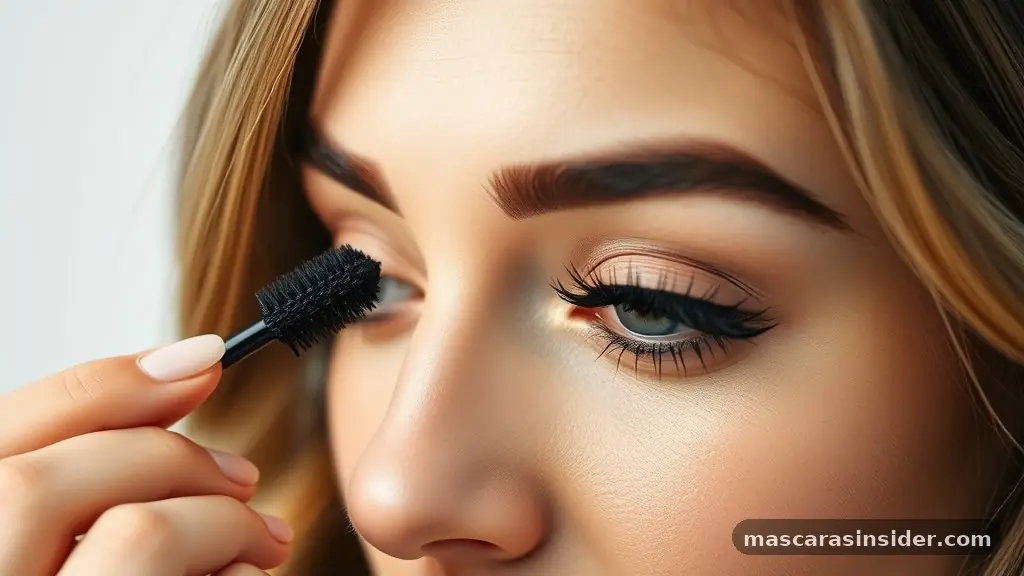
The primary goal of wearing false eyelashes is to enhance your natural eye shape, but sometimes there is a visible gap between your real hair and the synthetic strip. When you consider whether you put mascara on fake lashes, the main objective is usually to bridge that gap.
By applying a very light coat of mascara to your natural lashes after the glue has dried, you can physically lift and bond your own hair to the base of the strip. This creates a uniform look, effectively hiding the band of the lash and ensuring that your natural hair doesn’t stand out underneath the false layer.
However, the material of the lash matters immensely. Silk, synthetic, or faux-mink lashes react differently to heavy pigments and oils. If you use a waterproof formula, you might find that the removal process becomes damaging to the delicate fibers of the fake lash, leading to premature shedding or breakage.
Many professional makeup artists recommend applying mascara to your natural lashes before you even touch the falsies. This gives your natural hair a bit of grip and curl, making it easier for the false strip to sit snugly against the lash line.
The Correct Order of Operations for Application
Timing is everything when it comes to your eye makeup routine. Many beginners wonder if they should apply mascara before or after the lash application.
The most effective approach involves curling your natural lashes and applying a single, thin coat of mascara before you secure the false lash. This provides a clean, dark base that matches the color of the strip, ensuring that no stray, light-colored natural hairs peek out from beneath the fake ones.
Once the false lashes are securely in place and the adhesive has completely set, you can evaluate if further blending is required. If you still see a separation between the two layers, you can gently sweep a spoolie brush or a very light wand of mascara over the point where the two meet.
Avoid starting from the root of the false lash, as this can cause buildup that looks clumpy and unnatural. Instead, focus the product on the tips or the mid-lengths to encourage the natural hair to marry seamlessly with the synthetic fibers.
Selecting the Right Formula for Your Lashes
Not all mascaras are created equal, and some are significantly better suited for use with false eyelashes than others. If you are determined to apply product to your falsies, stay away from heavy, oil-based, or waterproof formulas whenever possible.
These products require aggressive makeup removers that can break down the lash band or dissolve the adhesive holding the strip in place. Instead, reach for a water-based or tubing mascara that is easy to remove with simple warm water or a gentle micellar cleanser.
When you look at the composition of your makeup kit, consider the weight of the formula. Synthetic lashes are often delicate; if you pile on thick, viscous mascara, you will inevitably weigh them down.
This can cause the inner corners of the strip to lift prematurely, ruining your hard work. Opting for a lightweight, lengthening formula is the best way to maintain the curl and shape of the false lash without sacrificing the longevity of the wear.
Why You Should Avoid Mascara on Certain Lash Types
There are specific instances where you should never put mascara on fake lashes. If you are using luxury mink lashes, for example, the natural hair fibers are prone to losing their softness and shape if they are coated in product.
These lashes are designed to mimic a natural look, and adding a layer of mascara often makes them appear stiff and spider-like. The maintenance of high-end lashes relies on keeping them free of buildup; once they are covered in mascara, they are nearly impossible to clean without destroying the delicate structure.
Furthermore, if you are wearing individual lash clusters, applying mascara over them can be disastrous. Because clusters are applied in small sections, adding heavy mascara can cause them to clump together in a way that looks messy rather than defined.
In these cases, it is far better to ensure your natural lashes are thoroughly coated before you apply the clusters. By doing the work on your own lashes first, you eliminate the need to touch the clusters at all, keeping them looking fresh and fluttery for as long as possible.
Maintaining the Longevity of Your False Eyelashes
If you want to reuse your false lashes, keeping them clean is mandatory. Every time you apply mascara to them, you decrease the number of times you can wear that pair.
Mascara buildup is difficult to remove without damaging the band, and it often leads to a “crusty” appearance after just one or two uses. If you are someone who likes to get multiple wears out of a single set, it is in your best interest to avoid putting mascara on the false lashes entirely.
To keep your lashes in top shape, always store them in their original tray after you remove them. Gently peel off any dried adhesive from the band using a pair of tweezers, but avoid picking at the fibers themselves. If you must remove mascara from the lashes, use a cotton swab dipped in oil-free makeup remover.
Gently run it along the band to loosen the residue, but be extremely patient. Rushing this process usually results in the loss of several fibers, which will ruin the overall look of the lash.
Comparing Application Methods for Different Lash Styles
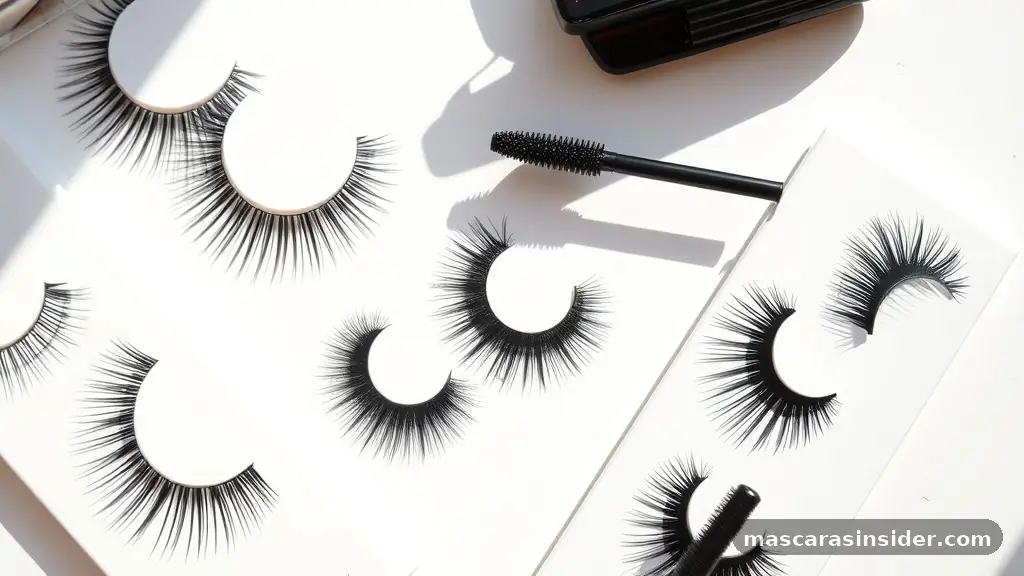
The way you approach your eye makeup depends heavily on the specific style of lash you have chosen. Strip lashes offer a different challenge compared to magnetic lashes or lash extensions. Understanding these differences can prevent common mistakes and help you achieve a professional finish.
| Lash Type | Mascara Placement | Recommendation |
|---|---|---|
| Strip Lashes | Before application | Apply to natural lashes only; avoid the band. |
| Magnetic Lashes | None | Never apply mascara; it ruins the magnets. |
| Individual Clusters | Before application | Coat natural lashes thoroughly; skip the clusters. |
| Silk/Faux Mink | Minimal | Use only a light touch at the very tips if needed. |
Techniques for Blending Without Product
If you are worried about the damage caused by mascara but still want a seamless look, there are several techniques you can use to blend your natural lashes with your false ones. The most effective method is using a heated eyelash curler.
By curling your natural lashes and the false lashes together after the glue has dried, you force them to take on the same shape. This physical blending is often enough to hide the band without needing to add any pigment at all.
Another great trick is to use black eyeliner to tightline your upper lash line. By filling in the gaps between your natural lashes with a dark, waterproof liner, you create an optical illusion.
The dark background makes the band of the false lash disappear, providing the same visual effect as a coat of mascara without the risk of clumping or damage. This is a favorite technique among professional makeup artists because it looks clean, stays in place all day, and doesn’t compromise the lifespan of your false lashes.
Common Mistakes to Avoid During Application
One of the most frequent errors is applying mascara while the lash glue is still wet. This often leads to a messy situation where the mascara transfers onto the adhesive, causing it to lose its tackiness or causing the lashes to shift out of place. Always wait at least three to five minutes for your glue to become tacky and for the bond to fully set before you even consider bringing a mascara wand near your eyes.
Another mistake is using a wand that is too large for your eye shape. A bulky brush makes it very difficult to control where the product goes, leading to accidental smudges on your eyelids or, worse, clumps on the base of your false lashes.
If you feel you must use mascara, choose a wand with a thinner, more precise head. This allows you to target specific areas, such as the outer corners, where the blending is most necessary, without coating the entire strip in thick, unnecessary product.
The Importance of Proper Removal
The conversation about whether you put mascara on fake lashes isn’t complete without addressing how to safely remove them. When you wear makeup with your falsies, the removal process must be extra careful.
Use an oil-based cleanser if you are wearing waterproof mascara, but be aware that this will inevitably loosen the adhesive on your falsies. If you want to save the lashes, remove the mascara first with a gentle cleanser, then carefully peel away the strip.
According to the American Academy of Ophthalmology, maintaining proper hygiene with your eye makeup is vital to preventing infections. When you apply layers of mascara and glue, you create a perfect environment for bacteria to grow.
If you do use mascara on your lashes, ensure you are cleaning them thoroughly after every single use. If the lashes look ragged or have too much buildup, it is far safer for your eye health to discard them and start with a fresh pair rather than risking an infection from dirty, product-caked fibers.
When to Skip Mascara Entirely
Sometimes, the best look is the one that requires the least amount of effort. If you have invested in high-quality lashes, they are designed to look perfect on their own.
Adding mascara can often detract from the intricate design of the lashes, especially if they are wispy or have a specific curl pattern. When you wear a high-quality set, the dark band already acts as a form of eyeliner, and the density of the fibers provides all the volume you could possibly need.
If you are a beginner, it is highly recommended that you practice applying your lashes without any mascara at all. Learning to place the strip as close to your natural lash line as possible is a skill that takes time to develop.
Once you can consistently achieve a perfect application, you will find that you rarely, if ever, need to reach for a mascara wand. By mastering the placement technique, you save time, save money on product, and significantly extend the life of your false lashes.
FAQ
Can I use waterproof mascara on my false lashes?
You should avoid using waterproof mascara on false lashes. These formulas are notoriously difficult to remove and require harsh cleansers that will damage the fibers, strip the glue, and ruin the shape of the lashes. Stick to easy-to-remove, water-based formulas to keep your falsies in good condition.
How do I blend my natural lashes with the falsies without mascara?
The best way to blend them is by using a heated eyelash curler to press your natural lashes and the false strip together. Additionally, applying a dark, smudge-proof eyeliner to your tightline helps hide the band and creates a seamless transition between your natural hair and the false lashes.
Does putting mascara on my fake lashes make them last longer?
No, it actually shortens the lifespan of your false lashes. Mascara causes buildup that is difficult to clean, leading to clumping and loss of shape. Constant cleaning to remove the mascara will cause the delicate fibers to shed, meaning you will have to replace your lashes much sooner.
Should I apply mascara before or after putting on the lashes?
If you choose to use mascara, always apply a thin coat to your natural lashes before you apply the false ones. This provides a dark, grippy base that helps the falsies blend better. Never apply mascara to the fake lashes themselves unless it is absolutely necessary for blending at the tips.
Conclusion
Deciding whether you put mascara on fake lashes ultimately comes down to your personal style and the type of product you are using. While a light touch can help blend your natural hair with the strip, it is rarely necessary if your application technique is precise. By focusing on curling your natural lashes and using eyeliner to fill in the gaps, you can achieve a flawless, professional look without damaging your favorite pair of falsies.
Remember that the longevity of your lashes depends on keeping them clean and free from unnecessary product buildup. Treat your lashes with care, practice your application, and enjoy the confidence that comes with a perfectly defined eye look. If you have more questions about perfecting your beauty routine, feel free to share your thoughts or reach out for more personalized advice on achieving the perfect flutter.
Meta Description: Are you wondering do you put mascara on fake lashes? Learn the best techniques for blending, when to avoid product, and how to keep your lashes reusable.