

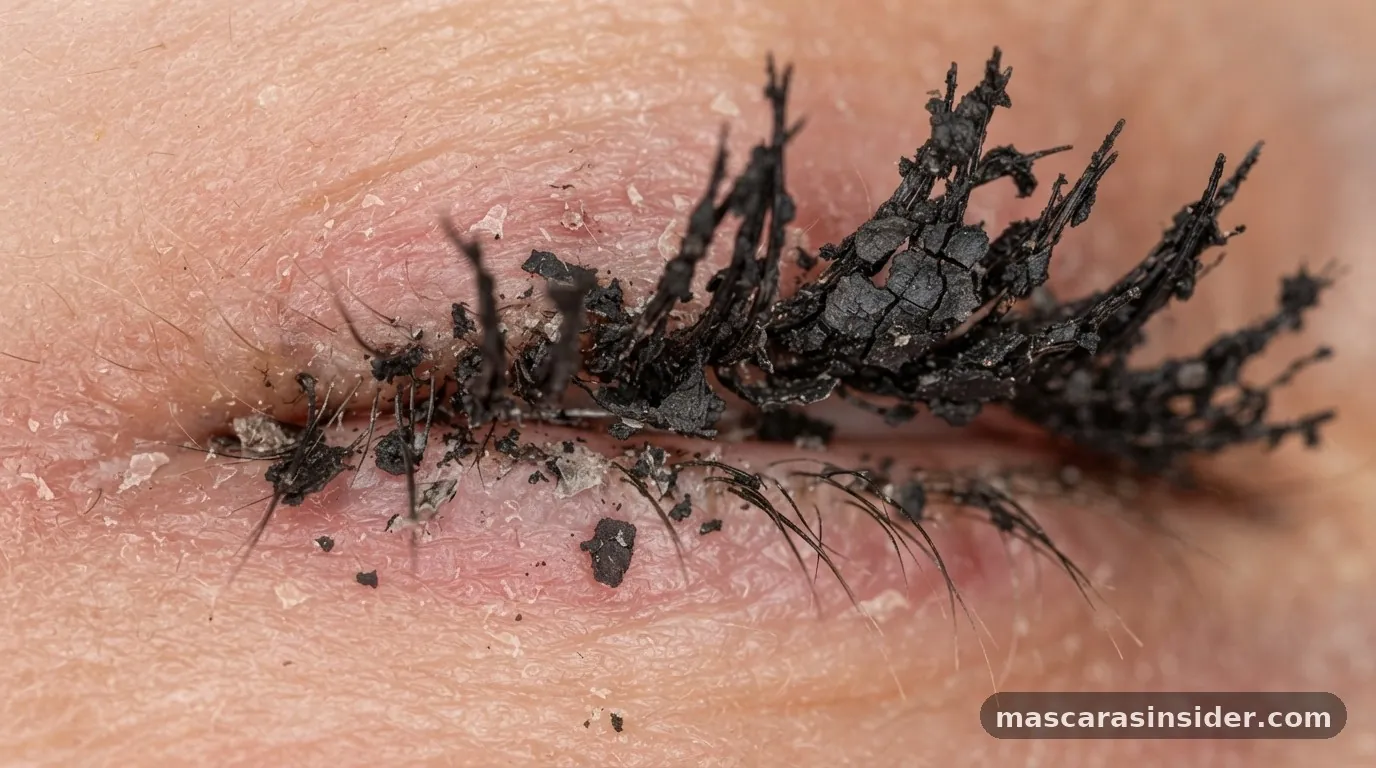
We have all been there. You get home after a long, exhausting day, collapse onto your bed, and the last thing you want to do is stand in front of the bathroom mirror to scrub away your eye makeup. While it might seem like a harmless shortcut to skip your skincare routine just once, understanding what happens if you leave mascara on overnight reveals that this seemingly minor habit can have significant consequences for your eye health and the condition of your lashes.
Your eyes are incredibly sensitive, and the skin around them is the thinnest on your body. When you decide to skip the cleansing process, you are essentially leaving a layer of cosmetic residue to sit on your delicate lashes and skin for eight hours or more. This isn’t just about a messy pillowcase; it’s about how your ocular surface interacts with chemical pigments, waxes, and polymers while you are trying to rest.
The Biological Impact on Eyelash Follicles
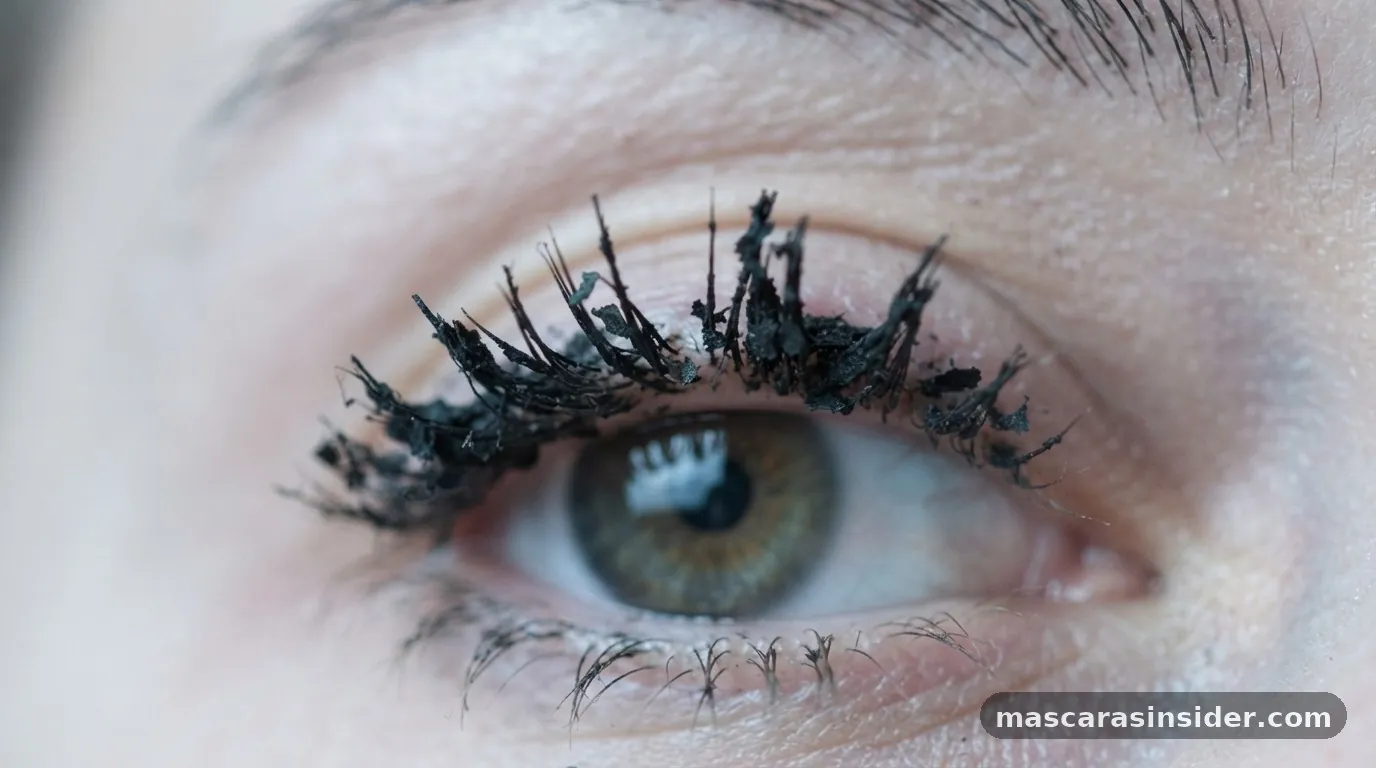
Leaving mascara on while sleeping can cause significant physical stress to your eyelashes, leading to breakage and long-term thinning. Eyelashes are hair, and just like the hair on your head, they need to be clean and flexible to remain healthy.
Mascara formulas are designed to harden as they dry, which is what gives your lashes that lifted, voluminous look. When that hardened product stays on your lashes through the night, it creates a rigid, brittle coating.
As you toss and turn, your lashes rub against your pillowcase. Because the mascara has made the hair strands stiff rather than pliable, they are much more prone to snapping.
This mechanical friction can lead to premature lash loss. Over time, if you make this a habit, the cumulative damage to the hair follicles can weaken them, potentially resulting in sparse or brittle lashes that struggle to grow back.
1. Hardened mascara acts as a physical abrasive against the pillow.
2.
The lack of flexibility causes the hair shaft to snap under pressure.
3. Chronic buildup can clog the base of the follicle, hindering natural growth.
Think of it as hairspray for your eyelashes. You wouldn’t leave stiff, hairsprayed hair to rub against a rough fabric surface for eight hours without expecting some breakage.
The same logic applies to your eyes. By failing to remove the product, you are essentially ensuring that your lashes endure unnecessary mechanical trauma throughout the night.
Potential for Ocular Irritation and Redness
When you do not remove mascara before bed, you increase the risk of irritation and redness in the eyes. Mascara contains a complex mixture of pigments, preservatives, and binders designed to adhere to your lashes. When these particles migrate into the eye—which happens easily during the subconscious movements of sleep—they can cause significant discomfort.
The eyes have a self-cleaning mechanism, but that mechanism is easily overwhelmed by external debris. If you leave makeup on, the tiny particles can fall into the tear film. This often manifests as a gritty, sand-like sensation when you wake up.
This irritation isn’t just a temporary annoyance; it can lead to conjunctival inflammation. If your eyes are red, watery, or itchy every morning, it is a clear signal that your current nighttime habits are directly impacting your ocular comfort.
The chemical composition of many mascaras includes ingredients that are meant for the surface of the hair, not for the sensitive mucous membranes of the eye. When these chemicals sit near the lash line for extended periods, they can disrupt the delicate balance of the eye’s environment. If you want to maintain long-term eye health, you must prioritize clearing away these foreign substances before you close your eyes for the night.
The Risk of Developing Concretions
One of the more serious, though less commonly discussed, risks of sleeping with mascara on is the formation of concretions. These are hard, calcified deposits that can form under the eyelid. While it sounds extreme, chronic exposure to makeup residue—especially if it migrates into the inner eyelid—can lead to these uncomfortable bumps.
These deposits occur when the body tries to wall off the foreign particles that have found their way into the subconjunctival space. Because the eye is moist and warm, it provides a perfect environment for this buildup if the makeup isn’t cleared away.
Once these concretions form, they can feel like a pebble in your shoe every time you blink. You might find yourself needing to see an ophthalmologist to have them professionally removed, which is a much more invasive and costly process than simply using a gentle makeup remover.
| Feature | Impact of Clean Lashes | Impact of Mascara Buildup |
|---|---|---|
| Lash Flexibility | High (natural movement) | Low (brittle and stiff) |
| Follicle Health | Optimal growth cycle | Potential for premature loss |
| Eye Comfort | Clear, refreshed feeling | Gritty, irritated sensation |
| Risk Factor | Minimal to none | High for infection/debris |
Preventing this condition is simple. By establishing a routine that ensures every trace of makeup is removed, you protect the underside of your eyelids from accumulating the very substances that lead to these painful calcifications.
Clogged Oil Glands and Blepharitis
Your eyelids are lined with Meibomian glands, which are essential for producing the oily component of your tears. This oil prevents your tears from evaporating too quickly.
When you leave mascara on, you risk clogging the openings of these glands. If the openings become blocked by a combination of dried cosmetic wax, dead skin cells, and oil, it can lead to a condition known as blepharitis.
Blepharitis is an inflammation of the eyelid margins that can cause crusting, itching, and a persistent feeling that your eyes are tired or heavy. It can also lead to styes, which are painful, red bumps that form near the edge of the eyelid.
A stye is essentially an infected oil gland. By leaving mascara on, you are creating a breeding ground for bacteria at the exact spot where your glands need to remain clear and functional.
If you struggle with “tired” eyes or persistent dryness, look at your nightly routine. Are you truly removing all the pigment from the lash line? Often, people think they have cleaned their eyes, but a quick look in a magnifying mirror reveals dark, caked-on product remaining at the roots of the lashes.
That residual layer is exactly what blocks your glands and triggers inflammation. Consistent, gentle cleansing is the best defense against these common eyelid issues.
The Importance of Proper Removal Techniques
If you are going to wear makeup, you must know how to remove it effectively. Simply rubbing your eyes with a dry towel is not enough and can actually make the situation worse by pushing particles deeper into the follicles. To properly remove mascara, you need to use a dedicated makeup remover or a gentle oil-based cleanser that can break down the waterproof polymers found in many formulas.
4. Saturate a soft cotton pad with a gentle, ophthalmologist-tested makeup remover.
5. Place the pad over your closed eyelid and hold it there for 15 to 30 seconds.
This allows the product to dissolve the mascara.
6. Gently wipe downward, following the natural direction of your lashes.
7.
Avoid scrubbing back and forth, which pulls on the skin and breaks the hair.
8. Use a clean swab to catch any remaining pigment between the lashes.
For those who want to learn more about maintaining eye health in relation to cosmetics, you can visit the American Academy of Ophthalmology for official guidelines on safe makeup practices. Following these steps every single night will ensure that you don’t wake up with irritation or damaged lashes. It is a small investment of time that pays off in the long run for the health of your eyes and the appearance of your lashes.
Establishing a Sustainable Nightly Routine
We all have nights where we are exhausted, but the key to avoiding the negative effects of sleeping in makeup is to make the process as easy as possible. If you find yourself consistently skipping your routine, it might be time to simplify your supplies. Keep your makeup remover and cotton rounds exactly where you need them—on your nightstand or right next to your bed.
If you are too tired to stand at the sink, having an effective, no-rinse micellar water or a pack of gentle makeup wipes within arm’s reach can be the difference between a healthy morning and a painful one. While wipes aren’t always as thorough as a double-cleanse, they are infinitely better than leaving the mascara on until the next day.
* Keep a bottle of micellar water on your bedside table.
* Use a silk pillowcase to reduce friction if you do accidentally fall asleep with product on.
* Avoid waterproof mascara for daily wear to make nightly removal faster and easier.
* Replace your mascara every three months to prevent bacterial buildup in the tube.
By making these small adjustments, you ensure that you aren’t forced to choose between your beauty routine and your health. When you prioritize the cleanliness of your lash line, you are actively preventing the irritation, redness, and long-term damage that come from negligence. Remember, your eyes are not just a canvas for makeup; they are a vital part of your sensory experience, and they deserve to be treated with care at the end of every day.
Frequently Asked Questions
Is it okay to sleep in mascara if it is a natural or organic brand?
No. Even natural or organic mascaras contain pigments and binders that can irritate the eye and clog follicles if left on overnight. Any foreign substance sitting at the base of your lashes for eight hours increases the risk of infection and mechanical damage to the hair.
How long does it take for eyelashes to recover from damage caused by sleeping in makeup?
Eyelashes have a growth cycle that lasts several weeks to months. If you have caused breakage through poor habits, it can take one full growth cycle—typically six to eight weeks—to see significant improvement after you begin consistently removing your makeup every single night before bed.
Can sleeping in mascara cause permanent vision loss?
While it is highly unlikely to cause permanent vision loss from a single night, chronic neglect can lead to severe eye infections, corneal abrasions from makeup particles, or long-term eyelid inflammation. These conditions, if left untreated over a long period, can potentially lead to more serious ocular complications.
What should I do if I wake up with mascara in my eye?
If you wake up with irritation or particles in your eye, flush it immediately with sterile saline solution or clean, lukewarm water. Do not rub your eyes, as this can scratch the cornea. If the redness or pain persists for more than a few hours, consult an eye care professional.